
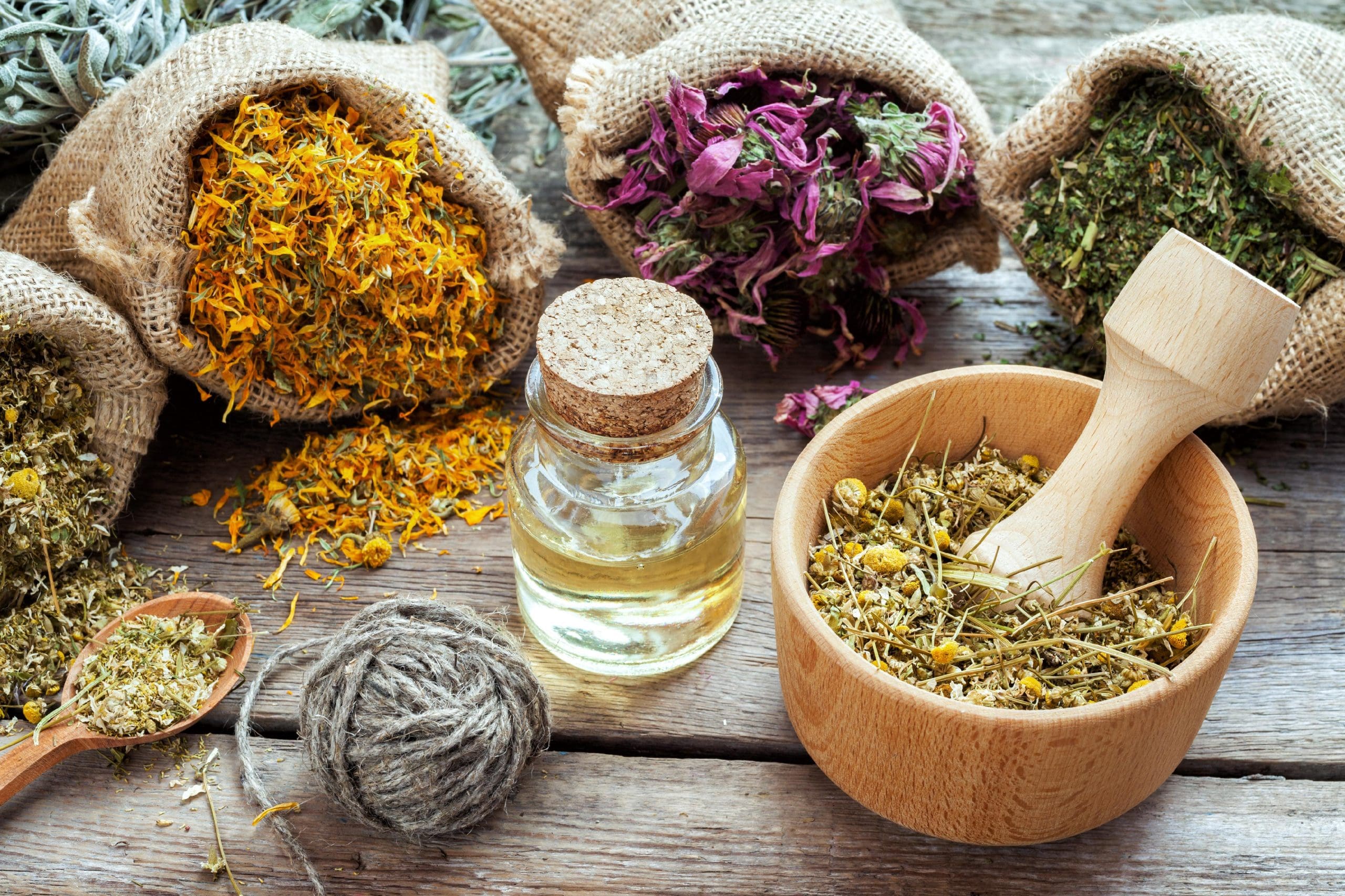
Are you interested in learning about the wonders of herbal medicine? Look no further! This informative guide is designed especially for beginners like you, providing a comprehensive overview of herbal medicine and its various uses. Whether you’re curious about the benefits of herbal remedies for common ailments or simply want to explore the world of natural healing, this article has got you covered. So grab a cup of herbal tea, sit back, and prepare to embark on a journey into the fascinating world of herbal medicine.
What is Herbal Medicine?
Herbal medicine, also known as herbalism or botanical medicine, is the practice of using plants and plant extracts for their medicinal properties. It is an ancient healing art that dates back thousands of years and is still widely practiced today. Herbal medicine harnesses the healing power of nature to promote overall well-being and address various health conditions. It embraces the concept that plants contain compounds that can support the body’s natural ability to heal itself.
Definition
Herbal medicine is the use of plants and plant extracts to prevent, treat, and manage various health conditions. It involves the preparation and administration of herbal remedies, which can take the form of teas, tinctures, capsules, powders, creams, and more. This holistic approach to healing aims to address the underlying cause of imbalances within the body, rather than simply alleviating symptoms. By utilizing the diverse properties of different plants, herbal medicine offers a gentle and natural approach to healthcare.
History
The use of plants for medicinal purposes has been a fundamental part of human history. From ancient civilizations to indigenous cultures, herbal medicine has played a vital role in maintaining health and treating ailments. Ancient texts from China, India, and Egypt contain extensive knowledge about herbal remedies and their various applications. Traditional systems such as Ayurveda and Traditional Chinese Medicine have been using herbs for thousands of years to restore balance and promote optimal health. In recent times, herbal medicine has experienced a resurgence as people seek more natural and holistic approaches to healthcare.
Principles of Herbal Medicine
Herbal medicine is based on several guiding principles that shape its practice. These principles are rooted in the belief that nature provides abundant resources for healing. Here are the key principles of herbal medicine:
-
Holistic Approach: Herbal medicine recognizes the interconnectedness of the body, mind, and spirit. It aims to treat the whole person rather than just the symptoms, addressing the underlying imbalances that contribute to health issues.
-
Individualized Care: Each person is unique, and herbal medicine takes into account individual constitutions, lifestyles, and health conditions. Herbal remedies are tailored to specific needs, ensuring personalized and targeted treatment.
-
Prevention and Maintenance: Herbal medicine emphasizes the importance of preventive care and overall wellness. Regular use of herbal remedies can boost the immune system, promote vitality, and help prevent future imbalances.
-
Herbal Energetics: Herbs are classified based on their specific energies and qualities, such as hot, cold, moist, dry, and so on. This classification helps match the right herbs to a person’s individual needs, ensuring optimal effectiveness.
-
Traditional Wisdom and Scientific Evidence: Herbal medicine combines the wisdom of traditional healing practices with modern scientific research. Traditional knowledge passed down through generations is complemented by scientific studies to inform the safe and effective use of herbs.
Benefits of Herbal Medicine
Herbal medicine offers a range of benefits that make it a popular choice for those seeking alternative healthcare options. The following are some key advantages of incorporating herbal remedies into your wellness routine:
Natural Healing
Herbal medicine utilizes plant-based remedies that are derived directly from nature. Unlike many synthetic drugs, herbal remedies are often well-tolerated by the body and carry fewer risks of adverse reactions. The active compounds found in various plants work synergistically to provide gentle yet effective healing support for the body’s natural processes.
Cost-effectiveness
Compared to prescription medications, herbal remedies tend to be more affordable. Growing some medicinal plants in your own garden or sourcing them from reputable suppliers can further reduce costs. Additionally, herbal medicine focuses on promoting overall wellness and preventing future health issues, which can lead to long-term savings.
Minimal Side Effects
When used correctly and under the guidance of a knowledgeable practitioner, herbal medicine is generally safe and comes with minimal side effects. The gentle nature of herbs reduces the likelihood of adverse reactions, making them suitable for individuals seeking natural approaches to health. However, it is important to note that individual sensitivities and interactions with other medications can occur, so it is important to consult a healthcare professional.
Choosing and Preparing Herbs
When it comes to using herbal medicine, selecting and preparing the right herbs is crucial to ensure safety and effectiveness. Here are some essential points to consider:
Identifying Quality Herbs
To reap the full benefits of herbal medicine, it is important to choose quality herbs. Look for reputable suppliers that prioritize sustainable and ethical practices. Ensure the herbs are organic, free from contamination, and properly labeled with botanical names. Consider purchasing from local farmers or growing your own herbs to have better control over quality.
Harvesting and Drying Herbs
If you choose to grow your own herbs, proper harvesting and drying techniques are essential. Harvest the plants at the right time, typically when the essential oils and medicinal compounds are at their peak. Dry the harvested herbs in a well-ventilated area away from direct sunlight to preserve their potency. Once dried, store them in airtight containers in a cool, dark place to maintain their quality.
Herbal Formulations
Herbal medicine often involves combining different herbs to create formulations that target specific health concerns. These formulations can be in the form of teas, tinctures, capsules, creams, or oils. Consult a qualified herbalist or healthcare professional to determine the most appropriate formulation and dosage for your needs. They can guide you in creating personalized blends or recommend ready-made herbal products from trusted sources.
Common Herbal Remedies
Herbal medicine offers a diverse range of remedies to address various health issues. Here are some common areas where herbs are frequently used:
Digestive Health
Herbs such as peppermint, ginger, fennel, and chamomile are known for their soothing properties on the digestive system. They can help alleviate symptoms of indigestion, bloating, nausea, and heartburn. These herbs can be taken in the form of teas or capsules, providing relief and supporting overall digestive well-being.
Respiratory Health
For respiratory ailments such as coughs, colds, and congestion, herbs like elderberry, eucalyptus, thyme, and licorice root can be beneficial. Their expectorant and antiviral properties help to soothe irritated airways, reduce mucus production, and support respiratory health. Steam inhalations, herbal teas, or herbal syrups are common ways to administer these herbs.
Immune Support
To support a healthy immune system, herbs like echinacea, astragalus, garlic, and turmeric are often used. These herbs have immune-boosting properties and can help strengthen the body’s defenses against infections. They can be taken as teas, tinctures, or incorporated into daily meals to provide ongoing immune support.
Herbs for Stress and Anxiety
Stress and anxiety are common in today’s fast-paced world, and herbal medicine offers natural options to help manage these conditions. The following herbs are known for their calming and stress-relieving properties:
Calming Herbs
Chamomile, lemon balm, and lavender are well-known calming herbs that help promote relaxation and reduce stress. These herbs can be taken as teas or incorporated into bath products for a soothing effect. They are often used to help with sleep disturbances and promote a sense of tranquility.
Adaptogenic Herbs
Adaptogenic herbs like ashwagandha, rhodiola, and holy basil are known for their ability to support the body’s stress response. They help the body adapt to various stressors, whether physical, emotional, or environmental. These herbs are often taken as supplements or added to herbal formulations to enhance resilience and improve overall well-being.
Nervine Herbs
Nervine herbs, such as passionflower, valerian, and skullcap, are specifically used to calm the nervous system and relieve anxiety. They can help reduce tension, restlessness, and nervousness. Nervine herbs are commonly found in teas, tinctures, or herbal capsules and can be used as needed or in combination with other herbal remedies.
Herbs for Skin and Hair
Herbal medicine can also play a role in supporting healthy skin and hair. The following herbs offer various benefits for these areas:
Anti-inflammatory Herbs
Calendula, chamomile, and aloe vera are well-known for their anti-inflammatory properties and can soothe irritated skin. They can be used topically in the form of creams, salves, or infused oils to help with conditions like eczema, rashes, or sunburn. These herbs can also be included in homemade skin care products to maintain a healthy complexion.
Antioxidant Herbs
Herbs rich in antioxidants, such as green tea, rosemary, and turmeric, can protect the skin from oxidative stress and premature aging. These herbs help neutralize free radicals, reduce inflammation, and promote a youthful glow. Incorporating these herbs into your diet or using them in skincare preparations can support overall skin health.
Hair and Scalp Health
Herbs like rosemary, nettle, and horsetail have long been used to promote healthy hair and scalp. They help stimulate hair growth, strengthen the hair shaft, and improve the condition of the scalp. These herbs can be used in herbal rinses, hair masks, or infused oils to nourish and maintain vibrant hair.
Herbs for Women’s Health
Herbal medicine offers support for various aspects of women’s health throughout different stages of life. Here are some commonly used herbs for women’s health:
Menstrual Health
Herbs like raspberry leaf, dong quai, and vitex are known for their ability to support menstrual health and balance hormones. They can help alleviate menstrual cramps, regulate menstrual cycles, and reduce symptoms of premenstrual syndrome (PMS). These herbs are often taken as teas, tinctures, or capsules to promote overall reproductive well-being.
Hormonal Balance
During menopause, women may experience hormonal imbalances that can lead to discomfort and other symptoms. Herbs such as black cohosh, red clover, and evening primrose oil are commonly used to support hormonal balance and relieve menopausal symptoms. These herbs can be taken as supplements or incorporated into herbal formulations for menopause support.
Fertility
For women trying to conceive, certain herbs can support fertility and reproductive health. Herbs like vitex, maca root, and red raspberry leaf are often used to regulate menstrual cycles, enhance fertility, and support the reproductive system. They can be taken as part of a personalized herbal protocol or under the guidance of a fertility specialist.
Herbs for Men’s Health
Herbal medicine is not exclusive to women’s health; it also offers support for men’s health concerns. Here are some herbs commonly used for men’s well-being:
Prostate Health
As men age, they may experience issues related to the prostate gland. Herbs like saw palmetto, pygeum bark, and nettle root have been traditionally used to support prostate health and reduce symptoms of benign prostatic hyperplasia (BPH). These herbs are often found in prostate support supplements or taken as individual herbal extracts.
Energy and Vitality
When it comes to boosting energy levels and overall vitality, herbs like ginseng, maca root, and ashwagandha are widely used. These adaptogenic herbs help increase stamina, improve mental clarity, and enhance physical performance. They can be taken as supplements or incorporated into herbal formulations designed to support energy and vitality.
Sexual Health
Certain herbs have a reputation for their ability to support men’s sexual health and libido. Herbs like horny goat weed, tribulus terrestris, and muira puama are commonly used to promote sexual vitality and enhance libido. These herbs can be found in various forms, including supplements and herbal blends designed to support sexual health.
Herbal Safety and Precautions
While herbal medicine is generally safe, it is important to exercise caution and be aware of potential risks. Here are some essential considerations:
Consulting a Healthcare Professional
Before incorporating herbal remedies into your healthcare routine, it is advisable to consult with a qualified healthcare professional, particularly if you have underlying health conditions or are taking medications. They can provide personalized guidance, ensure herb-drug interactions are minimized, and help determine the appropriate dosage for your specific needs.
Understanding Potential Interactions
Certain herbs can interact with prescription medications, affecting their efficacy or increasing the risk of side effects. It is important to inform your healthcare provider and pharmacist about any herbal supplements or remedies you are taking to avoid potential adverse reactions. Be sure to disclose all medications and supplements to ensure a comprehensive understanding of potential interactions.
Avoiding Allergies
Some individuals may be allergic or hypersensitive to certain herbs. It is important to be aware of any known allergies and research potential herb allergies before using them. Always start with a low dose when trying a new herb and monitor for any adverse reactions. If you experience any allergic symptoms such as itching, rash, or difficulty breathing, discontinue use and seek medical attention.
Exploring Herbal Medicine Further
If you’re interested in delving deeper into the world of herbal medicine, there are various resources and opportunities available to expand your knowledge and skills:
Books and Resources
Numerous books and online resources provide valuable information on herbal medicine. Look for reputable sources that offer insights into herbal remedies, their properties, and their safe and effective use. Some recommended books include “The Herbal Medicine-Maker’s Handbook” by James Green, “Alchemy of Herbs” by Rosalee de la Forêt, and “Healing Herbal Infusions” by Colleen Codekas.
Herbal Courses and Workshops
Consider enrolling in herbal courses or attending workshops to gain a deeper understanding of herbal medicine. Many herbalists and educational institutions offer online or in-person programs that cover topics such as herbal preparations, plant identification, and herbal formulation. These courses can provide hands-on experience and a comprehensive understanding of herbal medicine principles.
Joining Herbal Communities
Engaging with herbal communities and connecting with like-minded individuals can be a valuable learning experience. Online forums, social media groups, and local herbalist associations provide opportunities to share knowledge, ask questions, and learn from experienced practitioners. Participating in herbal conferences and events can also help expand your network and expose you to a wider range of herbal knowledge.
In conclusion, herbal medicine offers a holistic and natural approach to healthcare that has been practiced for thousands of years. Its principles are rooted in the belief that plants possess healing properties and can support the body’s ability to heal itself. From digestive health to skin and hair care, herbs can address a wide range of health concerns. It is important to exercise caution, consult a healthcare professional, and ensure quality and safety when selecting and using herbs. By exploring the world of herbal medicine and tapping into its benefits, you can take control of your well-being and embark on a journey towards optimal health.