
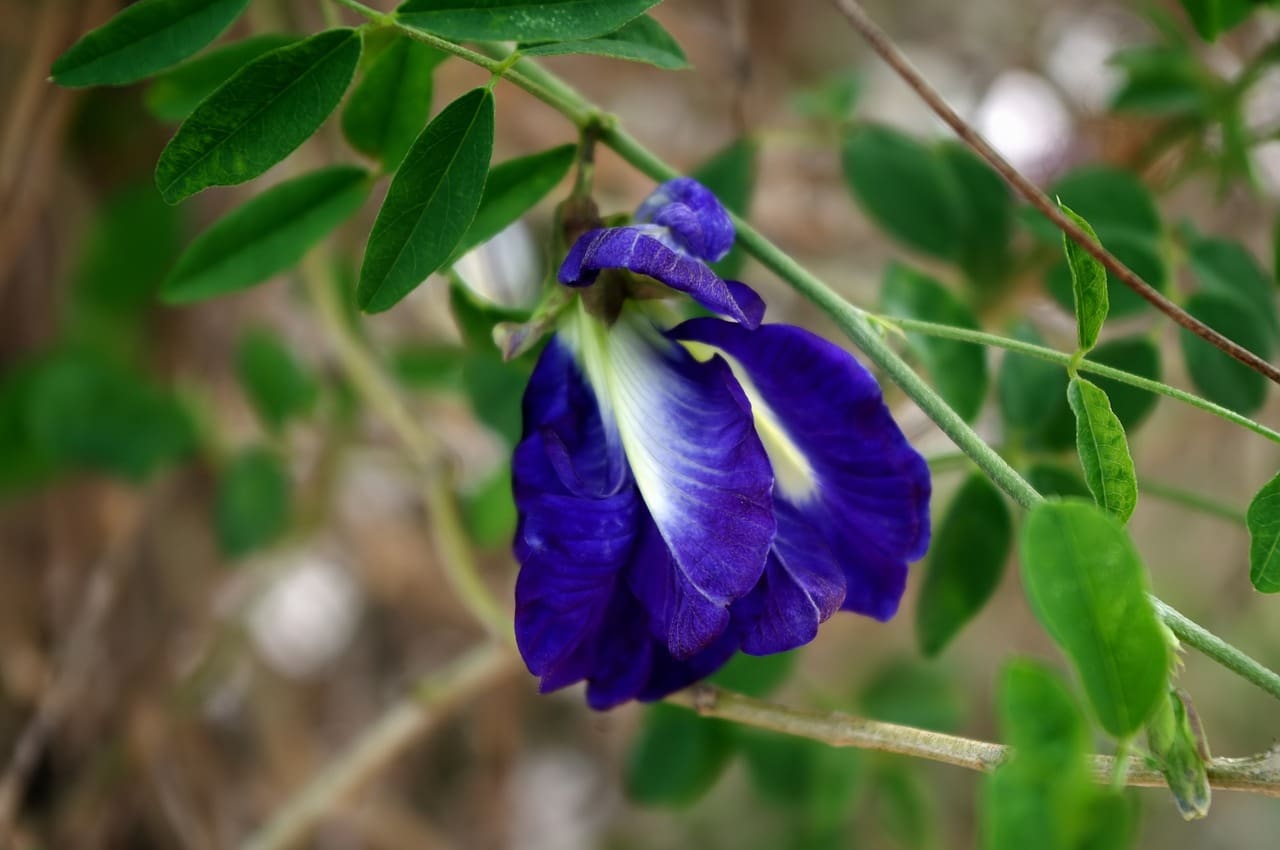
If you’ve ever wondered about the power of nature to heal, then this Beginner’s Guide to Herbal Remedies for Common Conditions is for you. From easing headaches to soothing sleeplessness, this article will provide you with an introduction to the world of herbal remedies. Whether you’re new to the concept or simply looking to expand your knowledge, this friendly guide will equip you with the essential information you need to start incorporating natural remedies into your everyday life. So, grab a cup of herbal tea and let’s explore the wonders of herbal medicine together.
Headache Relief
Peppermint
Peppermint has been used for centuries as a natural remedy for headaches. It contains menthol, which has a cooling effect and can help relax tense muscles. To use peppermint for headache relief, you can either apply peppermint oil topically to your temples and forehead or drink peppermint tea. The refreshing aroma of peppermint can also help clear your sinuses and alleviate any congestion that may be contributing to your headache.
Lavender
Lavender is another herb that is known for its calming properties. It can help reduce stress and tension, which are common triggers for headaches. You can use lavender oil by applying it topically to your temples or inhaling its soothing scent. Lavender tea is also a great option for headache relief, as it can help relax your mind and body.
Ginger
Ginger has long been used as a natural remedy for various ailments, including headaches. It contains anti-inflammatory properties that can help reduce the inflammation and pain associated with headaches. Ginger can be consumed in various forms, such as fresh ginger root, ginger tea, or ginger supplements. Drinking ginger tea or consuming ginger in other forms can help alleviate headache symptoms and provide relief.
Digestive Issues
Peppermint
Peppermint is not only helpful for relieving headaches but also for digestive issues. It can help relax the muscles of the gastrointestinal tract, reducing symptoms such as gas, bloating, and indigestion. Drinking peppermint tea or taking peppermint oil capsules can provide relief for these digestive issues. However, it’s important to note that peppermint may not be suitable for everyone, especially those with gastroesophageal reflux disease (GERD).
Ginger
Ginger is widely recognized for its ability to help with digestion. It is particularly beneficial for relieving nausea and vomiting associated with travel sickness, morning sickness in pregnancy, or chemotherapy. Consuming ginger in its various forms, such as ginger tea or using fresh ginger in cooking, can help soothe your stomach and promote healthy digestion.
Chamomile
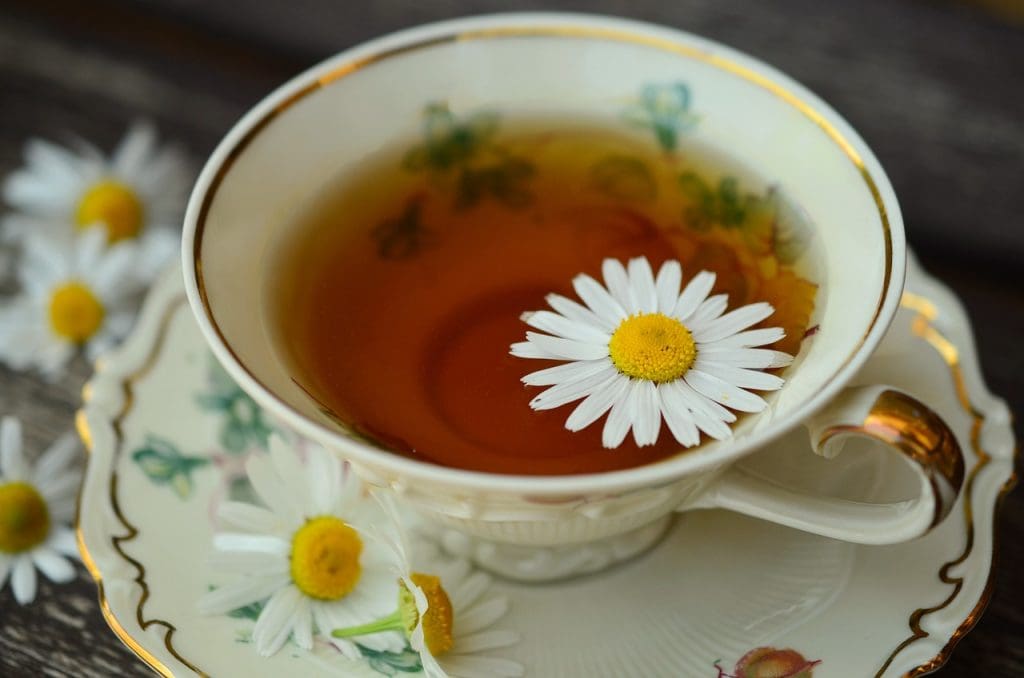
Chamomile is not only a popular herbal tea for relaxation, but it can also help with digestive problems. It has anti-inflammatory and antispasmodic properties, making it effective in reducing symptoms of gastrointestinal disorders like irritable bowel syndrome (IBS). Drinking chamomile tea regularly can help soothe your digestive system and alleviate discomfort.
Insomnia Treatment
Valerian Root
Valerian root has long been used as a natural remedy for insomnia. It has sedative properties that can help you fall asleep faster and improve the quality of your sleep. You can take valerian root in the form of capsules, tinctures, or teas. It’s important to note that valerian root may interact with certain medications, so it’s advisable to consult with a healthcare professional before using it as a sleep aid.
Lavender
Lavender, in addition to its headache-relieving properties, can also be used as a natural remedy for insomnia. Its calming scent can help relax your mind and body, making it easier to fall asleep and stay asleep throughout the night. You can use lavender essential oil by applying it to your pillow or taking a warm bath with a few drops of lavender oil added to the water.
Chamomile
Chamomile, known for its calming effects, is a popular choice for promoting better sleep. Drinking chamomile tea before bed can help relax your nervous system and prepare your body for sleep. It can also alleviate anxiety and stress, which are common contributors to insomnia.
Stress and Anxiety Management
Lemon Balm
Lemon balm is a herb that has been used for centuries to reduce stress and anxiety. It has a calming effect on the nervous system and can help promote relaxation. Drinking lemon balm tea or taking lemon balm supplements can help alleviate symptoms of stress and anxiety, such as restlessness and irritability.
Ashwagandha
Ashwagandha is an adaptogenic herb that can help the body cope with stress. It can reduce cortisol levels, which is the hormone responsible for the body’s stress response. Taking ashwagandha in the form of capsules or adding the powdered root to smoothies can help manage stress and promote overall well-being.
Passionflower
Passionflower is known for its calming and sedative properties, making it a great option for managing stress and anxiety. It can help reduce racing thoughts and promote a sense of calmness. Passionflower is available in the form of teas, tinctures, and supplements.
Sore Throat Soothing
Marshmallow Root
Marshmallow root is a popular herbal remedy for soothing sore throats. It forms a protective layer on the throat, reducing irritation and inflammation. You can take marshmallow root in the form of tea or as a supplement. It’s important to note that marshmallow root may interact with certain medications, so it’s advisable to consult with a healthcare professional before using it.
Slippery Elm
Slippery elm is another herb that can be effective in relieving sore throats. It contains mucilage, a gel-like substance that coats the throat and soothes irritation. You can make slippery elm tea or take slippery elm lozenges to alleviate the discomfort of a sore throat.
Echinacea
Echinacea is known for its immune-boosting properties, but it can also help with sore throat relief. It has anti-inflammatory properties that can reduce swelling and pain in the throat. You can take echinacea supplements or drink echinacea tea to support your immune system and soothe your sore throat.
Skin Conditions
Aloe Vera
Aloe vera is a versatile herb that can be used to treat various skin conditions. It has soothing properties that can help alleviate inflammation, redness, and itching. Applying aloe vera gel topically to the affected area can provide relief for conditions such as sunburns, eczema, and psoriasis.
Calendula
Calendula is known for its anti-inflammatory and wound-healing properties. It can help soothe irritated skin, reduce redness, and promote the healing of minor cuts and burns. Calendula can be applied topically in the form of creams, ointments, or infused oils.
Tea Tree Oil
Tea tree oil is a powerful essential oil that has antimicrobial and antifungal properties. It can be used to treat various skin conditions, including acne, athlete’s foot, and fungal infections. However, it’s important to dilute tea tree oil before applying it to the skin to avoid any adverse reactions.
Cough Suppressant
Wild Cherry Bark
Wild cherry bark has long been used as a natural cough suppressant. It has expectorant properties that can help loosen mucus and soothe coughs. You can take wild cherry bark in the form of syrups or teas to alleviate persistent coughing.
Thyme
Thyme is an herb that has both antitussive and expectorant properties. It can help suppress coughs and clear congestion in the respiratory tract. Drinking thyme tea or using thyme in cooking can provide relief for cough symptoms.
Mullein
Mullein is a herb that has traditionally been used to treat respiratory conditions, including coughs. It has expectorant properties that can help loosen phlegm and reduce coughing. Mullein can be consumed as a tea or taken in the form of tinctures and capsules.
Menstrual Cramp Relief
Ginger
Ginger, known for its digestive benefits, can also help with relieving menstrual cramps. It has anti-inflammatory properties that can help reduce the production of prostaglandins, which are responsible for causing menstrual cramps. Drinking ginger tea or taking ginger capsules can provide relief during painful menstrual periods.
Cramp Bark
Cramp bark is a herb that is specifically known for its ability to relieve cramps, including menstrual cramps. It can help relax the muscles of the uterus and alleviate pain. You can take cramp bark in the form of capsules, tinctures, or teas to relieve menstrual cramps.
Dong Quai
Dong Quai is an herb commonly used in traditional Chinese medicine to regulate menstrual cycles and alleviate menstrual cramps. It has antispasmodic properties that can help relax the muscles of the uterus and reduce pain. Dong Quai is available as a supplement or can be brewed as a tea.
Immune System Boosters
Echinacea
Echinacea is a well-known herb that can help boost the immune system. It has antimicrobial and antiviral properties that can support the body’s natural defenses. Taking echinacea supplements or drinking echinacea tea when you feel a cold or flu coming on can help strengthen your immune system.
Garlic
Garlic is not only a flavorful ingredient in cooking but also a powerful immune booster. It has antimicrobial properties that can help fight off infections and boost the immune system. Consuming garlic regularly, whether in raw form or cooked in meals, can provide immune system support.
Astragalus
Astragalus is an herb commonly used in traditional Chinese medicine to enhance immune function. It can stimulate the production of white blood cells and strengthen the body’s natural defenses against infections. Astragalus can be taken as a supplement or brewed as a tea to support the immune system.
Allergy Relief
Nettle Leaf
Nettle leaf is a natural antihistamine and can be used to relieve allergy symptoms. It contains histamine blockers that can help reduce sneezing, itching, and nasal congestion. Nettle leaf can be consumed as a tea or taken in the form of capsules or tinctures.
Butterbur
Butterbur is an herb that has been traditionally used to treat hay fever and other allergic reactions. It can help reduce inflammation in the airways and block histamine receptors. Butterbur supplements are available in the form of capsules and tablets.
Quercetin
Quercetin is a natural flavonoid that has powerful antioxidant and anti-inflammatory properties. It can help stabilize mast cells, which release histamine during allergic reactions. Consuming quercetin-rich foods such as apples, onions, and berries, or taking quercetin supplements can provide relief for allergy symptoms.
In conclusion, herbal remedies can offer effective relief for various common conditions. Whether you’re dealing with headaches, digestive issues, insomnia, stress, sore throat, skin conditions, cough, menstrual cramps, allergies, or looking to boost your immune system, there are a wide variety of herbs and natural remedies to choose from. However, it’s essential to consult with a healthcare professional before starting any new herbal regimen, especially if you have underlying health conditions or are taking medications. Remember to listen to your body and find the herbal remedies that work best for you.