In today’s fast-paced modern world, it’s easy to feel overwhelmed and forgetful at times. But worry not, dear reader, because this article is here to offer you some practical tips for preventing memory loss. Whether you’re a student trying to retain information for exams or just someone who wants to keep their mind sharp, these simple strategies will help you improve your memory and stay on top of your game. From incorporating regular exercise into your routine to challenging your brain with puzzles and games, we’ve got you covered. So sit back, relax, and let’s dive into the world of memory improvement together!
Engage in Mental Stimulation
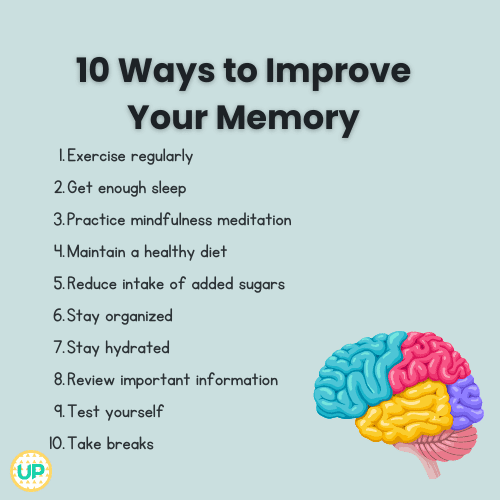
Keeping your brain active and engaged is essential for maintaining cognitive health. One of the easiest and most enjoyable ways to do this is by reading regularly. Whether it’s fiction, non-fiction, or even online articles, reading helps stimulate your mind and keeps it sharp.
Another great way to engage your brain is by solving puzzles and playing brain games. Activities like crossword puzzles, Sudoku, and word games challenge your memory, concentration, and problem-solving skills. Additionally, playing strategy games like chess or learning new card tricks can provide mental stimulation and keep your mind active.
Lastly, learning a new skill or hobby not only adds variety to your life but also promotes mental stimulation. It could be anything from painting or playing a musical instrument to learning a new language or taking up knitting. This not only keeps your brain active but also gives you a sense of accomplishment and satisfaction.
Stay Physically Active
Regular physical activity is not only beneficial for your body but also for your mind. Engaging in regular exercise helps improve blood flow to the brain, increases the production of endorphins, and promotes the growth of new brain cells. So, make sure you incorporate physical activity into your daily routine.
Participating in sports or physical activities that you enjoy can also be a great way to stay physically active. Whether it’s playing basketball with friends, going for a swim, or dancing, finding an activity that you love will make it easier to stay motivated and committed to regular exercise.
However, if high-intensity sports or activities are not for you, don’t worry. Even taking regular walks or bike rides can be enough to keep you physically active and provide benefits to your brain health. Aim for at least 30 minutes of moderate-intensity aerobic activity most days of the week.
Maintain a Healthy Diet
Eating a balanced diet is crucial for proper brain function and overall health. Make sure your diet includes plenty of fruits and vegetables, as they are rich in vitamins, minerals, and antioxidants that support brain health. Aim to incorporate a variety of colorful fruits and vegetables into your meals and snacks.
In addition to fruits and vegetables, including omega-3 fatty acids in your diet is essential for brain health. Sources of omega-3 fatty acids include fatty fish (like salmon and tuna), walnuts, chia seeds, and flaxseed. Consider adding these foods to your diet regularly to support cognitive function.
On the other hand, it’s important to limit processed and sugary foods. These foods can cause inflammation in the body and negatively impact brain health. Instead, opt for whole foods and natural sweeteners to maintain a balanced and healthy diet.
Get Sufficient Quality Sleep
Getting enough quality sleep is crucial for optimal brain function and memory consolidation. Establishing a regular sleep schedule helps regulate your body’s internal clock, making it easier to fall asleep and wake up refreshed. Aim for at least 7-9 hours of uninterrupted sleep each night.
Creating a sleep-friendly environment is another important factor for improving sleep quality. Keep your bedroom dark, quiet, and at a comfortable temperature to promote better sleep. Additionally, avoid the use of electronic devices and limit caffeine consumption in the evening, as they can interfere with your ability to fall asleep.
Manage Stress Levels
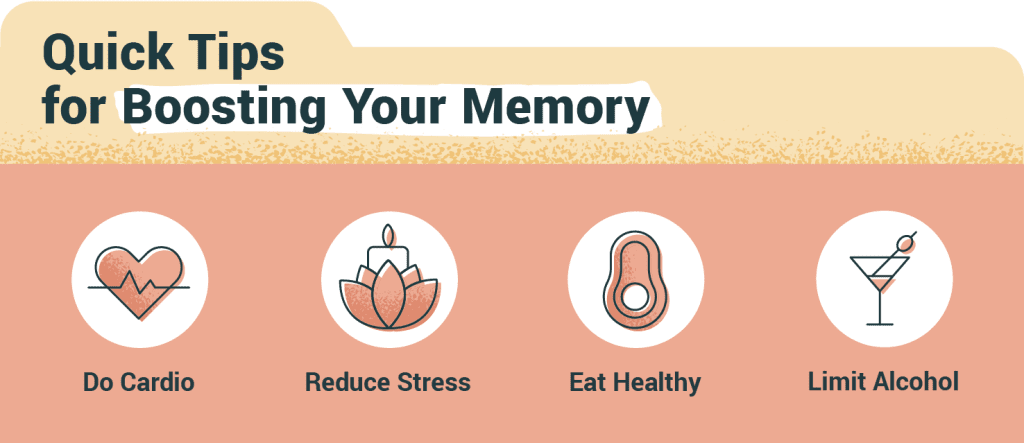
Chronic stress can have detrimental effects on your overall health, including your brain health. Finding effective ways to manage stress is key to maintaining cognitive function and preventing memory loss. One popular method is practicing relaxation techniques such as meditation or deep breathing exercises. These techniques can help calm your mind and reduce stress levels.
Engaging in activities you enjoy is another effective way to manage stress. Whether it’s listening to music, gardening, or participating in a favorite hobby, doing things that bring you joy can help alleviate stress and promote a sense of well-being.
Lastly, seeking support from family and friends can be invaluable in managing stress. Sharing your feelings and concerns with loved ones can provide a sense of comfort and reassurance. Don’t hesitate to reach out and rely on your support system when needed.
Socialize and Stay Connected
Maintaining strong relationships with friends and family is not only important for emotional well-being but also for brain health. Socializing and staying connected with others helps promote cognitive stimulation and can reduce the risk of cognitive decline.
Joining social groups or clubs that align with your interests is an excellent way to meet new people and engage in activities together. Whether it’s a book club, a hiking group, or a dance class, being part of a community can provide a sense of belonging and contribute to overall well-being.
Additionally, volunteering for community activities allows you to give back while staying socially engaged. Whether it’s helping at a local shelter, participating in charity events, or mentoring others, contributing to your community can have a positive impact on your mental and emotional health.
Protect Your Head
Taking precautions to protect your head is important for preventing memory loss and brain injuries. Whenever engaging in sports or activities with a risk of head injury, make sure to wear protective gear such as helmets or headguards. This simple step can significantly reduce the risk of traumatic brain injuries.
Furthermore, excessive alcohol consumption can damage brain cells and impair cognitive function. It’s important to drink alcohol in moderation and avoid binge drinking. If you choose to drink, do so responsibly and consider non-alcoholic alternatives on occasion.
Lastly, drive safely and always wear your seatbelt. Motor vehicle accidents can cause severe head injuries that may have long-lasting effects on memory and cognitive function. By following traffic rules and practicing defensive driving, you can minimize the risk of accidents and protect your head.
Manage Chronic Conditions
If you have chronic conditions like high blood pressure, diabetes, or high cholesterol, it’s vital to keep them under control. These conditions can increase the risk of cognitive decline and memory loss. Follow your medical advice, take prescribed medications regularly, and make lifestyle modifications to manage these conditions effectively.
It’s also crucial to attend regular check-ups and screenings as recommended by your healthcare provider. Monitoring your overall health, including blood pressure, blood sugar levels, and cholesterol levels, allows early detection and intervention if needed. By managing chronic conditions effectively, you can minimize the impact on brain health.
Limit Alcohol Consumption
While moderate alcohol consumption may not be harmful, excessive drinking can have detrimental effects on your brain health. To protect your memory and cognitive function, it’s important to moderate your alcohol intake. Stick to the recommended guidelines, which include no more than one drink per day for women and two drinks per day for men.
Binge drinking, which is consuming a large amount of alcohol in a short period of time, is particularly harmful to the brain. It can lead to memory problems, impaired judgment, and even alcohol-related dementia. If you struggle with alcohol consumption, seek help from a healthcare professional or support group.
Consider non-alcoholic alternatives when socializing or celebrating. There are plenty of delicious and refreshing mocktails available that can provide an enjoyable experience without the negative impacts of excessive alcohol consumption.
Keep Your Mind Active
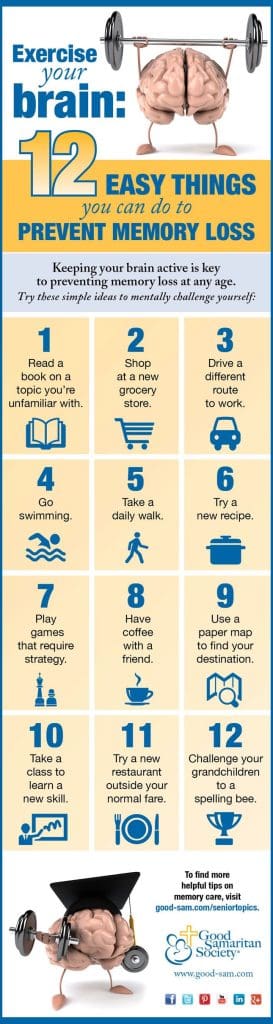
Continuously challenging your mind is essential for maintaining cognitive function and preventing memory loss. Engaging in activities that require mental effort helps improve memory, concentration, and problem-solving skills.
Practice memory exercises to keep your mind sharp. Simple activities like memorizing grocery lists, phone numbers, or playing memory games can help improve recall and strengthen your memory capacity.
Taking up new hobbies or interests is another great way to keep your mind active. Learning how to play a musical instrument, trying out a new recipe, or even taking a dance class can provide mental stimulation and promote brain health.
In conclusion, implementing these practical tips into your daily life can significantly contribute to preventing memory loss and maintaining cognitive health. Engage in mental stimulation, stay physically active, maintain a healthy diet, get sufficient quality sleep, manage stress levels, socialize and stay connected, protect your head, manage chronic conditions, limit alcohol consumption, and keep your mind active. By prioritizing these aspects of your life, you can nurture a healthy mind and support your overall well-being.