
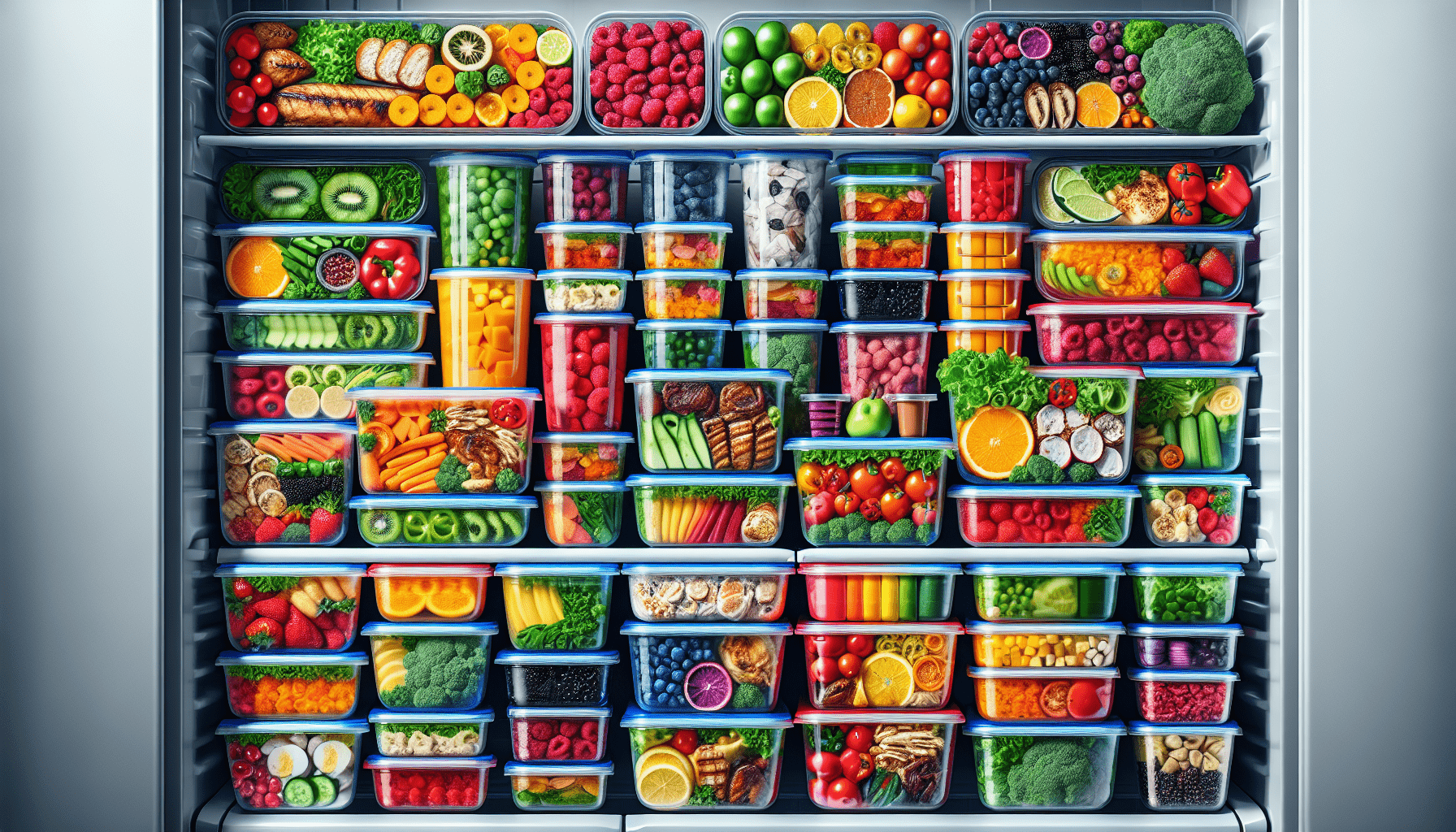
So, you’re ready to take control of your meals and start meal prepping like a pro? Look no further, because this beginner’s guide to meal prepping has got you covered. Whether you’re a busy professional, a student on a tight schedule, or simply looking to make healthy eating a breeze, meal prepping is the ultimate solution. In this guide, we’ll break down the basics of meal prepping, from planning and prepping to storing and reheating your meals. Get ready to save time, money, and stress while enjoying delicious and nutritious meals throughout the week. Let’s dive right in and become a meal prep master!
Benefits of Meal Prepping
Saves time
One of the key benefits of meal prepping is that it saves you time in the long run. By dedicating a few hours once a week to prepare and cook your meals in advance, you can save countless hours during the rest of the week. Instead of spending time every day figuring out what to cook and then preparing the ingredients, you can simply grab a pre-made meal from the fridge or freezer and have it ready to eat in minutes. This is especially convenient for those with busy schedules or demanding jobs, as it eliminates the need to spend time in the kitchen every day.
Saves money
In addition to saving time, meal prepping can also help you save money. By planning your meals in advance and buying ingredients in bulk, you can take advantage of sales and discounts, ultimately reducing your grocery bill. Additionally, when you have pre-made meals ready to go, you are less likely to rely on takeout or dining out, which can be expensive. Meal prepping allows you to have control over your food choices and save money in the process.
Promotes healthier eating habits
Meal prepping promotes healthier eating habits by allowing you to have complete control over your meals. When you plan and prepare your meals in advance, you can ensure that you are consuming a balanced diet with the right portions of fruits, vegetables, proteins, and carbohydrates. This eliminates the temptation to opt for unhealthy convenience foods or takeout meals, as you already have nutritious meals readily available. Meal prepping puts you in the driver’s seat when it comes to your nutrition, making it easier to resist unhealthy temptations and stick to your health goals.
Essential Kitchen Equipment for Meal Prepping
Storage containers
Investing in a set of high-quality storage containers is essential for successful meal prepping. These containers should be durable, leak-proof, and microwave-safe, allowing you to store and reheat your meals with ease. Look for containers of different sizes to accommodate various portion sizes and types of food. Glass containers are a popular choice as they are eco-friendly, easy to clean, and are not prone to absorbing odors or stains.
Meal prep containers
Meal prep containers are specifically designed to make the meal prepping process more efficient. These containers often have multiple compartments, allowing you to separate different components of your meal. For example, you can have one compartment for the protein, one for vegetables, and another for grains or carbohydrates. This not only helps with portion control but also keeps your food fresh and prevents any flavors from mixing together. Meal prep containers come in a variety of materials, including plastic and glass, so choose the one that suits your preferences and needs.
Cutting boards
Having a few sturdy cutting boards is essential for meal prepping. Look for cutting boards made of materials like bamboo or plastic that are easy to clean and won’t dull your knives. Having multiple cutting boards allows you to avoid cross-contamination when preparing different types of ingredients. Designating specific cutting boards for meat, vegetables, and fruits helps prevent the spread of bacteria and ensures food safety.
Knives
Investing in a set of good quality knives is crucial for efficient meal prepping. Having a sharp, reliable knife makes chopping, slicing, and dicing ingredients a breeze. Look for a chef’s knife, a paring knife, and a serrated knife, as these are the basic essentials for most meal prep tasks. Remember to keep your knives sharpened regularly for optimal performance and safety.
Mixing bowls
Having a variety of mixing bowls in different sizes is essential for meal prepping. They are useful for marinating ingredients, tossing salads, mixing dressings, and combining ingredients for various recipes. Look for bowls made of durable materials like stainless steel or glass, as they are easy to clean and won’t retain odors or flavors.
Food scale
A food scale is a useful tool for precise portion control and tracking your macronutrients. It allows you to accurately measure ingredients and divide them into individual portions. This is especially important if you are following a specific dietary plan or trying to manage your calorie intake. Look for a digital food scale that is easy to read and has a tare function to weigh multiple ingredients in one bowl.
Meal Planning Basics
Set goals and objectives
Before diving into meal prepping, it’s important to set clear goals and objectives. Determine what you hope to achieve through meal prepping, whether it’s saving time, eating healthier, or reaching a specific fitness goal. By having a clear vision in mind, you can tailor your meal planning and prepping efforts accordingly.
Choose meals for the week
When meal planning, it’s helpful to choose the meals you want to prepare for the entire week. Consider your dietary preferences, any special dietary restrictions, and the ingredients you already have on hand. Aim for a variety of recipes to keep your meals interesting and enjoyable.
Make a shopping list
Once you have decided on your meals, make a comprehensive shopping list. Take into account all the ingredients needed for your chosen recipes, as well as any pantry staples or spices you may be running low on. Having a well-prepared shopping list can save you time and prevent impulse purchases at the grocery store.
Plan for leftovers
Meal prepping often involves cooking in larger batches to ensure you have enough food for multiple meals. Embrace the concept of leftovers and plan your meals accordingly. Designate specific days as “leftover days” or plan to incorporate leftovers into new dishes throughout the week. This not only reduces food waste but also saves you time and effort in the kitchen.
Consider dietary restrictions
If you or your family members have any dietary restrictions or allergies, make sure to consider them when planning your meals. Look for recipes that accommodate these restrictions or find suitable substitutions. There are plenty of resources available online for dietary-specific meal planning, so take advantage of those to ensure everyone’s needs are met.
Prepping and Cooking Tips
Prep ingredients in batches
One of the keys to successful meal prepping is efficiency. By prepping ingredients in batches, you can save time and streamline the cooking process. For example, instead of chopping onions for each individual meal, chop a large batch of onions all at once and store them in an airtight container in the fridge. This allows you to quickly grab prepped ingredients during cooking and speeds up the overall meal preparation time.
Cook in bulk
Cooking in bulk is another great time-saving strategy for meal prepping. Instead of cooking a single meal portion, make a larger batch that can be divided into individual servings. This is especially beneficial for recipes that freeze well, such as stews, soups, and casseroles. By cooking in bulk, you can make the most of your time and energy in the kitchen and have multiple meals ready to go.
Use versatile ingredients
Choosing versatile ingredients is a smart and efficient way to maximize the options for your meal prepping. Look for ingredients that can be used in multiple recipes or repurposed throughout the week. For example, grilled chicken can be used in salads, wraps, or stir-fries, giving you a variety of options for different meals. Opting for ingredients with multiple uses reduces waste and ensures you get the most out of your meal prepping efforts.
Optimize cooking techniques
Investing time in learning and optimizing cooking techniques can greatly improve your meal prepping experience. Familiarize yourself with time-saving methods such as one-pot cooking, slow cooking, or batch baking. These techniques allow you to cook multiple components of a meal simultaneously, reducing the overall preparation and cooking time. Additionally, learning proper knife skills can make chopping and slicing ingredients faster and more efficient.
Properly store prepped meals
Properly storing your prepped meals is crucial for maintaining their freshness and flavor. Ensure that your storage containers are airtight and leak-proof to prevent any spoilage or cross-contamination. Label each container with the name of the meal and the date it was prepared to help you keep track of freshness. Consider investing in a vacuum sealer for longer-term storage, as it can help keep your prepped meals fresh for an extended period.
Meal Prepping Recipes
Breakfast recipes
When it comes to breakfast, meal prepping can be a real game-changer. Prepare overnight oats by combining oats, milk, and your favorite toppings like fruits, nuts, or honey in a jar. Let it sit in the fridge overnight, and in the morning, you’ll have a delicious and nutritious breakfast ready to go. Egg muffins are another great option – simply beat eggs, add your preferred mix-ins like vegetables, cheese, or cooked bacon, and bake them in a muffin tin. These can be made in advance and reheated for a grab-and-go breakfast.
Lunch recipes
For lunches, consider prepping salads in mason jars. Layer your ingredients starting with dressing at the bottom, followed by proteins, grains, and vegetables. When you’re ready to eat, just shake the jar to evenly distribute the dressing and enjoy. Another popular option is to make a big batch of quinoa or couscous salad with a variety of vegetables, herbs, and dressings. Portion them out into individual containers for a quick and satisfying lunch.
Dinner recipes
Meal prepping can greatly simplify your dinner routine. Consider making large-batch recipes like casseroles, lasagnas, or stir-fries that can be divided into individual servings and frozen. By doing so, you’ll have a range of dinner options at your fingertips, all without the stress of cooking from scratch after a long day. Another idea is to marinate and pre-cook proteins like chicken, salmon, or tofu, and then freeze them individually. When it’s time for dinner, simply thaw, reheat, and pair with your favorite sides.
Snack recipes
Don’t overlook the importance of snacks when meal prepping. By having healthy snacks readily available, you can avoid reaching for less nutritious options. Granola bars, energy balls, and homemade trail mix are perfect snacks that can be prepped in advance and stored in portioned bags or containers. For a savory option, try making your own veggie or fruit chips by thinly slicing and baking vegetables or fruits at a low temperature until crispy.
Dessert recipes
Meal prepping can even extend to desserts. Fruit salads or yogurt parfaits with layers of fruits, yogurt, and granola are delicious and satisfying treats that can be made in advance. Another simple dessert idea is to make a batch of homemade cookies or energy bars and freeze them individually. This way, you can satisfy your sweet tooth without having to make sweets from scratch every time.
Meal Prepping for Different Dietary Needs
Vegetarian meal prepping
For vegetarian meal prepping, focus on incorporating a variety of plant-based proteins such as tofu, tempeh, beans, lentils, and chickpeas. Recipes like vegetarian chili, stuffed bell peppers, or vegetable curry can be made in bulk and freeze well. By exploring different cuisines and flavors, you can create exciting vegetarian meals that are both nutritious and satisfying.
Vegan meal prepping
Vegan meal prepping involves eliminating all animal products, including dairy, eggs, and honey. This may seem challenging at first, but there are endless possibilities when it comes to delicious vegan meal prep recipes. Consider making vegan burrito bowls with quinoa, beans, roasted vegetables, and avocado. You can also prepare vegan sushi rolls or hearty vegetable stews that can be portioned out for the week ahead.
Gluten-free meal prepping
For those with gluten sensitivities or Celiac disease, gluten-free meal prepping is essential. Focus on using naturally gluten-free grains like quinoa, rice, or oats in your meal prepping recipes. Chicken or vegetable stir-fries with gluten-free tamari sauce, roasted vegetable quinoa bowls, or gluten-free pasta salads are all tasty and safe options for gluten-free meal prepping.
Paleo meal prepping
The paleo diet emphasizes eating whole, unprocessed foods and avoiding grains, legumes, and dairy products. When meal prepping for a paleo diet, consider recipes that incorporate lean proteins, vegetables, and healthy fats. Examples include grilled chicken with roasted sweet potatoes and steamed broccoli, shrimp skewers with roasted vegetables, or a salad topped with grilled steak and avocado.
How to Shop and Save for Meal Prepping
Plan your meals before shopping
Before heading to the grocery store, make sure you have a clear meal plan in mind. This will prevent impulse purchases and ensure you stick to your budget. Take inventory of the ingredients you already have and make a detailed shopping list based on the meals you plan to prep. By planning your meals in advance, you can buy only what you need, avoiding unnecessary purchases.
Buy in bulk
Buying in bulk is a great way to save money when meal prepping. Look for bulk bins at your local grocery store or consider joining a warehouse club where you can purchase larger quantities at lower prices. Foods like grains, pasta, nuts, and dried fruits are perfect for buying in bulk, as they have a longer shelf life and are versatile for meal prepping.
Shop for sales and discounts
Keep an eye out for sales, discounts, and coupons when grocery shopping for your meal prepping. Check the weekly circulars of your local stores or sign up for their loyalty programs to stay informed about special promotions. Make a habit of buying items on sale that can be stored long-term, such as canned goods or frozen vegetables.
Utilize frozen fruits and vegetables
Frozen fruits and vegetables are a convenient and budget-friendly option for meal prepping. They are often more affordable than fresh produce and have a longer shelf life. Stock up on frozen fruits for smoothies, and frozen vegetables for stir-fries, soups, and roasting. They retain their nutritional value and are pre-washed and pre-cut, saving you time and effort in the kitchen.
Storing and Reheating Prepped Meals
Proper food storage
Proper food storage is crucial for maintaining the freshness and safety of your prepped meals. Invest in storage containers that are airtight and leak-proof to prevent any contamination or spoilage. When storing leftovers, divide them into individual portions and refrigerate or freeze them promptly. It’s important to follow food safety guidelines and consume refrigerated meals within a few days or freeze them for longer-term storage.
Reheating options
When it’s time to enjoy your prepped meals, you have several options for reheating. For refrigerated meals, you can reheat them in the microwave, oven, or stovetop depending on the type of food. For frozen meals, it’s best to thaw them in the refrigerator overnight before reheating. Make sure to follow proper reheating instructions to ensure the meals are heated thoroughly and reach a safe internal temperature.
Avoiding food spoilage
To prevent food spoilage, it’s important to pay attention to expiration dates, properly store perishable items, and practice good food hygiene. Rotate your ingredients and prepped meals, using the oldest ones first to minimize waste. If you notice any signs of spoilage such as mold, unusual odors, or a slimy texture, discard the food immediately to avoid foodborne illnesses.
Creating a Meal Prepping Schedule
Dedicate a specific time for prepping
To make meal prepping a consistent habit, dedicate a specific time each week for prepping your meals. This could be a few hours on a Sunday afternoon or any other day that works best for you. By setting aside a designated time, you can establish a routine and streamline the meal prepping process.
Choose a prep day
Choosing a specific day of the week as your meal prep day can help you stay organized and prepared. Consider the other commitments in your schedule and pick a day when you have the most time and energy to dedicate to meal prepping. Having a consistent prep day allows you to plan your meals, grocery shopping, and cooking accordingly.
Consider cooking and storage times
When creating your meal prepping schedule, consider the cooking and storage times of different ingredients and recipes. Some ingredients may require longer cooking times, while others may need to marinate overnight. Taking these factors into account will help you efficiently plan your meal prep schedule and ensure that everything is ready when you need it.
Overcoming Challenges and Maintaining Meal Prepping Habits
Start small and gradually increase
If you’re new to meal prepping, it’s important to start small and gradually increase your efforts. Trying to meal prep for every meal of the week right from the beginning can be overwhelming and unsustainable. Start by prepping a few meals or snacks and gradually add more recipes as you become more comfortable with the process. As with any new habit, consistency is key, and starting small allows you to build your meal prepping skills and routine over time.
Stay organized
Staying organized is essential for successful meal prepping. Keep your kitchen clean and decluttered, with all the necessary equipment and ingredients easily accessible. Plan your meals in advance, create shopping lists, and label your prepped meals to avoid confusion. Having clear systems and processes in place will help you stay on track and make meal prepping a seamless part of your routine.
Find support and inspiration
Finding support and inspiration is crucial for maintaining meal prepping habits. Join online communities or social media groups where you can connect with others who are also interested in meal prepping. Share ideas, recipes, and tips, and seek motivation when you need it. Additionally, follow food blogs, watch cooking shows, or invest in a meal prep cookbook to find new recipes and techniques that inspire you to continue your meal prepping journey.
Adapt and modify recipes
Meal prepping is all about customization and flexibility. Don’t be afraid to adapt and modify recipes based on your preferences, dietary needs, or the ingredients you have on hand. Experiment with different flavors, seasoning blends, or cooking methods to keep your meals exciting and enjoyable. Making the meals your own will prevent boredom and help you maintain your meal prepping habits in the long run.
Meal prepping is a game-changing approach to healthy eating and time management. With a bit of planning, the right equipment, and some culinary creativity, you can enjoy the benefits of quick, nutritious, and budget-friendly meals throughout the week. So, grab your storage containers, set aside some prep time, and embark on your meal prepping journey. Your future self will thank you for the delicious convenience and healthy choices you’ll have at your fingertips!