
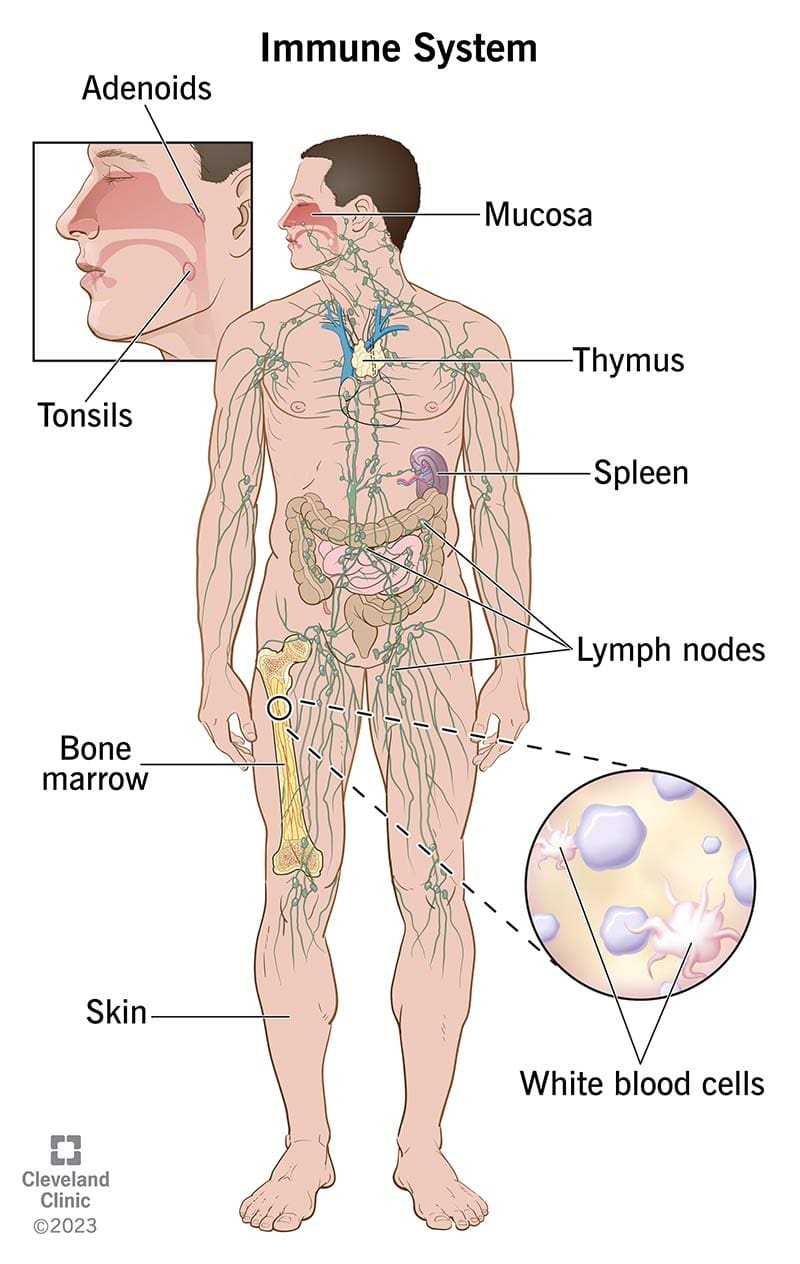
Are you searching for effective ways to strengthen your immune system? Look no further! In this article, we will explore the top ways you can boost your immune system through nutrition. Discover the power of incorporating nutrient-rich foods into your daily diet, and learn how they can enhance your body’s natural defense system. From vitamin C-packed fruits to immune-boosting herbs and spices, we have got you covered. Get ready to take charge of your health and unlock the potential of your immune system with these simple yet powerful nutritional tips.
Eat a Variety of Fruits and Vegetables
Include a variety of colorful fruits and vegetables in your diet
When it comes to boosting your immune system through nutrition, one of the key factors is to include a wide variety of fruits and vegetables in your diet. Different fruits and vegetables offer a range of nutrients, vitamins, and antioxidants that can help strengthen your immune system and protect against illnesses. Aim to consume fruits and vegetables of different colors, such as oranges, berries, leafy greens, and bell peppers, as each color represents a different group of beneficial compounds.
Choose fruits and vegetables high in vitamins A, C, and E
Vitamins A, C, and E are known for their immune-boosting properties, and incorporating fruits and vegetables rich in these vitamins will provide your body with the necessary nutrients to support a strong immune system. Vitamin A helps regulate the immune response, while vitamin C is known for its ability to enhance the function of various immune cells. Vitamin E, on the other hand, acts as a powerful antioxidant, protecting your immune cells from damage.
Some excellent sources of vitamin A include carrots, sweet potatoes, and spinach. For vitamin C, reach for citrus fruits like oranges and strawberries, as well as vegetables like broccoli and bell peppers. To incorporate vitamin E into your diet, opt for foods like almonds, sunflower seeds, and spinach.
Look for fruits and vegetables with high antioxidant content
Antioxidants play a crucial role in maintaining a strong and healthy immune system. They help protect your cells from damage caused by harmful molecules called free radicals. Fruits and vegetables rich in antioxidants can provide your body with the necessary protection and support to fight off infections and diseases. Blueberries, raspberries, kale, and red cabbage are all excellent choices that are packed with immune-boosting antioxidants.
Consume Adequate Protein
Include lean sources of protein in your meals
Protein is an essential nutrient that plays a crucial role in the functioning of your immune system. It helps build and repair tissues, produce antibodies, and support the growth and development of immune cells. Including lean sources of protein in your meals is a great way to ensure you’re getting an adequate amount of this vital nutrient. Opt for lean meats like chicken and turkey, and consider incorporating sources of protein like fish, eggs, and low-fat dairy products.
Consider plant-based protein options like beans, lentils, and tofu
If you follow a vegetarian or vegan diet, there are plenty of plant-based protein options that can provide you with the necessary nutrients to support your immune system. Beans, lentils, and tofu are all excellent choices that are rich in protein and can easily be incorporated into a variety of dishes. They also offer other beneficial nutrients, such as fiber and antioxidants, which further support overall health and immune function.
Include sufficient protein in your snacks as well
Don’t forget to include protein in your snacks as well. Many people tend to reach for quick, carbohydrate-based snacks, but incorporating protein-rich options can help maintain stable energy levels and support immune health. Snack on a handful of almonds or walnuts, enjoy a Greek yogurt with fresh fruits, or try a slice of turkey or chicken breast with whole wheat crackers.
Incorporate Probiotics and Fermented Foods
Include foods like yogurt, kefir, and sauerkraut in your diet
Probiotics are beneficial bacteria that can help enhance your immune system by improving gut health. Gut health plays a significant role in immune function, as approximately 70% of the immune system is located in the gut. Including probiotic-rich foods in your diet can help maintain a healthy balance of gut bacteria and support the proper functioning of your immune system. Yogurt, kefir, and sauerkraut are all good sources of probiotics that can easily be incorporated into your daily meals or snacks.
Look for products with live and active cultures
When choosing probiotic foods, it is important to look for products that specifically mention “live and active cultures” on the label. This ensures that the beneficial bacteria are still alive and active in the product, providing maximum health benefits. Read food labels carefully and opt for yogurt or other fermented products that contain these live cultures.
Consider taking a probiotic supplement if needed
If you find it challenging to incorporate enough probiotic-rich foods into your diet, or if you have specific gut health concerns, consider taking a probiotic supplement. Probiotic supplements are available in various formulations and can provide a concentrated dose of beneficial bacteria to support your immune system. However, it is essential to consult with a healthcare professional before starting any new supplements to determine the right option for you.
Get Enough Vitamin D
Expose yourself to sunlight for at least 15 minutes a day
Vitamin D is crucial for a properly functioning immune system, and spending time in the sun is one of the best ways to ensure you’re getting enough of this essential vitamin. Exposing your skin to sunlight for at least 15 minutes a day allows your body to produce vitamin D naturally. However, it is important to protect your skin from harmful UV rays by applying sunscreen after the initial exposure time.
Include vitamin D rich foods like fatty fish, fortified milk, and eggs
In addition to sunlight, incorporating vitamin D-rich foods into your diet can help support your immune system. Fatty fish, such as salmon, mackerel, and sardines, are excellent sources of vitamin D. Fortified milk, dairy products, and plant-based milk alternatives are also good options. Additionally, eggs, specifically the yolks, contain vitamin D, making them an easy and accessible source of this essential nutrient.
Consider taking a vitamin D supplement if necessary
If you live in a region with limited sun exposure or have difficulty obtaining enough vitamin D from food sources alone, considering a vitamin D supplement may be beneficial. It is crucial to consult with a healthcare professional before starting any new supplements to determine the appropriate dosage and ensure it aligns with your specific needs.
Stay Hydrated
Drink plenty of water throughout the day
Proper hydration is essential for overall health, including immune function. Water helps carry nutrients to cells, flush out toxins, and support the proper functioning of various bodily systems. Make a conscious effort to drink plenty of water throughout the day, aiming for at least eight cups or 64 ounces. This can help support your body’s ability to fight off infections and maintain optimal health.
Include hydrating foods like watermelon, cucumber, and oranges
In addition to drinking water, incorporating hydrating foods into your diet can contribute to your overall hydration levels. Foods like watermelon, cucumber, oranges, and other juicy fruits and vegetables have high water content, which can help you stay hydrated throughout the day while providing essential nutrients and antioxidants. Snack on these hydrating options during the day to support both your hydration and immune system.
Avoid excessive consumption of sugary beverages
While it is essential to stay hydrated, it is equally important to choose the right beverages. Avoid excessive consumption of sugary beverages, such as sodas, energy drinks, and fruit juices with added sugars. These drinks can have a negative impact on your immune system and overall health. Instead, opt for water, herbal teas, or infused water with fresh fruits and herbs for added flavor.
Include Healthy Fats in Your Diet
Choose sources of healthy fats like avocados, nuts, and olive oil
Healthy fats play a crucial role in supporting your immune system and overall health. Incorporating sources of healthy fats into your diet can help reduce inflammation, enhance nutrient absorption, and support the proper functioning of your immune system. Opt for foods like avocados, nuts and seeds, and olive oil, which are all excellent sources of monounsaturated fats. These fats can have a positive impact on cholesterol levels and reduce the risk of heart disease.
Include omega-3 fatty acids from sources like fatty fish and chia seeds
Omega-3 fatty acids are a specific type of healthy fat that has been shown to have numerous health benefits, including enhancing immune function. Fatty fish like salmon, trout, and sardines are excellent sources of omega-3 fatty acids. If you follow a vegetarian or vegan diet, consider incorporating plant-based sources of omega-3s, such as chia seeds, flaxseeds, and walnuts. These foods not only provide healthy fats but also offer additional nutrients and antioxidants.
Avoid excessive intake of saturated and trans fats
While healthy fats are beneficial, it is important to be mindful of your overall fat intake. Avoid excessive intake of saturated and trans fats, as these types of fats can have a negative impact on your health and weaken your immune system. Limit your consumption of foods like red meat, full-fat dairy products, and processed snacks that contain high levels of saturated and trans fats. Opt for healthier alternatives whenever possible.
Limit Added Sugars and Processed Foods
Minimize consumption of sugary snacks, sodas, and processed foods
When it comes to boosting your immune system and overall health, it is essential to limit your consumption of added sugars and processed foods. These types of foods offer little nutritional value and can have a negative impact on your immune system and increase inflammation in the body. Minimize your intake of sugary snacks, sodas, and processed foods high in unhealthy fats and added sugars.
Read food labels to identify hidden sources of added sugars
One way to avoid excessive consumption of added sugars is to read food labels carefully. Many processed foods contain hidden sources of added sugars, even if they don’t taste particularly sweet. Look for ingredients like high fructose corn syrup, dextrose, sucrose, and maltose on food labels. Opt for whole, unprocessed foods whenever possible and choose natural sweeteners like honey or maple syrup instead of refined sugars.
Opt for whole, unprocessed foods whenever possible
To support your immune system and overall health, opt for whole, unprocessed foods whenever possible. These foods are typically rich in essential nutrients, vitamins, and minerals and offer the greatest benefits to your immune system. Choose fresh fruits and vegetables, whole grains, lean proteins, and healthy fats. By focusing on whole foods, you can ensure that your body is receiving the necessary nutrients without the negative effects of processed foods.
Stay Well-Hydrated
Ensure you’re getting enough sleep each night
While nutrition plays a significant role in boosting your immune system, other lifestyle factors are equally important. Getting enough sleep is crucial for supporting a strong immune system. Aim for seven to nine hours of quality sleep each night to allow your body to rest and repair itself. Lack of sleep can weaken your immune response and make you more susceptible to illnesses.
Practice stress-reducing techniques
Stress can have a negative impact on your immune system. Incorporating stress-reducing techniques into your daily routine can help support your immune system and overall well-being. Consider practices like meditation, deep breathing exercises, yoga, or engaging in activities that you enjoy, such as reading or spending time in nature. Find what works best for you to reduce stress and make it a regular part of your routine.
Engage in regular physical activity
Regular physical activity is essential for maintaining a strong immune system and overall health. Engaging in moderate-intensity exercises like brisk walking, jogging, cycling, or swimming can help improve the circulation of immune cells, reduce inflammation, and enhance your overall immune response. Aim for at least 150 minutes of moderate-intensity exercise per week, or 75 minutes of vigorous-intensity exercise.
Consider Supplements
Consult with a healthcare professional before starting any supplements
While a well-balanced diet should provide you with most of the necessary nutrients to support your immune system, there may be instances where supplements can be beneficial. However, it is crucial to consult with a healthcare professional or registered dietitian before starting any new supplements. They can assess your individual needs, identify any deficiencies, and recommend appropriate dosages and supplements that are safe and effective for you.
Consider supplements like vitamin C, zinc, and echinacea
Some supplements are commonly known for their immune-boosting properties. Vitamin C is a powerful antioxidant that can support your immune system. Zinc plays a crucial role in immune function, and deficiencies can weaken your immune response. Echinacea is an herb that has been traditionally used to support the immune system. These supplements may be beneficial, especially during specific situations like cold and flu season, but it is important to discuss the appropriate dosage and duration with a healthcare professional.
Choose high-quality supplements from reputable brands
When considering supplements, it is essential to choose high-quality products from reputable brands. The supplement industry is not heavily regulated, and there can be significant variability in quality and effectiveness among different brands. Look for supplements that have undergone third-party testing, and choose products from reputable manufacturers. This can help ensure you’re getting supplements that are safe, reliable, and free from contaminants.
Practice Good Food Safety
Wash your hands before handling food
Practicing good food safety is crucial to prevent foodborne illnesses and protect your immune system. One of the first steps is to wash your hands thoroughly with soap and water before handling any food. This helps remove any harmful bacteria or germs that can contaminate your food and lead to illness.
Cook meat and poultry thoroughly
When preparing meat and poultry, it is essential to cook them thoroughly to kill any harmful bacteria that may be present. Use a food thermometer to ensure that the internal temperature reaches a safe level. Different types of meat have different recommended cooking temperatures, so it is important to be aware of these guidelines to prevent any foodborne illnesses.
Store and handle food properly to prevent foodborne illnesses
Proper storage and handling of food can minimize the risk of foodborne illnesses. Refrigerate perishable foods promptly, and ensure that your refrigerator is set at the appropriate temperature. Separate raw meats from other foods to avoid cross-contamination. Additionally, be mindful of expiration dates on food products and discard any items that are past their expiry date.
By following these guidelines for good food safety, you can reduce the risk of foodborne illnesses and keep your immune system strong and healthy.
In conclusion, boosting your immune system through nutrition is crucial for maintaining optimal health and defending against illnesses. By incorporating a variety of fruits and vegetables high in vitamins and antioxidants, consuming adequate protein from lean sources, including probiotics and fermented foods, getting enough vitamin D, staying hydrated, including healthy fats in your diet, limiting added sugars and processed foods, practicing good food safety, and considering supplements under professional guidance, you can support your immune system and enhance your overall well-being. Remember to prioritize a healthy lifestyle by getting enough sleep, managing stress, engaging in regular physical activity, and making mindful choices in your daily nutrition.