
Are you looking to incorporate more vegetables into your diet but not sure where to start? Look no further! This beginner’s guide has got you covered. In this article, we will explore simple and practical tips to help you add more vegetables to your meals, whether you are a veggie enthusiast or just starting your journey towards a healthier lifestyle. From easy swaps to creative recipe ideas, we’ve got all the inspiration you need to make vegetables a delicious and satisfying part of your daily diet. So, let’s get started on this exciting adventure of boosting your veggie intake and reaping the incredible health benefits that come with it!
Understanding the Benefits of Adding More Vegetables
Improves overall health
Adding more vegetables to your diet has numerous benefits for your overall health. Vegetables are packed with essential vitamins, minerals, and antioxidants that help support your body’s natural functions. They can help reduce the risk of chronic diseases such as heart disease, stroke, and certain types of cancer. Incorporating a variety of vegetables into your meals can contribute to a well-balanced and nutritious diet, ultimately improving your overall health.
Boosts immune system
Vegetables play a crucial role in strengthening your immune system. They are rich in vitamins A, C, and E, as well as other antioxidants, which can enhance your body’s ability to fight off infections and illnesses. By consuming a wide array of colorful vegetables, you can provide your body with the necessary nutrients to boost your immune system and keep you feeling healthy and energetic.
Helps in weight management
If you are looking to manage your weight, adding more vegetables to your meals can be highly beneficial. Vegetables are generally low in calories and high in fiber, providing a feeling of fullness without adding excess calories. By filling your plate with vegetables, you can reduce your consumption of higher calorie foods while still feeling satisfied. This can help you maintain a healthy weight or even support weight loss efforts.
Packed with essential nutrients
Vegetables are a fantastic source of essential nutrients that are vital for your body’s functions. They are rich in vitamins, minerals, and dietary fiber, all of which are necessary for optimal health. Leafy greens like spinach and kale are particularly nutrient-dense, providing a wide range of vitamins and minerals. By incorporating a variety of vegetables into your diet, you can ensure that you are receiving a diverse array of essential nutrients to support your overall well-being.
Provides dietary fiber
Dietary fiber is a crucial component of a healthy diet, and vegetables are an excellent source of this important nutrient. Fiber helps regulate digestion, promotes bowel regularity, and can contribute to a lower risk of developing conditions such as heart disease, type 2 diabetes, and certain types of cancer. By including more vegetables in your meals, you can increase your fiber intake and support your digestive health.
Identifying Vegetable Options
Leafy greens (e.g., spinach, kale)
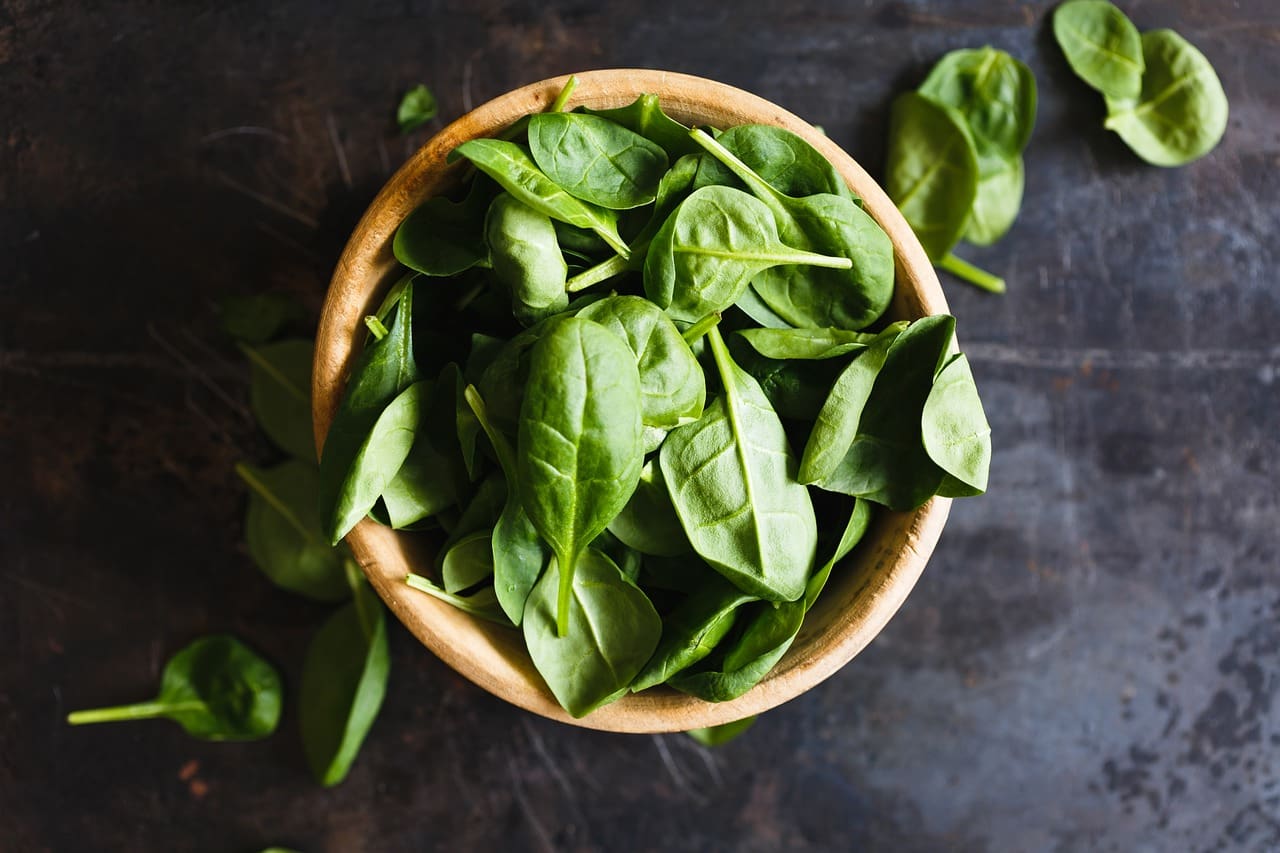
Leafy greens, such as spinach and kale, are highly nutritious and versatile vegetables. They are packed with vitamins A, C, and K, as well as minerals like iron and calcium. Incorporating leafy greens into your meals can be as simple as adding them to salads and sandwiches or sautéing them as a side dish. They can also be blended into smoothies for a nutrient-packed boost.
Cruciferous vegetables (e.g., broccoli, cauliflower)
Cruciferous vegetables, including broccoli and cauliflower, are excellent additions to a well-balanced diet. They are rich in vitamins C and K, as well as fiber and antioxidants. These vegetables can be enjoyed steamed, roasted, or even added to stir-fries and soups. Experimenting with different cooking methods will help you find the preparation that suits your taste buds the best.
Root vegetables (e.g., carrots, potatoes)
Root vegetables, such as carrots and potatoes, offer a delicious and nutritious addition to your meals. They are a great source of vitamins A and C, as well as carbohydrates and fiber. Root vegetables can be roasted, mashed, or used in stews and soups to add flavor and texture. The versatility of these vegetables allows for a wide range of culinary possibilities.
Colorful vegetables (e.g., bell peppers, tomatoes)
Colorful vegetables, like bell peppers and tomatoes, not only add vibrancy to your plate but also provide an array of health benefits. They are loaded with vitamins A and C, as well as antioxidants. These vegetables can be enjoyed raw in salads, roasted for a sweet caramelized flavor, or even grilled for added smokiness. Their versatility allows for endless options in your meals.
Legumes (e.g., chickpeas, lentils)
Legumes, including chickpeas and lentils, are not only a vegetable but also an excellent source of plant-based protein. They are packed with fiber, vitamins, and minerals, making them a nutritious addition to any meal. Legumes can be used in salads, soups, stews, or even mashed to create spreads and dips. Exploring different legume-based recipes will introduce you to new flavors and textures while improving your overall nutrition.
Finding Ways to Incorporate Vegetables into Meals
Create delicious salads
Salads are a fantastic way to incorporate a variety of vegetables into your meals. Start with a base of leafy greens and add an assortment of colorful vegetables, such as bell peppers, cherry tomatoes, and cucumbers. You can also include protein-rich ingredients like grilled chicken or tofu for a satisfying meal. Experiment with different dressings and toppings to enhance the flavor and make your salads an enjoyable and nutritious option.
Make vegetable-based soups
Vegetable-based soups are not only comforting but also a great way to increase your vegetable intake. Choose a selection of vegetables such as carrots, celery, onions, and zucchini, and simmer them in a flavorful broth. You can blend the soup for a smooth consistency or leave it chunky for added texture. Adding herbs and spices will elevate the taste, making it a delicious and nutritious meal option.
Explore stir-fry recipes
Stir-frying vegetables is a quick and easy way to incorporate them into your meals. Heat a small amount of oil in a pan, add your favorite vegetables, and cook them over high heat until they are tender-crisp. You can combine different vegetables like broccoli, bell peppers, and snow peas, and add protein sources like tofu, shrimp, or chicken. Season with soy sauce or other stir-fry sauces for a flavorful and healthy dish.
Experiment with vegetable gratins or casseroles
Vegetable gratins and casseroles are delicious ways to enjoy a variety of vegetables. Layer your choice of vegetables, such as sliced potatoes, zucchini, or eggplant, and top them with a creamy sauce, cheese, or breadcrumbs. Bake the dish until the vegetables are tender and the topping is golden and crispy. These hearty dishes can be served as a main course or as a side dish to complement your meal.
Blend vegetables into smoothies or juices
If you’re looking for a creative way to add vegetables to your diet, consider blending them into smoothies or juices. Leafy greens like spinach or kale can easily be blended with fruits like bananas or berries for a sweet and nutritious drink. You can also juice vegetables like carrots, cucumbers, and beets for a refreshing and vitamin-packed beverage. Experimenting with different combinations will help you find your favorite vegetable-infused drink.
Planning and Preparing Meals
Plan meals in advance
Planning your meals in advance can help ensure that you include vegetables in every meal. Take some time to create a weekly meal plan, considering the vegetables you want to incorporate and the dishes you’d like to try. This allows you to be intentional about your vegetable consumption and helps you avoid last-minute unhealthy food choices.
Include vegetables in every meal
To ensure you’re consuming an adequate amount of vegetables, make it a goal to include them in every meal. For breakfast, add vegetables to omelets or breakfast bowls. At lunch, incorporate vegetables into salads, wraps, or sandwiches. Finally, for dinner, make vegetables the star of the meal by including them as a side dish or incorporating them into main courses.
Try batch cooking for convenience
If you find it challenging to prepare meals with vegetables on a daily basis, consider batch cooking. Set aside a specific time each week to prepare larger quantities of vegetable-based dishes that can be stored and enjoyed throughout the week. This saves time and ensures you have a variety of healthy meals readily available, even on your busiest days.
Prep vegetables ahead of time
Prepping vegetables ahead of time can make cooking more convenient and encourage you to include them in your meals. Wash, chop, and store vegetables in the refrigerator, ensuring they are readily available when you’re ready to cook. Prepping vegetables in advance saves time and removes the barrier of having to chop them when you’re short on time.
Store vegetables properly
Properly storing vegetables is crucial to keep them fresh and maintain their nutritional value. Most vegetables can be stored in the refrigerator crisper drawer, but make sure to separate ethylene-producing vegetables such as apples from ethylene-sensitive vegetables. Leafy greens can be stored in a sealed container with a damp paper towel to maintain crispness. Storing vegetables properly ensures you have fresh and high-quality produce to incorporate into your meals.
Gradually Increase Vegetable Consumption
Start with one extra serving per day
If you’re new to incorporating more vegetables into your diet, start by adding one extra serving per day. This could be as simple as having a side salad with your lunch or adding an extra handful of vegetables to your stir-fry. Gradually increasing your vegetable intake allows your taste buds to adjust and makes the transition easier.
Gradually increase variety and quantity
As you become more comfortable with including vegetables in your meals, aim to increase not only the quantity but also the variety of vegetables you consume. Experiment with new vegetables you haven’t tried before and include a colorful assortment to ensure you’re obtaining a broad range of nutrients.
Explore new recipes and cooking methods
To keep things interesting and prevent monotony, explore new recipes and cooking methods for vegetables. Look for inspiration online, in cookbooks, or from friends and family. Trying out different recipes and cooking techniques will introduce you to new flavors and textures, making your vegetable-filled meals more exciting.
Experiment with different seasoning and spices
Seasoning and spices can transform the flavor of vegetables and make them more appealing. Experiment with different combinations of herbs, spices, and condiments to enhance the taste of your vegetables. Whether it’s a sprinkle of garlic powder, a dash of cumin, or a squeeze of lemon juice, adding flavor to your vegetables can make them more enjoyable and increase your willingness to consume them.
Set achievable goals
Setting achievable goals is essential when it comes to increasing vegetable consumption. Start with small, attainable goals and gradually work your way up. For example, commit to having a serving of vegetables with dinner every night for a week. Once you’ve successfully achieved this goal, set a new one that challenges you but remains realistic. Setting achievable goals helps create a sense of accomplishment and motivation to continue incorporating more vegetables into your diet.
Making Vegetables Snack-Friendly
Prepare vegetable sticks with dips or hummus
Making vegetable sticks is a quick and easy snack option that allows you to enjoy vegetables on the go. Cut raw vegetables like carrot sticks, celery sticks, or bell pepper strips and pair them with dips or hummus for added flavor. This snack not only provides a satisfying crunch but also offers a nutritious alternative to processed snacks.
Create vegetable-based snack packs
Indulge in the convenience of pre-packaged snack packs filled with bite-sized vegetables. These convenient packs are readily available in grocery stores and often contain a variety of vegetables like cherry tomatoes, snap peas, and baby carrots. They make for a healthy and satisfying snack option, perfect for when you’re on the move.
Make vegetable chips or crisps
Craving something crispy and savory? Make your own vegetable chips or crisps. Thinly slice vegetables like zucchini, sweet potatoes, or kale and bake them until they turn into crunchy slices. Season them with herbs, spices, or a sprinkle of salt for added flavor. Vegetable chips are a wholesome alternative to potato chips and can satisfy your snack cravings without the guilt.
Try roasted vegetable snacks
Roasting vegetables can bring out their natural sweetness and create a delightful snack option. Toss vegetables like cauliflower florets, Brussels sprouts, or butternut squash with olive oil, salt, and pepper, then roast them in the oven until they are golden and crispy. Roasted vegetable snacks are versatile, flavorful, and make for an easy and healthy snack on the go.
Make vegetable-based spreads or dips
Expand your horizons beyond traditional spreads and dips by incorporating vegetables into the mix. Blend roasted red peppers, eggplant, or chickpeas to create flavorful vegetable-based spreads or dips. These can be enjoyed with whole-grain crackers, pita bread, or as a spread on sandwiches. Vegetable-based spreads and dips offer a burst of flavor and are a great alternative to less healthy options.

Getting Creative with Vegetable Substitutes
Use zucchini or spaghetti squash as pasta alternatives
If you’re looking to reduce your carbohydrate intake or add more vegetables to your meals, consider using zucchini or spaghetti squash as pasta alternatives. Using a spiralizer or a julienne peeler, create long, thin strands of zucchini or spaghetti squash that resemble noodles. These vegetable “noodles” can be cooked and topped with your favorite sauce for a lighter and more nutrient-dense pasta dish.
Replace rice with cauliflower rice
Cauliflower rice is a versatile and low-carb alternative to traditional rice. Simply grate or pulse cauliflower florets in a food processor until they resemble rice grains. Cook the cauliflower rice in a pan with a small amount of oil or steam it until tender. Use cauliflower rice as a base for stir-fries, curries, or as a side dish to reduce carbohydrate intake and increase vegetable consumption.
Try lettuce wraps instead of tortillas or bread
If you’re looking to reduce your carbohydrate intake or add more vegetables to your meals, lettuce wraps are a delicious alternative to tortillas or bread. Use large, sturdy lettuce leaves such as romaine or iceberg and fill them with your favorite ingredients like grilled chicken, tofu, or vegetables. Lettuce wraps offer a refreshing and crunchy texture while allowing you to enjoy your favorite fillings in a lower-calorie and vegetable-rich form.
Use mushroom caps as burger buns
For a unique twist on traditional burgers, swap out the buns for mushroom caps. Portobello mushrooms are the perfect size and texture to serve as a bun substitute. Grill or bake the mushroom caps until they are tender, then fill them with your favorite burger fixings. Mushroom cap buns add a savory flavor and juiciness to your burger, while also reducing calorie intake and increasing vegetable consumption.
Make veggie burgers or meatless meatballs
Vegetarian or meatless burgers and meatballs offer an excellent opportunity to incorporate more vegetables into your diet. Use combinations of vegetables, legumes, grains, and spices to create delicious patties or balls. Experiment with different recipes and ingredients to find your favorite flavor profiles. Veggie burgers and meatless meatballs are a flavorful and satisfying alternative to traditional meat-based options.
Educating Yourself on Proper Cooking Techniques
Learn different methods of vegetable preparation
Learning various methods of vegetable preparation will expand your cooking repertoire and enable you to enjoy vegetables in different forms. Apart from steaming and boiling, try roasting, sautéing, grilling, or even eating vegetables raw. Each method offers a unique texture and flavor profile, making vegetables more exciting and enjoyable.
Avoid overcooking to retain nutrients
To maximize the nutritional value of vegetables, it’s important to avoid overcooking them. Overcooking can lead to the loss of essential nutrients. Cook vegetables until they are tender-crisp, meaning they are cooked but still retain a slight crunch. Keep an eye on the cooking time and taste them regularly to ensure they maintain their desired texture and nutritional benefits.
Consider steaming, sautéing, or roasting vegetables
Steaming, sautéing, and roasting are three popular cooking methods that help preserve the flavor, color, and nutrients of vegetables. Steaming involves cooking vegetables over boiling water until they are tender. Sautéing entails quickly cooking vegetables in a small amount of oil or butter over high heat. Roasting involves baking vegetables in the oven with oil or spices until they become golden and caramelized. These methods offer delicious and nutritious ways to enjoy vegetables.
Experiment with grilling or broiling
Grilling and broiling are excellent methods for imparting a smoky flavor to your vegetables. Place vegetables directly on a grill or under the broiler until they become slightly charred and tender. Grilled or broiled vegetables offer a unique taste experience and pair well with a wide variety of dishes. They can be enjoyed as a side dish or used as a base for salads, wraps, or sandwiches.
Discover the benefits of raw or lightly cooked vegetables
While cooking vegetables can enhance their flavors, you can also enjoy the benefits of raw or lightly cooked vegetables. Eating vegetables in their raw form helps retain their crisp texture and essential nutrients. Try including a variety of raw vegetables in salads, wraps, or as part of a crudités platter. Lightly cooking vegetables, such as blanching or steaming, can help soften them slightly while still maintaining their nutritional value.
Overcoming Barriers and Mindset Shift
Identify personal barriers to vegetable consumption
Identifying personal barriers to vegetable consumption can help you overcome challenges and make positive changes. Some common barriers may include a dislike for certain vegetables, limited cooking skills, a lack of time, or convenience foods being more readily available. By recognizing these barriers, you can find alternative solutions and strategies to incorporate more vegetables into your meals.
Adopt a positive mindset towards vegetables
A positive mindset towards vegetables is crucial for developing a healthy relationship with healthier food choices. Instead of viewing vegetables as bland or boring, try to see them as delicious and exciting ingredients that add color, flavor, and texture to your meals. Focus on their nutritional benefits and the positive impact they can have on your overall health and well-being.
Be open to trying new flavors and textures
To fully embrace the world of vegetables, be open to trying new flavors and textures. Challenge yourself to explore different types of vegetables that you haven’t tried before. Visit farmer’s markets or specialty grocery stores to discover unique and seasonal options. By expanding your repertoire and being adventurous, you’ll not only enjoy a wider variety of vegetables but also add excitement to your meals.
Don’t be discouraged by initial dislikes
If you’ve had negative experiences or dislikes for certain vegetables in the past, don’t let that discourage you from trying them again. Our taste preferences can change over time, and what may have been unappealing before could become a favorite now. Experiment with different cooking methods, seasonings, and combinations to find new ways to enjoy vegetables that you may have previously disliked.
Focus on the long-term health benefits
When incorporating more vegetables into your diet, keep in mind the long-term health benefits they provide. Regularly consuming vegetables can help reduce the risk of chronic diseases, improve digestion, support weight management, and boost overall well-being. By focusing on the positive impact vegetables have on your health, you’ll be motivated to make them an integral part of your daily meals.
Seeking Inspiration from Online Resources
Follow healthy cooking blogs or websites
There is an abundance of healthy cooking blogs and websites that offer a wealth of information, tips, and recipes to help you incorporate more vegetables into your diet. Explore popular websites and follow blogs that provide inspiration, practical cooking techniques, and creative ideas for incorporating vegetables into your meals.
Explore vegetable-focused recipe websites
Dedicated vegetable-focused recipe websites can be an excellent resource for finding new and innovative ways to enjoy vegetables. These websites often feature a vast collection of recipes that showcase vegetables as the star ingredient or offer creative ways to incorporate them into various dishes. Explore these websites for ideas and inspiration to make your vegetable-filled meals exciting and delicious.
Join online communities or forums
Joining online communities or forums centered around healthy eating can provide a supportive environment where you can share your experiences, ask questions, and learn from others. Engaging with like-minded individuals can inspire you to try new vegetable-rich recipes, share cooking tips, and exchange ideas on how to incorporate more vegetables into your daily meals.
Watch cooking and recipe videos
Cooking and recipe videos have become increasingly popular and can be a valuable resource for learning new techniques and gathering inspiration. Browse through various platforms, such as YouTube or cooking websites, to find videos that showcase different ways to prepare and enjoy vegetables. Visual demonstrations can be especially helpful in learning new cooking methods and improving your kitchen skills.
Find vegetable-based meal plans or challenges
For a structured approach to incorporating more vegetables into your diet, search for vegetable-based meal plans or challenges. These resources provide a predetermined set of meals and recipes that focus on vegetables, ensuring you have a variety of options to include in your daily meals. Following a meal plan or challenge can help keep you accountable and motivated on your journey to increasing vegetable consumption.
Incorporating more vegetables into your diet can have a profound impact on your health and well-being. From improving overall health and boosting the immune system to providing essential nutrients and dietary fiber, vegetables offer a wide range of benefits. By identifying different vegetable options, finding creative ways to incorporate them into meals, planning and preparing your meals in advance, gradually increasing vegetable consumption, making vegetables snack-friendly, getting creative with vegetable substitutes, educating yourself on proper cooking techniques, overcoming barriers and adopting a positive mindset, and seeking inspiration from online resources, you can successfully add more vegetables to your diet and enjoy the numerous benefits they provide. So, don’t hesitate to start incorporating more vegetables into your meals today and reap the rewards of a nutritious and diverse diet!