
Are you looking to adopt a low-carb lifestyle but not sure where to start? Look no further! In this article, you will discover the top ways to meal plan for a low-carb lifestyle. From simple swaps to creative recipes, we’ve got you covered. Say goodbye to the guessing game of what to eat and hello to delicious and nourishing meals that will keep you on track with your low-carb goals. Get ready to transform your eating habits and feel your best with these practical and effective meal planning strategies.
1. Understand the low-carb lifestyle
Learn about the benefits and principles of a low-carb diet
To effectively embrace a low-carb lifestyle, it is crucial to understand both the benefits and principles behind this dietary choice. By reducing your intake of carbohydrates, the body turns to burning stored fat for energy, leading to weight loss. Additionally, a low-carb diet has been shown to improve blood sugar control, reduce cravings, and promote a healthier metabolism. Educate yourself on these advantages to stay motivated and committed to your low-carb journey.
Understand the impact of carbohydrates on the body
Carbohydrates are the primary source of energy for our bodies. However, not all carbohydrates are created equal. Highly processed and refined carbs, such as sugar and white flour, can cause blood sugar spikes and crashes, leading to energy fluctuations and cravings. On the other hand, complex carbs found in vegetables, fruits, and whole grains provide essential nutrients and fiber. By limiting your intake of simple carbs and opting for healthier alternatives, you can maintain stable energy levels and support your overall health.
2. Set your low-carb goals
Determine your reasons for choosing a low-carb lifestyle
Every individual has their unique motivations for embracing a low-carb lifestyle. Take some time to reflect on your personal reasons for making this dietary change. Whether it’s weight loss, improved health, or better blood sugar control, identifying your goals will help you stay focused and committed throughout your journey.
Define specific goals, such as weight loss or improved health
Once you have determined your overarching reasons for choosing a low-carb lifestyle, it is important to define specific goals. These goals can include a target weight you want to achieve, improved blood sugar levels, or reduced risk factors for certain health conditions. By setting clear objectives, you can track your progress and celebrate milestones along the way.
3. Create a low-carb pantry
Stock up on low-carb staple ingredients
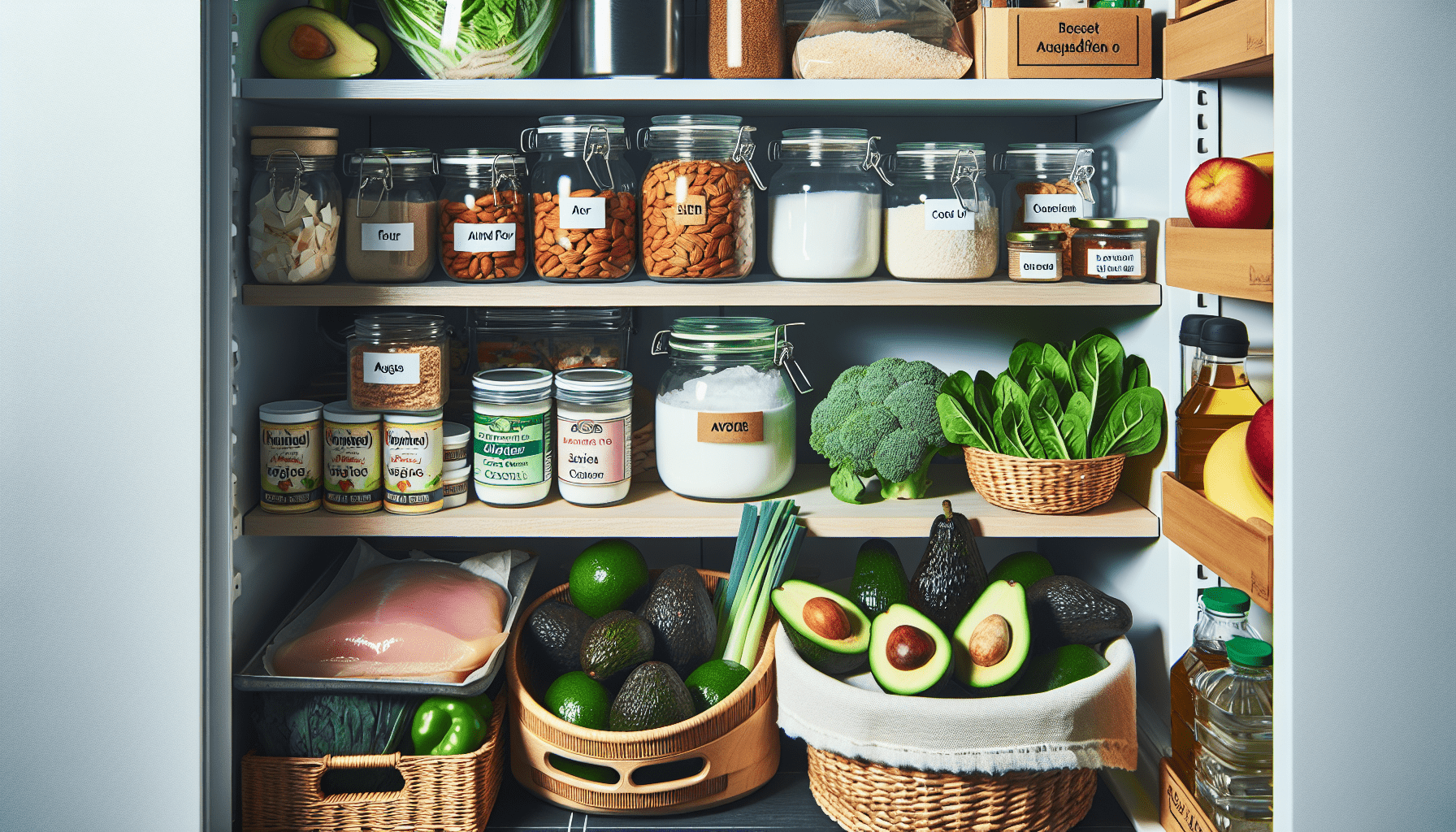
To successfully follow a low-carb lifestyle, it is essential to have a well-stocked pantry filled with low-carb staple foods. These include items such as almond flour, coconut oil, avocados, leafy greens, lean proteins such as chicken and fish, and low-carb sweeteners like stevia. Having these ingredients on hand will make it easier to whip up delicious and satisfying low-carb meals.
Remove high-carb products from your pantry
As you embark on your low-carb journey, it’s important to rid your pantry of high-carb products that may tempt you to stray from your goals. Bid farewell to sugary cereals, pasta, cookies, and other processed carbs. Donate these items to a local food bank or give them away to friends or family members who may still enjoy them.
Organize your pantry to easily access low-carb foods
Organizing your pantry is crucial to maintain a low-carb lifestyle. Consider using clear containers or labeled shelves to keep low-carb ingredients in plain sight. This will make it easier for you to locate and use these items when preparing meals. Additionally, keep your pantry stocked by regularly checking for low-carb replacements of your favorite products.
4. Plan your low-carb meals
Decide on the number of meals and snacks per day
When meal planning for a low-carb lifestyle, it’s important to determine the number of meals and snacks that work best for you. Some individuals prefer three balanced meals with minimal snacking, while others find success with smaller meals and a couple of carefully selected snacks throughout the day. Experiment and listen to your body to find the meal frequency that suits your needs.
Choose a meal planning method that suits you (e.g., weekly or monthly planning)
Meal planning can be customized to fit your lifestyle and preferences. Some people find success in planning their meals on a weekly basis, while others prefer a monthly approach. Whichever method you choose, ensure that your plan includes a variety of low-carb foods to prevent monotony and satisfy your taste buds.
Consider your dietary preferences and restrictions
When planning low-carb meals, it’s important to consider your dietary preferences and any restrictions you may have. If you enjoy certain cuisines or have food allergies or intolerances, seek out low-carb recipes that align with your needs. There are plenty of options available, from Mediterranean-inspired dishes to Asian-inspired stir-fries. Exploring different flavors and cuisines will keep your meals exciting and enjoyable.
Create a meal schedule or timetable for the week or month
Once you have decided on your meals, snacks, and cooking preferences, it’s time to create a meal schedule or timetable. This schedule will serve as a roadmap for your low-carb journey, making it easier to stick to your plan and avoid impulsive food choices. Having your meals mapped out in advance will also simplify your grocery shopping and meal preparation processes.
5. Find low-carb recipes
Search for low-carb recipes online or in cookbooks
The internet and cookbooks are treasure troves of low-carb recipes waiting to be discovered. Utilize online platforms, food blogs, and reputable cookbooks to explore a vast array of delicious low-carb options. Experiment with different recipes, taking note of the ones that appeal to your taste buds.
Experiment with different cuisines and flavors
Following a low-carb lifestyle doesn’t mean you have to sacrifice flavor or variety. Experiment with different cuisines and cooking techniques to keep your taste buds engaged. Incorporate herbs and spices to add depth and complexity to your dishes. From Mexican fajitas to Indian curries, there are countless low-carb adaptations of your favorite flavors and dishes waiting to be explored.
Make a list of your favorite low-carb recipes
As you try various low-carb recipes, make a list of your favorites. Having a go-to collection of recipes will make meal planning and grocery shopping easier in the long run. These tried-and-true recipes will become staples in your low-carb repertoire, ensuring you have a reliable source of delicious and satisfying meals.
6. Prepare a grocery list
Based on your planned meals, make a comprehensive list of low-carb ingredients
To ensure you have all the necessary ingredients for your low-carb meals, it’s essential to create a comprehensive grocery list. Take the time to go through your planned meals and list down the low-carb ingredients required. Group items by category, such as fresh produce, protein sources, healthy fats, and low-carb substitutes, to make your shopping experience more organized.
Include fresh produce, protein sources, healthy fats, and low-carb substitutes
A well-rounded low-carb grocery list should include a variety of fresh produce, such as leafy greens, cruciferous vegetables, and berries. Don’t forget to include protein sources like chicken, fish, and tofu, as well as healthy fats like avocados and olive oil. Additionally, consider adding low-carb substitutes for some of your favorite high-carb items, such as cauliflower rice or zucchini noodles.
7. Shop for low-carb ingredients
Visit a local grocery store or farmers market to purchase your ingredients
With your comprehensive grocery list in hand, head to your local grocery store or farmers market to purchase your low-carb ingredients. Shopping locally can provide you with access to fresh and seasonal produce, enhancing the taste and nutritional value of your meals. Take your time to explore the aisles and select high-quality ingredients.
Check labels for hidden carbs and added sugars
When shopping for low-carb ingredients, it’s vital to become a savvy label reader. Many products marketed as “low-carb” may still contain hidden carbs or added sugars. Familiarize yourself with the nutrition labels and ingredient lists of the items you purchase. Opt for products that are minimally processed and free from added sugars or unhealthy additives.
Consider buying in bulk to save money
Buying in bulk can be a cost-effective strategy for maintaining a low-carb lifestyle. Consider purchasing non-perishable low-carb items, such as nuts, seeds, and oils, in larger quantities. This will not only save you money in the long run but also reduce your reliance on frequent trips to the grocery store.
8. Meal prep in advance
Allocate a specific time each week for meal prepping
To set yourself up for a successful low-carb week, allocate a specific time each week for meal prepping. This dedicated time will ensure you have prepared meals and snacks readily available, making it easier to stick to your low-carb plan when life gets hectic. Treat meal prepping as an essential self-care activity that prioritizes your health and well-being.
Cook and portion your meals in advance to save time during busy days
During your designated meal prepping time, cook and portion your meals in advance. Invest in quality food storage containers to ensure your meals remain fresh. By having pre-prepared low-carb meals at your fingertips, you eliminate the guesswork and temptation of high-carb convenience foods on busy days.
Use containers and labels for easy storage and identification
To keep your meal prepping organized and hassle-free, use containers and labels. Invest in containers of various sizes to accommodate different portions and meal types. Label each container with the date and contents, making it easy to grab meals on the go or reheat them later. Staying organized will prevent food waste and ensure you utilize your prepared meals effectively.
9. Incorporate variety into your meals
Include a mix of vegetables, protein, and healthy fats in each meal
One of the keys to a successful low-carb lifestyle is incorporating variety into your meals. Ensure each meal contains a mix of vegetables, protein, and healthy fats. This combination will help you feel satisfied, provide essential nutrients, and support your overall well-being. Experiment with different vegetable choices, lean proteins, and incorporate a variety of healthy fats like avocado, nuts, and seeds.
Experiment with new low-carb ingredients and flavors
Embrace your culinary creativity by experimenting with new low-carb ingredients and flavors. Expand your palette and try vegetables or proteins that you haven’t tasted before. For example, instead of using traditional wheat-based flour, experiment with almond flour or coconut flour to create low-carb baked goods. By exploring new options, you’ll discover exciting flavors that keep you engaged in the low-carb lifestyle.
Try different cooking methods to add variety to your meals
Cooking methods can greatly impact the flavor and texture of your meals. Try different techniques such as grilling, steaming, roasting, or sautéing to add variety to your low-carb dishes. For example, roasting vegetables brings out their natural sweetness, while grilling adds a smoky flavor to proteins. Mixing up your cooking methods will ensure you never get bored with your meals and continually explore new tastes.
10. Plan for dining out and social occasions
Research low-carb options at restaurants or request modifications to suit your needs
Dining out doesn’t have to disrupt your low-carb lifestyle. Before heading to a restaurant, take a few moments to research their menu and identify low-carb options. Many establishments are accommodating of dietary preferences and are willing to modify dishes to meet your needs. Don’t hesitate to request substitutions or adjustments to make the meal more low-carb-friendly.
Bring a low-carb dish to potlucks or gatherings
Attending potlucks or gatherings can be challenging for those following a low-carb lifestyle. However, you don’t have to miss out on the fun. Prepare a delicious low-carb dish to share with others, ensuring you have a satisfying option that aligns with your goals. Not only will you enjoy a meal that suits your dietary needs, but you may also inspire others to embrace healthier choices.
Practice mindfulness and moderation while enjoying social events
When attending social events, it’s important to practice mindfulness and moderation. While it’s okay to indulge in small portions of your favorite high-carb treats occasionally, staying mindful of your goals and keeping moderation in mind will help prevent derailing your progress. Remember that the long-term benefits of a low-carb lifestyle outweigh temporary indulgences, and you can always get back on track with your next meal.
By following these top ways to meal plan for a low-carb lifestyle, you’ll be well-equipped to embrace this dietary choice successfully. Remember, it’s about fostering a positive relationship with food, exploring new flavors, and making sustainable choices for long-term health and well-being. So get excited, start meal planning, and enjoy the journey to a healthier, low-carb lifestyle!