
Imagine if every time you sat down for a meal, you could effortlessly create a perfectly balanced plate that nourishes your body and leaves you feeling satisfied. Well, it’s not as difficult as it may seem! In this article, we will explore the simple yet effective strategies to build a balanced plate with every meal. Whether you’re a seasoned chef or a novice in the kitchen, these tips and tricks will empower you to make wholesome choices that support your overall health and wellbeing. So, get ready to transform your eating habits and discover the incredible benefits of a well-balanced plate!

Choose a Variety of Foods
When it comes to creating a balanced plate with every meal, variety is key. By including a mix of different food groups, you ensure that your body gets the nutrients it needs. Start by opting for different colors of fruits and vegetables. Not only do they add vibrancy to your plate, but each shade also represents a unique set of vitamins and minerals. Incorporating lean proteins such as chicken, turkey, tofu, or legumes, combined with whole grains like brown rice or quinoa, adds sustenance and energy to your meals.
Portion Control
While choosing a variety of foods is important, portion control also plays a significant role in maintaining a balanced plate. Using a smaller plate or bowl can help you control the amount of food you serve yourself. Fill half of your plate with fruits and vegetables to ensure that you are getting a good amount of vitamins, minerals, and fiber. The remaining half should be divided between proteins and grains. This way, you can create a well-balanced meal that satisfies your nutritional needs without overindulging.
Include Fruits and Vegetables
One of the most crucial components of a balanced plate is the inclusion of fruits and vegetables. Aim for at least five servings a day to meet your daily requirements of essential nutrients. By including a variety of fruits and vegetables, you can ensure that you are getting a wide range of vitamins, minerals, and antioxidants. Fresh or frozen options are preferable over canned as they usually contain fewer additives and preservatives. Fruits and vegetables not only add color and flavor to your meals but also provide essential fiber for good digestion.
Choose Lean Proteins
Protein is an essential macronutrient that supports muscle growth and repair. When choosing proteins for your balanced plate, opt for lean cuts of meat such as chicken breast or turkey, which are low in saturated fats. Include plant-based protein sources like tofu, beans, or lentils for a vegetarian or vegan option. Additionally, fish rich in omega-3 fatty acids, such as salmon or trout, provide heart-healthy fats and can be a delicious addition to your meals. By incorporating lean proteins, you ensure that your balanced plate is both satisfying and nutritious.

Incorporate Whole Grains
Whole grains are an excellent source of complex carbohydrates, fiber, and essential nutrients. When given the choice, choose whole grain options over refined grains. Whole grain bread, pasta, and rice not only provide more nutrients but also keep you feeling fuller for longer. Experiment with different grains like quinoa and barley to add variety to your meals. By incorporating whole grains into your balanced plate, you provide your body with sustained energy and support healthy digestion.
Limit Added Sugars and Sodium
While it’s important to eat a balanced plate, it’s equally important to pay attention to what you’re avoiding. Added sugars and excessive sodium can contribute to health problems such as obesity, diabetes, and high blood pressure. To limit added sugars, avoid sugary drinks and choose water or unsweetened beverages instead. When shopping for groceries, read food labels for hidden sugars in items such as dressings, sauces, or even seemingly healthy snacks. Additionally, limit processed and packaged foods that are high in sodium. By being mindful of these ingredients, you can ensure that your balanced plate is truly nourishing.
Don’t Forget Healthy Fats
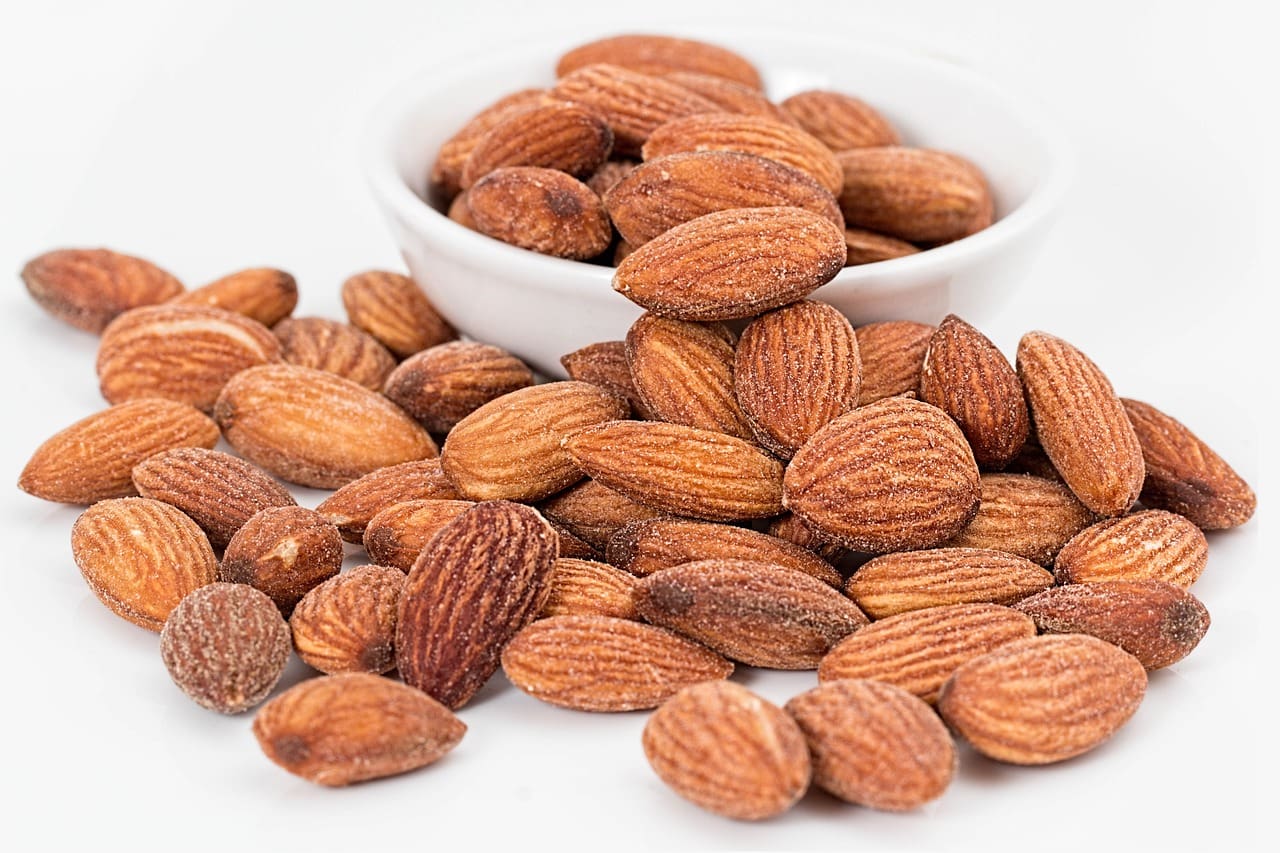
Including sources of healthy fats in your meals is essential for the absorption of fat-soluble vitamins and for promoting overall heart health. Avocados, nuts, and olive oil are all excellent sources of healthy fats that can be incorporated into your balanced plate. Avoid trans fats found in fried and processed foods, and limit saturated fats found in animal products like butter or red meat. Remember, moderation is key when it comes to healthy fats, as they are more calorie-dense than proteins or carbohydrates.
Stay Hydrated
Proper hydration is often overlooked when building a balanced plate, but it is essential for overall health and well-being. Drinking plenty of water throughout the day helps maintain optimal bodily functions and supports digestion. It is advisable to limit sugary beverages and opt for unsweetened options like herbal tea or infused water. These choices not only keep you hydrated but also provide additional health benefits from the natural ingredients used. By staying hydrated, you ensure that your body can function at its best.
Add Flavor with Herbs and Spices
Building a balanced plate doesn’t mean your meals have to be bland or boring. Experimenting with different herbs and spices can add flavor and depth to your dishes without relying on excessive salt or high-calorie condiments. From basil and thyme to cumin and turmeric, there are endless combinations to discover. Not only do herbs and spices enhance the taste, but they also offer potential health benefits, such as anti-inflammatory properties or aiding digestion. By utilizing herbs and spices, you can elevate your balanced plate to new culinary heights.
Plan Ahead and Prepare Meals
To ensure that you consistently have balanced meals, it is helpful to plan ahead and prepare in advance. Creating a meal plan for the week allows you to have a clear idea of the necessary ingredients and helps you make healthier choices. Additionally, prepping ingredients in advance, such as washing and chopping fruits and vegetables or marinating proteins, can save you time and make cooking a breeze. If you’re frequently on the go, consider packing balanced meals that are portable and easily enjoyed. By planning ahead and preparing meals, you set yourself up for success in maintaining a balanced plate.
In conclusion, building a balanced plate with every meal involves making mindful choices and incorporating a variety of foods. By including different food groups, portion controlling, and focusing on fruits, vegetables, lean proteins, whole grains, and healthy fats, you can create meals that are both delicious and nourishing. Additionally, it’s essential to limit added sugars and sodium, stay hydrated, experiment with herbs and spices, and plan ahead to maintain consistency in your balanced plate. With these tips and a little creativity, you can enjoy a well-rounded and nutritious diet that supports your overall health and well-being.