Living with chronic kidney disease can be challenging, but by adopting a healthy diet and lifestyle, you can effectively manage the condition and improve your overall well-being. This article will provide valuable tips and insights on how to make necessary changes to your daily routine, including dietary recommendations and lifestyle modifications that can help slow the progression of the disease and enhance your quality of life. Discover simple yet impactful strategies to support your kidneys and regain control over your health. Chronic kidney disease (CKD) is a condition that requires careful management to maintain overall health and well-being. While there are medical treatments available, adopting a healthy lifestyle and following dietary recommendations can play a crucial role in preserving kidney function and preventing further complications. In this article, we will delve into the various aspects of managing CKD, including dietary recommendations, fluid and electrolyte balance, weight management, blood pressure control, diabetes management, exercise and physical activity, smoking and alcohol, medication management, stress management, and regular monitoring and medical care.
Dietary Recommendations
Limit sodium intake
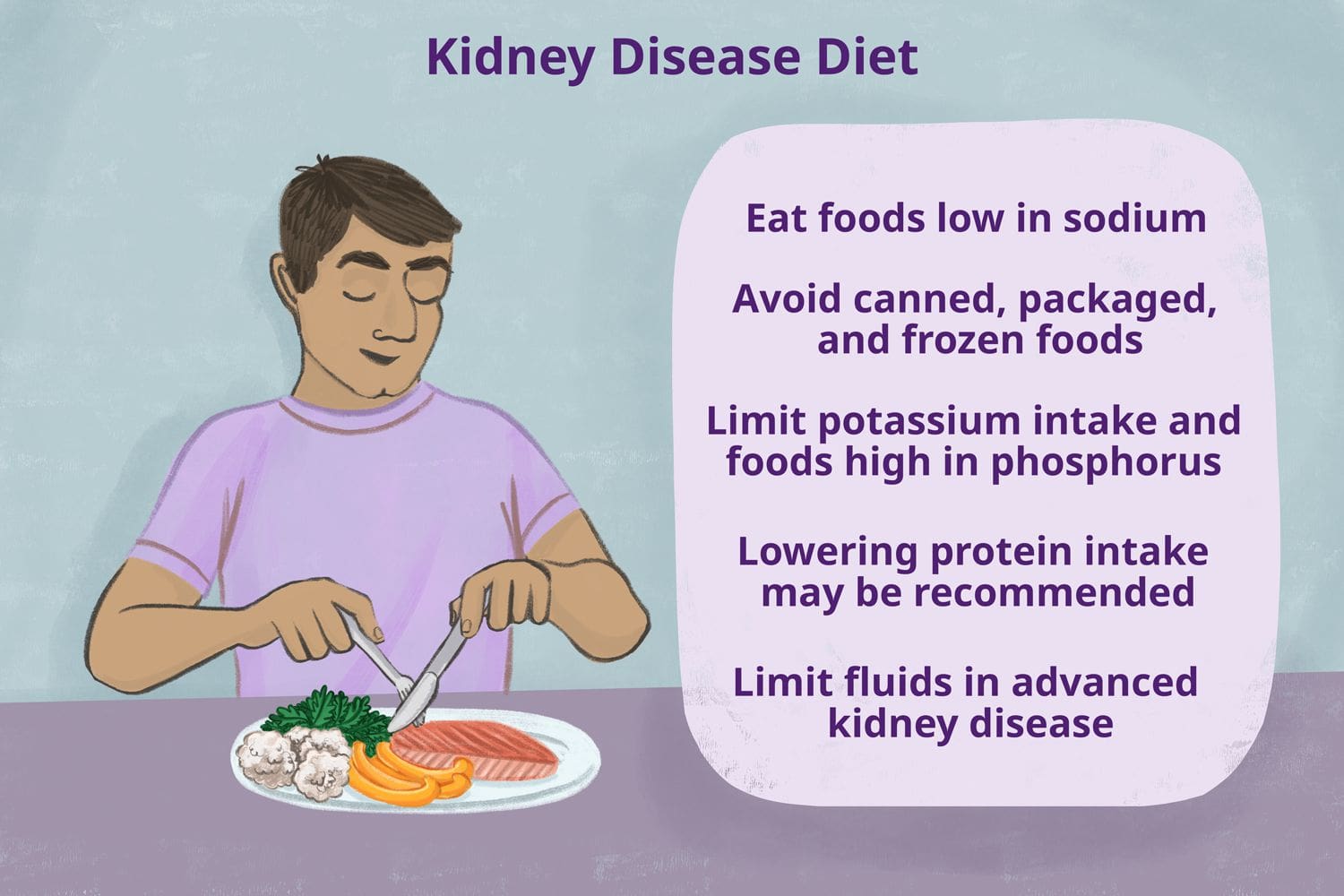
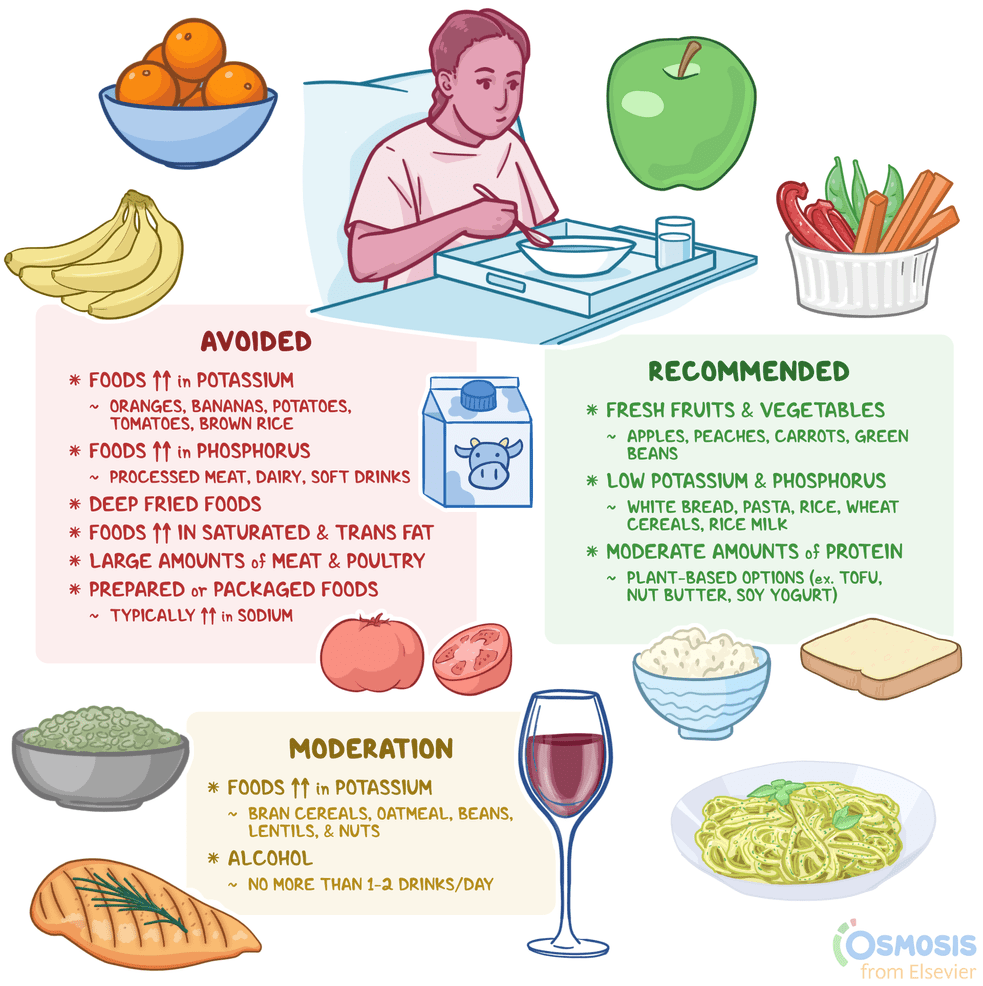
One of the most important dietary recommendations for individuals with CKD is to limit sodium intake. High levels of sodium can contribute to fluid retention and increase blood pressure, which can put strain on the kidneys. To reduce sodium intake, you can avoid processed foods, such as canned soups and snacks, which are often high in sodium. Additionally, it is important to avoid adding salt to your meals and opt for salt-free seasonings and herbs instead.
Control protein consumption
Controlling protein consumption is crucial for individuals with CKD as protein metabolism produces waste products that the kidneys must filter. Limiting protein intake can help reduce the workload on the kidneys and slow down the progression of kidney disease. Your healthcare provider will determine the appropriate amount of protein you should consume based on your stage of CKD and other factors.
Monitor potassium levels
Monitoring potassium levels is essential for individuals with CKD, as impaired kidney function can lead to an accumulation of potassium in the blood. High levels of potassium can cause irregular heart rhythms and other complications. Foods that are high in potassium, such as bananas, oranges, and tomatoes, should be consumed in moderation. Your healthcare provider will guide you on the appropriate potassium intake for your specific condition.
Restrict phosphorus intake
Restricting phosphorus intake is crucial for individuals with CKD because diseased kidneys struggle to remove excess phosphorus from the body. High levels of phosphorus can weaken bones and contribute to cardiovascular complications. Foods that are high in phosphorus, such as dairy products and certain meats, should be limited. Your healthcare provider may also prescribe phosphorus binders to help control phosphorus levels.
Manage fluid intake
Managing fluid intake is important for individuals with CKD, as the kidneys may have difficulty removing excess fluid from the body. Too much fluid can lead to swelling and high blood pressure. It is essential to keep track of your fluid intake throughout the day and ensure you are not exceeding the recommended amount. Your healthcare provider will determine the appropriate fluid restriction for your condition.
Follow a low-fat diet
Following a low-fat diet can benefit individuals with CKD by reducing the risk of cardiovascular complications. Opt for lean protein sources, such as skinless poultry and fish, and limit the consumption of high-fat foods, such as fried dishes and fatty cuts of meat. Additionally, choose healthy fats found in sources like avocados, nuts, and olive oil, while monitoring your portion sizes to maintain a balanced diet.
Fluid and Electrolyte Balance
Monitor fluid intake
Monitoring fluid intake is key to maintaining fluid and electrolyte balance in individuals with CKD. As impaired kidneys may struggle to remove excess fluid, it is important to keep track of the amount of fluid you consume throughout the day. Your healthcare provider will guide you on the appropriate fluid restriction based on your specific condition.
Regulate sodium levels
Regulating sodium levels is crucial for individuals with CKD to maintain proper fluid and electrolyte balance. Excessive sodium intake can lead to fluid retention and high blood pressure. It is important to check food labels for sodium content and choose low-sodium alternatives whenever possible. Opting for fresh fruits and vegetables, as well as homemade meals, can help reduce sodium intake.
Control potassium levels
Controlling potassium levels is essential for individuals with CKD as impaired kidney function can lead to potassium accumulation in the blood. High levels of potassium can cause irregular heart rhythms and other complications. Your healthcare provider will guide you on the appropriate potassium intake for your specific condition, and it may be necessary to avoid or limit foods that are high in potassium.
Manage phosphorus intake
Managing phosphorus intake is crucial for individuals with CKD as diseased kidneys struggle to remove excess phosphorus from the body. High levels of phosphorus can weaken bones and contribute to cardiovascular complications. Foods that are high in phosphorus, such as dairy products and certain meats, should be limited. Your healthcare provider may also prescribe phosphorus binders to help control phosphorus levels.
Weight Management
Maintain a healthy weight
Maintaining a healthy weight is important for individuals with CKD as excess weight can put strain on the kidneys and worsen kidney function. Your healthcare provider will determine your ideal weight and help you develop a weight management plan that includes a balanced diet and regular physical activity.
Follow a balanced diet
Following a balanced diet is crucial for weight management in individuals with CKD. This includes consuming a variety of fruits, vegetables, whole grains, lean proteins, and healthy fats in appropriate portions. Avoid excessive calorie intake and limit the consumption of processed foods, sugary drinks, and high-fat foods. Your healthcare provider or a registered dietitian can help you develop a personalized meal plan based on your specific needs and preferences.
Engage in regular physical activity
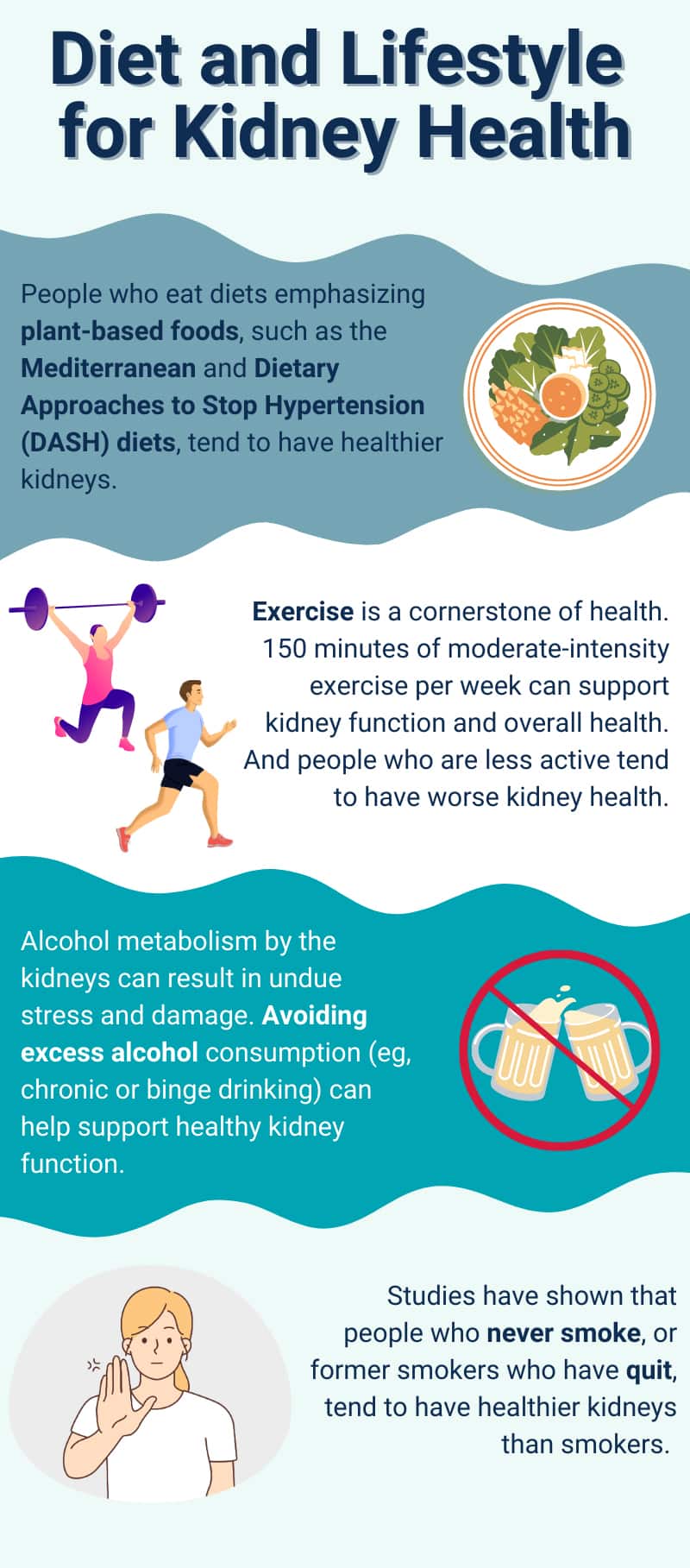
Engaging in regular physical activity is essential for weight management and overall health in individuals with CKD. Regular exercise can help control weight, reduce blood pressure, improve cardiovascular health, and enhance overall well-being. It is important to seek guidance from your healthcare provider to determine suitable exercise options based on your stage of CKD and any underlying health conditions.
Blood Pressure Control
Follow a low-sodium diet
Following a low-sodium diet is crucial for individuals with CKD to control blood pressure. Excessive sodium intake can contribute to fluid retention and elevate blood pressure levels. By choosing low-sodium alternatives and reducing the consumption of processed foods, individuals with CKD can help regulate their blood pressure levels.
Limit alcohol consumption
Limiting alcohol consumption is important for individuals with CKD as excessive alcohol intake can contribute to high blood pressure and further damage the kidneys. It is recommended to limit alcohol consumption to moderate levels or as advised by your healthcare provider.
Reduce stress levels
Reducing stress levels is beneficial for individuals with CKD as stress can contribute to high blood pressure and overall health deterioration. Engaging in activities that help you relax, such as meditation, deep breathing exercises, or hobbies that bring you joy, can help reduce stress levels. It is important to find what works best for you and incorporate stress-reducing activities into your daily routine.
Take prescribed medications
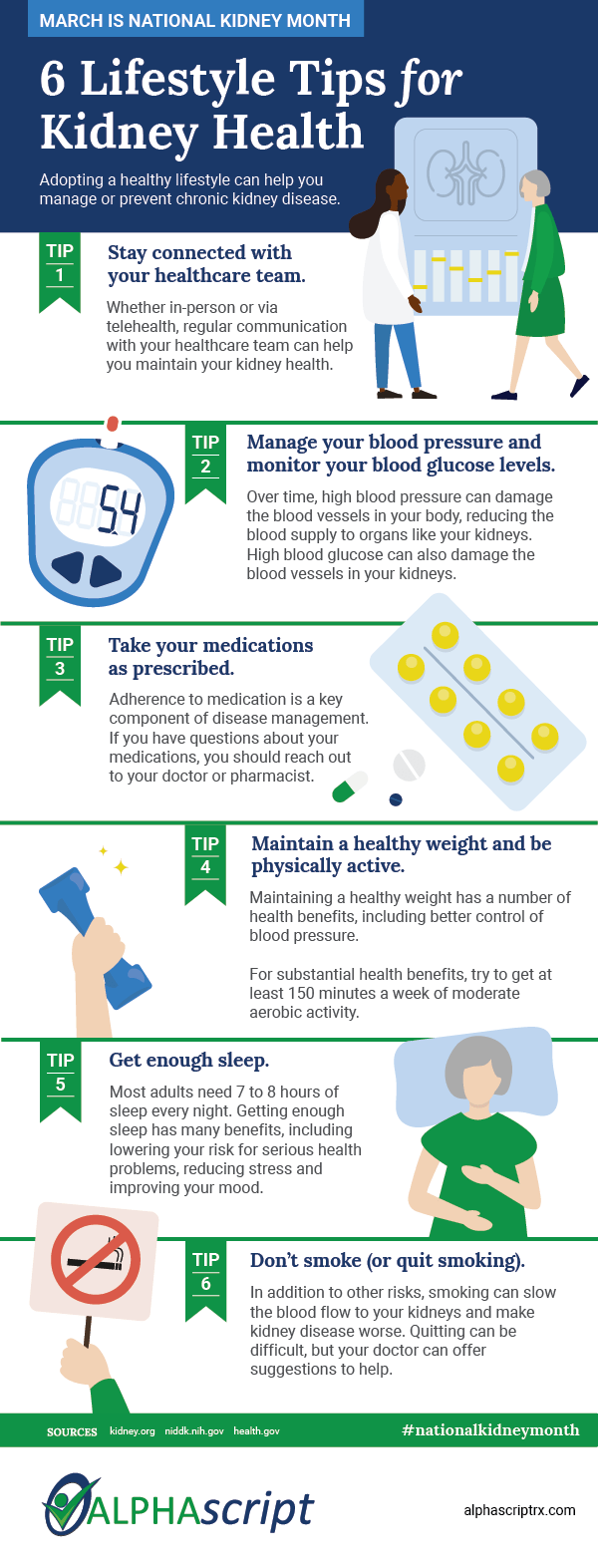
Taking prescribed medications as directed is essential for blood pressure control in individuals with CKD. Your healthcare provider may prescribe medications to help regulate your blood pressure. It is important to take these medications as directed, adhere to the prescribed dosage, and discuss any concerns or side effects with your healthcare provider.
Monitor blood pressure regularly
Regularly monitoring your blood pressure is important for individuals with CKD to ensure that it is within a healthy range. Your healthcare provider may recommend using a home blood pressure monitor and keeping a log of your readings. By keeping track of your blood pressure, you can identify any patterns or changes and seek prompt medical attention if necessary.

Diabetes Management
Monitor blood sugar levels
Managing diabetes is crucial for individuals with CKD as diabetes can further damage the kidneys and worsen kidney function. It is important to monitor your blood sugar levels regularly and work closely with your healthcare provider to develop a diabetes management plan that includes a healthy diet, physical activity, and medications if necessary.
Follow a diabetic-friendly diet
Following a diabetic-friendly diet is essential for individuals with CKD and diabetes to manage both conditions effectively. This includes controlling carbohydrate intake, monitoring portion sizes, and making healthier food choices. Your healthcare provider or a registered dietitian can help you develop a meal plan that meets your specific dietary needs and keeps your blood sugar levels well-managed.
Take prescribed medications
Taking prescribed medications as directed is vital for individuals with CKD and diabetes to keep their blood sugar levels under control. Your healthcare provider may prescribe medications to help manage your diabetes, and it is important to take them as instructed, adhere to the prescribed dosage, and discuss any concerns or side effects with your healthcare provider.
Engage in regular physical activity
Engaging in regular physical activity is beneficial for individuals with CKD and diabetes as it can help improve insulin sensitivity, control blood sugar levels, and enhance overall health. It is important to consult with your healthcare provider to determine suitable exercise options based on your stage of CKD, diabetes management goals, and any underlying health conditions.
Exercise and Physical Activity
Consult with a healthcare professional
Before starting any exercise or physical activity routine, it is important to consult with a healthcare professional, such as your nephrologist or primary care physician. They can evaluate your overall health and provide guidance on suitable exercise options based on your specific condition.
Engage in aerobic exercises
Engaging in aerobic exercises is beneficial for individuals with CKD as it helps improve cardiovascular health, manage weight, and enhance overall well-being. Examples of aerobic exercises include walking, cycling, swimming, and dancing. Start with low-impact exercises and gradually increase the intensity and duration as recommended by your healthcare provider.
Incorporate strength training
Incorporating strength training exercises into your routine can help improve muscle strength, balance, and overall physical function. Strength training exercises, such as lifting weights or using resistance bands, should be performed under the guidance of a healthcare professional or certified trainer to ensure proper technique and minimize the risk of injury.
Practice flexibility exercises
Practicing flexibility exercises can help improve joint mobility, reduce muscle stiffness, and enhance overall flexibility. Stretching exercises, yoga, and tai chi are examples of activities that promote flexibility. It is important to start with gentle stretches and gradually increase the intensity and duration as advised by your healthcare provider.
Smoking and Alcohol
Quit smoking
Quitting smoking is important for individuals with CKD as smoking can further damage the kidneys and worsen kidney function. Smoking also increases the risk of cardiovascular complications. Reach out to your healthcare provider for support and resources to help you quit smoking.
Limit alcohol consumption
Limiting alcohol consumption is important for individuals with CKD as excessive alcohol intake can contribute to high blood pressure and further damage the kidneys. It is recommended to limit alcohol consumption to moderate levels or as advised by your healthcare provider.
Seek professional help if needed
If you are struggling with quitting smoking or limiting alcohol consumption, it is important to seek professional help. Your healthcare provider can provide resources, referrals, or recommend support groups to assist you in making positive changes to your lifestyle.
Medication Management
Take prescribed medications as directed
Taking prescribed medications as directed is crucial for individuals with CKD to manage their condition effectively. It is important to adhere to the prescribed dosage and schedule provided by your healthcare provider. If you have any concerns or experience side effects, it is essential to discuss them with your healthcare provider before making any changes to your medication regimen.
Discuss any concerns or side effects with a healthcare professional
If you have any concerns or experience side effects related to your medications, it is important to discuss them with your healthcare professional. They can provide guidance, adjust the dosage if necessary, or explore alternative medications to address your specific needs.
Keep track of medication schedule
Keeping track of your medication schedule is important to ensure you take your medications as directed. Use tools such as pill organizers or smartphone reminders to stay organized and on track with your medication regimen. If you have any difficulties managing your medication schedule, consult with your healthcare provider for assistance.
Avoid self-medicating
It is important to avoid self-medicating or making changes to your medication regimen without consulting with a healthcare professional. Only your healthcare provider can determine the appropriate medications and dosages for your specific condition. If you feel that your current medication regimen is not effective or causing side effects, reach out to your healthcare provider for guidance.
Stress Management
Practice relaxation techniques
Practicing relaxation techniques can help individuals with CKD manage stress and promote overall well-being. Techniques such as deep breathing exercises, meditation, mindfulness, and guided imagery can help reduce stress levels. It is important to find what works best for you and incorporate these techniques into your daily routine.
Engage in activities that reduce stress
Engaging in activities that reduce stress is beneficial for individuals with CKD. This can include activities such as spending time in nature, engaging in hobbies or creative outlets, listening to music, or participating in activities that bring joy and relaxation. Find activities that resonate with you and make time for them regularly.
Seek support from family and friends
Seeking support from family and friends can provide emotional and practical assistance in managing stress associated with CKD. Sharing your feelings, concerns, and experiences with loved ones can help alleviate stress and provide a sense of comfort and understanding.
Consider counseling or therapy
If stress associated with CKD becomes overwhelming, considering counseling or therapy can be beneficial. Mental health professionals can provide guidance and support in managing stress and coping with the emotional challenges of living with a chronic illness. Reach out to your healthcare provider for referrals and recommendations.
Regular Monitoring and Medical Care
Attend regular check-ups with a nephrologist
Attending regular check-ups with a nephrologist is essential for individuals with CKD to monitor their kidney function and overall health. Your nephrologist will assess your kidney function, review lab results, and make any necessary adjustments to your treatment plan. Follow your healthcare provider’s recommendations regarding the frequency of check-ups.
Monitor kidney function and lab results
Monitoring kidney function and lab results is crucial in managing CKD. Your healthcare provider will order routine blood tests to assess kidney function, measure electrolyte levels, and monitor other important markers. By staying informed about your lab results, you and your healthcare provider can track the progression of CKD and make informed decisions regarding your treatment plan.
Stay informed about new treatment options
Staying informed about new treatment options can empower individuals with CKD to actively participate in their own care. It is important to keep abreast of the latest research, treatment advancements, and clinical trials related to CKD. Discuss any new treatment options with your healthcare provider to determine if they are suitable for your condition.
Discuss any concerns or changes with a healthcare professional
If you have any concerns or notice any changes in your symptoms or overall health, it is important to discuss them with your healthcare professional. Regular communication with your healthcare provider allows for timely interventions and adjustments to your treatment plan, if necessary. Remember, you are an active participant in your care, and your voice and perspective matter.
In conclusion, managing chronic kidney disease requires a comprehensive approach that includes adhering to dietary recommendations, maintaining fluid and electrolyte balance, managing weight, controlling blood pressure, effectively managing diabetes, engaging in regular physical activity, avoiding smoking and limiting alcohol consumption, effectively managing medications, adopting stress management techniques, and attending regular check-ups and seeking medical care. By incorporating these tips into your daily life, you can enhance your overall well-being, slow down the progression of kidney disease, and improve your quality of life. Remember, you are not alone in this journey, and your healthcare provider is your partner in managing CKD effectively.