
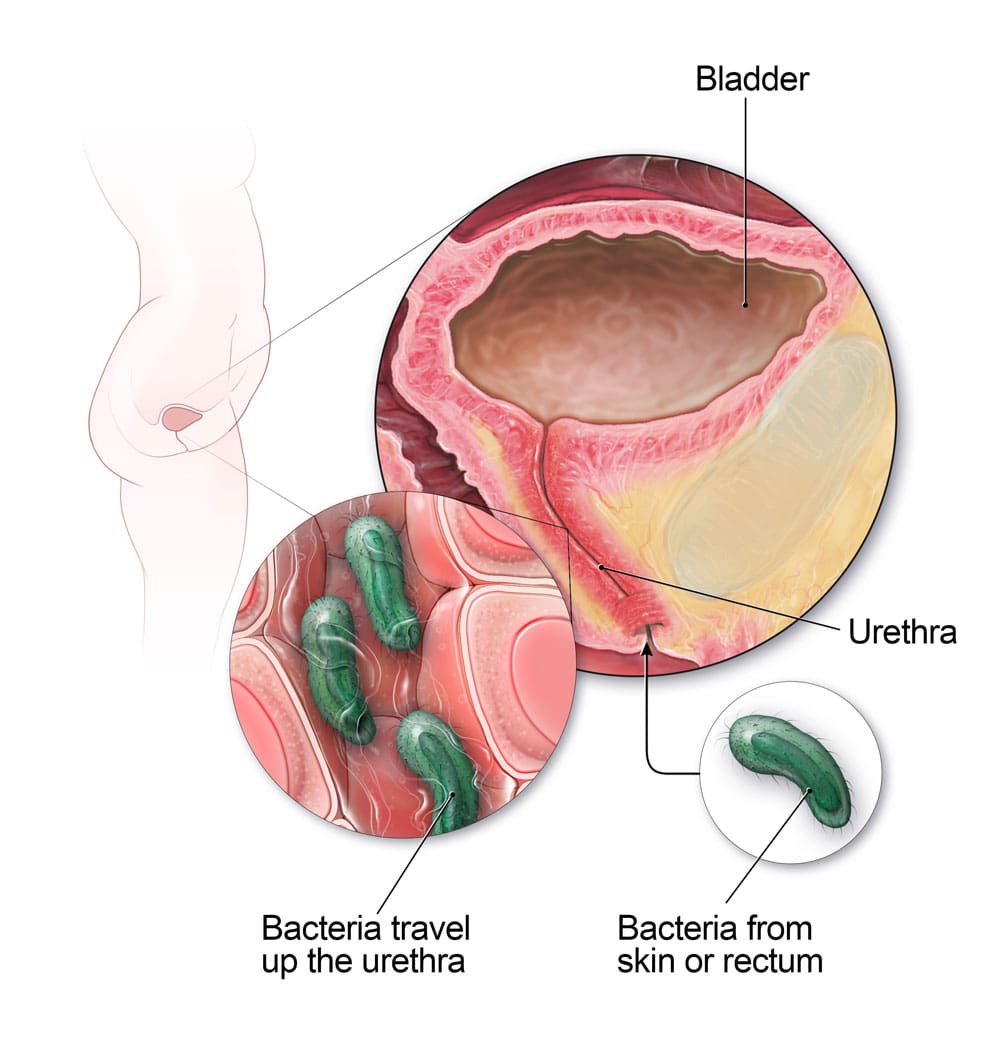
Living with chronic urinary tract infections can be challenging, but with a few essential tips, you can effectively manage this condition and improve your quality of life. From practicing good hygiene habits to incorporating certain foods into your diet, this article will provide you with valuable advice to help prevent and treat recurrent urinary tract infections. So, say goodbye to constant discomfort and say hello to a happier, healthier you!
Understanding chronic urinary tract infections (UTIs)
What is a urinary tract infection?
A urinary tract infection (UTI) is an infection that occurs in any part of the urinary system, which includes the kidneys, bladder, ureters, and urethra. UTIs are typically caused by bacteria, and they can affect people of all ages and genders. UTIs are commonly categorized as either acute or chronic, with chronic UTIs occurring when the infection persists or recurs frequently.
Difference between acute UTI and chronic UTI
An acute UTI is a sudden infection that typically presents with symptoms such as frequent urination, a burning sensation during urination, cloudy or bloody urine, and lower abdominal pain. These symptoms usually subside with proper treatment. On the other hand, chronic UTIs are characterized by recurring or persistent infections that last for a prolonged period of time. Chronic UTIs may have less severe symptoms but can have a significant impact on a person’s quality of life.
Causes of chronic UTIs
Chronic UTIs can occur due to various factors. Some individuals may have an anatomical abnormality that creates an environment conducive to bacterial growth, such as urinary tract obstructions or kidney stones. Weakened immune systems, hormonal changes, and menopause can also increase the risk of chronic UTIs. In some cases, antibiotic resistance or the presence of antibiotic-resistant bacteria can contribute to the recurrence of UTIs.
Symptoms of chronic UTIs
The symptoms of chronic UTIs may vary from person to person. Common symptoms include frequent and urgent urination, a persistent low-grade fever, discomfort or pain in the lower abdomen or pelvis, cloudy or foul-smelling urine, and fatigue. Some individuals may experience recurrent bladder infections, while others may develop kidney infections, which can be more severe and require immediate medical attention.
Seeking medical advice
Consulting a healthcare professional
If you suspect you have a chronic UTI, it is essential to consult a healthcare professional. They can evaluate your symptoms, perform necessary tests, and provide an accurate diagnosis. It is important not to ignore recurring UTI symptoms, as they can lead to serious complications if left untreated.
Finding a specialist
In some cases, you may be referred to a specialist, such as a urologist or a gynecologist, who has expertise in diagnosing and treating chronic UTIs. Specialists can provide a more in-depth evaluation and develop individualized treatment plans to manage your condition effectively.
Preparing for the doctor’s appointment
Before your doctor’s appointment, it may be helpful to prepare a list of your symptoms, including any patterns or triggers you have noticed. This information can assist your healthcare provider in making an accurate diagnosis. It is also beneficial to gather your medical history, including any previous UTI episodes or treatments, as well as a list of medications you are currently taking.
Providing a detailed medical history
During your appointment, it is important to provide your healthcare provider with a comprehensive medical history. This includes any past or present medical conditions, surgeries, allergies, and medications. A detailed medical history helps your healthcare provider understand your overall health and any potential underlying factors that may contribute to chronic UTIs.
Maintaining a healthy lifestyle
Staying hydrated
One of the key factors in managing chronic UTIs is to stay properly hydrated. Drinking an adequate amount of water can help flush out bacteria and minimize the risk of urinary tract infections. Aim to consume at least eight glasses of water or more daily, unless advised otherwise by your healthcare professional.
Optimizing bathroom habits
Practicing good bathroom habits can significantly reduce the risk of chronic UTIs. It is essential to empty your bladder fully when urinating and avoid holding in urine for prolonged periods. Additionally, it is important to urinate before and after sexual activity to help flush out any bacteria that may have entered the urethra.
Wearing breathable underwear
Choosing breathable underwear made from natural fabrics, such as cotton, can help prevent excessive moisture and heat buildup in the genital area. This can decrease the likelihood of bacterial growth and reduce the risk of UTIs. Avoiding tight-fitting or synthetic underwear is advisable for individuals prone to chronic UTIs.
Avoiding irritants
Certain products can irritate the urinary tract and exacerbate chronic UTIs. Avoid using strong, scented soaps, bubble baths, and other personal hygiene products that may contain harsh chemicals. It is also recommended to steer clear of feminine hygiene sprays and douches, as they can disrupt the natural balance of bacteria in the genital area.
Proper hygiene practices
Washing hands frequently
Practicing proper hand hygiene is essential to prevent the spread of bacteria that can cause UTIs. Wash your hands thoroughly with soap and water before and after using the bathroom, before preparing or eating food, and after coming into contact with surfaces that may harbor bacteria.
Cleaning the genital area
Maintaining good genital hygiene is crucial in preventing UTIs. Clean the genital area with mild, unscented soap and warm water regularly. Avoid aggressive scrubbing, as it may damage the delicate skin in the area. After using the toilet, always remember to wipe from front to back to prevent the transfer of bacteria from the anus to the urethra.
Opting for showers instead of baths
While baths can be relaxing, it is generally recommended to opt for showers when managing chronic UTIs. Sitting in bathwater can increase the likelihood of bacteria entering the urethra. If you prefer taking baths, ensure that you clean the bathtub thoroughly before each use to reduce the risk of contamination.
Avoiding strong, scented products
Using strongly scented products, such as perfumes, lotions, or feminine hygiene sprays, can disrupt the delicate balance of bacteria in the genital area. These products can potentially irritate the urethra and increase the risk of UTIs. Opt for unscented or mild alternatives to minimize the chances of bacterial growth and irritation.
Implementing dietary changes
Eating a balanced diet
Maintaining a balanced diet can support overall health and strengthen the immune system, which plays a vital role in combating UTIs. Include a variety of fruits, vegetables, whole grains, lean proteins, and healthy fats in your daily meals. Ensuring adequate nutrition can enhance your body’s ability to fight off infections.
Increasing vitamin C intake
Vitamin C is known for its immune-boosting properties and its ability to create an acidic environment in the urine, which can help prevent bacterial growth. Incorporate vitamin C-rich foods into your diet, such as citrus fruits, berries, kiwi, tomatoes, and leafy green vegetables, or consider taking vitamin C supplements if recommended by your healthcare professional.
Avoiding bladder irritants
Certain foods and beverages can act as bladder irritants, potentially exacerbating chronic UTI symptoms. Avoid or limit the consumption of caffeine, alcohol, spicy foods, citrus fruits and juices, carbonated drinks, and artificial sweeteners. These substances can irritate the bladder lining and worsen discomfort associated with UTIs.
Consuming probiotics
Probiotics are beneficial bacteria that can help promote a healthy balance of bacteria in the body, including the urinary tract. Incorporating probiotic-rich foods, such as yogurt, kefir, sauerkraut, and kimchi, or taking probiotic supplements, can potentially reduce the risk of recurrent UTIs. Consult your healthcare provider before starting any new supplements.
Managing stress
Recognizing stress triggers
Stress can have a significant impact on the body’s immune system and may contribute to chronic UTIs. It is important to recognize and address stress triggers in your life. Keeping a journal or seeking professional help can help identify sources of stress and develop effective coping strategies.
Engaging in relaxation techniques
Implementing relaxation techniques can help manage stress levels and promote overall well-being. Consider incorporating activities such as deep breathing exercises, meditation, yoga, or engaging in hobbies that bring you joy and relaxation. These techniques can help reduce stress and potentially improve your body’s ability to fight off infections.
Seeking support from loved ones
Having a strong support system can be invaluable when managing chronic UTIs. Reach out to close friends or family members and share your challenges and concerns. Supportive loved ones can offer emotional support, encourage healthy habits, and provide assistance when needed.
Considering therapy or counseling
For some individuals, chronic UTIs can be emotionally challenging to cope with. If you find yourself struggling with anxiety, depression, or psychological distress due to your condition, consider seeking therapy or counseling. A trained professional can help you navigate the emotional aspects of chronic UTIs and provide helpful strategies for managing stress.
Exploring alternative therapies
Using cranberry products
Cranberry products, such as cranberry juice or supplements, have been popularly associated with preventing UTIs. While studies have yielded mixed results, some evidence suggests that cranberry products may help reduce the recurrence of UTIs. If considering cranberry products, consult with your healthcare professional for guidance on appropriate usage and dosage.
Trying D-mannose supplements
D-mannose is a naturally occurring sugar that may help prevent bacteria from adhering to the walls of the urinary tract. D-mannose supplements have gained popularity as a natural approach to managing chronic UTIs. However, it is important to consult with your healthcare provider before starting any new supplements to ensure they are suitable for your specific situation.
Considering herbal remedies
Herbal remedies, such as uva ursi, goldenseal, and horsetail, have been traditionally used to support urinary tract health. While some individuals may find relief from chronic UTI symptoms with these remedies, it is crucial to consult with a healthcare professional or herbalist before incorporating them into your treatment plan. They can provide guidance on appropriate usage and potential interactions with other medications.
Using heat therapy
Applying a heating pad or warm compress to the lower abdomen or pelvic area can help alleviate pain and discomfort associated with chronic UTIs. Heat therapy can improve blood circulation and provide temporary relief. Ensure that the heat is not too hot and avoid applying heat directly to the skin to prevent burns.
Taking prescribed medications
Antibiotics for active infections
When experiencing an active UTI, antibiotics are typically prescribed to target and eliminate the bacterial infection. It is crucial to take the full course of antibiotics as prescribed by your healthcare provider, even if your symptoms improve before completion. Failing to complete the prescribed course may lead to antibiotic resistance or incomplete eradication of the infection.
Low-dose prophylactic antibiotics
In some cases, healthcare professionals may recommend low-dose prophylactic antibiotics to prevent recurrent UTIs. This approach involves taking a maintenance dose of antibiotics over an extended period to prevent further infections. It is essential to follow your healthcare provider’s instructions and attend regular check-ups to monitor the effectiveness and safety of the treatment.
Over-the-counter pain relievers
Over-the-counter pain relievers, such as ibuprofen or acetaminophen, can help manage the discomfort associated with chronic UTIs. These medications can alleviate pain, reduce fever, and provide temporary relief. However, it is important to consult with your healthcare provider before taking any over-the-counter medications to ensure they are safe and suitable for your specific situation.
Prescription pain medications
For individuals experiencing severe pain or discomfort due to chronic UTIs, healthcare professionals may prescribe stronger pain medications. These medications can help manage pain more effectively than over-the-counter options. It is crucial to use prescription pain medications as directed by your healthcare provider and be aware of any potential side effects or interactions.
Preventing recurrent infections
Emptying the bladder before and after intercourse
Emptying the bladder before and after sexual intercourse is an effective way to minimize the risk of UTIs. Urinating before and after intercourse helps flush out any bacteria that may have entered the urethra during sexual activity. Additionally, it is advisable to drink a full glass of water after intercourse to facilitate urination.
Urinating before and after sexual activity
In addition to emptying the bladder before and after intercourse, it is beneficial to urinate before and after any sexual activity that may cause friction or irritation in the genital area. This can help flush out any potential bacteria and reduce the risk of UTIs.
Wiping from front to back
Proper wiping technique is crucial to prevent the transfer of bacteria from the anus to the urethra. Always wipe from front to back after using the toilet to minimize the risk of introducing bacteria into the urinary tract. This simple practice can significantly reduce the likelihood of UTIs.
Avoiding unnecessary antibiotic use
While antibiotics are essential for treating UTIs, it is crucial to avoid unnecessary or excessive use of these medications. Overuse or misuse of antibiotics can contribute to antibiotic resistance and make future infections more challenging to treat. It is important to consult with a healthcare professional before starting any antibiotics and follow their guidance on appropriate usage.
The role of preventive self-care
Keeping track of symptoms
Maintaining a symptom diary or journal can provide valuable insights into your chronic UTI condition. Record any recurring symptoms, triggers, or patterns you notice. This information can help you and your healthcare provider identify potential causes or develop more effective treatment strategies.
Recognizing early signs of infection
Early detection of UTI symptoms is crucial in managing chronic UTIs. Familiarize yourself with the signs of a UTI, such as increased frequency and urgency to urinate, pain or discomfort during urination, and changes in the appearance or odor of urine. By recognizing the early signs, you can seek prompt medical attention and prevent the infection from worsening.
Following prescribed treatment plans
It is important to follow your healthcare provider’s prescribed treatment plan diligently. Take any prescribed medications as directed, attend follow-up appointments, and communicate any concerns or changes in symptoms to your healthcare provider. Adhering to the treatment plan increases the likelihood of effectively managing chronic UTIs and preventing recurrent infections.
Maintaining regular follow-up appointments
Regular check-ups with your healthcare provider are essential for monitoring your condition and adjusting the treatment plan as needed. Follow-up appointments allow for ongoing evaluation of your progress, addressing any concerns or questions, and ensuring that your chronic UTI management remains on track.