
If you or someone you love is living with diabetes and requires insulin injections, you may be considering the use of an insulin pump for better diabetes management. In this comprehensive Buyer’s Guide, we will explore the different features and considerations to keep in mind when choosing an insulin pump. From understanding the types of pumps available to evaluating their features and functionalities, this guide will help you make an informed decision that best suits your needs. Let’s dive into the world of insulin pumps and discover the possibilities they offer for effective diabetes management.
Understanding Insulin Pumps
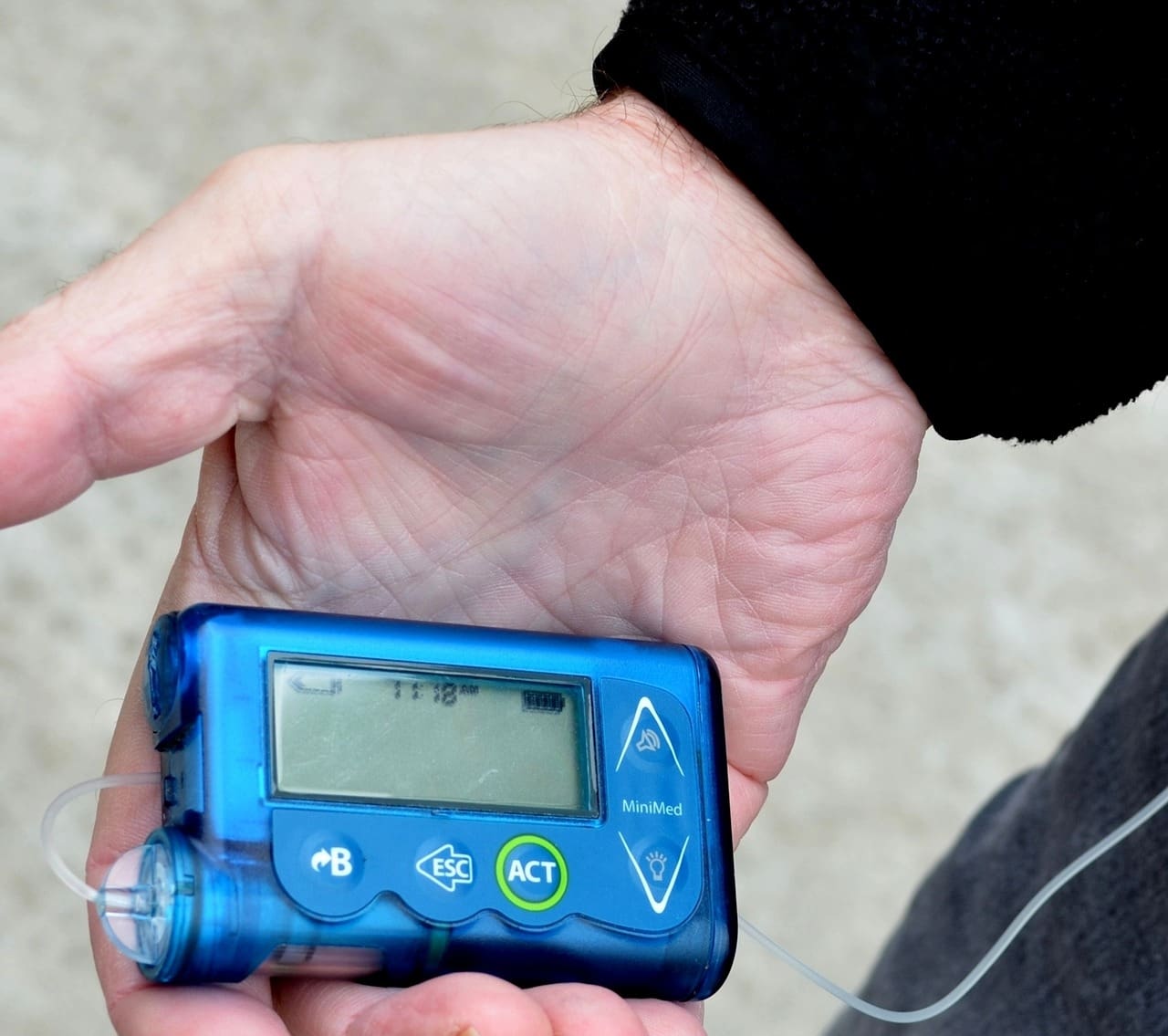
Insulin pumps are small electronic devices that deliver insulin to individuals with diabetes. They have revolutionized diabetes management by offering a convenient and efficient alternative to traditional insulin injections. With the help of an insulin pump, you can more easily regulate your blood sugar levels and live a more balanced and carefree life.
What is an insulin pump?
An insulin pump is a small device that is typically worn on the body, often attached to a belt or carried in a pocket. It delivers insulin continuously in small increments throughout the day, mimicking the natural release of insulin from the pancreas. The pump is connected to a thin plastic tube called an infusion set, which is inserted just beneath the skin and delivers insulin directly into the subcutaneous tissue.
How do insulin pumps work?
Insulin pumps work by delivering rapid-acting insulin through a small tube connected to a cannula. You input your specific settings, including basal rates (the amount of insulin delivered per hour) and bolus doses (extra doses of insulin to cover meals or high blood sugar levels). The pump continuously delivers small amounts of insulin to keep your blood sugar levels stable throughout the day, and you can easily adjust your doses as needed.
Advantages of using an insulin pump
Using an insulin pump offers several advantages over traditional insulin injections. Firstly, pumps provide a more precise and customizable method of delivering insulin, allowing for better blood sugar control. This can lead to improved overall blood sugar management and reduced risk of complications associated with diabetes.
Insulin pumps also offer greater flexibility and convenience. With a pump, you don’t have to worry about multiple daily injections and can instead enjoy the freedom of a continuous insulin delivery system. This allows for better integration of insulin delivery into your daily routine and can result in a more predictable and consistent blood sugar profile.
Considerations before choosing an insulin pump
Before choosing an insulin pump, there are a few important considerations to keep in mind. First and foremost, it is crucial to consult with your healthcare provider to ensure that an insulin pump is the right choice for you. They can provide guidance and help you determine if a pump aligns with your specific needs and lifestyle.
Insurance coverage is also an important factor to consider. Not all insurance plans cover insulin pumps, so it’s essential to review your policy and determine if you have the necessary coverage. Additionally, consider the long-term costs associated with using an insulin pump, including supplies and replacement parts.
Reading user reviews and ratings can provide valuable insights into the pros and cons of different insulin pump models. Take the time to research and gather feedback from other pump users to make an informed decision. If possible, try sample pumps before committing to a specific model to get a feel for its features, functionality, and ease of use.
Types of Insulin Pumps
Insulin pumps come in various forms, each with its own unique features and benefits. The different types of insulin pumps include:
Traditional Insulin Pumps
Traditional insulin pumps consist of a pump device attached to a tubing system. The pump is typically worn on a belt or in a pocket, while the tubing connects to an infusion site on your body. These pumps are the most common type and are known for their reliability and consistent insulin delivery.
Patch Pumps
Patch pumps, also known as pod pumps, are a newer innovation in insulin pump technology. They are small, lightweight devices that adhere directly to your skin. Patch pumps have an integrated reservoir and infusion set, eliminating the need for tubing. They provide a discreet and convenient option for insulin delivery.
Tubeless Insulin Pumps
Tubeless insulin pumps offer the convenience of patch pumps without the need for adhesives. Instead of a pod, they consist of a small device that attaches directly to your body. Tubeless pumps use a remote control to wirelessly deliver insulin, providing you with a needle-free and hassle-free experience.
Disposable Insulin Pumps
Disposable insulin pumps are compact, pre-filled devices that can be worn for a limited duration, typically anywhere from one to three days. These pumps are designed for temporary use, making them an ideal option for travel or for individuals who prefer a more flexible insulin delivery system.

Key Features to Consider
When choosing an insulin pump, it’s important to consider the following key features:
Insulin reservoir capacity
The insulin reservoir capacity determines how much insulin can be stored in the pump. Consider your daily insulin requirements and choose a pump that can accommodate your needs without requiring frequent refills.
Infusion set options
Infusion sets are the devices that connect the pump to your body and deliver insulin. Different infusion sets offer various insertion methods and cannula lengths, so it’s essential to choose a pump that offers compatible infusion set options.
Bolus calculators
Bolus calculators are a valuable feature that helps determine the appropriate dose of insulin for meals or high blood sugar levels. Look for a pump that offers a user-friendly bolus calculator to simplify your dosing calculations.
Continuous glucose monitoring integration
Some insulin pumps have the capability to integrate with continuous glucose monitoring (CGM) systems. This allows for real-time monitoring of your blood sugar levels and the potential for automatic adjustments to your insulin delivery.
Connectivity with other devices
Consider whether the pump can connect wirelessly to other devices, such as smartphones or glucose meters. Connectivity can make it easier to track and analyze your diabetes data, providing you with valuable insights for better management.
Waterproof and durable
Insulin pumps are typically worn 24/7 and may come into contact with water or be subject to rough handling. Look for a pump that is waterproof and durable to withstand daily activities and potential accidents.
Type of battery
Insulin pumps are powered by batteries, so it’s important to consider the type of battery used and its lifespan. Look for a pump that offers long-lasting batteries and consider whether rechargeable options are available.
Ease of use
Choose a pump that is intuitive and easy to use, with a user-friendly interface and clear instructions. A pump that is simple to navigate will make it easier to manage your diabetes and adjust your insulin delivery when needed.
Customizability
Consider the level of customization available on the pump. Can you adjust basal rates and bolus doses easily? Look for a pump that allows for a high degree of customization to meet your individual needs.
User support and training
Ensure that the pump manufacturer offers reliable customer support and provides comprehensive training materials. Having access to assistance and resources can be invaluable when learning to use a new insulin pump.
Choosing the Right Insulin Pump
Choosing the right insulin pump is a crucial decision that should be made in consultation with your healthcare provider. Here are a few considerations to keep in mind:
Consult your healthcare provider
Your healthcare provider is an essential resource when it comes to choosing an insulin pump. They can assess your specific needs and provide guidance on which pump may be the best fit for you. Consult with them before making a final decision.
Evaluate your lifestyle and needs
Consider your lifestyle and daily routine when choosing an insulin pump. Think about factors such as your activity level, dietary habits, and personal preferences. The right pump should seamlessly integrate into your life and enhance your diabetes management.
Insurance coverage
Review your insurance coverage to determine if an insulin pump is covered under your policy. Contact your insurance provider for specific details and ensure that the pump you choose is compatible with your plan.
Read user reviews and ratings
User reviews and ratings can provide valuable insights into the performance and usability of different insulin pump models. Take the time to research and gather feedback from other pump users to make an informed decision.
Consider long-term costs
Factor in the long-term costs associated with using an insulin pump, including supplies, replacement parts, and ongoing maintenance. Ensure that the pump you choose aligns with your budget and financial considerations.
Try sample pumps if available
If possible, try out sample pumps before making a final decision. Many pump manufacturers offer trial periods or samples that allow you to experience the pump’s features and functionality firsthand. This can help you determine if a specific pump meets your needs and preferences.
Factors Affecting Pump Usage
Several factors can influence the use of an insulin pump and how effectively it manages your diabetes:
Insulin sensitivity and dosage requirements
Your individual insulin sensitivity and dosage requirements play a crucial role in pump usage. Work closely with your healthcare provider to determine the appropriate insulin settings that will meet your body’s needs.
Physical activity level
Your physical activity level will influence your insulin requirements. Intense exercise may require adjustments to your basal and bolus rates, whereas periods of inactivity may result in decreased insulin requirements.
Dietary habits
Your dietary habits, including the type and amount of food you consume, can impact your insulin needs. It’s important to understand how different foods affect your blood sugar levels and adjust your insulin delivery accordingly.
Personal preferences
Every individual has personal preferences when it comes to managing their diabetes. Some may prefer the convenience and flexibility of an insulin pump, while others may prefer traditional injections. Consider your personal preferences when deciding if a pump is the right choice for you.
Routine maintenance and care
Proper routine maintenance and care are crucial in maximizing the effectiveness of your insulin pump. Regularly check and change infusion sets, inspect tubing and connectors, and monitor battery life. Following the recommended maintenance guidelines will ensure proper pump functionality.
Pros and Cons of Insulin Pumps
Insulin pumps offer several advantages, but there are also some potential challenges to consider:
Advantages of using insulin pumps
- Better blood sugar control: Insulin pumps allow for precise and customizable dosing, resulting in improved blood sugar management.
- Convenience and flexibility: Pumps offer a continuous insulin delivery system that integrates easily into daily routines and provides more flexibility in managing diabetes.
- Reduced risk of complications: Tighter blood sugar control achieved through pump therapy can reduce the risk of long-term complications associated with diabetes.
Disadvantages or challenges of using insulin pumps
- Learning curve: Adjusting to pump therapy may require a learning curve as you familiarize yourself with the pump’s features and settings.
- Cost: Insulin pumps can be costly, and ongoing expenses for supplies and replacement parts should be considered.
- Maintenance and upkeep: Insulin pumps require regular maintenance and care to ensure proper functioning, which may involve more time and effort compared to injections.
- Potential for pump malfunctions: While rare, there is a possibility of pump malfunction or technological issues, which may disrupt insulin delivery.
Recommended Insulin Pumps
There are several reputable insulin pump brands and models to consider. Some popular options include:
Brand A – Model X
Brand A’s Model X offers a large insulin reservoir capacity, customizable infusion set options, and a user-friendly interface. It integrates well with continuous glucose monitoring and offers seamless connectivity with smartphones and other devices.
Brand B – Model Y
Brand B’s Model Y stands out for its durability and waterproof design. It features a long-lasting battery, customizable basal rates and bolus doses, and user-friendly software updates. It also offers comprehensive user support and training resources.
Brand C – Model Z
Brand C’s Model Z is known for its small and lightweight design. It offers a discreet and comfortable insulin delivery experience, with a range of infusion set options to suit individual preferences. The pump’s bolus calculator and wireless connectivity make it a popular choice among users.
Tips for Proper Pump Usage
To ensure proper and effective pump usage, consider the following tips:
Regularly monitor blood glucose levels
Frequent monitoring of your blood glucose levels is essential in maintaining optimal control. Use a blood glucose meter or continuous glucose monitoring device to track your levels and make informed decisions about insulin dosage adjustments.
Follow proper hygiene and infection prevention practices
Proper hygiene is crucial when using an insulin pump. Wash your hands thoroughly before handling the pump or performing any maintenance tasks. Additionally, follow recommended cleaning protocols for infusion sites and keep them clean and dry to reduce the risk of infection.
Rotate infusion sites
Regularly rotating infusion sites is important to prevent the formation of scar tissue or infections. Rotate between different areas of your body, such as the abdomen, thighs, and buttocks, to ensure consistent insulin absorption.
Keep spare supplies and backup insulin
Always have spare supplies and backup insulin on hand. Accidents or malfunctions can happen unexpectedly, and having extra infusion sets, reservoirs, and a backup vial of insulin ensures you can continue uninterrupted insulin delivery.
Stay informed about software updates
Stay up to date with the latest software updates for your pump. Manufacturers often release updates to improve functionality and address potential issues. Regularly check for updates and consult with your pump manufacturer to ensure you have the most recent version.
Attend diabetes education classes
Consider attending diabetes education classes or workshops to enhance your knowledge and skills in managing your diabetes with an insulin pump. These classes can provide valuable insights and helpful tips from healthcare professionals and other pump users.
Insulin Pump Accessories
Several accessories can enhance your insulin pump experience. These include:
Cases and pouches
Cases and pouches provide protection and storage for your insulin pump, ensuring it remains secure and accessible while on the go.
Skin adhesives and tapes
Skin adhesives and tapes can help secure infusion sets and prevent accidental dislodging. They provide added security and peace of mind during physical activities or when wearing tight-fitting clothing.
Infusion set inserters
Infusion set inserters can simplify the process of inserting a new infusion set. They provide a more controlled insertion, reducing the risk of discomfort or improper placement.
Continuous glucose monitoring devices
Continuous glucose monitoring devices complement insulin pumps by providing real-time blood sugar monitoring. They can provide valuable insights and alerts to help you make better decisions about insulin dosing.
Remote controls
Some insulin pumps come with remote controls, allowing for discreet and convenient access to pump settings without needing to access the pump directly. Remote controls provide added convenience for adjusting insulin delivery in different situations.
Conclusion
Choosing an insulin pump is an important decision in managing your diabetes. Understanding the various types of pumps, key features, and factors affecting pump usage is crucial in making an informed choice. Consult with your healthcare provider, evaluate your lifestyle and needs, and consider user reviews and ratings to find the right insulin pump for you. With the right pump and proper usage, you can achieve better blood sugar control and live a more balanced and fulfilling life with diabetes.