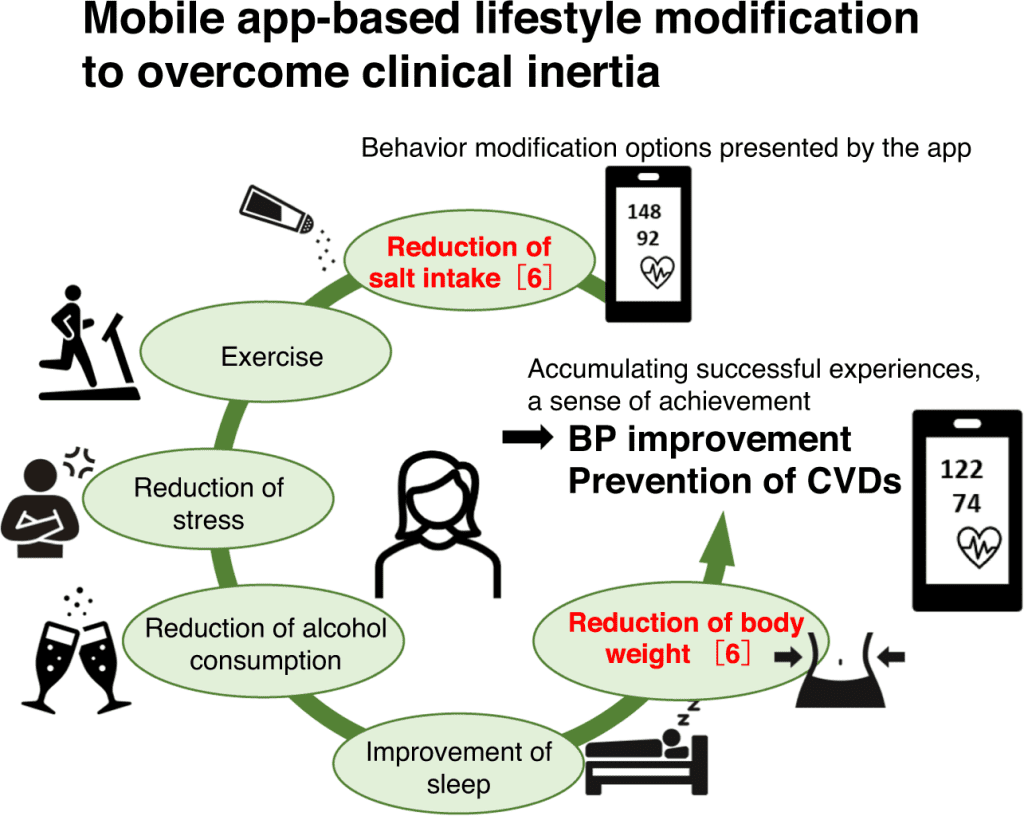
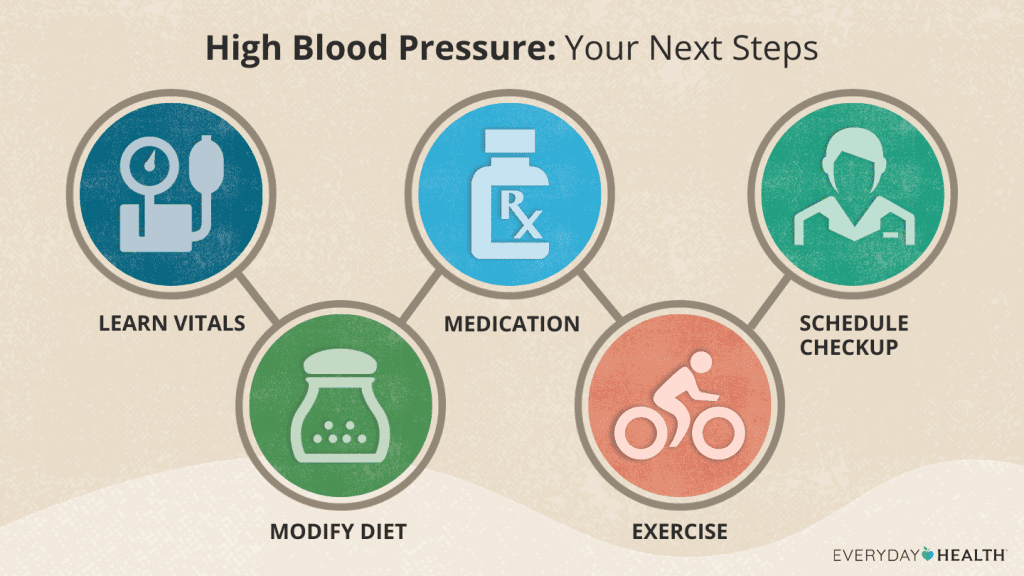
You have the power to take control of your hypertension through simple lifestyle changes and effective medication management. In this article, we will explore the practical steps you can take to manage your high blood pressure and improve your overall health. By making small adjustments to your daily routine and working closely with your healthcare provider, you can actively reduce your blood pressure and achieve a healthier, happier life. So, let’s dive into the world of hypertension management and discover the tools you need to regain control over your well-being.
Understanding Hypertension
Definition of hypertension
Hypertension, also known as high blood pressure, is a common medical condition that occurs when the force of blood against the walls of your arteries is consistently too high. Blood pressure is measured using two numbers. The first number, systolic pressure, represents the force exerted when the heart beats. The second number, diastolic pressure, represents the force when the heart is at rest between beats. A normal blood pressure reading is typically around 120/80 mmHg. However, hypertension is defined as having a blood pressure consistently higher than 130/80 mmHg.
Causes of hypertension
There are several factors that can contribute to the development of hypertension. These include genetics, lifestyle choices, and underlying medical conditions. While some individuals may have a genetic predisposition to hypertension, lifestyle factors such as poor diet, lack of physical activity, smoking, and excessive alcohol consumption can also increase your risk. Additionally, certain medical conditions like obesity, diabetes, and kidney disease can contribute to the development of hypertension.
Risks and complications associated with hypertension
Uncontrolled hypertension can have serious consequences for your health. Over time, the persistent high blood pressure can damage your arteries and organs, increasing the risk of heart disease, stroke, kidney damage, and other complications. Moreover, hypertension often presents with no obvious symptoms, earning it the nickname “the silent killer.” Regular blood pressure monitoring and appropriate management are essential to prevent potential long-term complications.
Lifestyle Changes
Importance of lifestyle changes
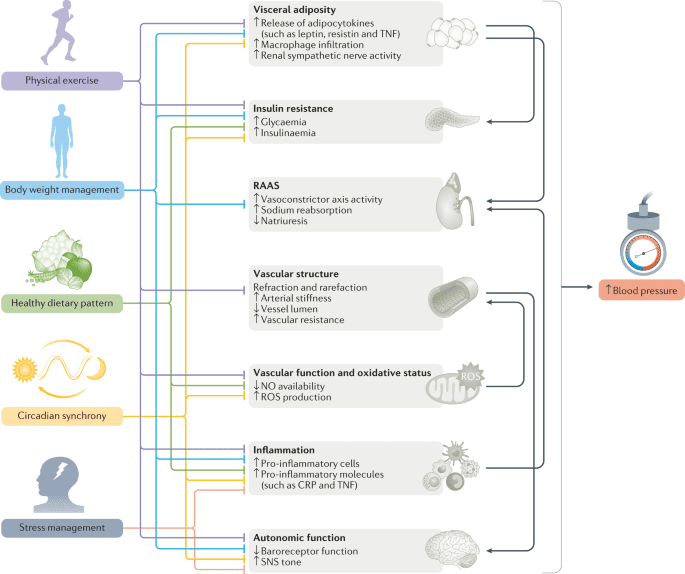
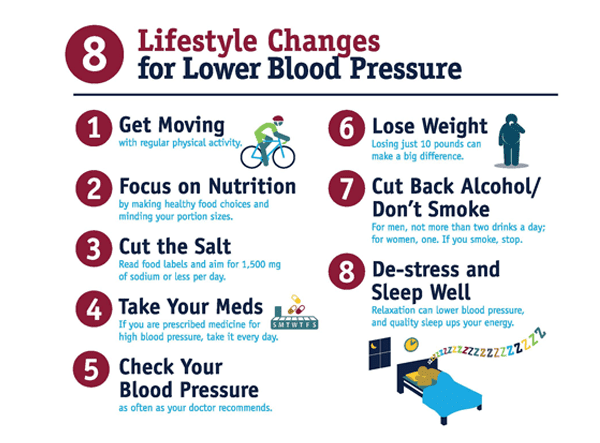
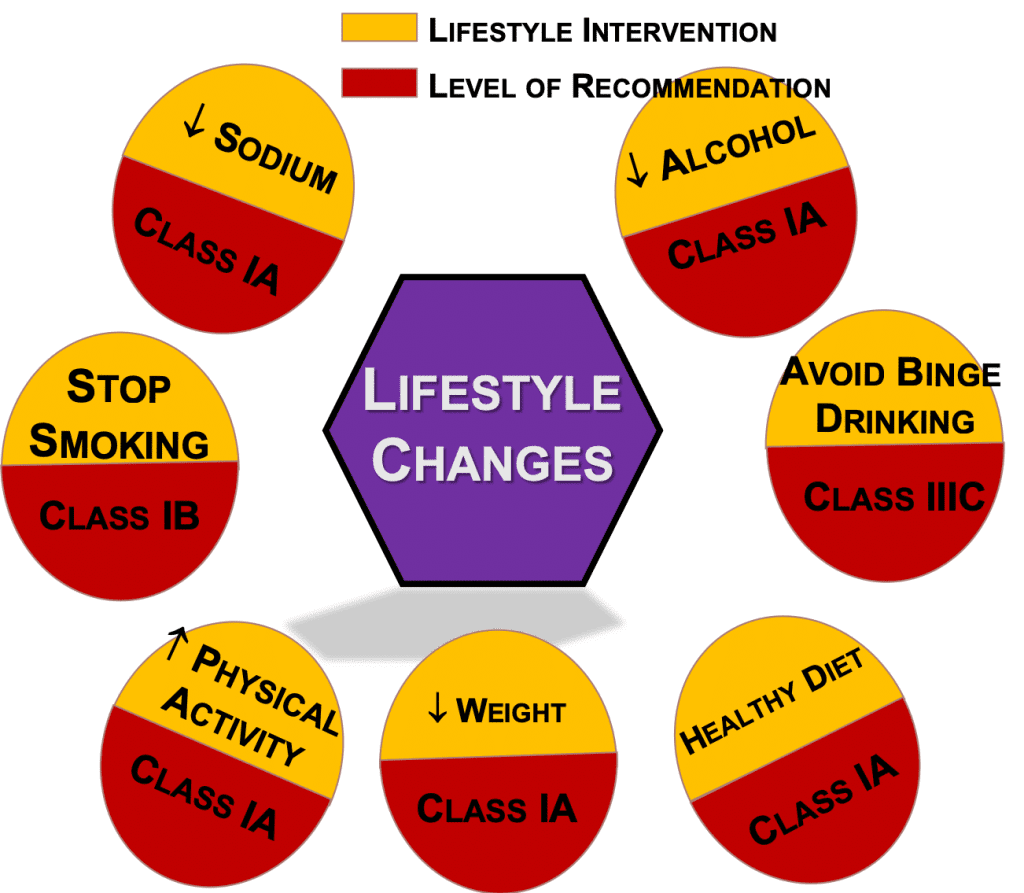
Making necessary lifestyle changes is crucial in managing hypertension effectively. While medication can help control blood pressure, adopting a healthy lifestyle can have a significant impact on reducing and managing hypertension. By implementing positive changes, you can improve your overall health, lower your blood pressure, and reduce your reliance on medication.
Dietary modifications
A healthy diet plays a major role in managing hypertension. The Dietary Approaches to Stop Hypertension (DASH) diet has been proven effective in lowering blood pressure. This diet emphasizes fruits, vegetables, whole grains, lean proteins, and low-fat dairy products while limiting sodium, saturated fats, and cholesterol. By reducing sodium intake and incorporating nutritious foods into your diet, you can help regulate your blood pressure levels.
Exercise and physical activity
Regular physical activity is essential for hypertension management. Engaging in aerobic exercises, such as brisk walking, swimming, or cycling, for at least 150 minutes per week can help lower blood pressure. Exercise not only strengthens your heart and improves circulation but also aids in weight management and stress reduction. Additionally, incorporating strength training exercises at least twice a week can further enhance the benefits.
Stress management techniques
Stress can contribute to high blood pressure, so learning effective stress management techniques is vital. Engaging in activities that promote relaxation, such as deep breathing exercises, meditation, yoga, or spending time in nature, can help lower blood pressure and improve overall well-being. It is also essential to identify sources of stress in your life and find healthy coping mechanisms, such as talking to a supportive friend or practicing mindfulness.
Medication Management
Medications used to treat hypertension
In some cases, lifestyle changes alone may not be sufficient to control hypertension. Medications are often prescribed to help regulate blood pressure. There are several classes of medications commonly used, including diuretics, beta-blockers, ACE inhibitors, angiotensin II receptor blockers (ARBs), calcium channel blockers, and others. These medications work in different ways to lower blood pressure and may be prescribed individually or in combination, depending on the severity of hypertension and individual factors.
Types of blood pressure medications
Diuretics, commonly known as water pills, help your body eliminate excess fluid and sodium, reducing blood volume and lowering blood pressure. Beta-blockers work by slowing the heart rate and reducing the force of contractions, thereby reducing the amount of blood pumped through your arteries. ACE inhibitors and ARBs relax blood vessels, allowing for easier blood flow. Calcium channel blockers prevent calcium from entering the muscle cells of the heart and blood vessels, leading to a decrease in blood pressure.
Side effects and precautions
Like any medication, blood pressure medications can have side effects. It is important to discuss potential side effects with your healthcare provider to ensure you are informed about any possible risks. Common side effects may include dizziness, fatigue, headache, and gastrointestinal issues. It is also crucial to inform your doctor about any other medications you are taking to avoid potential interactions.
Compliance and adherence to medication regimen
Consistently taking your prescribed medications is crucial for effective hypertension management. Stick to the prescribed dosage and timing, and make it a part of your daily routine. If you experience any difficulties adhering to your medication regimen, discuss it with your healthcare provider. They may be able to adjust your medication or provide additional support to ensure you can maintain adherence.
Combining Lifestyle Changes and Medications
The benefits of combining approaches
Combining lifestyle changes with medication can provide the best outcomes in managing hypertension. While medication can help control blood pressure, lifestyle modifications address the underlying causes and contribute to overall well-being. When the two approaches are combined, they complement each other, leading to improved blood pressure control, reduced medication dosage, and a better quality of life.
Balancing lifestyle modifications with medication
It is essential to strike a balance between lifestyle changes and medication management. While lifestyle modifications are beneficial, they should not replace prescribed medications. Instead, they should work in synergy. Maintain a healthy diet, engage in regular physical activity, manage stress effectively, and monitor blood pressure regularly while complying with the prescribed medication regimen. Work closely with your healthcare provider to adjust medication dosage as needed based on your progress.
Evaluating progress and adjusting treatment plan
Regular evaluation of your progress is essential in hypertension management. Monitor your blood pressure regularly and keep a record of your readings. Share this information with your healthcare provider during your check-ups to evaluate the effectiveness of your treatment plan. Based on your progress, your doctor may adjust your medication dosage, make additional lifestyle recommendations, or refer you to specialists if necessary.
Monitoring Blood Pressure
Importance of regular blood pressure monitoring
Regular blood pressure monitoring is a crucial aspect of hypertension management. It allows you to track and evaluate your progress and ensures that your blood pressure remains within a healthy range. By monitoring your blood pressure at home between doctor visits, you can become more involved in your healthcare and make informed decisions about your treatment plan.
Home blood pressure monitoring devices
Home blood pressure monitoring devices are readily available and easy to use. These devices typically consist of an arm cuff and a digital monitor to display the readings. It is important to choose a device validated for accuracy by regulatory bodies. Follow the instructions provided with the device and ensure correct cuff placement for accurate readings. Record your readings consistently and share them with your healthcare provider during your appointments.
Tracking and recording blood pressure readings
Keeping a record of your blood pressure readings is beneficial for both you and your healthcare provider. By tracking your readings over time, patterns and trends can be identified, allowing for better evaluation of your treatment plan’s effectiveness. Record the date, time, and blood pressure readings accurately. You can use paper logs, smartphone apps, or digital tools to document and visualize your progress. Remember to bring your records to your appointments for discussion with your healthcare provider.
Sleep and Hypertension
The impact of sleep on blood pressure
Getting adequate and quality sleep is crucial for maintaining a healthy blood pressure. Sleep deprivation, as well as sleep disorders such as sleep apnea, can contribute to hypertension. When you sleep, your blood pressure naturally lowers, giving your cardiovascular system a chance to rest. However, disrupted sleep can affect this natural process, leading to elevated blood pressure levels. Establishing healthy sleep habits and addressing sleep disorders can help manage hypertension effectively.
Tips for improving sleep quality
To improve sleep quality and promote healthy blood pressure levels, it is important to prioritize good sleep habits. Establish a consistent sleep schedule, ensuring you get 7-8 hours of uninterrupted sleep each night. Create a comfortable sleep environment by keeping your bedroom cool, dark, and quiet. Avoid stimulating activities close to bedtime and limit your consumption of caffeine, nicotine, and alcohol. Additionally, establish a relaxing bedtime routine to signal your body that it is time to rest.
Managing sleep disorders that contribute to hypertension
Sleep disorders such as sleep apnea can significantly impact blood pressure levels. If you suspect you have a sleep disorder, consult with a healthcare provider or a sleep specialist for an accurate diagnosis. Treatment options, such as continuous positive airway pressure (CPAP) therapy, oral appliances, or lifestyle changes, can effectively manage sleep apnea and contribute to better blood pressure control. Addressing sleep disorders in conjunction with other lifestyle changes and medications can lead to more comprehensive hypertension management.
The Role of Weight Management
The connection between weight and blood pressure
Maintaining a healthy weight is essential for managing hypertension. Excess weight puts additional strain on the cardiovascular system, leading to elevated blood pressure. Losing even a modest amount of weight can have a significant impact on lowering blood pressure. Weight management is achieved through a combination of healthy eating, regular physical activity, and behavior modifications.
Weight loss strategies
When aiming for weight loss, it is important to set realistic goals and adopt healthy strategies. Focus on gradual weight loss, aiming for a decrease of 1-2 pounds per week. Incorporate a well-balanced diet with a calorie deficit, aiming for nutrient-dense foods and portion control. Engage in regular physical activity that includes both cardiovascular exercises and strength training. It is important to approach weight loss as a long-term lifestyle change rather than a quick fix, ensuring that the changes are sustainable and promote overall well-being.
Healthy approaches to maintaining a desirable weight
Once you have reached your desired weight, maintaining it is essential for long-term hypertension management. Adopting a healthy lifestyle that incorporates regular physical activity and a balanced diet is key. Continue to monitor your weight regularly and make adjustments to your eating and exercise habits as needed. By maintaining a healthy weight, you can help prevent the reoccurrence of hypertension and maintain optimal health.
Reducing Sodium Intake
Effect of sodium on blood pressure
Sodium, commonly found in table salt and many processed foods, can contribute to hypertension. Excess sodium intake leads to fluid retention, increasing blood volume and putting added strain on the arteries. It is important to limit sodium consumption to maintain healthy blood pressure levels.
Tips for reducing sodium consumption
Reducing sodium intake can be achieved through simple yet effective strategies. Read food labels and choose low-sodium or sodium-free alternatives whenever possible. Avoid adding salt to your meals and limit your intake of high-sodium condiments and sauces. Opt for fresh, whole foods instead of processed foods, as they are typically lower in sodium. Experiment with herbs, spices, and other flavorings to enhance the taste of your meals without relying on salt.
Reading food labels and making wise choices
When grocery shopping, take the time to read and understand food labels. Pay attention to the serving sizes and the sodium content listed per serving. Scan the ingredients list for sodium-related terms, such as sodium chloride, monosodium glutamate (MSG), and sodium nitrate. Choose products with lower sodium content or search for low-sodium alternatives. By making informed choices about the foods you consume, you can effectively reduce your sodium intake and manage your blood pressure.
Controlling Alcohol Consumption
The impact of alcohol on hypertension
Excessive alcohol consumption can have detrimental effects on blood pressure. While moderate alcohol consumption has been associated with some health benefits, excessive drinking can raise your blood pressure and increase the risk of developing hypertension. It is important to be mindful of your alcohol intake and understand the recommended limits.
Recommended alcohol limits for individuals with high blood pressure
To maintain healthy blood pressure levels, it is recommended that individuals with hypertension limit their alcohol consumption. Men should aim for no more than two standard alcoholic drinks per day, while women should limit their intake to one standard drink per day. It is important to note that one standard drink is equivalent to 14 grams of pure alcohol and can vary depending on the type of alcoholic beverage consumed.
Strategies for reducing alcohol intake
If you find it challenging to limit your alcohol consumption, there are several strategies that can help. Set specific goals for yourself, such as having alcohol-free days or reducing the number of drinks consumed per week. Seek support from friends, family, or support groups who can help you stay accountable. Find healthier alternatives, such as mocktails or non-alcoholic beverages, to enjoy during social events. Monitoring your alcohol intake and being aware of the impact it can have on your blood pressure are important steps towards managing your hypertension effectively.
Managing Stress
Understanding the relationship between stress and hypertension
Stress can have a significant impact on blood pressure levels. When you experience stress, your body releases hormones that temporarily raise your blood pressure. While this is a natural response, chronic or prolonged stress can contribute to the development and worsening of hypertension. Understanding the relationship between stress and blood pressure is essential for effective management.
Relaxation techniques and stress management strategies
Incorporating relaxation techniques into your daily routine can help manage stress and lower blood pressure. Engaging in activities such as deep breathing exercises, meditation, progressive muscle relaxation, or guided imagery can induce a relaxation response. Taking breaks throughout the day to practice stress-reducing techniques can help alleviate tension and promote overall well-being. It is important to find the relaxation techniques that work best for you and make them a regular part of your routine.
Seeking professional help when necessary
If stress management techniques alone are not sufficient, seeking professional help can be beneficial. A therapist or counselor can provide guidance and support to help you develop effective coping strategies. They can also help you identify and address underlying factors contributing to stress. Additionally, engaging in stress management programs or attending support groups can provide valuable tools and a supportive community. Remember, you don’t have to tackle stress alone, and reaching out for help is a sign of strength.
By understanding hypertension, making lifestyle changes, managing medications, monitoring blood pressure, focusing on sleep quality, maintaining a healthy weight, reducing sodium intake, controlling alcohol consumption, and effectively managing stress, you can take control of your hypertension and improve your overall health and well-being. Remember to consult with your healthcare provider to develop a personalized treatment plan that suits your specific needs. With dedication and proactive measures, you can manage hypertension and lead a healthier life.