Planning a trip can be an exciting endeavor, but when you have chronic conditions to consider, it can also bring about some additional challenges. From managing your medications and doctor’s appointments to finding accessible accommodations and transportation, there are several factors to take into account to ensure a safe and enjoyable journey. In this article, we will explore some helpful tips and reminders to keep in mind when traveling with chronic conditions. Have you ever wanted to take a dream vacation, but hesitated because of your chronic health condition? Traveling with chronic conditions can indeed be challenging, but with the right preparation and mindset, it is definitely possible. In this article, we will discuss what you should consider when traveling with chronic conditions, so you can embark on your next adventure with confidence and peace of mind.
Understanding Your Condition
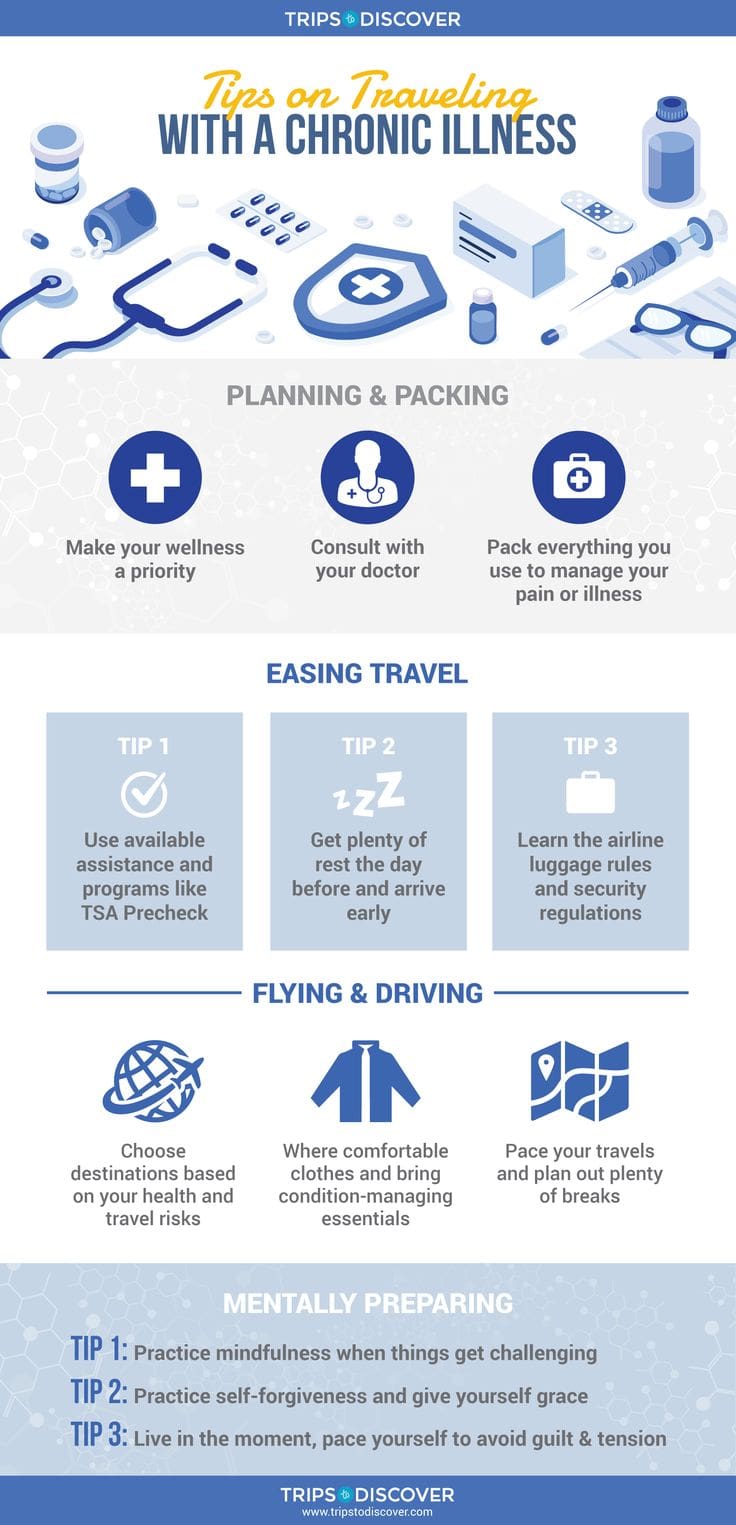
Before you start planning your trip, it’s important to have a thorough understanding of your chronic condition. Knowing the ins and outs of your condition will help you anticipate any flare-ups or complications that may arise during your travels. Make sure to consult with your healthcare provider to discuss your travel plans and get their recommendations on how to manage your condition while away.
Packing Essentials
When traveling with a chronic condition, it’s crucial to pack all the necessary medications, medical supplies, and documentation. Create a checklist of everything you need and make sure to pack extra supplies in case of unexpected delays. Organize your medications in a pill organizer or separate Ziploc bags to keep everything in order. Don’t forget to carry a copy of your prescriptions, medical history, and emergency contacts in case of an emergency.
Choosing the Right Destination
When selecting a destination for your trip, consider the climate, altitude, and accessibility of healthcare facilities. Certain destinations may not be suitable for individuals with specific chronic conditions. For example, if you have asthma, you may want to avoid destinations with high levels of air pollution. Research your destination thoroughly and ensure that it caters to your health needs.
Accommodation Considerations
Booking the right accommodation is key when traveling with a chronic condition. Look for hotels or vacation rentals that offer accessible facilities, such as elevators, grab bars, and medical assistance if needed. Inform the hotel staff about your condition in advance so they can make any necessary accommodations for your stay. Consider booking a room on the ground floor for easier accessibility.
Travel Insurance
Investing in travel insurance is a must when traveling with chronic conditions. Travel insurance can provide coverage for medical emergencies, trip cancellations, and lost luggage, giving you peace of mind during your trip. Make sure to disclose all pre-existing conditions to your insurance provider to ensure you are adequately covered. Compare different insurance plans to find one that meets your specific needs.
Transportation Options
When planning your trip, consider the mode of transportation that best suits your health needs. If you have mobility issues, look for airlines or trains that offer wheelchair assistance. Consider renting a car at your destination for added flexibility and comfort. If you are prone to motion sickness, opt for a larger vehicle with smoother rides. Plan your transportation ahead of time to minimize stress during your journey.
Managing Medications
Managing your medications while traveling is essential to maintaining your health. Keep your medications in their original packaging to avoid any customs issues. Carry a medication list with you at all times, detailing the names of your medications, dosages, and schedule. Set alarms or reminders on your phone to ensure you take your medications on time, even when crossing different time zones.
Hydration and Nutrition
Staying hydrated and maintaining a healthy diet are crucial when traveling with chronic conditions. Pack a refillable water bottle to stay hydrated throughout your journey. Opt for healthy snacks and meals to keep your energy levels up and prevent any blood sugar spikes. Research restaurants or grocery stores at your destination that offer options suitable for your dietary restrictions.

Rest and Relaxation
Traveling can be tiring, especially when managing a chronic condition. Listen to your body and take breaks when needed. Plan rest days in between activities to recharge and relax. Incorporate gentle exercises, such as stretching or walking, to keep your body moving. Allocate time for relaxation, whether it’s reading a book, meditating, or enjoying a soothing bath at the end of the day.
Communication with Travel Companions
If you are traveling with friends or family, make sure to communicate your health needs and limitations with them. Discuss your condition openly and let them know how they can support you during the trip. Set realistic expectations for activities and outings to avoid overexerting yourself. Encourage open dialogue and ask for help when needed to ensure a smooth and enjoyable trip for everyone.
Conclusion
Traveling with chronic conditions may require extra planning and preparation, but it should not deter you from exploring the world and creating lasting memories. By understanding your condition, packing essentials, choosing the right destination, and taking care of your health needs, you can embark on your next adventure with confidence. Remember to prioritize self-care, listen to your body, and enjoy the journey one step at a time. Safe travels!