
Welcome to “The Ultimate Guide to Pelvic Floor Health for Women.” In this article, you will learn everything you need to know about how to keep your pelvic floor strong and healthy. From exercises to lifestyle tips, we will cover it all to help you take control of your pelvic health and overall well-being. So sit back, relax, and get ready to empower yourself with the knowledge you need to maintain a healthy pelvic floor. Have you ever wondered about the importance of pelvic floor health for women? Your pelvic floor muscles play a crucial role in your overall well-being, from supporting your pelvic organs to controlling bladder and bowel function. In this ultimate guide, we will explore everything you need to know to maintain and improve your pelvic floor health.

Understanding the Pelvic Floor
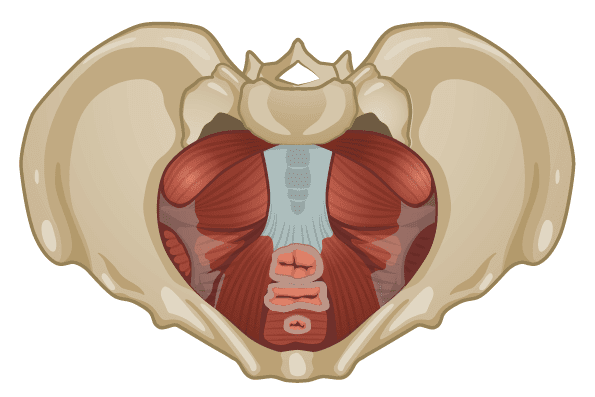
Let’s start by discussing what exactly the pelvic floor is. Your pelvic floor is a group of muscles, ligaments, and tissues that form a sling at the bottom of your pelvis. These muscles support your pelvic organs, including the bladder, uterus, and rectum. They also play a key role in controlling urinary and bowel function, as well as sexual function.
Why is Pelvic Floor Health Important?
Maintaining strong and healthy pelvic floor muscles is crucial for a variety of reasons. Weak pelvic floor muscles can lead to urinary incontinence, pelvic organ prolapse, and sexual dysfunction. By keeping your pelvic floor muscles in top shape, you can prevent these issues and improve your overall quality of life.
Signs of Pelvic Floor Dysfunction
It’s important to be aware of the signs of pelvic floor dysfunction so that you can address any issues early on. Some common signs of pelvic floor dysfunction include:
- Urinary incontinence (leaking urine when you cough, sneeze, or laugh)
- Pelvic pain or pressure
- Pain during intercourse
- Constipation or difficulty emptying your bladder
- Pelvic organ prolapse (a condition where pelvic organs bulge into the vagina)
If you’re experiencing any of these symptoms, it’s essential to consult with your healthcare provider for a proper evaluation and treatment plan.
Factors Contributing to Pelvic Floor Issues
Several factors can contribute to pelvic floor issues in women. These factors include:
Pregnancy and Childbirth
Pregnancy and childbirth can put a significant strain on your pelvic floor muscles, leading to weakness and dysfunction. The weight of the baby during pregnancy and the stretching of the pelvic floor during childbirth can contribute to pelvic floor issues.
Hormonal Changes
Hormonal changes, such as those that occur during menopause, can also affect the health of your pelvic floor. Estrogen plays a key role in maintaining the strength and elasticity of the pelvic floor muscles, so a decrease in estrogen levels can lead to pelvic floor weakness.
Chronic Constipation
Chronic constipation can cause excessive straining during bowel movements, which can weaken the pelvic floor muscles over time. It’s essential to maintain good bowel habits to prevent pelvic floor issues.
Exercises for Pelvic Floor Health
One of the best ways to improve and maintain pelvic floor health is through pelvic floor exercises, also known as Kegel exercises. These exercises involve contracting and relaxing the pelvic floor muscles to improve strength and control.
How to Do Kegel Exercises
To perform Kegel exercises, follow these steps:
- Identify your pelvic floor muscles by stopping the flow of urine midstream.
- Contract your pelvic floor muscles, as if you’re trying to lift them up and in.
- Hold the contraction for a few seconds, then relax.
- Repeat this contraction and relaxation pattern several times in a row.
Incorporating Kegel Exercises Into Your Routine
It’s essential to perform Kegel exercises regularly to see results. Aim to do at least three sets of 10-15 Kegel exercises each day. You can easily incorporate these exercises into your daily routine by doing them while watching TV, sitting at your desk, or even while driving.
Biofeedback and Electrical Stimulation
If you have difficulty identifying and contracting your pelvic floor muscles, you may benefit from biofeedback or electrical stimulation therapy. These techniques can help you better understand how to engage your pelvic floor muscles and improve the effectiveness of your exercises.
Lifestyle Tips for Pelvic Floor Health
In addition to pelvic floor exercises, there are several lifestyle changes you can make to improve your pelvic floor health. Here are some tips to keep in mind:
Maintain a Healthy Weight
Excess weight can put added pressure on your pelvic floor muscles, increasing the risk of dysfunction. By maintaining a healthy weight through a balanced diet and regular exercise, you can reduce this pressure and support your pelvic floor health.
Stay Hydrated
Dehydration can lead to constipation, which can strain your pelvic floor muscles. Make sure to drink an adequate amount of water throughout the day to keep your bowels regular and prevent pelvic floor issues.
Avoid Heavy Lifting
Repeatedly lifting heavy objects can strain your pelvic floor muscles and lead to weakness over time. If you need to lift something heavy, remember to engage your pelvic floor muscles and use proper lifting techniques to protect them.
Seeking Professional Help
If you’re experiencing persistent pelvic floor issues or have difficulty with pelvic floor exercises, it’s essential to seek help from a healthcare provider specializing in pelvic floor health. A pelvic floor physical therapist can assess your condition, provide tailored treatment options, and guide you in effectively strengthening your pelvic floor muscles.
Pelvic Floor Physical Therapy
Pelvic floor physical therapy is a specialized form of therapy focused on improving pelvic floor function. During pelvic floor physical therapy, a trained therapist will work with you to identify and address any issues contributing to your pelvic floor dysfunction. This may include manual therapy techniques, exercise programs, and lifestyle recommendations.
Conclusion
Maintaining optimal pelvic floor health is essential for women of all ages. By understanding the importance of your pelvic floor muscles and taking proactive steps to improve their strength and function, you can prevent pelvic floor issues and enjoy better overall well-being. Remember to perform regular pelvic floor exercises, make healthy lifestyle choices, and seek professional help if needed to support your pelvic floor health. Your pelvic floor will thank you!