Living with chronic liver disease can be challenging, but with these top tips, you can effectively manage your condition and improve your quality of life. From maintaining a healthy diet and staying hydrated to avoiding alcohol and getting regular exercise, these simple yet effective strategies will help you navigate the everyday challenges of living with chronic liver disease. By implementing these tips, you can take control of your health and ensure a happier and healthier future.
Understanding Chronic Liver Disease
Chronic liver disease is a serious health condition that affects the liver over a long period of time. There are various types of chronic liver disease, each with its own causes and symptoms. Understanding these aspects is crucial for managing the condition effectively.
Types of chronic liver disease
There are several types of chronic liver disease, including hepatitis B and C, alcoholic liver disease, non-alcoholic fatty liver disease (NAFLD), and autoimmune liver diseases such as autoimmune hepatitis and primary biliary cholangitis. Each condition has its own specific characteristics and treatment approaches.
Causes of chronic liver disease
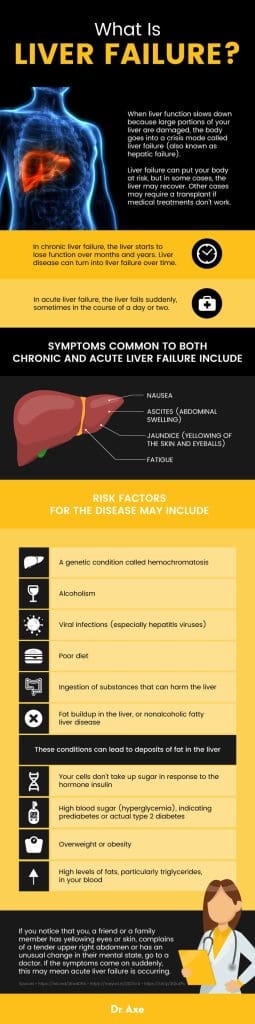
The causes of chronic liver disease can vary depending on the specific condition. For instance, hepatitis B and C are viral infections that can be transmitted through contaminated blood or body fluids, while alcoholic liver disease is caused by long-term excessive alcohol consumption. NAFLD is often associated with obesity, high cholesterol, and diabetes, while autoimmune liver diseases are caused by an overactive immune system attacking the liver.
Symptoms of chronic liver disease
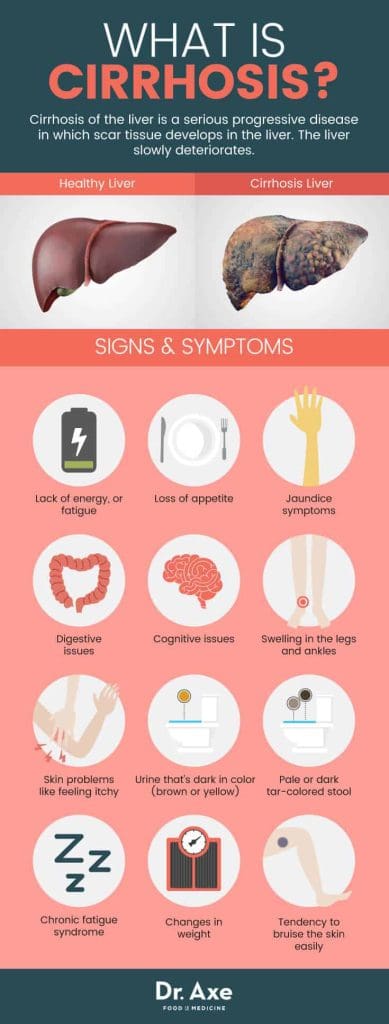
The symptoms of chronic liver disease can also vary, but common signs include fatigue, jaundice (yellowing of the skin and eyes), abdominal pain and swelling, easy bruising or bleeding, and changes in mental alertness. It is important to note that many individuals with liver disease do not experience any symptoms until the disease has progressed significantly, underscoring the importance of early detection through medical diagnosis.
Importance of medical diagnosis
Receiving a proper medical diagnosis is crucial for effectively managing chronic liver disease. Diagnosis typically involves a combination of blood tests, imaging studies, and liver biopsies. It is important to consult with a healthcare professional who specializes in liver disease to accurately assess the condition, determine the underlying cause, and develop an appropriate treatment plan. Regular monitoring of liver function tests is also essential to track the progression of the disease and make necessary adjustments to the treatment approach.
Managing Diet and Nutrition
Proper diet and nutrition play a vital role in managing chronic liver disease. Adopting a balanced diet is crucial to support overall liver health and minimize further damage.
Importance of a balanced diet
A balanced diet ensures that your body receives all the necessary nutrients for optimal functioning. In the case of chronic liver disease, a balanced diet helps support liver function, promotes healing, and reduces inflammation. It is important to consult with a registered dietitian who specializes in liver disease to develop an individualized meal plan that meets your specific nutritional needs.
Recommended dietary restrictions
In some cases of chronic liver disease, dietary restrictions may be necessary to prevent further liver damage. These restrictions typically involve limiting sodium (salt) intake to reduce fluid accumulation, minimizing protein intake to alleviate the workload on the liver, and avoiding foods high in saturated fats and cholesterol to prevent fat buildup in the liver. Your healthcare provider and dietitian can guide you in making the necessary dietary adjustments.
Foods to consume for liver health
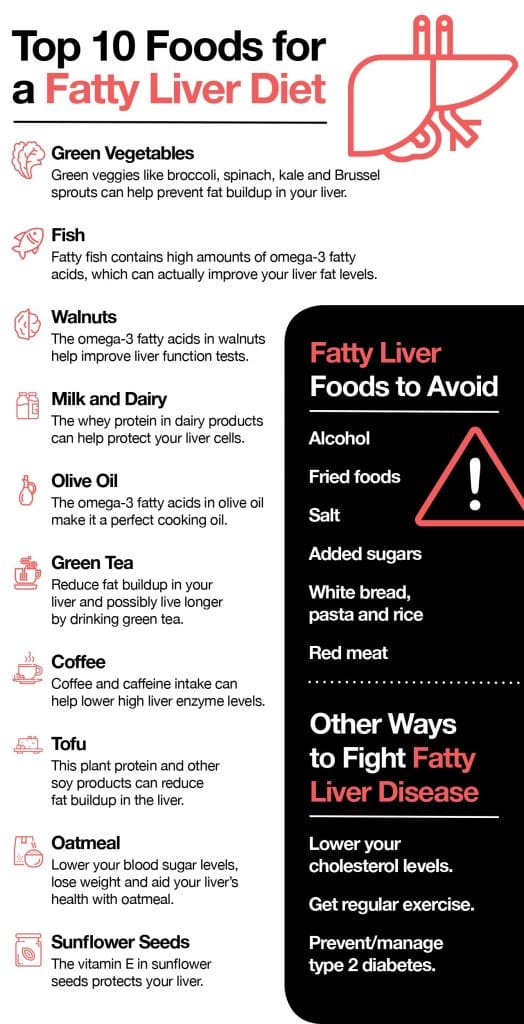
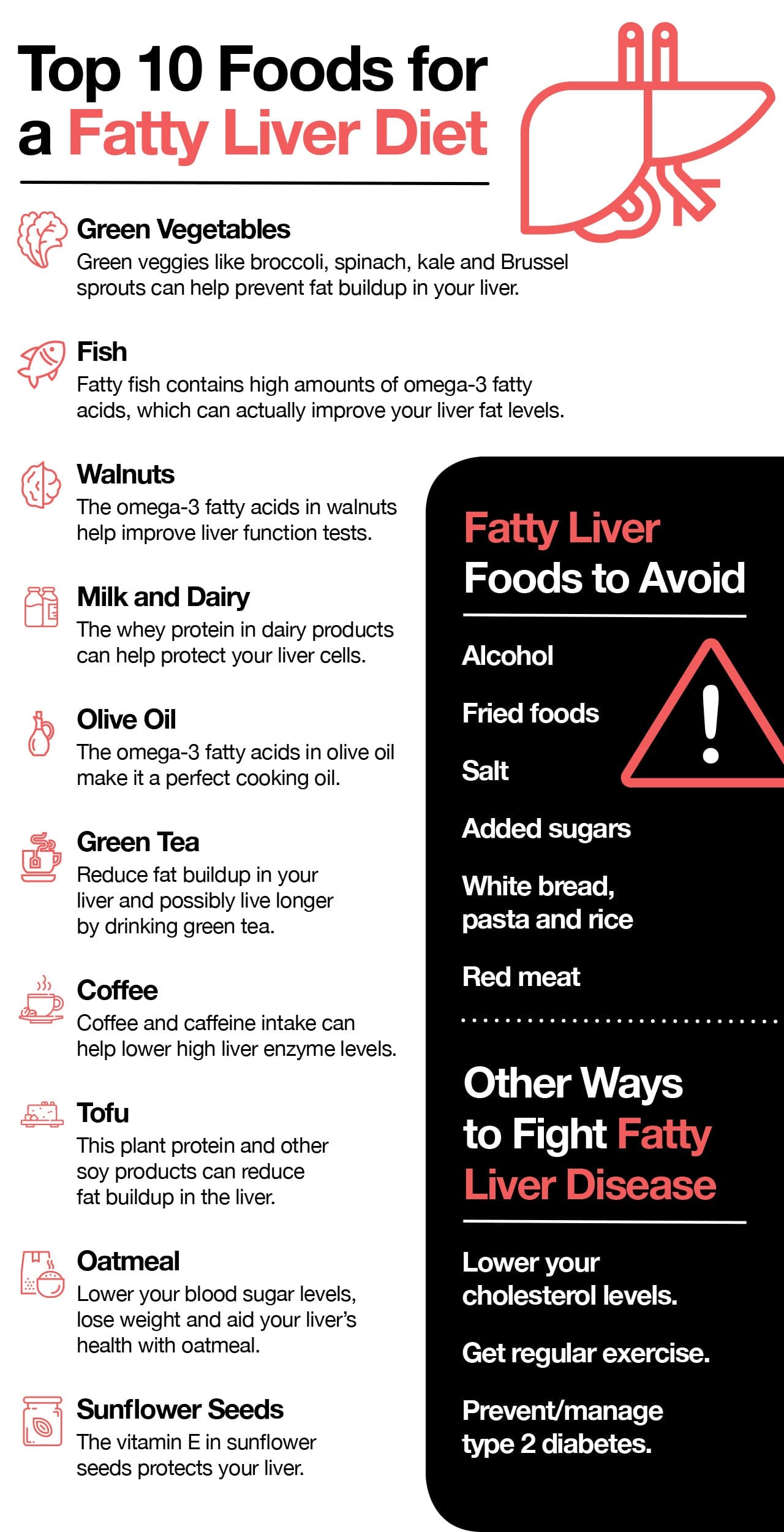
Certain foods can help support liver health and minimize the progression of chronic liver disease. These include fruits and vegetables, whole grains, lean proteins, and healthy fats such as those found in nuts, seeds, and fish. It is also important to include foods rich in antioxidants, such as berries and green tea, to help reduce inflammation and oxidative stress on the liver.
The role of hydration
Staying properly hydrated is crucial for maintaining liver health. Water helps flush toxins out of the body and supports the liver’s detoxification processes. It is important to consume an adequate amount of water throughout the day and limit the intake of sugary beverages and alcoholic drinks, as they can further strain the liver.
Limiting alcohol intake
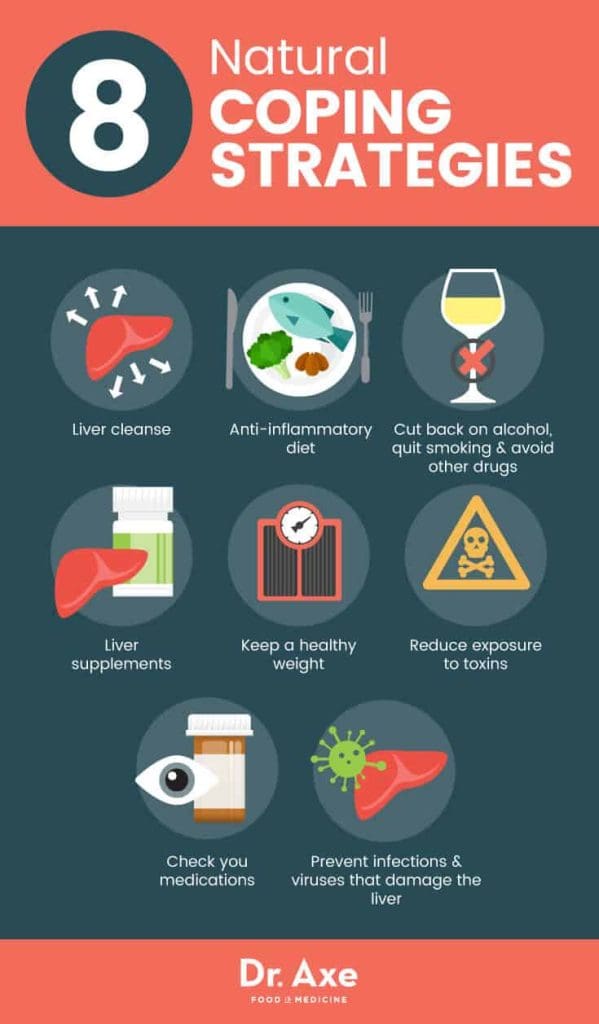
If you have chronic liver disease, it is imperative to limit or completely eliminate alcohol consumption. Even small amounts of alcohol can further damage the liver and exacerbate symptoms. It is important to seek support from healthcare professionals and support groups if you are struggling with alcohol addiction.
Maintaining Medication and Treatment Plan
In addition to proper diet and nutrition, maintaining a medication and treatment plan is essential for managing chronic liver disease effectively. Following prescribed medications, understanding potential side effects and precautions, and exploring alternative treatments are all important aspects of this process.
Understanding prescribed medications
Your healthcare provider may prescribe medications to manage various aspects of chronic liver disease, such as antiviral medications for viral hepatitis or medications to alleviate symptoms and slow down disease progression. It is crucial to understand the purpose of each medication, how and when to take them, and any potential interactions or contraindications.
Adhering to medication schedule
Consistency in taking prescribed medications is crucial for their effectiveness. It is important to follow the prescribed dosage and schedule, even if you are feeling better or experiencing side effects. If you have difficulty remembering to take medications, consider setting reminders or incorporating them into your daily routine to ensure adherence.
Potential side effects and precautions
Some medications used to manage chronic liver disease may have potential side effects. It is important to be aware of these side effects and communicate any changes or concerns to your healthcare provider. They can provide guidance on managing side effects or adjust the medication dose if necessary. Additionally, it is important to check with your healthcare provider before taking any over-the-counter medications or supplements, as they may interact with prescribed medications.
Alternative treatments and therapies
In addition to conventional medical treatments, there may be alternative treatments and therapies that can complement your treatment plan. These may include herbal remedies, acupuncture, or certain dietary supplements. However, it is important to discuss these options with your healthcare provider before incorporating them into your routine, as they may interact with medications or have potential risks.
The importance of regular check-ups
Regular check-ups with your healthcare provider are essential for monitoring the progression of chronic liver disease and adjusting the treatment plan accordingly. These visits often involve liver function tests and imaging studies to assess the liver’s condition and determine the effectiveness of the treatment approach. It is important to attend these appointments as scheduled and communicate any changes or concerns to your healthcare provider.
Incorporating Physical Activity
Physical activity is a valuable component of managing chronic liver disease, as it offers numerous benefits for liver health and overall well-being.