Managing a chronic illness can be overwhelming, but creating a routine can help bring structure and consistency to your days. By setting up a schedule for medications, doctor’s appointments, self-care practices, and rest periods, you can better manage your symptoms and reduce stress. Establishing a routine allows you to stay organized and stay on top of your health needs, ultimately leading to better overall well-being. So, take the time to build a routine that works for you and your specific condition, and watch as it helps you navigate through the challenges of living with a chronic illness. Have you ever struggled with managing a chronic illness? Whether it’s diabetes, fibromyalgia, Crohn’s disease, or any other condition, finding a balance and routine can make a significant difference in your quality of life. In this article, we will explore the importance of building a routine for managing chronic illness and provide you with practical tips and strategies to help you create a routine that works for you. Let’s get started!
Understanding Chronic Illness
Living with a chronic illness can be challenging, both physically and emotionally. It’s essential to understand your condition, including symptoms, triggers, and treatment options. By educating yourself about your illness, you can make informed decisions about your health and well-being.
Take the time to research your condition and consult with healthcare professionals to gain a better understanding of how it affects your body. Knowledge is power when it comes to managing chronic illness.
The Benefits of Having a Routine
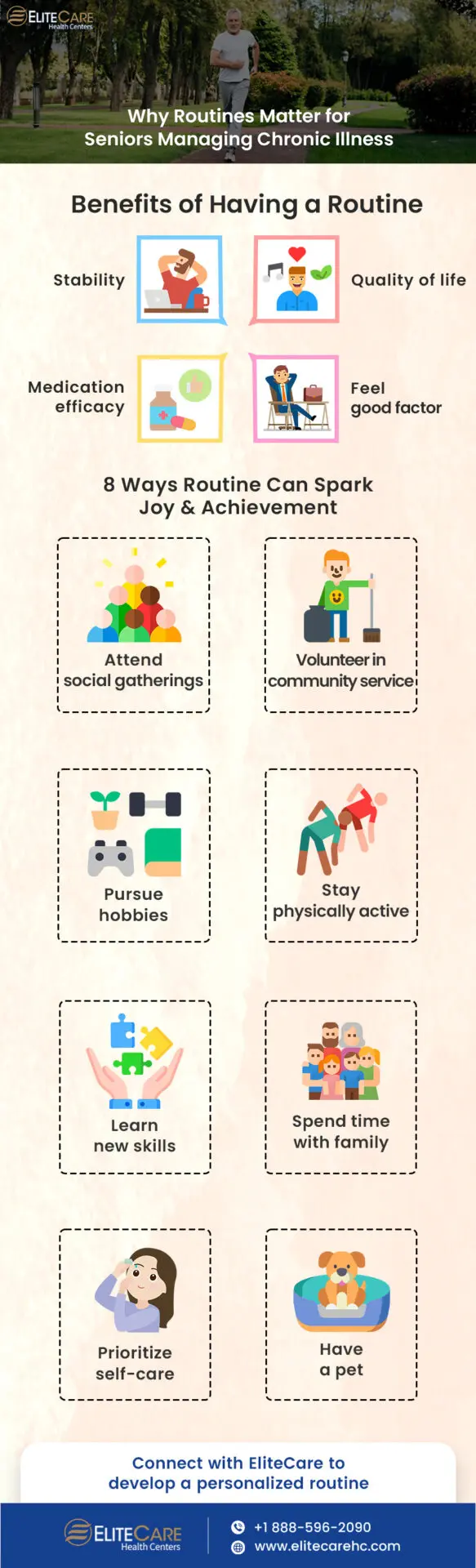
Establishing a daily routine can provide structure, stability, and a sense of control in your life, especially when dealing with a chronic illness. Having a routine can help you manage symptoms, stay organized, and improve your overall well-being.
By creating a routine, you can establish healthy habits, reduce stress, and make it easier to manage your illness effectively. A routine can also help you prioritize self-care and ensure that you are taking care of your physical and emotional needs.
Tips for Building a Routine
Creating a routine for managing chronic illness may seem overwhelming at first, but with some planning and flexibility, you can develop a routine that works for you. Here are some tips to help you get started:
1. Set realistic goals: Identify your priorities and what you want to achieve with your routine. Start small and gradually add new habits or activities to your routine.
2. Create a daily schedule: Design a daily schedule that includes time for medication, treatments, meals, exercise, rest, and other activities. Be flexible and allow room for adjustments as needed.
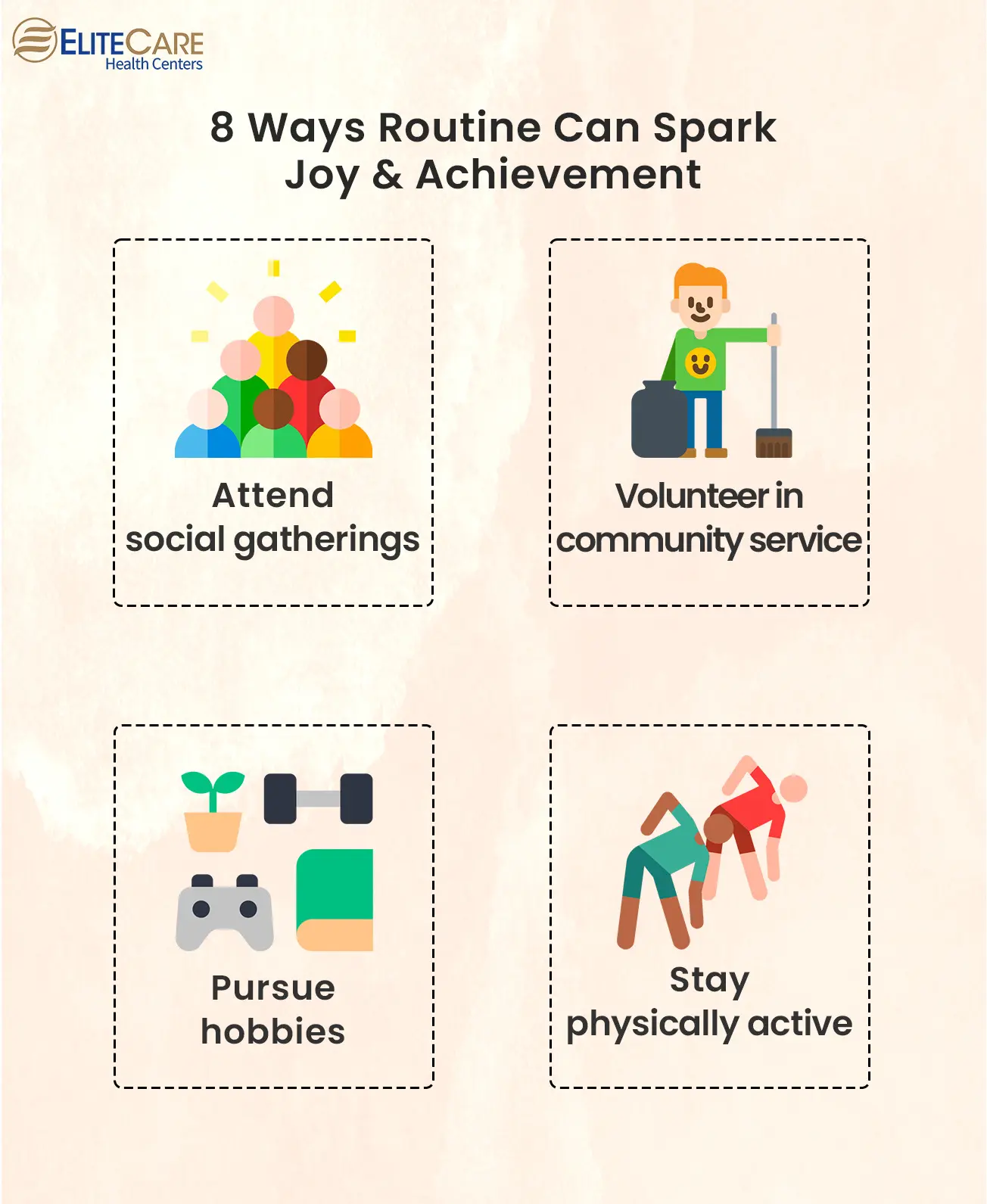
3. Prioritize self-care: Make self-care a priority in your routine. Schedule time for relaxation, hobbies, socializing, and activities that bring you joy and fulfillment.
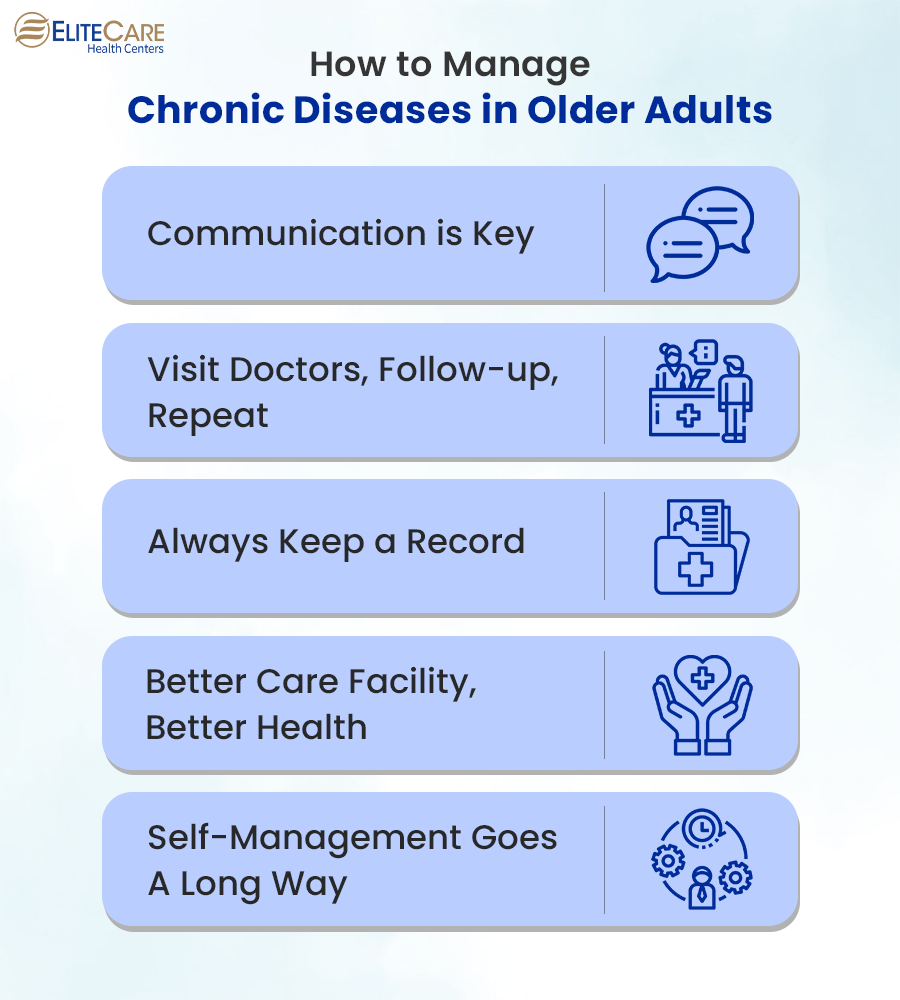
4. Stay organized: Keep track of appointments, medications, symptoms, and other important information related to your illness. Use a planner, journal, or app to stay organized and informed.
5. Listen to your body: Pay attention to your body’s signals and adjust your routine accordingly. Rest when you need to, modify activities based on how you feel, and communicate with your healthcare team about any changes or concerns.
Creating a Balanced Routine
Balancing all aspects of your life while managing a chronic illness can be challenging, but with a well-rounded routine, you can establish a sense of equilibrium and harmony. Here are some tips for creating a balanced routine:
1. Include physical activity: Incorporate regular exercise into your routine to improve your physical health and well-being. Choose activities that you enjoy and are suitable for your condition.
2. Eat a healthy diet: Fuel your body with nutritious foods that support your overall health and help manage your illness. Consult with a dietitian or nutritionist to create a meal plan that meets your dietary needs.
3. Prioritize sleep: Ensure you get an adequate amount of quality sleep each night to support healing, energy levels, and overall wellness. Establish a bedtime routine and create a sleep-friendly environment.
4. Manage stress: Implement stress-reducing activities into your routine, such as mindfulness, meditation, deep breathing, or relaxation techniques. Find what works for you and practice stress management regularly.
5. Stay connected: Maintain relationships with family, friends, support groups, or healthcare providers to stay connected, receive emotional support, and build a strong support system. Social connections are essential for managing chronic illness.

Adapting Your Routine
As you navigate the ups and downs of living with a chronic illness, it’s essential to be adaptable and make changes to your routine as needed. Your health needs and circumstances may evolve over time, requiring adjustments to your routine.
1. Monitor your symptoms: Keep track of your symptoms, triggers, and how you respond to treatments or lifestyle changes. Use a symptom tracker or journal to monitor your health and make informed decisions.
2. Communicate with your healthcare team: Stay in touch with your healthcare providers, specialists, therapists, or other professionals involved in your care. Share updates on your health, discuss any concerns, and collaborate on your treatment plan.
3. Be open to change: Be open-minded and willing to make adjustments to your routine based on new information, insights, or recommendations from your healthcare team. Flexibility is key to adapting to changing circumstances.
4. Practice self-compassion: Be kind and patient with yourself as you navigate the challenges of living with a chronic illness. Allow yourself grace, self-care, and understanding as you adjust to changes and setbacks.
5. Seek support: Reach out to family, friends, support groups, or mental health professionals for emotional support, guidance, and encouragement. Building a community of support can help you cope with the challenges of managing chronic illness.
Conclusion
Managing a chronic illness requires dedication, resilience, and a supportive environment. By building a routine that prioritizes self-care, balance, and flexibility, you can improve your quality of life and effectively manage your condition. Remember that it’s okay to seek help, make changes, and adapt your routine as needed. You are not alone in this journey, and with the right tools and strategies, you can create a routine that empowers you to live well with chronic illness. Start today and take control of your health and well-being.