
Welcome to an informative article on the top ways to reduce chronic pain without medication. Whether you’re dealing with back pain, arthritis, migraines, or any other type of chronic pain, there are natural methods that can help alleviate your symptoms and improve your quality of life. From exercise and relaxation techniques to dietary changes and alternative treatments, you’ll discover a variety of strategies to help you manage your pain and feel better without relying on medication. Say goodbye to constant pain and hello to a more comfortable and fulfilling life with these simple yet effective solutions. Have you been struggling with chronic pain and looking for alternative ways to manage it without relying on medications? You’re not alone. Chronic pain can be debilitating and affect every aspect of your life. In this article, we will explore the top ways to reduce chronic pain without medication, so you can find relief and improve your quality of life. Let’s dive in!

Understanding Chronic Pain
Chronic pain is defined as pain that lasts for more than 12 weeks and can be caused by various conditions such as arthritis, fibromyalgia, nerve damage, or injuries. Unlike acute pain, which is a normal sensation that alerts us to possible injury, chronic pain persists over time and can be challenging to treat. Understanding the underlying causes of your chronic pain is essential to finding effective ways to manage and reduce it.
What Causes Chronic Pain?
Chronic pain can be caused by a variety of factors including inflammation, nerve damage, muscle tension, or psychological factors such as stress and anxiety. Identifying the root cause of your chronic pain is crucial to developing a personalized treatment plan that addresses your specific needs and condition.
Incorporating Mind-Body Techniques
Mind-body techniques such as meditation, deep breathing exercises, and mindfulness can be powerful tools for managing chronic pain without medication. These techniques focus on the connection between the mind and body and can help reduce stress, improve relaxation, and promote overall well-being.
Meditation and Mindfulness
Practicing meditation and mindfulness can help you become more aware of your thoughts, emotions, and physical sensations, allowing you to better cope with chronic pain. Meditation techniques such as guided imagery, body scan, and loving-kindness meditation can help you relax your body and mind, reducing the perception of pain.
Deep Breathing Exercises
Deep breathing exercises can help promote relaxation, reduce muscle tension, and improve oxygen flow to your body, which can help alleviate chronic pain. Try incorporating deep breathing exercises into your daily routine, such as diaphragmatic breathing or pursed lip breathing, to experience the benefits of improved breathing patterns.
Physical Therapy and Exercise
Physical therapy and regular exercise can play a crucial role in reducing chronic pain by improving flexibility, strength, and overall function. A physical therapist can develop a personalized exercise plan tailored to your specific needs and condition, helping you manage pain and prevent further limitations.
Benefits of Physical Therapy
Physical therapy can help improve your range of motion, reduce stiffness, and alleviate muscle imbalances that may be contributing to your chronic pain. By working with a physical therapist, you can receive expert guidance on proper techniques and exercises to strengthen your body and improve your overall physical health.
Types of Exercise for Chronic Pain
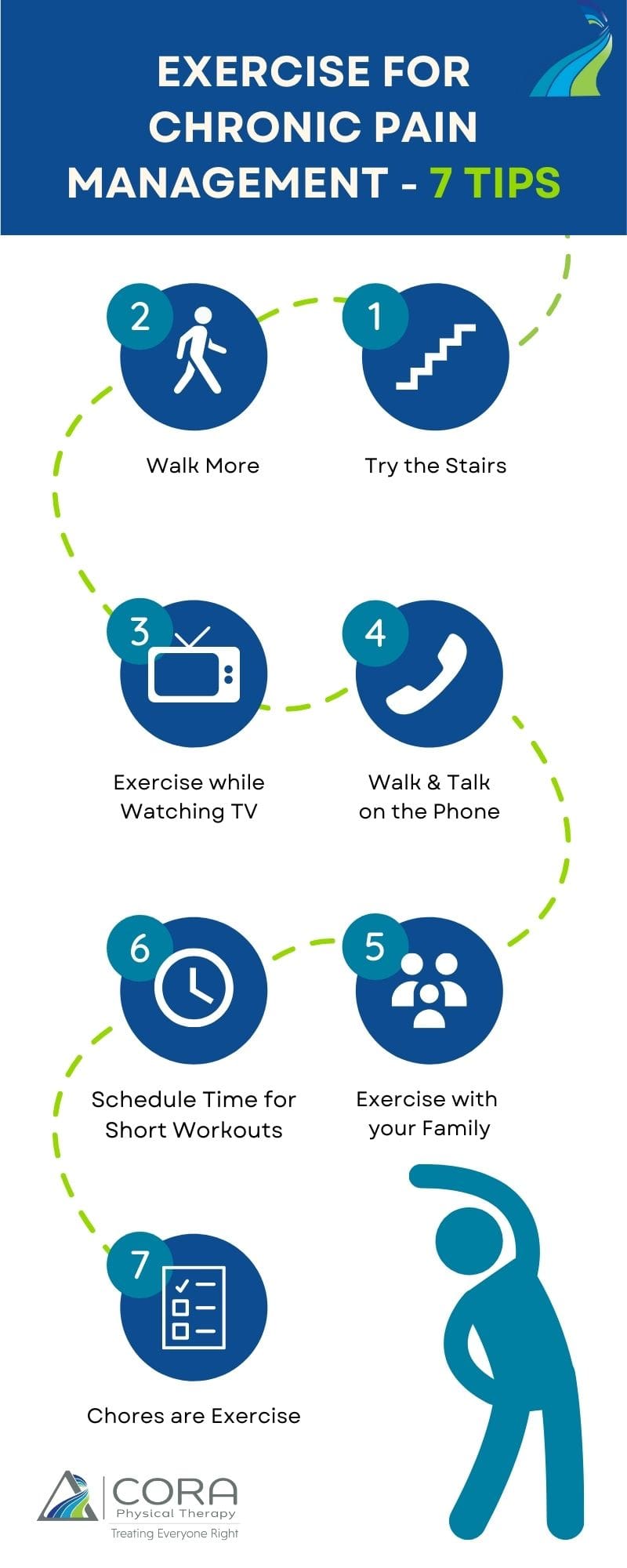
Engaging in regular exercise such as walking, swimming, or yoga can help reduce chronic pain by releasing endorphins, the body’s natural painkillers. Low-impact exercises that focus on stretching, gentle movement, and strength training can help improve your physical function and reduce the severity of chronic pain symptoms.
Acupuncture and Massage Therapy
Acupuncture and massage therapy are alternative treatments that have been shown to be effective in reducing chronic pain and promoting relaxation. These therapies work by stimulating specific points on the body or manipulating soft tissues to improve energy flow and relieve tension.
Acupuncture for Pain Relief
Acupuncture involves the insertion of thin needles into specific points on the body to restore balance and promote healing. This ancient practice has been shown to be effective in relieving chronic pain conditions such as arthritis, back pain, and migraine headaches by stimulating the body’s natural healing mechanisms.
Benefits of Massage Therapy
Massage therapy involves the manual manipulation of soft tissues to promote relaxation, improve circulation, and reduce muscle tension. Different types of massage techniques such as Swedish massage, deep tissue massage, or myofascial release can help alleviate chronic pain and improve overall well-being.

Herbal Remedies and Supplements
Herbal remedies and supplements can be used to reduce chronic pain and inflammation without relying on conventional medications. Natural supplements such as turmeric, ginger, and omega-3 fatty acids have anti-inflammatory properties that can help reduce pain and improve joint health.
Turmeric for Pain Relief
Turmeric is a yellow spice commonly used in cooking that contains curcumin, a compound with powerful anti-inflammatory and antioxidant properties. Consuming turmeric or curcumin supplements can help reduce joint pain, inflammation, and stiffness associated with chronic pain conditions such as arthritis.
Ginger for Inflammation
Ginger is a root herb with anti-inflammatory properties that can help reduce pain, swelling, and stiffness associated with chronic pain conditions. Adding ginger to your diet or taking ginger supplements can help alleviate pain and improve overall joint health.
Lifestyle Modifications
Making lifestyle modifications such as improving your diet, managing stress, and getting quality sleep can also play a significant role in reducing chronic pain without medication. By addressing underlying factors that may be contributing to your pain, you can take proactive steps to improve your overall health and well-being.
Importance of a Healthy Diet
Eating a balanced diet rich in fruits, vegetables, whole grains, and lean proteins can help reduce inflammation, promote healing, and improve your overall physical health. Avoiding processed foods, sugary snacks, and excessive caffeine can help reduce inflammation and alleviate chronic pain symptoms.
Stress Management Techniques
Chronic pain can be exacerbated by stress, anxiety, and negative emotions, which can trigger pain signals in the body. Practicing stress management techniques such as deep breathing, progressive muscle relaxation, or cognitive-behavioral therapy can help you cope with stress and reduce the perception of pain.
Quality Sleep for Pain Relief
Getting quality sleep is essential for managing chronic pain and promoting healing in the body. Establishing a regular sleep routine, creating a comfortable sleep environment, and practicing relaxation techniques before bedtime can help improve your sleep quality and reduce the severity of chronic pain symptoms.

Conclusion
Living with chronic pain can be challenging, but there are alternative ways to manage and reduce pain without relying on medications. By incorporating mind-body techniques, physical therapy, acupuncture, herbal remedies, lifestyle modifications, and other holistic approaches into your daily routine, you can find relief and improve your quality of life. Remember that it’s essential to consult with healthcare professionals and specialists to develop a personalized treatment plan that addresses your specific needs and condition. Don’t lose hope; relief from chronic pain is possible with dedication, patience, and an open mind. Start exploring these top ways to reduce chronic pain without medication today and take the first step towards a pain-free life.