
Do you suffer from migraines and wish to find relief? Look no further. In this article, we will explore the importance of trigger identification and lifestyle changes as effective ways to prevent migraines. By understanding what triggers your migraines and making necessary adjustments to your daily routine, you can significantly reduce the frequency and intensity of these debilitating headaches. Say goodbye to the agony and hello to a migraine-free life!
Understanding Migraines
Migraines are a type of headache disorder that can cause debilitating pain and other symptoms. They typically manifest as intense throbbing or pulsing sensations on one side of the head and are often accompanied by nausea, vomiting, and sensitivity to light and sound. Migraines can last for hours to days and can significantly impact a person’s daily life.
Definition of Migraines
Migraines are a neurological condition characterized by recurrent headaches that are often moderate to severe in intensity. Unlike regular headaches, migraines are typically accompanied by other symptoms such as nausea, vomiting, and sensitivity to light and sound. These additional symptoms can make migraines especially debilitating and can greatly affect a person’s ability to function during an episode.
Common Symptoms
The symptoms of migraines can vary from person to person, but some common signs that indicate a migraine include:
- Intense, throbbing pain on one side of the head
- Nausea and vomiting
- Sensitivity to light, sound, or both
- Blurred vision or visual disturbances (known as auras)
- Fatigue or exhaustion
- Dizziness or lightheadedness
It is important to note that not all migraines present with the same symptoms, and individuals may experience different combinations of symptoms during an episode.
Causes of Migraines
The exact cause of migraines is still not fully understood, but researchers believe that a combination of genetic, environmental, and neurological factors may play a role. Some common triggers for migraines include:
- Hormonal changes in women (such as during menstruation)
- Certain foods and drinks (such as caffeine, alcohol, and processed foods)
- Stress and anxiety
- Changes in sleep patterns or lack of sleep
- Environmental factors (such as strong smells, bright lights, or loud noises)
- Weather changes or barometric pressure fluctuations
It is important to note that triggers can vary greatly from person to person, and what may trigger a migraine for one individual may not affect another.
Identifying Migraine Triggers
Identifying triggers is crucial in managing migraines effectively. By understanding what factors contribute to your migraines, you can take steps to avoid or minimize their impact. Keeping a migraine diary is a helpful tool in tracking your symptoms, identifying patterns, and pinpointing potential triggers.
Keeping a Migraine Diary
A migraine diary is an invaluable resource for understanding your migraines. It involves keeping a detailed record of your episodes, including the date and time of the onset, duration, intensity of pain, associated symptoms, and any potential triggers or factors that may have contributed to the migraine. By tracking this information over time, patterns may emerge, and triggers may become more apparent.
Common Triggers to Watch Out For
While triggers can be unique to each individual, there are several common triggers that many people with migraines report. These triggers include:
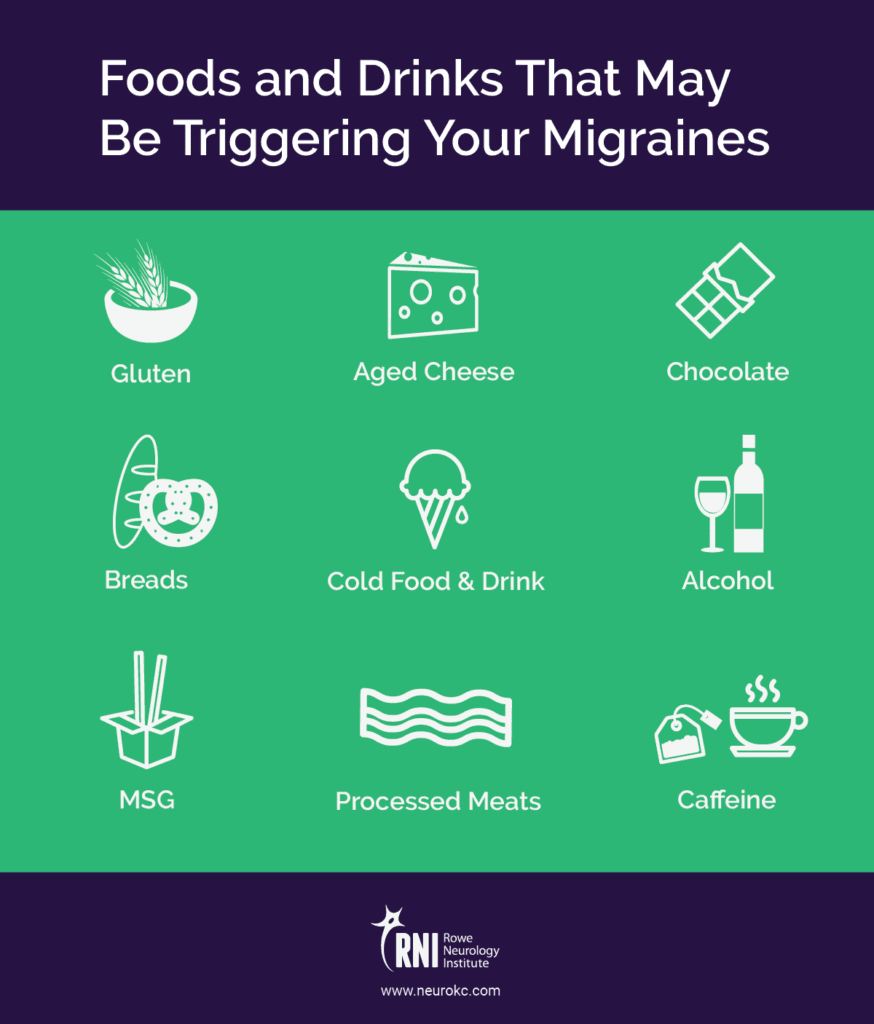
- Certain foods and drinks (such as chocolate, cheese, processed meats, caffeine, and alcohol)
- Strong smells or odors (perfumes, smoke, and cleaning products)
- Hormonal changes (such as during menstruation or menopause)
- Emotional stress and anxiety
- Lack of sleep or changes in sleep patterns
- Environmental factors (bright lights, loud noises, and changes in weather)
By being aware of these common triggers, you can start to identify any potential connections between these factors and your migraines.
Understanding Individual Triggers
While there are common triggers, it is important to remember that each person’s migraines are unique, and individual triggers may vary. Identifying your personal triggers may require some trial and error, but keeping a migraine diary and paying close attention to your body’s responses can be helpful in this process. Some examples of individual triggers may include specific foods, weather patterns, or even certain activities.
Seeking Professional Help for Trigger Identification
If you are struggling to identify your migraine triggers or determine the underlying cause of your migraines, it may be beneficial to seek professional help. A healthcare provider with experience in migraines can perform a detailed assessment, review your migraine diary, and offer guidance and support in trigger identification. They may also recommend additional testing or refer you to a specialist if necessary.
Lifestyle Changes for Migraine Relief
Managing migraines involves making certain lifestyle changes that can help reduce the frequency and intensity of episodes. Here are some effective strategies to consider:
Maintaining a Regular Sleep Schedule
Establishing a consistent sleep routine is vital for migraine management. Aim to go to bed and wake up at the same time every day, even on weekends. Avoiding excessive or inadequate sleep can help regulate your body’s natural sleep-wake cycle, reducing the risk of migraines.
Managing Stress Levels
Stress is a common trigger for migraines, so finding effective stress management techniques is essential. Incorporating activities such as meditation, deep breathing exercises, yoga, or regular exercise into your routine can help reduce stress and promote overall well-being.
Making Dietary Adjustments
Certain food and drinks can trigger migraines in susceptible individuals. Keeping a food diary and tracking your migraines can help identify potential trigger foods. Common culprits include caffeine, processed foods, alcohol, and specific additives. Consider eliminating or reducing these triggers from your diet.
Hydration and Avoiding Dehydration
Dehydration can be a migraine trigger for some individuals, so it is important to stay properly hydrated. Set daily hydration goals and make sure to drink enough water throughout the day. Avoid excessive alcohol and caffeine intake, as these can contribute to dehydration.
Regular Exercise and Physical Activity
Engaging in regular exercise and physical activity can not only improve overall health but also reduce the frequency and severity of migraines. Low-impact activities, such as walking, swimming, or cycling, are often well-tolerated and can be particularly beneficial for migraine sufferers.
Avoiding Excessive Caffeine Intake
While moderate caffeine intake can sometimes help relieve migraines, excessive consumption can trigger or worsen symptoms. It is important to find the right balance for your individual needs. Keep track of your caffeine intake and be mindful of its potential impact on your migraines.
Reducing Exposure to Bright Lights and Loud Noises
Bright lights and loud noises are common triggers for migraines. Minimize your exposure to these stimuli by wearing sunglasses outdoors, using earplugs or noise-cancelling headphones in noisy environments, and making adjustments to your home or workspace to create a migraine-friendly environment.
Creating a Calm and Migraine-Friendly Environment
Your environment plays a significant role in managing migraines. Minimize stressors by keeping your space organized, decluttered, and free from potential triggers. Consider incorporating relaxation techniques, such as aromatherapy or soothing music, into your environment to promote a calm atmosphere.
Avoiding Excessive Use of Electronic Devices
Extended periods of screen time can strain your eyes and potentially trigger migraines. Take regular breaks from electronic devices, practice good posture, and adjust screen brightness to minimize the impact on your migraines.
Alternative Therapies and Relaxation Techniques
In addition to lifestyle changes, alternative therapies and relaxation techniques may provide additional relief for migraines. Options such as acupuncture, acupressure, massage therapy, cognitive-behavioral therapy, biofeedback, and relaxation exercises can help manage symptoms and reduce the frequency of migraines.
Sleep and Migraine Management
Establishing a consistent sleep routine plays a crucial role in migraine management. Poor sleep quality or inadequate sleep can trigger migraines in susceptible individuals. Here are some strategies to improve sleep and minimize migraines:
Establishing a Consistent Sleep Routine
Consistency is key when it comes to sleep. Establish a regular sleep schedule, going to bed and waking up at the same time every day, even on weekends. This helps regulate your body’s internal clock, promoting better sleep quality.
Creating a Comfortable Sleep Environment
Make your sleep environment comfortable and conducive to restful sleep. Use blackout curtains or an eye mask to block out excess light, ensure the room temperature is cool and comfortable, and invest in a supportive mattress and pillows to promote proper alignment and reduce discomfort.
Avoiding Sleep Disturbances
Minimize sleep disturbances by implementing practices that promote better sleep quality. This may include limiting daytime napping, avoiding electronic devices before bed, and incorporating relaxation techniques such as meditation or gentle stretching into your nighttime routine.
Exploring Relaxation Techniques for Better Sleep
Relaxation exercises can help calm the mind and prepare the body for sleep. Practices such as deep breathing, progressive muscle relaxation, or guided imagery can promote relaxation and enhance the quality of your sleep, reducing the risk of migraines.
Stress Management Techniques
Stress is a common trigger for migraines, so finding effective stress management techniques can significantly impact their frequency and severity. Here are some strategies to help manage and alleviate stress:
Identifying Stress Triggers
Understanding what triggers stress for you is the first step in managing it effectively. Take note of situations, events, or people that consistently cause stress and try to find ways to either avoid or cope with them more effectively.
Practicing Relaxation Exercises
Relaxation exercises such as deep breathing, progressive muscle relaxation, and guided imagery can help calm the mind and promote relaxation. Dedicate regular time to practice these techniques, especially during stressful periods.
Adopting Stress-Management Strategies
Identify and adopt healthy coping mechanisms to manage stress. This may include engaging in hobbies or activities you enjoy, seeking support from loved ones or support groups, or engaging in therapy or counseling to develop effective stress-management strategies.
Exploring Mindfulness and Meditation
Mindfulness and meditation practices can help reduce stress and promote overall well-being. These practices involve focusing on the present moment, observing thoughts and sensations without judgment, and cultivating a sense of calm and groundedness. Incorporating mindfulness and meditation into your routine can be a valuable tool in managing stress and migraines.
Dietary Adjustments for Migraine Relief
Certain foods and drinks can act as triggers for migraines in susceptible individuals. Making dietary adjustments can help reduce the frequency and severity of migraines. Here are some strategies to consider:
Identifying Potential Trigger Foods
Keeping a food diary and tracking your migraines can help identify potential trigger foods. Common culprits include aged cheese, processed meats, chocolate, caffeine, alcohol, and foods with high levels of additives or preservatives. By identifying these trigger foods, you can avoid or limit their consumption.
Adopting a Well-Balanced and Nutritious Diet
Maintaining a well-balanced and nutritious diet is essential for overall health and can play a role in managing migraines. Aim to incorporate a variety of fruits, vegetables, whole grains, lean proteins, and healthy fats into your diet.
Keeping a Food Diary to Track Triggers
Keeping a food diary can help you identify patterns and pinpoint specific foods that may trigger your migraines. Take note of everything you eat and drink, along with the occurrence and severity of your migraines. This information can be invaluable in making dietary adjustments.
Avoiding Skipping Meals and Maintaining Regular Eating Patterns
Skipping meals or going long periods without eating can disrupt blood sugar levels and potentially trigger migraines. Aim to eat regular meals and snacks to keep your blood sugar stable throughout the day.
Considering a Trial Elimination Diet
In some cases, a trial elimination diet may be recommended to identify specific trigger foods. This involves temporarily eliminating certain foods from your diet and then reintroducing them one by one to observe any potential migraine triggers. Working with a healthcare professional or registered dietitian can provide guidance and support in this process.
Hydration and Its Role in Migraine Prevention
Hydration is crucial for overall health and plays a significant role in migraine prevention. Dehydration can trigger migraines in susceptible individuals, so it is essential to maintain optimal hydration levels. Here are some strategies to consider:
Understanding the Link Between Dehydration and Migraines
Dehydration can disrupt the body’s normal functioning and trigger migraines. When the body is dehydrated, it can lead to changes in blood volume and electrolyte balance, potentially triggering a migraine. Staying properly hydrated can help prevent this.
Setting Daily Hydration Goals
Aim to drink an adequate amount of water each day to ensure proper hydration. The typical recommendation is to drink eight 8-ounce glasses of water per day, but individual needs may vary. Consider factors such as activity level, climate, and overall health when determining your personal hydration goals.
Increasing Water Intake
Make a conscious effort to increase your water intake throughout the day. Carry a reusable water bottle with you to ensure you have access to water wherever you go. Set reminders or use hydration-tracking apps to help you stay on top of your water intake goals.
Avoiding Excessive Alcohol and Caffeine Consumption
Alcohol and caffeine can act as diuretics, increasing fluid loss from the body and potentially leading to dehydration. Limiting your intake of these substances can help prevent dehydration and minimize the risk of migraines.
Exercise and Physical Activity
Regular exercise and physical activity have been shown to have a positive impact on migraines. Engaging in low-impact activities can help reduce the frequency and intensity of migraines. Here are some considerations for incorporating exercise into your routine:
Benefits of Regular Exercise on Migraines
Regular exercise has been shown to have numerous benefits for individuals with migraines. It can help improve blood flow, reduce stress, release endorphins (natural pain relievers), and promote overall well-being, all of which can contribute to a reduction in migraine frequency and intensity.
Choosing Low-Impact Activities
Low-impact activities that are gentle on the joints, such as walking, swimming, cycling, or yoga, are often well-tolerated by individuals with migraines. These activities can provide cardiovascular benefits without placing excessive strain on the body.
Scheduling Exercise Sessions
Incorporating exercise into your routine can be easier if you schedule specific times for physical activity. Consider finding a time of day that works best for you, whether it’s in the morning, during your lunch break, or in the evening, and make it a priority to stick to your exercise schedule.
Warm-up and Cool-down Routines
Before engaging in any physical activity, it is important to warm up your muscles and prepare your body for exercise. Incorporating dynamic stretching or gentle movements can help prevent injury. Likewise, cooling down with static stretches after exercise can help promote flexibility and reduce muscle soreness.
Listening to Your Body’s Signals
Pay close attention to your body’s signals during exercise. If you start to experience any symptoms or sensations that may precede a migraine, such as aura, dizziness, or unusual fatigue, it may be wise to modify or stop your activity. It is crucial to prioritize your health and well-being.
Minimizing Environmental Triggers
Certain environmental factors, such as bright lights and loud noises, can trigger migraines. Minimizing your exposure to these triggers can help reduce the frequency and severity of migraines. Here are some strategies to consider:
Diminishing Exposure to Bright Lights and Fluorescent Lighting
Bright lights, especially fluorescent lighting, can be bothersome for individuals with migraines. Whenever possible, adjust the lighting in your environment to a comfortable level. Use lamps with warm light bulbs instead of harsh overhead lighting, and opt for window coverings that can block or filter out excess sunlight.
Wearing Sunglasses in Bright Sunlight
Sunlight can be a trigger for migraines, especially when it is particularly bright. Wearing sunglasses, especially those that provide adequate UV protection, can help reduce your exposure to bright sunlight and potentially prevent migraines.
Using Earplugs or Noise-Cancelling Headphones
Loud noises can intensify migraines or even trigger them in some individuals. Protect your ears from excessive noise by wearing earplugs or noise-cancelling headphones when exposed to loud environments, such as concerts, sporting events, or crowded places.
Creating a Calm Workspace
If you spend a significant amount of time in an office or workspace, it is important to make adjustments that create a calm and migraine-friendly environment. Consider using soft, indirect lighting, organizing your desk to reduce clutter, and incorporating stress-relieving elements such as plants or calming essential oils.
Making Adjustments at Home for Migraine-Friendly Surroundings
In your home, make adjustments to create a migraine-friendly environment. Consider using blackout curtains in your bedroom to reduce exposure to bright light, minimize the use of strong scents or cleaning products, and create a quiet and serene space where you can relax and unwind without triggering your migraines.
Exploring Alternative Therapies and Relaxation Techniques
In addition to lifestyle changes, alternative therapies and relaxation techniques can provide additional relief for migraines. Here are some options to consider:
Acupuncture and Acupressure
Acupuncture and acupressure are ancient healing practices that involve stimulating specific points on the body to promote balance and alleviate pain. These techniques have been studied for their effectiveness in reducing migraine frequency and intensity.
Massage Therapy for Tension Relief
Massage therapy can help alleviate tension and reduce stress, both of which can contribute to migraines. Professional massage therapists can target specific areas of tension, such as the neck, shoulders, and head, to help release muscle tension and provide relief.
Cognitive Behavioral Therapy
Cognitive-behavioral therapy (CBT) is a type of therapy that focuses on identifying and changing negative thought patterns and behaviors. It can be beneficial for individuals with migraines who experience high levels of stress or anxiety. CBT can help individuals develop more effective coping mechanisms and reduce the impact of migraines on their daily lives.
Biofeedback Techniques
Biofeedback is a technique that allows individuals to learn how to control their body’s physiological responses, such as heart rate, blood pressure, and muscle tension. By providing real-time feedback on these responses, individuals can learn to recognize and regulate their symptoms, potentially reducing the frequency and severity of migraines.
Relaxation Exercises and Guided Imagery
Relaxation exercises, such as deep breathing, progressive muscle relaxation, and guided imagery, can help promote overall relaxation and reduce stress. Incorporating these techniques into your daily routine can be beneficial in managing migraines and promoting overall well-being.
In conclusion, understanding migraines and identifying triggers is essential for effective migraine management. By making lifestyle changes, such as maintaining a regular sleep schedule, managing stress levels, making dietary adjustments, staying hydrated, engaging in regular exercise, minimizing exposure to environmental triggers, and exploring alternative therapies and relaxation techniques, individuals can find relief from migraines and improve their overall quality of life. It is important to work closely with healthcare professionals to develop a personalized plan that addresses individual needs and preferences. Remember, managing migraines is a journey, and with dedication and perseverance, relief is achievable.