Did you know that healing the body through energy is becoming increasingly popular in the field of holistic medicine? Energy healing focuses on balancing the body’s energy fields to promote overall health and well-being. This article will explore the concept of energy healing in the context of holistic medicine, providing insights into its principles and potential benefits. Whether you’re new to the idea or curious to learn more, this article will help you gain a deeper understanding of the role of energy healing in holistic medicine.
What is Energy Healing?
Definition of Energy Healing
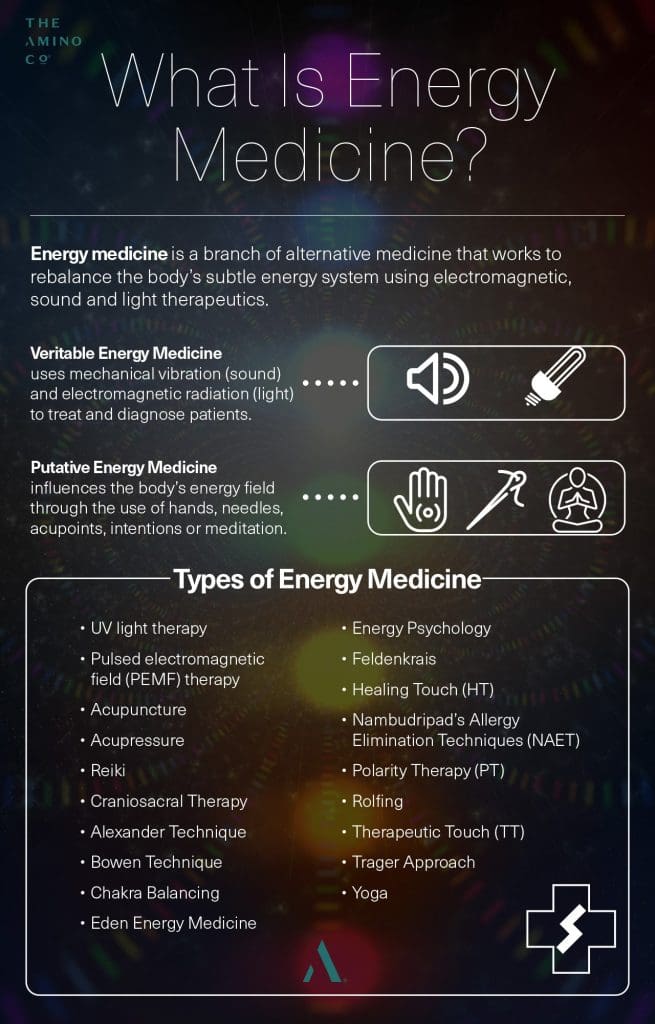
Energy healing is a form of alternative medicine that focuses on restoring balance and harmony to the body’s energy system. It is based on the belief that energy is the foundation of all life and that blockages or imbalances in this energy can lead to physical, emotional, and spiritual illness. Energy healing techniques aim to clear these blockages and restore the natural flow of energy, promoting overall health and well-being.
Historical Background
Energy healing has been practiced for centuries in various cultures around the world. Traditional Chinese Medicine, for example, has long recognized the existence of energy meridians in the body and has used acupuncture to manipulate these energy channels. Similarly, Ayurveda, the traditional medicine of India, relies on the concept of vital energy, known as prana, and uses techniques such as chakra healing to balance this energy.
Principles of Energy Healing
Energy healing is guided by several fundamental principles. Firstly, it recognizes that the human body is not just a physical entity but also an energetic one with a complex system of energy channels and centers. Secondly, it acknowledges that energy can be manipulated and balanced to promote healing. Lastly, it operates on the premise that the body has an innate ability to heal itself and that energy healing techniques can enhance this self-healing process.
Types of Energy Healing
Reiki
Reiki is a Japanese form of energy healing that involves the gentle laying on of hands. Practitioners believe that they can channel universal life force energy to the recipient, promoting relaxation, reducing stress, and enhancing the body’s natural healing abilities.
Acupuncture
Acupuncture originated in ancient China and involves the insertion of fine needles into specific points along the body’s energy meridians. By stimulating these points, acupuncture is believed to restore the flow of energy and promote healing in various conditions, such as pain, anxiety, and digestive issues.
Chakra Healing
Chakra healing is based on the belief that the body has seven main energy centers, known as chakras. Practitioners use various techniques, such as visualization, meditation, and energy work, to rebalance and cleanse these chakras, leading to improved physical, emotional, and spiritual well-being.
Pranic Healing
Pranic healing is a system of energy medicine developed by Master Choa Kok Sui. It involves the manipulation and purification of the body’s energy, known as prana, to promote healing. Practitioners use specific techniques, such as scanning and sweeping, to remove energetic blockages and restore the flow of prana.
Qigong
Qigong is an ancient Chinese practice that combines movement, meditation, and breathwork to cultivate and balance the body’s vital energy, known as qi. Regular practice of qigong is believed to improve overall health, increase vitality, and promote harmony between the mind, body, and spirit.
ThetaHealing
ThetaHealing is a technique that combines meditation, visualization, and energy work to access the theta brainwave state, which is associated with deep relaxation and increased receptivity to positive change. Practitioners believe that by accessing this state, they can remove limiting beliefs and patterns and facilitate healing on all levels.
How Does Energy Healing Work?
Understanding Energy
Energy healing is based on the concept that everything in the universe is made up of energy, including our bodies. This energy, often referred to as life force energy or chi, flows through specific channels within the body, maintaining overall health and vitality. When this energy becomes blocked or imbalanced, it can result in physical, emotional, or spiritual illness.
Energy Channels and Chakras
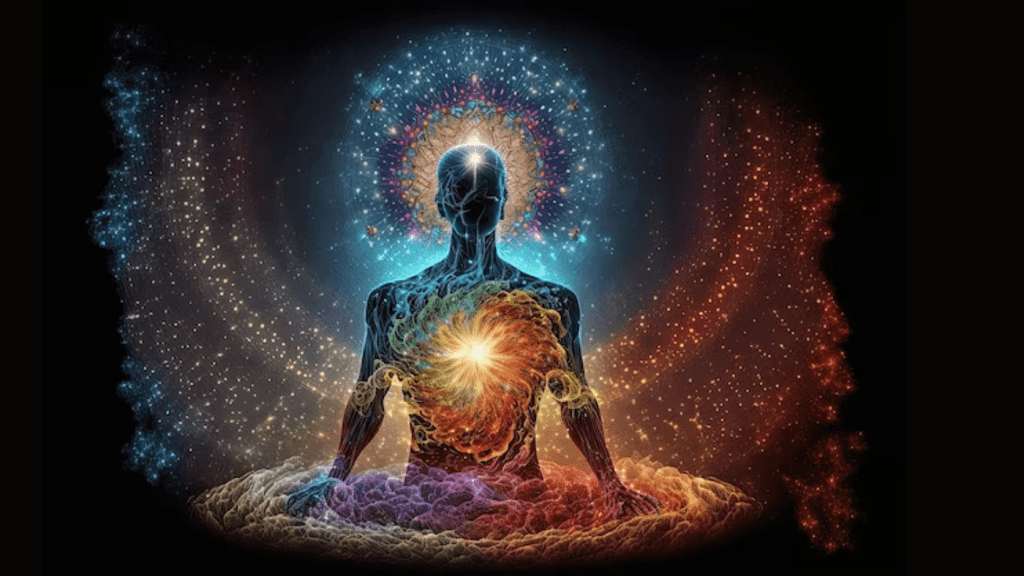
Energy healing recognizes the presence of energy channels, meridians, or nadis, through which life force energy flows. These channels intersect at various energy centers, known as chakras. The chakras are believed to be spinning wheels of energy, each associated with different aspects of our physical, emotional, and spiritual well-being. By working with the energy channels and balancing the chakras, energy healers aim to restore the smooth flow of energy throughout the body.
Clearing Energy Blockages
One of the main goals of energy healing is to identify and clear energy blockages. These blockages can occur due to trauma, stress, negative emotions, or physical injuries. Energy healers use different techniques, such as hands-on healing, visualization, or sound therapy, to remove these blockages and restore the natural flow of energy.
Balancing Energy Flow
In addition to clearing blockages, energy healers also focus on balancing the energy flow within the body. They identify areas of excess or deficient energy and work to restore equilibrium. By bringing the energy into balance, they aim to promote optimal health and well-being.
Enhancing Self-Healing Abilities
Energy healing techniques are designed to enhance the body’s innate ability to heal itself. By clearing blockages and balancing energy, energy healers believe that they can create an optimal environment for healing to occur. This can range from physical healing, such as accelerating wound recovery, to emotional healing, such as releasing traumatic experiences.
Benefits of Energy Healing
Reduction of Stress and Anxiety
One of the most well-known benefits of energy healing is its ability to reduce stress and anxiety. By promoting relaxation and releasing stagnant energy, energy healing techniques can help ease the body and mind, leading to a sense of calm and well-being.
Pain Relief and Management
Many individuals turn to energy healing for pain relief and management. By addressing the underlying energetic imbalances, energy healing techniques can help alleviate physical discomfort and promote healing in areas affected by pain.
Enhanced Emotional Well-being
Energy healing can also have a profound impact on emotional well-being. By releasing energetic blockages and balancing the energy centers, individuals may experience a greater sense of emotional stability, clarity, and resilience.
Improved Sleep Quality
Sleep disturbances can often be attributed to energetic imbalances or blockages. Energy healing techniques can help restore balance to the energy system, leading to improved sleep quality and a more restful night’s sleep.
Boosted Immune System
Energy healing is believed to support the body’s immune system by clearing blockages and promoting optimal energy flow. By boosting the body’s natural defenses, energy healing may help prevent illness and promote overall health.
Complementary Treatment to Traditional Medicine
Energy healing is often used as a complementary therapy alongside traditional medical treatments. It can be integrated into a holistic treatment plan to support and enhance the body’s natural healing process.

Scientific Basis and Research
Exploring the Scientific Basis
While energy healing is primarily rooted in ancient wisdom and traditional practices, there is increasing interest in exploring its scientific basis. Scientists and researchers are studying the effects of energy healing techniques on the human body and mind, aiming to better understand the mechanisms behind its effectiveness.
Quantum Physics and Energy Healing
Some theories in quantum physics align with the principles of energy healing. Quantum physics suggests that at a fundamental level, everything in the universe is interconnected and that energy can exist in multiple states simultaneously. This notion resonates with the concept of energy healing, where practitioners believe they can interact with and manipulate energy for healing purposes.
Research on Energy Healing
There is a growing body of research examining the impact of energy healing on various health conditions. Some studies have shown positive results, indicating that energy healing techniques can have measurable effects on pain reduction, stress reduction, and overall well-being. However, more research is needed to fully understand the mechanisms and efficacy of energy healing.
Placebo Effect or Genuine Healing?
Critics often argue that the benefits experienced from energy healing may be attributed to the placebo effect, where belief in the treatment leads to perceived improvements. While the placebo effect is a valid consideration in any form of healing, anecdotal evidence and individual experiences suggest that energy healing can go beyond mere placebo responses. More research is needed to determine the true nature of energy healing’s effectiveness.
Integrating Energy Healing with Holistic Medicine
Complementary Approach
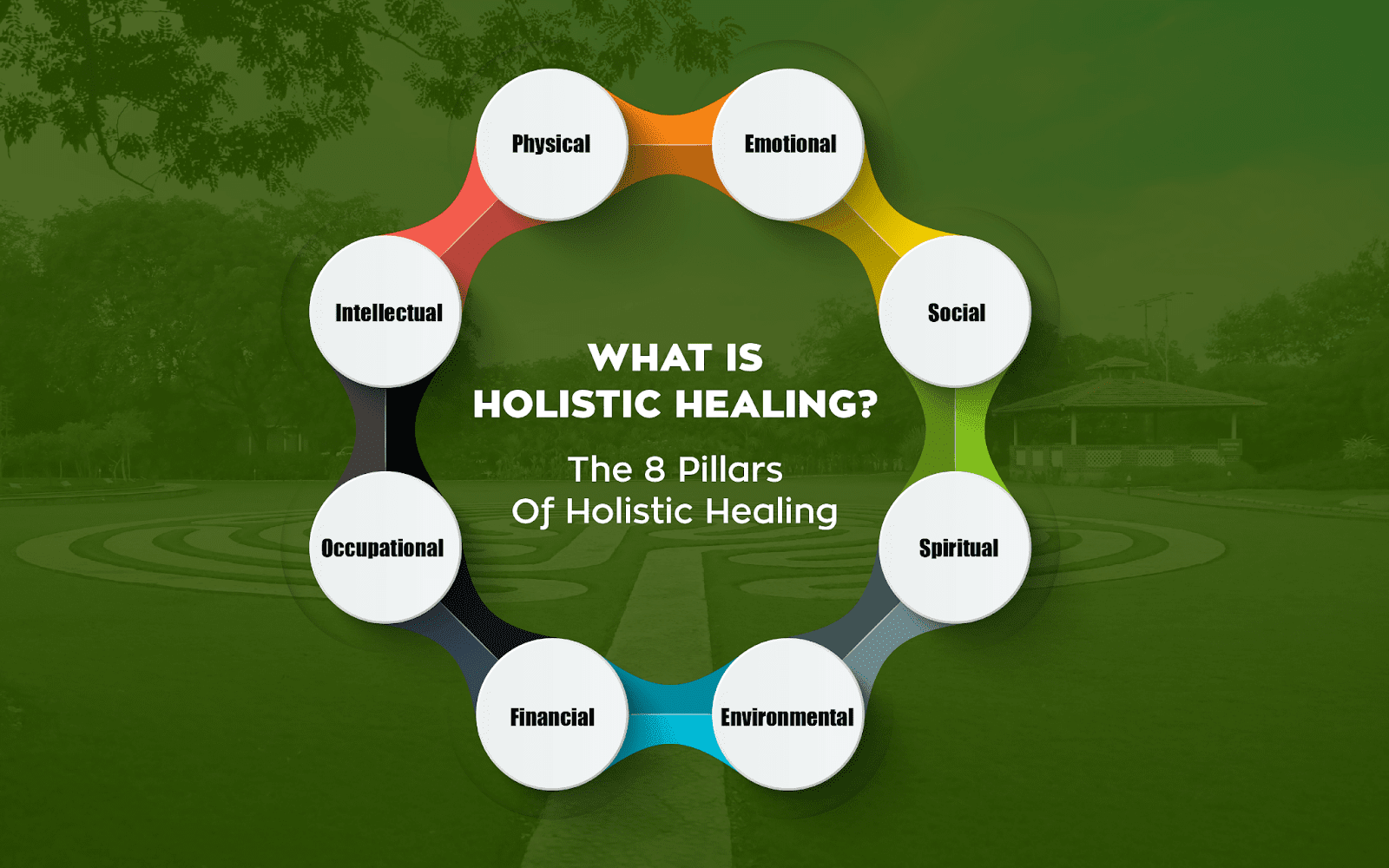
Energy healing is often integrated into holistic medicine, which takes into account the physical, emotional, and spiritual aspects of health. By addressing the individual as a whole, energy healing can complement other holistic practices, such as nutrition, exercise, and mindfulness, to support overall well-being.
Addressing the Mind-Body-Spirit Connection
Energy healing recognizes the interconnectedness of the mind, body, and spirit. It acknowledges that imbalances or blockages in one area can manifest as symptoms in another. By addressing the root causes and rebalancing energy, energy healing can support the mind-body-spirit connection and promote holistic healing.
Supporting Overall Health and Well-being
Integrating energy healing with holistic medicine can provide a comprehensive approach to health and well-being. By addressing the energetic aspects of health, energy healing can work in synergy with other modalities to support optimal physical, emotional, and spiritual wellness.
Collaboration with Medical Professionals
Energy healing practitioners are increasingly collaborating with medical professionals to provide integrative care for patients. By working together, they can combine the strengths of both traditional medicine and energy healing to offer patients a more holistic and personalized approach to health and healing.
Finding an Energy Healer
Qualifications and Certifications
When seeking an energy healer, it is important to consider their qualifications and certifications. Look for practitioners who have received formal training and are recognized by reputable organizations in their respective energy healing modalities.
Referrals and Recommendations
Ask for referrals and recommendations from trusted sources, such as friends, family, or healthcare professionals who have experience with energy healing. Personal testimonials can provide valuable insights into the effectiveness and credibility of a practitioner.
Initial Consultation
Schedule an initial consultation with potential energy healers to discuss your specific needs and goals. This meeting will allow you to gauge their expertise, approach, and compatibility with your personal beliefs and values.
Trust and Personal Connection
Trust your intuition when selecting an energy healer. It is crucial to feel comfortable and supported during sessions, as this can greatly impact the effectiveness of the healing process. Choose a practitioner with whom you can establish a personal connection and feel confident in their abilities.
Factors to Consider Before Trying Energy Healing
Individual Beliefs and Openness
Before trying energy healing, it is important to reflect on your own beliefs and level of openness to alternative approaches. Energy healing often requires a level of faith and trust in the process. Assess your willingness to explore and embrace energetic practices.
Underlying Medical Conditions
If you have underlying medical conditions, it is essential to consult with your healthcare provider before starting energy healing. While energy healing can complement traditional medicine, it should not replace necessary medical treatments or interventions.
Consultation with Healthcare Provider
Discuss your interest in energy healing with your healthcare provider. They can provide guidance, offer insights into potential interactions or contraindications, and help you make an informed decision about integrating energy healing into your overall healthcare plan.
Potential Risks and Side Effects
While energy healing is generally considered safe, it is important to be aware of potential risks and side effects. These may include temporary discomfort, emotional releases, or energetic shifts. A reputable energy healer will inform you about possible reactions and provide appropriate support during the healing process.
Personal Experiences and Testimonials
Sharing Success Stories
Many individuals have reported positive experiences and significant improvements in their physical, emotional, and spiritual well-being through energy healing. Sharing success stories can offer hope and inspiration to those considering energy healing as a potential avenue for healing and personal growth.
Individual Perspectives
Each person’s experience with energy healing is unique. Some may feel immediate shifts, while others may experience gradual changes over time. It is important to approach energy healing with an open mind and be receptive to the individual journey and process.
The Place of Personal Belief
Personal belief plays a significant role in energy healing. While scientific research and evidence are valuable, the subjective experiences and beliefs of individuals cannot be discounted. What matters most is the individual’s own assessment of their well-being and the impact energy healing has had on their life.
Criticism and Controversy
Skepticism from the Scientific Community
Energy healing has faced skepticism and criticism from certain members of the scientific community. Some argue that the mechanisms behind energy healing have not been fully understood or proven through rigorous scientific methods. However, proponents of energy healing believe that subjective experiences and anecdotal evidence can still provide valuable insights into its effectiveness.
Ethical Concerns
As with any field, there are ethical concerns surrounding the practice of energy healing. It is important to ensure that practitioners adhere to professional standards, maintain appropriate boundaries, and prioritize the well-being and autonomy of their clients.
Lack of Regulation and Standardization
Energy healing is not regulated uniformly across different countries or jurisdictions. This lack of regulation can result in varying levels of training, competence, and ethics among practitioners. It is essential to research and choose practitioners who have undergone proper training and adhere to ethical standards within their respective modalities.
In conclusion, energy healing is a diverse and dynamic field that encompasses various modalities aimed at restoring balance and promoting overall well-being. While its scientific basis is still a subject of exploration, energy healing continues to gain recognition as a complementary approach to traditional medicine. By understanding the principles, types, and benefits of energy healing, individuals can make informed decisions about their healthcare and explore the potential benefits offered by this ancient practice.