Prostate health is a topic that often goes unnoticed, yet it is crucial for men to take care of their well-being. In this article, we will explore the importance of understanding prostate health in men. It is essential to be aware of the various aspects that contribute to maintaining a healthy prostate, as well as the potential risks and symptoms associated with prostate issues. By gaining a better understanding of this topic, you can make informed choices regarding your overall health and ensure a better quality of life. So, let’s dive into the world of prostate health and learn how to protect and support this vital part of your body.
What is the Prostate?
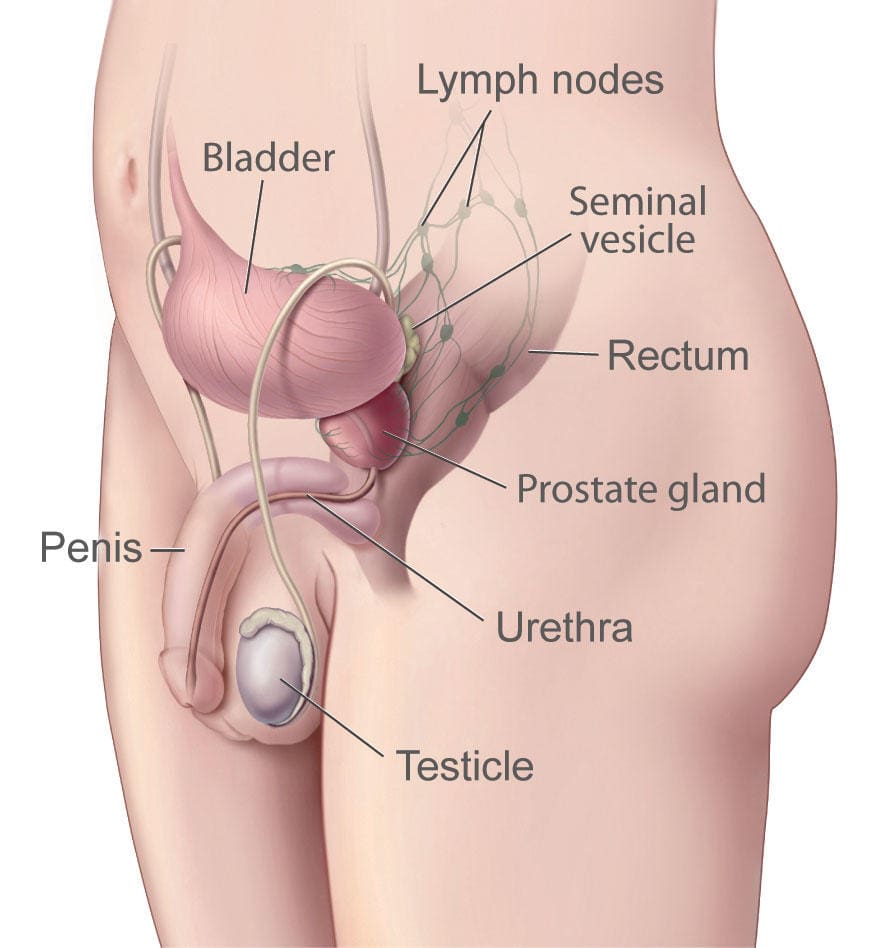
The prostate is a small gland located below the bladder and in front of the rectum in men. It is part of the male reproductive system and plays a vital role in the production of semen. The primary function of the prostate is to secrete a fluid that nourishes and protects sperm. This fluid, along with sperm from the testicles, makes up semen. The size and shape of the prostate can vary from person to person.
Location and function of the prostate
The prostate gland is situated just below the bladder and surrounds the urethra, which is the tube that carries urine and semen out of the body. Its placement allows the prostate to have a direct impact on both urinary and sexual health. By secreting a fluid that mixes with sperm and other fluids, the prostate helps to protect and lubricate the sperm as it travels through the reproductive system.
Size and shape of the prostate
The size and shape of the prostate can vary depending on factors such as age and individual differences. On average, the prostate gland is about the size of a walnut. However, it can grow larger as a man ages, which can sometimes lead to health issues like benign prostatic hyperplasia (BPH). Regular monitoring of the size and shape of the prostate can help detect any abnormalities early on and ensure prompt medical intervention if necessary.
Prostate Health and Aging
As men grow older, the prostate undergoes various age-related changes that can affect its function and overall health. It is important to understand these changes and be aware of common conditions that can arise as a result.
Age-related changes in the prostate
With age, the prostate gland tends to grow larger in a process called benign prostatic hyperplasia (BPH). This enlargement can put pressure on the urethra, leading to urinary symptoms such as frequent urination, weak urine flow, and difficulty emptying the bladder completely. Additionally, the risk of developing prostate cancer also increases with age.
Common conditions affecting prostate health in older men
Two common conditions that can affect the prostate health in older men are benign prostatic hyperplasia (BPH) and prostatitis. BPH is characterized by an enlarged prostate gland, which can cause various urinary symptoms. Prostatitis, on the other hand, refers to inflammation or infection of the prostate gland, resulting in pain and discomfort. It is essential for older men to be aware of these conditions and seek appropriate medical advice if they experience any related symptoms.
Prostate Cancer
Prostate cancer is a significant concern for men, and understanding its nature, risk factors, diagnosing methods, and treatment options is crucial.
Understanding prostate cancer
Prostate cancer occurs when abnormal cells in the prostate gland start to grow and divide uncontrollably. It is one of the most common types of cancer in men, but it can often be slow-growing and may not cause symptoms in its early stages. Regular screenings and check-ups are essential for early detection and proper management of prostate cancer.
Risk factors for prostate cancer
While the exact cause of prostate cancer is unknown, several risk factors have been identified. Age is a significant risk factor, with the majority of cases occurring in men over the age of 50. Family history of prostate cancer, ethnicity (African American men have a higher risk), and certain genetic mutations also increase the likelihood of developing prostate cancer.
Diagnosing prostate cancer
To diagnose prostate cancer, various tests and procedures may be performed. These can include a digital rectal exam (DRE) to physically examine the prostate, a prostate-specific antigen (PSA) blood test to measure PSA levels, and a prostate biopsy to collect tissue samples for further examination. These diagnostic methods help determine the presence, stage, and aggressiveness of prostate cancer.
Treatment options for prostate cancer
The treatment options for prostate cancer can vary depending on the stage and aggressiveness of the cancer, as well as the overall health of the individual. Treatment may include active surveillance (monitoring the cancer without immediate intervention), surgery, radiation therapy, hormone therapy, or chemotherapy. The choice of treatment is made in consultation with medical professionals and is tailored to meet the specific needs of each individual.
Benign Prostatic Hyperplasia (BPH)
Benign prostatic hyperplasia (BPH) is a common condition that affects many men as they age. Understanding its causes, symptoms, and available treatment options is essential for managing its impact on prostate health.
What is BPH?
BPH refers to the enlargement of the prostate gland, which can occur as men age. The exact cause of BPH is not fully understood, but hormonal changes, specifically an increase in levels of dihydrotestosterone (DHT), are believed to play a role. BPH can lead to urinary symptoms such as frequent urination, weak urine flow, and difficulty starting or stopping urination.
Causes and symptoms of BPH
The exact cause of BPH is still under investigation, but age and hormonal changes are known risk factors. Symptoms often associated with BPH include frequent urination, urinary urgency, weak urine flow, dribbling at the end of urination, and the feeling of incomplete bladder emptying. These symptoms can significantly impact the quality of life and overall well-being of affected individuals.
Diagnosing and treating BPH
Diagnosing BPH involves a combination of medical history assessment, physical examination (including a digital rectal exam), and other tests such as a urinalysis or blood test to rule out other conditions. Treatment options for BPH can vary depending on the severity of symptoms and the impact on daily life. They may include medication, minimally invasive procedures, such as transurethral resection of the prostate (TURP), or, in severe cases, surgical removal of a portion of the prostate gland.

Prostatitis
Prostatitis refers to inflammation or infection of the prostate gland and can cause discomfort and urinary symptoms. Understanding the different types, causes, and treatment options for prostatitis is essential for maintaining prostate health.
Types of prostatitis
There are four classifications of prostatitis: acute bacterial prostatitis, chronic bacterial prostatitis, chronic prostatitis/chronic pelvic pain syndrome (CPPS), and asymptomatic inflammatory prostatitis. Each type varies in terms of its symptoms, duration, and treatment approaches.
Causes and symptoms of prostatitis
Acute bacterial prostatitis is typically caused by a bacterial infection and results in symptoms such as pain in the lower abdomen, frequent urination, and flu-like symptoms. Chronic bacterial prostatitis is characterized by recurrent or persistent infection of the prostate gland. CPPS is the most common type and can cause pelvic pain, discomfort during urination, and sexual dysfunction. Asymptomatic inflammatory prostatitis does not typically cause any noticeable symptoms but is diagnosed based on the presence of inflammation in the prostate gland during testing.
Treatment options for prostatitis
The treatment of prostatitis depends on the type and severity of the condition. Acute bacterial prostatitis is usually treated with antibiotics to clear the infection, while chronic bacterial prostatitis may require longer courses of antibiotics. Chronic prostatitis/chronic pelvic pain syndrome is more challenging to treat, but various approaches, including medication, physical therapy, and lifestyle modifications, can help manage symptoms. Asymptomatic inflammatory prostatitis typically does not require treatment unless symptoms develop.
Risk Factors for Prostate Health Issues
Several factors contribute to the overall risk of developing prostate health issues. Understanding these risk factors can help individuals take proactive steps to maintain their prostate health.
Age
Age is one of the most significant risk factors for prostate health issues, particularly prostate cancer and benign prostatic hyperplasia (BPH). The likelihood of developing these conditions increases with age, emphasizing the importance of regular monitoring and screenings for early detection and intervention.
Family history
Having a family history of prostate problems, such as prostate cancer or BPH, can increase the risk for developing these conditions. If close relatives, such as a father or brother, have experienced prostate health issues, it is crucial to discuss this with a healthcare provider and maintain regular screenings.
Ethnicity
Certain ethnicities, such as African American men, have a higher risk of developing prostate health issues, including prostate cancer. Understanding these ethnic disparities can help individuals and healthcare providers customize preventive strategies and screenings accordingly.
Diet and lifestyle
Unhealthy diet and lifestyle choices, such as a high-fat diet, sedentary lifestyle, and obesity, have been associated with an increased risk of prostate health issues. Eating a balanced diet, exercising regularly, maintaining a healthy weight, and avoiding tobacco and excessive alcohol consumption can promote overall prostate health.
Sexual factors
Engaging in unprotected sex, having multiple sexual partners, or a history of sexually transmitted infections (STIs) can contribute to the risk of prostatitis, a condition characterized by inflammation or infection of the prostate gland. Practicing safe sex, using barrier methods, and maintaining good sexual hygiene can help reduce the risk of prostatitis and other related issues.
Other medical conditions
Certain medical conditions, such as diabetes and metabolic syndrome, have been linked to an increased risk of prostate health issues. It is essential for individuals with these conditions to manage them effectively and maintain regular communication and collaboration with their healthcare provider.

Preventive Measures for Maintaining Prostate Health
Taking proactive steps to maintain prostate health is crucial for reducing the risk of developing prostate health issues. Incorporating the following preventive measures into your lifestyle can have a positive impact on your overall well-being.
Regular screening and check-ups
Regular screenings, such as a prostate-specific antigen (PSA) blood test and a digital rectal exam (DRE), can help detect any potential issues early on. Discuss with your healthcare provider how frequently you should undergo these screenings based on your age, risk factors, and medical history.
Healthy diet and lifestyle choices
Eating a balanced diet rich in fruits, vegetables, whole grains, lean proteins, and healthy fats can support overall prostate health. Limiting the consumption of processed foods, sugars, and unhealthy fats can also make a significant difference. Additionally, maintaining a healthy weight, exercising regularly, and avoiding tobacco and excessive alcohol consumption are vital lifestyle choices for promoting prostate health.
Exercise and physical activity
Engaging in regular physical activity and exercise can help improve overall health and reduce the risk of prostate health issues. Aim for at least 150 minutes of moderate-intensity aerobic activity or 75 minutes of vigorous-intensity aerobic activity per week. Additionally, incorporate strength training exercises to help build and maintain muscle mass.
Sexual health and safe practices
Practicing safe sex by using barrier methods, such as condoms, can help reduce the risk of sexually transmitted infections (STIs) that can contribute to prostatitis. Regular STI screenings, open communication with sexual partners, and maintaining good sexual hygiene are essential for promoting sexual health and overall well-being.
Managing stress
Chronic stress can have a negative impact on overall health, including prostate health. Incorporating stress management techniques such as exercise, relaxation techniques (e.g., deep breathing, meditation, yoga), and seeking support from friends, family, or professionals can help reduce stress levels and promote overall well-being.
Promoting Prostate Health through Nutrition
A healthy diet plays a crucial role in maintaining prostate health. Certain foods and nutritional supplements have been associated with supporting prostate health and reducing the risk of prostate health issues.
Foods that support a healthy prostate
Including foods rich in key nutrients like lycopene, selenium, zinc, and vitamins C and E can be beneficial for prostate health. Tomatoes, watermelon, pink grapefruit, and guava are excellent sources of lycopene. Nuts, legumes, lean meat, and seafood provide important minerals like selenium and zinc. Incorporating plenty of fruits, vegetables, whole grains, and healthy fats, such as those found in olive oil and avocados, can also contribute to overall prostate health.
Nutritional supplements and their benefits
Some men may consider using nutritional supplements to support their prostate health. Saw palmetto, beta-sitosterol, and pygeum are herbal supplements that have been traditionally used to support prostate health. Additionally, omega-3 fatty acids and vitamin D are commonly supplemented nutrients that have shown potential benefits for prostate health. It is important to consult with a healthcare provider before starting any supplements to ensure they are appropriate and safe for individual needs.

Importance of Regular Prostate Screenings
Regular prostate screenings are essential for maintaining optimal prostate health and detecting any potential issues early on.
Understanding the importance of screenings
Prostate screenings can help identify any abnormalities or changes in the prostate gland that may indicate the presence of prostate cancer, BPH, or other prostate health issues. Early detection through regular screenings enables timely intervention and can significantly improve treatment outcomes.
Common prostate screening tests
The two most common prostate screening tests are the prostate-specific antigen (PSA) blood test and the digital rectal exam (DRE). The PSA blood test measures the levels of PSA, a protein produced by the prostate gland. The DRE involves a physical examination of the prostate conducted by a healthcare provider to check for any abnormalities or changes in size, shape, or texture.
Frequency of screenings based on age and risk factors
The frequency of prostate screenings can vary based on factors such as age and individual risk factors. Generally, men should discuss with their healthcare provider when to start screenings and how often to undergo them. For instance, men with an average risk of prostate cancer may begin screenings around age 50, while those at higher risk may need to start earlier.
Talking to Your Healthcare Provider about Prostate Health
Open and honest communication with your healthcare provider is crucial for maintaining optimal prostate health. Being proactive and asking relevant questions can help ensure that you receive the necessary information and guidance regarding your prostate health.
Open communication with your doctor
Establishing a collaborative relationship with your healthcare provider is essential for addressing any concerns or questions related to prostate health. Make sure to communicate openly about symptoms, risk factors, family history, and any other relevant information. Your doctor can provide personalized guidance and recommendations based on your individual needs and health status.
Questions to ask about prostate health
During your healthcare provider appointments, feel free to ask questions to better understand your prostate health and any recommended screenings or treatment options. Some relevant questions may include:
- What are the potential signs and symptoms of prostate health issues?
- What are the screening recommendations for someone with my risk factors and medical history?
- What lifestyle modifications can I make to support prostate health?
- Are there any specific dietary recommendations or supplements that may benefit my prostate health?
- What are the potential treatment options for prostate health issues, and what are their associated benefits and risks?
- How frequently should I follow up with prostate screenings and check-ups?
Treatment options and potential side effects
Inquiring about the available treatment options for specific prostate health issues is important to make informed decisions. Understanding the potential side effects, risks, and benefits associated with each treatment can help you and your healthcare provider determine the most appropriate course of action.
Maintaining prostate health is essential for overall well-being and quality of life. By understanding the prostate, its health conditions, risk factors, prevention strategies, and the importance of regular screenings, individuals can take proactive steps to ensure optimal prostate health. Remember, open communication with a healthcare provider is vital in managing any potential issues and receiving personalized guidance tailored to your specific needs.