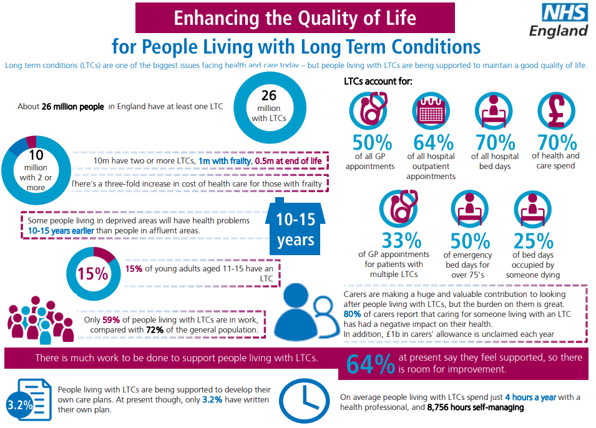
Living with travel restrictions due to chronic conditions can present unique challenges. Whether you have a medical condition that requires special accommodations or you’re traveling with someone who does, it’s important to plan ahead and make the necessary arrangements for a smooth journey. This article explores how you can navigate travel restrictions while still enjoying your adventures, offering practical tips and insights for those facing these challenges. From researching accessible destinations to packing necessary medications, we’ll cover everything you need to know to make travel a possibility, even with chronic conditions.
Understanding Travel Restrictions
Definition of travel restrictions due to chronic conditions
Travel restrictions due to chronic conditions refer to limitations placed on individuals with ongoing medical conditions that may affect their ability to travel safely. These restrictions are imposed to ensure the well-being and safety of individuals with chronic illnesses, as well as to prevent exacerbation of symptoms or medical emergencies while away from home.
Common chronic conditions that may result in travel restrictions
There is a wide range of chronic conditions that may result in travel restrictions. Some common examples include heart disease, respiratory conditions such as asthma or chronic obstructive pulmonary disease (COPD), autoimmune disorders like rheumatoid arthritis, diabetes, epilepsy, and mental health conditions such as anxiety or depression. These conditions may require specific accommodations or medical interventions, which could impact travel plans.
Reasons behind travel restrictions for chronic conditions
The primary reasons behind travel restrictions for chronic conditions are to ensure the safety and well-being of individuals with ongoing medical needs. Certain environments, climates, activities, or situations may exacerbate symptoms or pose risks to their health. It is essential to understand these restrictions to make informed decisions, manage health effectively, and minimize potential complications during travel.
Planning for Travel Restrictions
Consulting with healthcare professionals
Before embarking on any travel plans, it is crucial to consult with healthcare professionals who are familiar with your specific chronic condition. Discuss your intended travel destinations, duration of travel, and any potential challenges or limitations you may face. Healthcare professionals can provide valuable insights, guidance, and recommend necessary precautions or adjustments to your medications, treatment plan, or activities to ensure you travel safely.
Understanding specific limitations
Each chronic condition may come with distinct limitations or considerations for travel. It is essential to have a comprehensive understanding of your condition’s limitations and how they could affect your travel plans. For example, individuals with heart conditions may need to avoid high altitudes or extreme temperatures, while those with respiratory conditions may require additional precautions in areas with poor air quality. Understanding these limitations allows you to plan accordingly and make informed decisions about your travel arrangements.
Researching travel destination and requirements
Thoroughly researching your travel destination is critical in understanding travel restrictions and potential accommodations for your chronic condition. Look into local healthcare facilities, accessibility features, and the availability of necessary medical supplies or medications. Additionally, familiarize yourself with any specific travel requirements, such as COVID-19 testing or vaccination mandates, that may be in place at your destination. This research will help you prepare adequately and make informed decisions about your travel plans.
Obtaining necessary documents and prescriptions
It is essential to ensure you have all the necessary documentation and prescriptions in place before you travel. Carry a copy of your medical records, including a list of medications, diagnoses, and any special requirements or accommodations needed. Consult with your healthcare provider to obtain the necessary prescriptions for your medications, ensuring you have an adequate supply for your entire trip. Additionally, consider obtaining a letter from your healthcare provider explaining your condition, any necessary accommodations, and the need for certain medical supplies or equipment while traveling.
Choosing Suitable Transportation
Considerations for air travel
When choosing transportation, individuals with chronic conditions need to consider the specific challenges associated with air travel. Check with airlines in advance to understand their policies regarding medical equipment, oxygen supplies, and medication transportation. Additionally, consider booking direct flights whenever possible to reduce travel time and potential stress on your body. Requesting seating with extra legroom or near lavatories can also help make your journey more comfortable.
Alternative transportation options
If air travel poses significant challenges or restrictions for your chronic condition, explore alternative transportation options such as train, bus, or even driving. These modes of transportation may offer more flexibility, allowing you to take breaks as needed and ensuring easier access to essential medical supplies or equipment. Assess your individual needs and preferences to determine the most suitable and comfortable transportation option for your specific chronic condition.
Accessible transportation services and accommodations
Many transportation services, including airlines, trains, and buses, provide accessible options for individuals with chronic conditions. Research and inquire about these services in advance to ensure they meet your specific needs. This could include wheelchair-accessible vehicles, designated seating, or additional assistance from staff members. When booking accommodations, consider accessible options that provide convenient access to transportation hubs and have the necessary facilities to accommodate your condition.
Medication and Medical Supplies
Organizing medications and medical supplies
Proper organization of medications and medical supplies is crucial when traveling with chronic conditions. Ensure that all medications are clearly labeled and properly stored in a secure container. Consider using a pill organizer or medication reminder app to keep track of dosages and schedules. Organize medical supplies, such as insulin or respiratory devices, in a manner that allows easy access and protects them from damage during travel.
Packing medications for travel
When packing medications, it is essential to bring an ample supply for the duration of your trip, as well as some additional medication in case of unexpected delays or extended stays. Divide your medications into multiple containers and distribute them between your carry-on luggage and checked bags to mitigate the risk of losing them all at once. Keep a detailed list of your medications, including generic and brand names, dosages, and any important instructions, in case of emergencies or the need to replace them while traveling.
Ensuring accessibility and availability of medications during the trip
Ensure that you have access to your essential medications throughout your trip. Pack a small supply in your carry-on, including any necessary cold packs or temperature-controlled storage. Research local pharmacies or healthcare facilities at your travel destination and note their operating hours and contact information. Carry a copy of your prescriptions and a letter from your healthcare provider, as certain countries may require them to import or purchase medications locally.

Navigating Accommodations
Finding wheelchair-accessible accommodations
If you require wheelchair accessibility, it is crucial to research and book accommodations that cater to your specific needs. Look for hotels, resorts, or rental properties that provide accessible rooms, including features such as wider doorways, grab bars, roll-in showers, and wheelchair ramps. Read reviews and contact the accommodation directly to confirm their accessibility features and ensure they meet your requirements.
Requesting specific accommodations in advance
To ensure a comfortable and safe stay, request specific accommodations in advance. This could include a ground floor room, proximity to an elevator, or additional assistance if necessary. Contact the accommodation prior to your arrival to discuss your requirements and confirm that they can accommodate your needs. By requesting accommodations in advance, you can minimize potential inconvenience or discomfort during your stay.
Researching medical facilities and emergency services at your destination
Researching the availability and proximity of medical facilities and emergency services to your accommodation is vital when traveling with chronic conditions. Identify hospitals, clinics, or healthcare providers that specialize in your condition or are suitable for emergencies. Save their contact information and addresses for easy reference. It is also recommended to carry a list of emergency contact numbers, both local and your home country, in case immediate medical assistance is required.
Managing Symptoms and Flare-ups
Developing a management plan for symptoms
Having a management plan for your chronic condition is essential when traveling. Work with your healthcare provider to develop a plan that outlines steps to take in case of symptom exacerbation or a flare-up. This plan may involve adjusting medication dosages, identifying triggers or warning signs, and knowing when to seek medical assistance. Familiarize yourself with self-care techniques or breathing exercises that can help alleviate symptoms during travel.
Accounting for potential flare-ups during travel
While planning your trip, consider the potential for flare-ups or worsening of symptoms during travel. Factors such as changes in climate, altitude, or physical exertion can impact your condition. Ensure you have the necessary medications, medical supplies, and comfort items readily available to manage any potential flare-ups. Allow for rest periods and modify your itinerary as needed to prioritize your health and well-being.
Packing essential comfort items and equipment
To manage symptoms and increase comfort during travel, pack essential comfort items and equipment. This might include a heating pad, extra pillows, compression socks, or items that provide relief specific to your condition. Consider bringing assistive devices such as mobility aids or specialized cushions to make travel more comfortable. Review your specific needs and identify items that will enhance your comfort and well-being during your journey.

Travel Insurance and Assistance
Importance of travel insurance for chronic conditions
For individuals with chronic conditions, travel insurance is crucial to provide financial protection and peace of mind during their journey. Travel insurance can cover costs related to medical emergencies, unexpected trip cancellations or disruptions, and the loss or theft of belongings. It is essential to choose a comprehensive travel insurance policy that specifically covers your chronic condition and understands any pre-existing conditions or necessary medical care while traveling.
Types of travel insurance coverage to consider
When selecting travel insurance coverage, consider options that provide comprehensive medical coverage for your chronic condition. Look for policies that cover emergency medical expenses, evacuation or repatriation, and the cost of returning home in case of a medical emergency. Additionally, consider insurance that covers trip cancellations or delays, as these unexpected events could pose risks to individuals with chronic conditions.
Obtaining medical assistance and support services during travel
Ensure you are familiar with the medical assistance and support services available to you during travel. Some travel insurance providers offer 24/7 assistance hotlines staffed by medical professionals who can provide guidance or arrange medical care in case of emergencies. Familiarize yourself with these services and keep the necessary contact information easily accessible throughout your trip.
Understanding Legal and Documentation Requirements
Travel restrictions imposed by different countries and regions
It is essential to be aware of travel restrictions imposed by different countries and regions, as they may vary significantly. Some destinations may have specific requirements or restrictions for individuals with chronic conditions. Research entry regulations, including visa requirements and any necessary permits or exemptions, to ensure a smooth and hassle-free travel experience.
Applying for necessary travel permits or exemptions
If your chronic condition necessitates specific travel permits or exemptions, ensure you complete the necessary application process well in advance. Some countries may require medical documents, clearances, or permissions to import certain medications or medical supplies. Research the specific requirements and allow ample time for processing and approval.
Carrying medical documents and clearances for easier entry
To facilitate easier entry into your travel destination, carry copies of your medical documents, clearances, and any relevant permits or exemptions. These documents can help explain your chronic condition, necessary accommodations, and the need for certain medications or medical equipment. It is recommended to have these documents translated into the language of the country you are visiting, if applicable, to ensure clear communication and understanding.

Utilizing Technology and Apps
Mobile apps for managing chronic conditions while traveling
Leveraging technology and mobile apps can greatly assist individuals with chronic conditions during travel. Numerous apps are available to help manage medication schedules, track symptoms, and provide educational resources. Research and download reliable apps that are tailored to your specific condition to help you stay organized and informed throughout your journey.
Technology-based tools for communication and emergency situations
In case of emergencies or urgent healthcare needs, technology-based tools can be invaluable. Ensure your smartphone or other communication devices have appropriate language translation apps, as well as emergency contact information stored. Consider wearing a medical alert bracelet or necklace that specifies your chronic condition and any critical information that medical professionals may need during an emergency.
Using GPS and navigation apps for accessible travel
GPS and navigation apps can be beneficial for individuals traveling with chronic conditions. These apps can help you locate nearby medical facilities, pharmacies, or accessible services. Use these apps to plan your routes and identify accessible attractions, restaurants, or accommodations in advance to ensure a smoother travel experience.
Seeking Support and Resources
Joining online support communities for travelers with chronic conditions
Joining online support communities or forums specifically tailored for travelers with chronic conditions can provide valuable insights and support. These communities allow individuals to share their experiences, exchange travel tips, and offer encouragement. Engaging with others who face similar challenges can help alleviate concerns and provide a sense of community during the planning and execution of your travel plans.
Seeking assistance from travel agents specializing in medical travel
If you feel overwhelmed or require specific guidance, consider seeking assistance from travel agents who specialize in medical travel. These professionals are experienced in accommodating the unique needs and restrictions faced by individuals with chronic conditions. They can help plan your trip, navigate travel restrictions, and ensure that essential accommodations and services are in place.
Accessing resources and information from healthcare organizations
Many healthcare organizations, including patient advocacy groups and medical societies, offer resources and information for individuals with chronic conditions who are planning to travel. These resources may provide detailed guides, checklists, or specific suggestions for managing travel restrictions. Accessing such information can help you make informed decisions and ensure your travel plans align with your health needs.
In conclusion, living with travel restrictions due to chronic conditions requires careful planning, meticulous organization, and extensive research. By understanding the restrictions, consulting healthcare professionals, and utilizing available resources and technology, individuals with chronic conditions can embark on safe and rewarding travel experiences. Prioritizing health, managing symptoms, and seeking support are key to a successful journey. With the right preparations and accommodations in place, travel can still be an enjoyable and enriching experience, regardless of chronic conditions.