

You’re looking for a way to improve your well-being and lead a healthier lifestyle, but with so many diets out there, it can be overwhelming to know where to start. That’s why we’ve compiled a list of the most popular diets for overall well-being, so you can easily navigate through the options and find the one that suits you best. From the Mediterranean diet to intermittent fasting, each diet has its own unique benefits and can be tailored to fit your personal needs and goals. Whether you’re looking to lose weight or simply improve your overall health, these diets are worth considering. So let’s explore the most popular diets and take a step towards achieving a happier, healthier you.
1. Mediterranean Diet
Origins and principles of the Mediterranean diet
The Mediterranean diet is based on the eating habits of people living in countries bordering the Mediterranean Sea, such as Greece, Italy, and Spain. It emphasizes the consumption of fruits, vegetables, whole grains, legumes, nuts, seeds, olive oil, and lean proteins, while limiting red meat, processed foods, and added sugars. The diet is centered around whole, unprocessed foods and encourages the use of herbs and spices for flavor rather than salt. It also promotes regular physical activity and emphasizes the importance of enjoying meals in the company of others.
Food components of the Mediterranean diet
The Mediterranean diet is rich in plant-based foods such as fruits, vegetables, whole grains, legumes, nuts, and seeds. These foods provide essential nutrients, fiber, and antioxidants that can help to reduce the risk of chronic diseases. Healthy fats, particularly olive oil, are a key component of the diet. They are a great source of monounsaturated fats, which can help to lower bad cholesterol levels and reduce the risk of heart disease. Lean proteins such as fish, poultry, and legumes are also consumed in moderation.
Benefits of the Mediterranean diet
Following the Mediterranean diet has been associated with numerous health benefits. Research suggests that it can help in the prevention of heart disease, stroke, type 2 diabetes, and certain types of cancer. The diet is also associated with better weight management and a reduced risk of obesity. The focus on whole, unprocessed foods and the use of healthy fats can contribute to better overall well-being. Additionally, the Mediterranean diet has shown to have a positive impact on brain health, reducing the risk of cognitive decline and age-related neurodegenerative diseases.
Tips for following the Mediterranean diet
To follow the Mediterranean diet, start by incorporating more fruits, vegetables, whole grains, and legumes into your meals. Swap out butter for olive oil, and choose lean proteins such as fish or poultry instead of red meat. Include nuts and seeds as snacks, and enjoy moderate amounts of dairy products such as yogurt and cheese. Limit your intake of processed foods, sugary beverages, and sweets. Lastly, make sure to engage in regular physical activity and enjoy meals with family and friends to fully embrace the Mediterranean lifestyle.
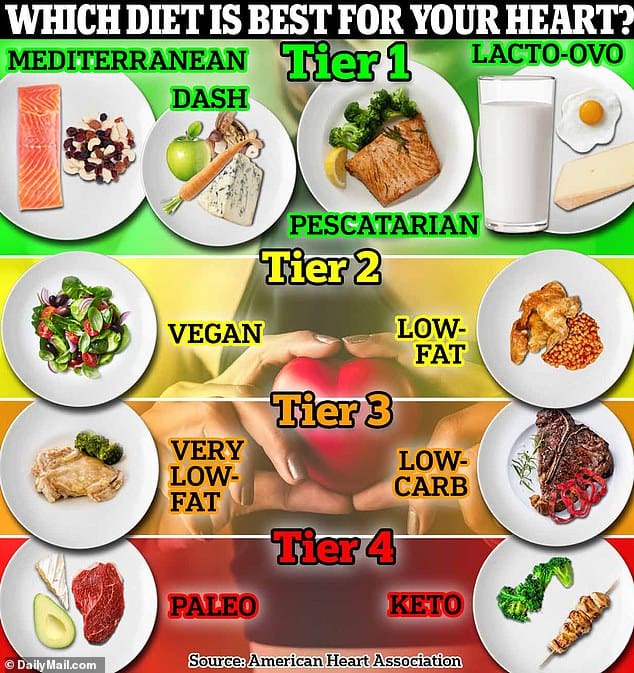
2. DASH Diet
What is the DASH diet?
The Dietary Approaches to Stop Hypertension (DASH) diet is a flexible and balanced eating plan developed to help lower blood pressure. It emphasizes the consumption of fruits, vegetables, whole grains, lean proteins, and low-fat dairy products, while limiting sodium, saturated fats, and added sugars. The DASH diet is supported by scientific research and is recognized as an effective dietary approach for reducing hypertension.
Key principles of the DASH diet
The DASH diet focuses on increasing the consumption of fruits and vegetables, which are rich in potassium, magnesium, and fiber that can help lower blood pressure. It also encourages the consumption of whole grains, lean proteins such as poultry, fish, and nuts, and low-fat dairy products. These foods provide essential nutrients while being low in saturated fats and cholesterol. Sodium intake is limited by reducing processed foods, canned soups, and sauces which are usually high in sodium content.
Food components of the DASH diet
The DASH diet emphasizes the consumption of fruits, vegetables, whole grains, lean proteins, and low-fat dairy products. It encourages the intake of foods that are rich in nutrients such as potassium, magnesium, and fiber. Fruits and vegetables should be consumed throughout the day, and whole grains such as brown rice, whole wheat bread, and oatmeal should replace refined grain products. Lean proteins like chicken, fish, and legumes are preferred over high-fat meats. Low-fat dairy products such as skim milk, yogurt, and cheese are included in moderation.
Benefits of the DASH diet
The DASH diet has been proven to lower blood pressure in individuals with hypertension. Moreover, it is associated with a reduced risk of heart disease, stroke, and certain types of cancer. The emphasis on whole, unprocessed foods and the reduction in sodium and unhealthy fats contribute to overall improved health and well-being. Additionally, the DASH diet promotes weight management and can help prevent and manage diabetes.

3. Ketogenic Diet
Understanding the ketogenic diet
The ketogenic diet, also known as the keto diet, is a low-carbohydrate, high-fat diet that promotes the production of ketones in the body. Ketones are molecules produced by the liver when carbohydrate intake is low, and the body starts to break down fat for fuel. This metabolic state is called ketosis. By restricting carbohydrates and increasing fat intake, the ketogenic diet aims to shift the body’s primary source of energy from glucose to fat.
Principles of the ketogenic diet
The main principle of the ketogenic diet is to significantly reduce carbohydrate intake while increasing fat intake. Typically, the diet consists of consuming 70-75% of calories from fat, 20-25% from protein, and only 5-10% from carbohydrates. This drastic reduction in carbohydrates forces the body to enter a state of ketosis, where it starts utilizing fat for fuel instead of glucose. It is important to note that the ketogenic diet requires careful planning and monitoring to ensure adequate nutrient intake.
Food components of the ketogenic diet
In the ketogenic diet, the focus is on consuming foods that are high in healthy fats such as avocados, nuts, seeds, and oils. Animal proteins like meat, fish, and poultry are also a part of the diet. Non-starchy vegetables such as leafy greens, broccoli, and cauliflower can be consumed in moderation. Foods high in carbohydrates such as grains, legumes, fruits, starchy vegetables, and sugars are restricted.
Benefits of the ketogenic diet
The ketogenic diet has gained popularity for its potential benefits, including weight loss, improved insulin sensitivity, and increased mental clarity. When the body enters ketosis, it becomes more efficient at burning stored fat for fuel, leading to weight loss. The diet has also shown promising results in managing epilepsy, particularly in children. Additionally, some studies suggest that the ketogenic diet may have potential benefits for certain neurological conditions and even cancer management. However, more research is needed to fully understand the long-term effects and potential risks of the ketogenic diet.
Considerations and potential risks of the ketogenic diet
While the ketogenic diet may have benefits for certain individuals, it is important to consider its potential risks. The drastic restriction of carbohydrates can lead to nutrient deficiencies, particularly in vitamins, minerals, and fiber. It may also be challenging to sustain long-term due to its strict nature and potential side effects such as the “keto flu,” which includes symptoms like fatigue, headaches, and nausea. Additionally, individuals with certain medical conditions, such as pancreatitis or liver disease, should approach the ketogenic diet with caution and consult with a healthcare professional.
