
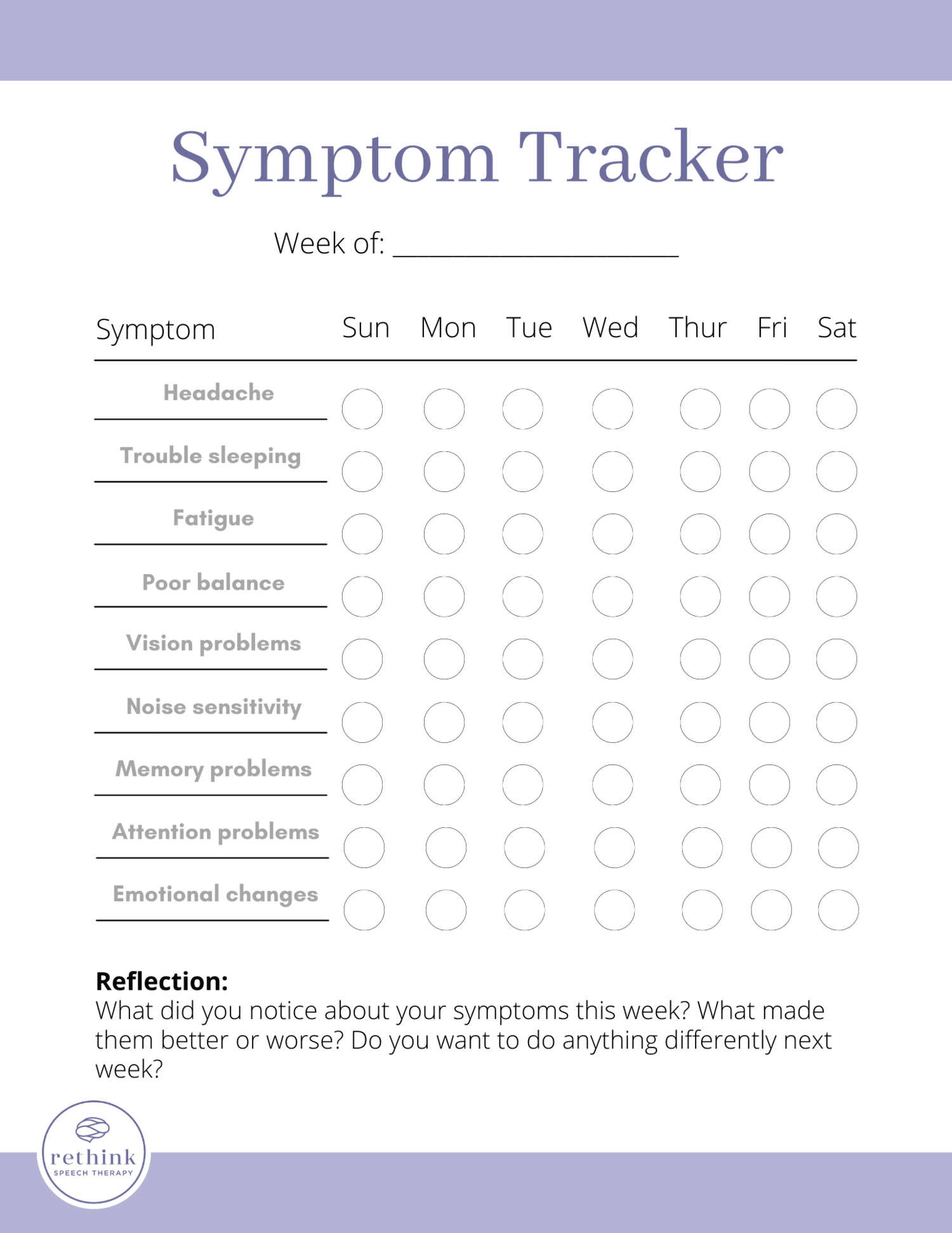
In managing chronic conditions, tracking your symptoms is crucial for understanding patterns, identifying triggers, and monitoring any changes. By keeping a symptom diary or using a tracking app, you can easily track your daily symptoms, activities, and any medications or treatments you tried. This information not only helps you and your healthcare team better manage your condition, but also empowers you to make informed decisions about your health. With the right tools and consistent tracking, you can take control of your health and improve your quality of life. Have you ever struggled to keep track of your symptoms while managing a chronic condition? It can be overwhelming to remember all the details and changes in your health from day to day. In this article, we will explore some of the best ways to track your symptoms effectively, so you can better manage your condition and communicate with your healthcare team. Let’s dive in!
Why Tracking Symptoms Is Important
Tracking your symptoms is crucial when managing a chronic condition because it allows you to:
- Identify patterns and triggers
- Monitor your progress
- Communicate effectively with your healthcare team
By keeping a record of your symptoms, you can provide your healthcare provider with valuable information that can lead to more effective treatment and management strategies.
How Tracking Symptoms Can Help You
Tracking your symptoms can help you in various ways, such as:
- Understanding how your condition affects your daily life
- Identifying factors that worsen or improve your symptoms
- Evaluating the effectiveness of your current treatment plan
Having a clear picture of your symptoms can empower you to make informed decisions about your health and work collaboratively with your healthcare team towards achieving your wellness goals.
Various Methods for Tracking Symptoms
There are several methods you can use to track your symptoms effectively. Here are some of the most popular options:
Symptom Tracker Apps
Symptom tracker apps are a convenient way to log your symptoms on the go. They often come with features like customizable symptom lists, mood tracking, and medication reminders. Some popular apps include:
| App Name | Features | Cost |
|---|---|---|
| My Pain Diary | Customizable symptom tracker, pain mapping, report generation | Free with in-app purchases |
| Symple | Symptom logging, mood tracking, visualizations | Free |
| Cara | Symptom tracking, treatment logging, medication reminders | Free with in-app purchases |
These apps make it easy to track your symptoms consistently and provide you with comprehensive reports to share with your healthcare team.
Paper Journals
Keeping a paper journal to track your symptoms is a traditional yet effective method. You can use a notebook or a symptom diary to jot down your symptoms, along with relevant details like date, time, and severity. Consider using color-coded markers or stickers to highlight specific symptoms or trends in your journal.
Excel Spreadsheets
For those who prefer a digital but more customizable approach, Excel spreadsheets can be a great option. You can create a personalized template with columns for different symptoms, severity levels, triggers, and notes. Excel allows you to analyze your data by creating charts and graphs to visualize patterns and changes in your symptoms over time.
Tips for Effective Symptom Tracking
Here are some tips to help you track your symptoms effectively and efficiently:
Be Consistent
Set aside a specific time each day to log your symptoms. Consistency is key to accurately recording your symptoms and identifying patterns that may arise. Consider setting reminders on your phone or using a daily planner to help you stay on track.
Be Detail-Oriented
Be as detailed as possible when logging your symptoms. Include information like the severity of your symptoms, any potential triggers, and how your symptoms impact your daily activities. The more information you provide, the better your healthcare provider can understand your condition.
Use a Symptom Scale
Consider using a symptom scale to rate the severity of your symptoms consistently. This can help you track changes in your symptoms more objectively and communicate your experience more clearly to your healthcare team. You can use a scale from 0 to 10 or a visual analog scale to quantify your symptoms.
Communicate With Your Healthcare Team
Share your symptom tracking records with your healthcare provider during your appointments. Discuss any trends or patterns you have noticed, as well as any changes in your symptoms. Your healthcare provider can use this information to adjust your treatment plan or recommend further evaluations.
Summary
Tracking your symptoms when managing a chronic condition is a valuable tool that can help you better understand your health, identify triggers and patterns, and communicate effectively with your healthcare team. Whether you choose to use a symptom tracker app, a paper journal, or an Excel spreadsheet, the key is to be consistent, detail-oriented, and communicative. By tracking your symptoms diligently, you can take control of your health and work towards achieving optimal wellness. Start today and take charge of your health journey!