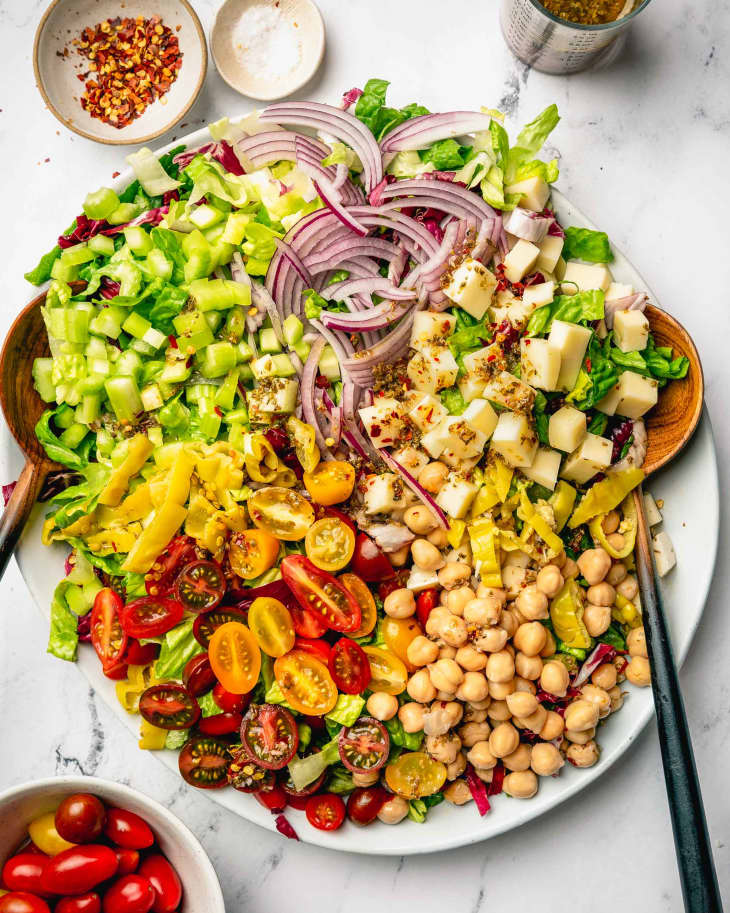
Are you tired of the same old boring salads? Do you crave a healthy and delicious meal that will leave your taste buds satisfied? Look no further! In this article, you will discover the secrets to creating mouthwatering salad combinations that are both nutritious and full of flavor. Say goodbye to bland and uninspiring salads, and say hello to a world of vibrant and tasty ingredients that will make your salads the star of the show. Whether you’re a seasoned salad lover or just starting your journey towards a healthier lifestyle, this article will provide you with all the tips and tricks you need to elevate your salad game to the next level. Get ready to turn a simple bowl of greens into a masterpiece of taste and nutrition!

Choose a Variety of Vegetables
When creating a healthy and tasty salad, it’s important to start with a variety of vegetables. By including a range of vegetables, you not only increase the nutritional value of your salad but also add different flavors and textures.
Include leafy greens
Leafy greens, such as spinach, kale, or arugula, are excellent choices for the base of your salad. They provide a crunchy texture and are packed with essential vitamins and minerals. Adding leafy greens to your salad also adds a vibrant green color, making it visually appealing.
Add colorful vegetables
To make your salad more visually appealing and flavorful, try incorporating a variety of colorful vegetables. Consider adding tomatoes, bell peppers, carrots, cucumbers, or radishes. These vegetables not only add a pop of color to your salad but also provide different tastes and textures.
Try different textures
In addition to adding leafy greens and colorful vegetables, don’t be afraid to experiment with different textures in your salad. For example, you could add crunchy elements like celery, radishes, or even croutons. On the other hand, you can include softer ingredients like roasted vegetables, grilled mushrooms, or steamed broccoli. By including a variety of textures, you’ll make your salad more interesting to eat.
Incorporate Protein Sources
To make your salad more filling and nutritious, it’s important to incorporate protein sources. Protein is essential for muscle repair and maintenance, and it also helps to keep you feeling satisfied and full.
Use lean meats
If you’re a meat-eater, lean meats like grilled chicken breast, turkey, or lean beef can be excellent sources of protein for your salad. Make sure to cook the meat thoroughly and season it well to add flavor. You can then slice the meat and add it to your salad for a delicious and satisfying meal.
Add plant-based proteins
If you’re following a vegetarian or vegan diet, there are plenty of plant-based protein options to choose from. Consider adding ingredients like chickpeas, black beans, tofu, tempeh, or edamame to your salad. These plant-based proteins not only add protein but also bring different flavors and textures to your salad.
Include dairy or cheese
Dairy products, such as Greek yogurt or cottage cheese, can also be great sources of protein for your salad. These products add a creamy texture and provide additional nutrients like calcium. If you enjoy cheese, consider adding feta, mozzarella, or grated Parmesan to your salad for extra flavor and protein.
Add Healthy Fats
Including healthy fats in your salad is important for both flavor and nutritional balance. Healthy fats are an essential part of a well-rounded diet and can help to increase satiety.
Include avocado
Avocado is a fantastic source of healthy fats and provides a creamy and buttery texture to your salad. Add sliced avocado as a topping or mash it and use it as a dressing or spread.
Add nuts or seeds
Nuts and seeds, such as almonds, walnuts, sunflower seeds, or chia seeds, can provide a crunchy texture and add healthy fats to your salad. Sprinkle a handful of your favorite nuts or seeds over your salad for an extra boost of flavor and nutrition.
Use olive oil-based dressings
Instead of opting for heavy and creamy dressings, try using olive oil-based dressings. Olive oil is rich in monounsaturated fats, which are considered heart-healthy. Combine olive oil with vinegar, lemon juice, or your favorite herbs and spices to create a simple and flavorful dressing.
Include Whole Grains
Adding whole grains to your salad is an excellent way to increase its nutritional value and make it more filling.
Add quinoa or brown rice
Quinoa and brown rice are nutritious whole grains that can be cooked and added to your salad. These grains provide a chewy and satisfying texture while adding a boost of fiber, protein, and essential nutrients.
Try ancient grains like farro or bulgur
If you’re looking to try something different, consider incorporating ancient grains like farro or bulgur into your salad. These grains have a nutty flavor and a pleasant chewy texture that adds interest to your salad.
Include whole grain croutons
Instead of using traditional croutons made from white bread, opt for whole grain croutons. Whole grain bread is higher in fiber and nutrients, making it a healthier choice. You can make your own by toasting whole grain bread and cutting it into bite-sized pieces.
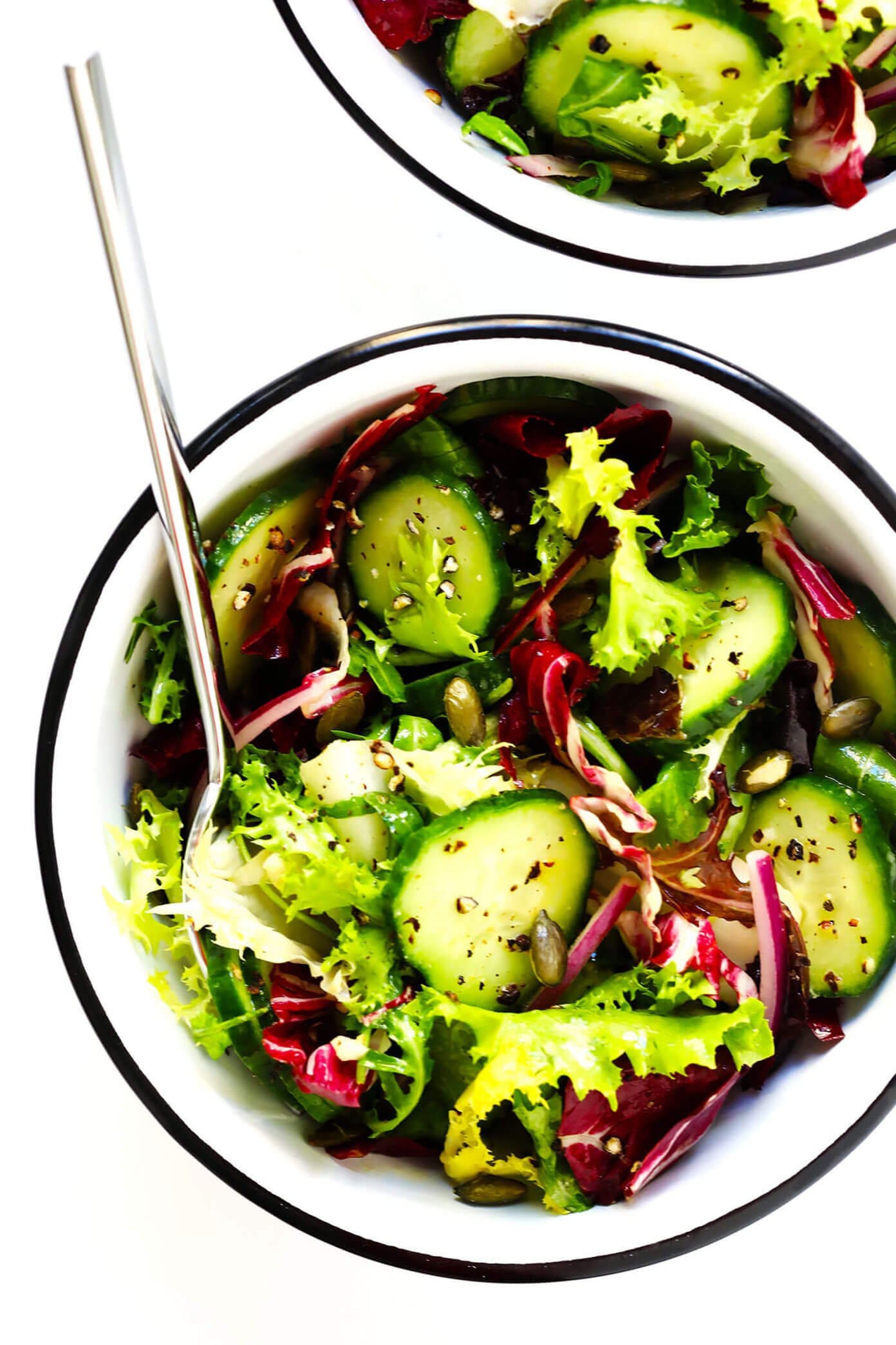
Choose Flavorful Herbs and Spices
To make your salad more exciting and flavorful, don’t forget to include herbs and spices.
Use fresh herbs like basil or cilantro
Fresh herbs like basil, cilantro, parsley, or mint can add a burst of fresh flavor to your salad. Chop them finely before adding them to your salad, and experiment with different combinations to find your favorite flavors.
Add spices like cumin or paprika
Spices can add depth and complexity to your salad’s flavor profile. Consider adding spices like cumin, paprika, turmeric, or chili powder to your salad dressing or directly to your salad ingredients.
Experiment with different vinegars
Vinegars, such as balsamic vinegar, apple cider vinegar, or rice vinegar, can add tang and acidity to your salad. Experiment with different types of vinegar to find the one that best complements your salad ingredients.
Balance Sweet and Savory
Incorporating a balance of sweet and savory flavors can take your salad to the next level.
Add fruits like berries or oranges
Adding fresh fruits like berries, sliced oranges, or pomegranate seeds to your salad can provide a touch of sweetness and a burst of flavor. Fruits also add vibrant colors and can contrast nicely with savory ingredients.
Combine with savory ingredients like feta cheese or olives
To balance out the sweetness of the fruits, consider adding savory ingredients like feta cheese, Kalamata olives, or pickled vegetables. These ingredients add saltiness and tang to your salad, creating a well-rounded taste.
Drizzle with a touch of honey or maple syrup
If you’re looking for additional sweetness, you can drizzle a small amount of honey or maple syrup over your salad. However, be mindful of the quantity to avoid overwhelming the other flavors in your salad.

Texture Matters
The texture of your salad can greatly impact your enjoyment and satisfaction. Aim to incorporate a variety of textures for an interesting eating experience.
Include crunchy elements like croutons or nuts
Adding crunchy elements like croutons, nuts, or seeds to your salad can provide a satisfying crunch and textural contrast. Whether you choose to include store-bought croutons or make your own, these crunchy additions will add an enjoyable element to your salad.
Add creamy elements like avocado or cheese
Combining creamy elements like avocado or cheese with crisp vegetables and greens can create a well-balanced texture in your salad. Avocado provides a smooth and buttery texture, while cheese adds creaminess.
Incorporate chewy elements like dried fruits or grilled vegetables
To add chewiness to your salad, consider incorporating ingredients like dried fruits, grilled vegetables, or cooked grains. These chewy elements can provide a pleasant mouthfeel and make your salad more interesting to eat.
Experiment with Dressings
The dressing you choose for your salad can greatly impact its flavor. Experimenting with different dressings can help keep your salads exciting and flavorful.
Make your own dressings with olive oil, vinegar, and herbs
Making your own dressings allows you to customize the flavors and control the ingredients. Combine olive oil, vinegar, a splash of citrus juice, and your choice of herbs and spices to create a homemade dressing that perfectly complements your salad.
Try different pre-made dressings
If you prefer the convenience of pre-made dressings, there are plenty of options available in stores. Try different brands and flavors to find the ones that you enjoy the most. Look for dressings with minimal added sugars and artificial ingredients.
Use yogurt-based dressings for a creamy option
For those who prefer a creamy dressing, yogurt-based dressings can be a healthier alternative to traditional creamy dressings. Greek yogurt or plain yogurt mixed with herbs, spices, and lemon juice can create a delicious and creamy dressing option.

Consider Complementary Ingredients
When creating a salad, it’s important to consider how different ingredients work together to create a flavorful combination.
Pair fruits with tangy cheeses
To create a delicious balance of flavors, pair sweet fruits like strawberries or grapes with tangy cheeses like goat cheese or blue cheese. The combination of sweet and tangy creates a delightful and complex taste.
Combine roasted vegetables with fresh greens
Roasted vegetables add depth of flavor and a touch of sweetness to your salad. Combining them with fresh greens creates a satisfying contrast of textures and tastes. Consider roasting vegetables like sweet potatoes, beets, or carrots before adding them to your salad.
Add a protein source that complements the flavors
When choosing a protein source for your salad, consider how it will complement the flavors of the other ingredients. For example, if you have a salad with Mediterranean flavors, grilled chicken marinated in lemon and herbs would be an excellent choice. Make sure the protein you choose enhances the overall taste of your salad.
Presentation Matters
Finally, when creating a salad, it’s important to pay attention to its presentation. A visually appealing salad is much more enticing to eat.
Arrange ingredients in an appealing way
Take the time to arrange your salad ingredients in an aesthetically pleasing way. This could involve layering colorful vegetables, placing protein sources strategically, or arranging chopped herbs and spices on top. The presentation of your salad can make it look more appetizing and inspire you to enjoy it.
Use different shapes and sizes for visual interest
Incorporating ingredients in different shapes and sizes can add visual interest to your salad. For example, you can slice vegetables into different shapes, use whole leaves of lettuce or spinach as a base, or cut proteins into bite-sized pieces. This variation in shapes and sizes creates an eye-catching salad.
Garnish with fresh herbs or edible flowers
To add a final touch to your salad, garnish it with fresh herbs or edible flowers. Not only will this enhance the presentation, but it can also add a subtle hint of additional flavor. Sprinkle a few basil leaves, cilantro sprigs, or edible flowers on top of your salad for an elegant finishing touch.
In conclusion, creating a healthy and tasty salad is all about choosing a variety of vegetables, incorporating protein sources, adding healthy fats, including whole grains, using flavorful herbs and spices, balancing sweet and savory flavors, considering texture, experimenting with dressings, complementing ingredients, and paying attention to presentation. By following these tips, you can create salads that are not only delicious but also satisfying and nutritious. So grab your ingredients, get creative, and enjoy the endless possibilities of salad combinations!