
As you journey through the different stages of life, it becomes increasingly important to prioritize your health, particularly when it comes to aging gracefully. While there are numerous factors that contribute to healthy aging, one aspect that should not be overlooked is your diet. The food you consume plays a crucial role in supporting your overall well-being, and by making a few simple adjustments, you can enhance your quality of life as you grow older. In this article, we will explore the top ways to support healthy aging through your diet, equipping you with practical tips and insights to make informed choices for a vibrant future.
Eat a Nutrient-Rich Diet
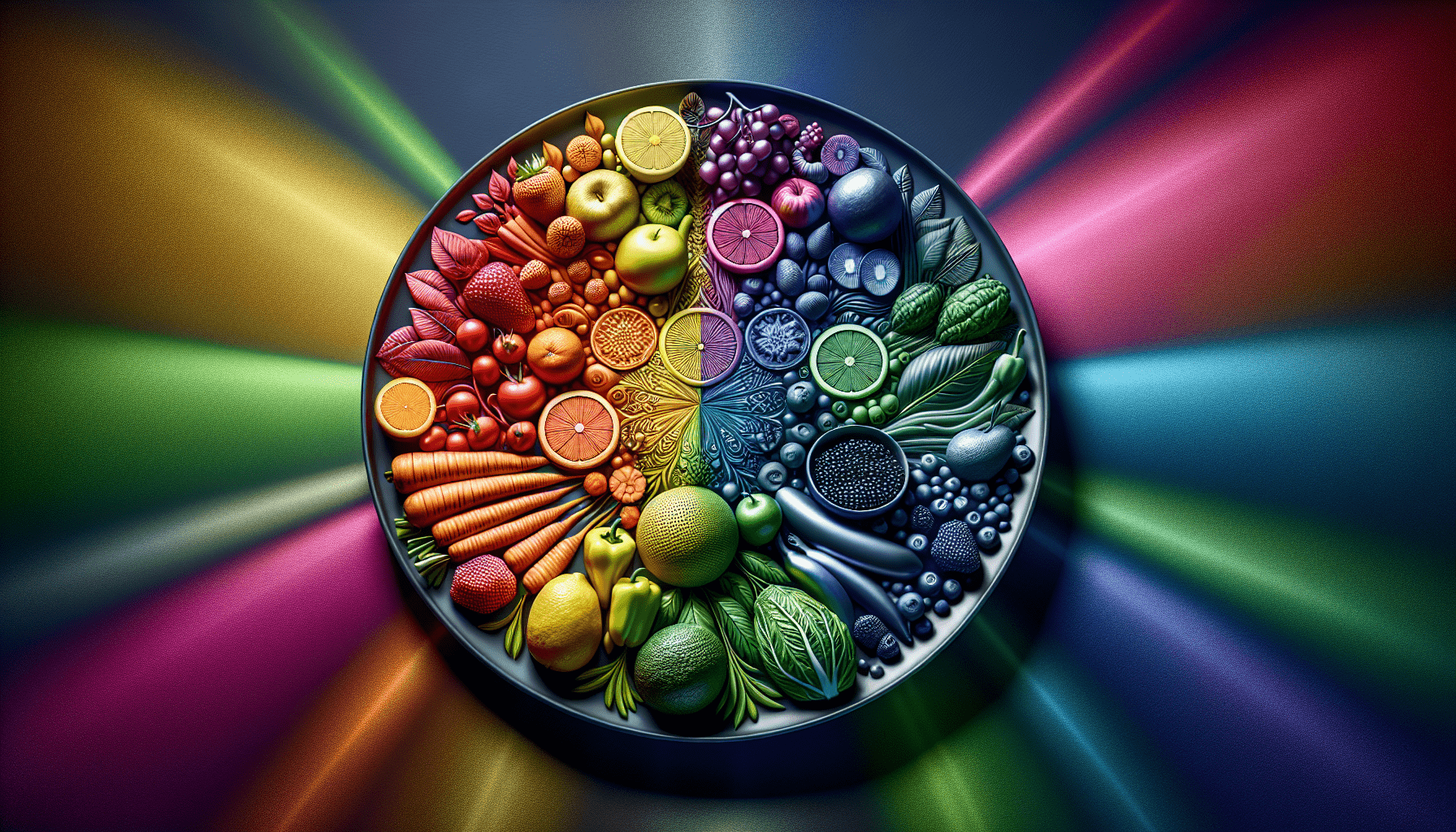
Maintaining a nutrient-rich diet is essential for supporting healthy aging. By including a variety of fruits and vegetables in your meals, you can ensure that you are getting a wide range of essential vitamins and minerals. Filling your plate with colorful produce will not only provide you with the nutrients your body needs, but it will also add flavor and texture to your meals. Aim to incorporate a mix of fruits and vegetables in different colors, as each color offers a unique set of beneficial compounds.
In addition to fruits and vegetables, consuming whole grains is another important aspect of a nutrient-rich diet. Whole grains, such as brown rice, whole wheat bread, and quinoa, are rich in fiber, vitamins, and minerals. They provide sustained energy and promote digestive health. Incorporating whole grains into your meals can be as simple as swapping refined grains for whole grain alternatives. For example, choose whole wheat pasta instead of regular pasta or opt for brown rice instead of white rice.
Another key component of a nutrient-rich diet is lean proteins. Protein is necessary for maintaining muscle mass, supporting immune function, and promoting overall health. Lean protein options include skinless poultry, fish, legumes, tofu, and low-fat dairy products. By including a variety of lean proteins in your diet, you can ensure that you are getting essential amino acids and supporting your body’s needs.
Stay Hydrated
Staying hydrated is crucial for overall health, and it becomes even more important as we age. Water is essential for maintaining proper bodily functions, such as digestion, circulation, and temperature regulation. It also helps keep our skin hydrated and supports joint health. As a general guideline, aim to drink at least eight glasses of water per day, or more if you are physically active or live in a hot climate.
In addition to water, herbal teas can be a great way to increase your hydration levels and add variety to your beverage choices. Herbal teas, such as chamomile, peppermint, and ginger, offer a range of health benefits and can be enjoyed hot or cold. They are also a great alternative to sugary beverages, which should be limited in a healthy diet.
When it comes to staying hydrated, it is important to limit the intake of sugary beverages. High sugar consumption has been linked to various health issues, including weight gain, diabetes, and heart disease. It is best to opt for water or low-sugar options like herbal teas, and limit the consumption of sodas, energy drinks, and fruit juices.
Reduce Sodium Intake
Reducing sodium intake is an important step in promoting heart health and maintaining healthy blood pressure levels. High sodium consumption has been linked to increased blood pressure, which can lead to heart disease and other cardiovascular issues. To reduce sodium intake, it is important to read food labels and choose low-sodium options whenever possible. Many packaged and processed foods contain high levels of sodium, so it is important to choose alternatives that are lower in salt.
In addition to choosing low-sodium options, it is also important to avoid adding table salt to your meals. Instead, experiment with herbs and spices to add flavor to your dishes. Herbs like basil, thyme, and rosemary, as well as spices like turmeric and cumin, can add depth and flavor to your meals without the need for excessive salt. By reducing your sodium intake and using herbs and spices, you can support heart health and improve the overall flavor profile of your meals.
Increase Fiber Consumption
Including an adequate amount of fiber in your diet is essential for promoting digestive health and maintaining regular bowel movements. Fiber helps bulk up the stool and promotes healthy digestion, which can prevent constipation and other digestive issues. To increase your fiber consumption, choose whole fruits and vegetables over juices. Whole fruits and vegetables contain more fiber than their juice counterparts and provide additional vitamins and minerals.
Another way to incorporate more fiber into your diet is by opting for whole grain products. Whole grain bread, pasta, and cereal are higher in fiber than their refined counterparts, as they contain the bran, germ, and endosperm of the grain. Look for products that are labeled as “100% whole grain” to ensure you are getting the most fiber and nutrients.
Including legumes, such as beans, lentils, and chickpeas, in your diet is another great way to boost your fiber intake. Legumes are not only high in fiber but also a good source of plant-based protein. Adding them to soups, salads, and stir-fries can provide a hearty and nutritious boost to your meals.
Consume Healthy Fats
Contrary to popular belief, not all fats are bad for you. In fact, consuming healthy fats is essential for supporting brain health, maintaining healthy skin, and promoting overall wellbeing. When choosing fats, it is important to focus on those high in omega-3 fatty acids, which have been shown to have numerous health benefits. Foods rich in omega-3 fatty acids include fatty fish like salmon, trout, and sardines, as well as chia seeds, flaxseeds, and walnuts.
In addition to omega-3 fatty acids, including nuts and seeds in your diet is a great way to consume healthy fats. Almonds, cashews, and sunflower seeds are all nutritious options that can be enjoyed as a snack or added to meals for extra crunch and flavor. Be mindful of portion sizes, as nuts and seeds are calorie-dense foods.
When it comes to cooking, using healthy oils is important. Olive oil, avocado oil, and coconut oil are all good options that provide healthful fats and can add flavor to your dishes. It is important to use these oils in moderation, as they are still calorie-dense.
Limit Added Sugars
While it is important to consume natural sugars found in fruits and vegetables, it is equally important to limit added sugars in your diet. Added sugars, which are often found in processed foods, sugary drinks, and desserts, can contribute to weight gain, inflammation, and an increased risk of chronic diseases, such as diabetes and heart disease. To limit added sugars, it is important to read food labels and be mindful of hidden sugars.
Choosing fresh fruits as sweet snacks is a healthy alternative to processed sweets. Fruits not only provide natural sugars but are also packed with vitamins, minerals, and fiber. They offer a refreshing and satisfying alternative to sugary snacks.
In addition to choosing fresh fruits, it is important to avoid sugary drinks and desserts. Instead, opt for water, herbal teas, or homemade smoothies sweetened with fresh fruits. By limiting your intake of added sugars, you can support overall health and prevent the negative effects associated with excessive sugar consumption.
Pay Attention to Portion Sizes
Maintaining proper portion sizes is essential for managing weight and avoiding overeating. Using smaller plates and bowls can help create the illusion of a fuller plate and make it easier to control portion sizes. By using smaller tableware, you can still enjoy a satisfying meal while consuming less food.
Listening to your body’s hunger and fullness cues is another important aspect of managing portion sizes. Take the time to eat slowly and savor each bite. Eating mindfully allows you to truly enjoy the taste and texture of your food and gives your body a chance to recognize when it is full. Avoid distractions while eating, such as watching TV or scrolling through your phone, as these distractions can lead to mindless eating and overconsumption.
Avoid eating straight from packages, as it can be easy to lose track of portion sizes when snacking directly from a bag or box. Instead, portion out snacks into small bowls or containers. By being mindful of portion sizes and listening to your body, you can maintain a healthy weight and support overall wellness.
Include Adequate Protein
Protein is a crucial nutrient for supporting healthy aging. It plays a role in many bodily functions, including muscle growth and repair, hormone production, and immune function. Choosing lean sources of protein, such as skinless poultry, fish, and legumes, is essential for reducing saturated fat intake and promoting heart health.
Including plant-based protein options in your diet is also important for overall health. Beans, lentils, tofu, and tempeh are all excellent sources of plant-based protein. They can be included in a variety of dishes, such as soups, salads, and stir-fries, to provide a satisfying and nutritious boost.
Distributing protein intake across meals is another important consideration. Aim to include a source of protein in each meal, whether it be eggs at breakfast, chicken at lunch, or beans at dinner. By spreading out your protein intake throughout the day, you can support muscle health and maintain a balanced diet.
Prioritize Calcium and Vitamin D Intake
Calcium and vitamin D are two nutrients that are essential for maintaining healthy bones and preventing conditions like osteoporosis. Including dairy products or dairy alternatives in your diet is a great way to ensure you are getting an adequate amount of calcium. Yogurt, cheese, and milk are all good sources of calcium. If you are lactose intolerant or following a vegan diet, there are many non-dairy options available, such as almond milk, soy milk, and fortified plant-based yogurts.
Dark leafy greens, such as kale, spinach, and collard greens, are another excellent source of calcium. These greens can be incorporated into salads, stir-fries, and smoothies to increase your calcium intake. Additionally, some plant-based milk alternatives, such as almond milk, are fortified with calcium, providing another option for those who do not consume dairy.
Vitamin D is necessary for the absorption of calcium in the body. While our bodies can produce vitamin D when exposed to sunlight, it can be challenging to get enough through sun exposure alone, especially during the winter months or for those who spend little time outdoors. Consider talking to your healthcare provider about whether vitamin D supplements are right for you. They can help ensure you are getting an adequate amount of this essential vitamin.
Practice Mindful Eating
Practicing mindful eating is a valuable tool for promoting overall wellbeing and preventing overeating. By eating slowly and chewing thoroughly, you allow your body to properly digest food and send signals of fullness to your brain. Savoring the taste and texture of your food can enhance your dining experience and increase satisfaction from your meals.
Avoiding distractions while eating is important for mindful eating. When you eat while watching TV, scrolling through your phone, or working, you are less likely to pay attention to your body’s hunger and fullness cues. Instead, set aside dedicated time for meals, free from distractions, and focus solely on the experience of eating.
Taking the time to appreciate and enjoy your meals can also help prevent emotional or stress-related eating. Mindful eating encourages you to be in tune with your body and identify the difference between physical hunger and emotional cravings. By practicing mindful eating, you can foster a healthy relationship with food and support overall wellness.
In conclusion, supporting healthy aging through diet is essential for overall wellbeing. By following these recommendations to eat a nutrient-rich diet, stay hydrated, reduce sodium intake, increase fiber consumption, consume healthy fats in moderation, limit added sugars, pay attention to portion sizes, include adequate protein, prioritize calcium and vitamin D intake, and practice mindful eating, you can promote healthy aging and ensure that your body receives the nutrients it needs. Remember, small changes in your diet can make a big difference in your long-term health and vitality. So, start incorporating these healthy habits into your lifestyle today and enjoy the benefits of a well-balanced diet as you age gracefully.