In understanding the intricacies of current healthcare policy decisions, one cannot overlook the significant impact of historical context. The decisions made today are not isolated occurrences but are deeply rooted in past events and experiences. By exploring the historical context surrounding healthcare policy, we gain valuable insights that can inform and shape the decisions of the present. In this article, we will explore how historical context influences the development of healthcare policy and the important role it plays in addressing the complex challenges facing the healthcare system. Join us as we uncover the profound connection between history and the shaping of current healthcare policy decisions.
Influence of Historical Events on Healthcare Policy
Impact of World Wars
The World Wars had a profound influence on healthcare policy, shaping it in numerous ways. The devastating consequences of the wars highlighted the need for a comprehensive and accessible healthcare system. The large number of injured soldiers and civilians necessitated advancements in medical technology and the establishment of specialized healthcare facilities. Moreover, the wars resulted in a shift in societal attitudes towards healthcare, as governments recognized the importance of providing care and support to their citizens. This led to the implementation of policies that aimed to ensure healthcare coverage for all.
Role of Civil Rights Movement
The Civil Rights Movement played a crucial role in shaping healthcare policy by shedding light on the inequalities and injustices that existed within the healthcare system. The movement advocated for equal access to healthcare for all individuals, regardless of their race or ethnicity. It prompted policymakers to address racial disparities in healthcare and to enact legislation that prohibited discriminatory practices in the provision of medical care. The Civil Rights Movement thus paved the way for more inclusive and equitable healthcare policies.
Effect of Epidemics and Pandemics
Throughout history, epidemics and pandemics have significantly influenced healthcare policy. These health crises have exposed weaknesses in healthcare systems and highlighted the need for proactive measures to prevent and respond to infectious diseases. The devastating impact of epidemics, such as the Spanish flu and the HIV/AIDS pandemic, led to increased funding for research, the establishment of public health agencies, and the development of policies aimed at mitigating the spread of diseases. Epidemics and pandemics have also brought attention to the importance of international cooperation and global health policies.
Historical Policies and their Impact on Present
Expansion of Medicare and Medicaid
The expansion of Medicare and Medicaid in the mid-20th century had a transformative impact on healthcare policy. These programs aimed to provide healthcare coverage for the elderly, low-income individuals, and people with disabilities. By ensuring access to necessary medical services and reducing financial barriers, Medicare and Medicaid have improved the health outcomes of millions of Americans. The expansion of these programs has also influenced the broader healthcare system, as it has set a precedent for government involvement in healthcare and paved the way for subsequent reforms.
Implementation of Affordable Care Act
The implementation of the Affordable Care Act (ACA) in 2010 marked a significant milestone in healthcare policy. The ACA aimed to increase access to affordable health insurance, expand Medicaid eligibility, and enhance consumer protections. This landmark legislation introduced measures such as the individual mandate, insurance marketplaces, and the prohibition of pre-existing condition exclusions. The ACA has had a far-reaching impact, reducing the number of uninsured individuals, promoting preventive care, and emphasizing the need for quality and affordable healthcare for all Americans.
Introduction of Health Maintenance Organizations
The introduction of Health Maintenance Organizations (HMOs) in the 1970s brought about a shift in healthcare policy towards managed care. HMOs emphasized preventive care, cost-effectiveness, and coordinated healthcare delivery. This model aimed to control healthcare costs by promoting primary care, managing utilization, and integrating various healthcare services. While HMOs faced challenges and criticisms, their introduction influenced subsequent reforms and shaped the way healthcare services are delivered and financed today.
Evolution of Healthcare Policy
Early Government Intervention
Government intervention in healthcare policy has evolved over time, reflecting changing societal needs and expectations. In the early 20th century, governments began to recognize the importance of public health measures to prevent the spread of communicable diseases. They established public health agencies, enacted legislation to ensure food and drug safety, and implemented measures to improve sanitation and hygiene. These early interventions laid the foundation for the development of comprehensive healthcare policies aimed at promoting population health and addressing healthcare disparities.
Shift towards Public Health Approach
In the mid-20th century, there was a notable shift towards a public health approach in healthcare policy. Policymakers recognized the importance of addressing the social determinants of health and implementing strategies that encompassed health promotion, disease prevention, and community health. This shift resulted in the development of programs and policies that aimed to improve population health outcomes through education, vaccination campaigns, and the provision of preventive services. The focus on public health has since been a driving force in shaping healthcare policy and addressing the broader determinants of health.
Emphasis on Patient Rights and Consent
Over time, healthcare policy has increasingly emphasized patient rights and the importance of informed consent. Historically, patients had limited control over their healthcare decisions, and informed consent was not always a standard practice. However, through the advocacy efforts of patient rights movements and ethical considerations, policies have been enacted to protect patients’ autonomy and ensure their rights are respected. Laws and regulations now require healthcare providers to obtain informed consent before procedures, disclose relevant medical information, and uphold patients’ privacy rights. This emphasis on patient rights reflects the evolving understanding of healthcare as a partnership between providers and patients.
Political and Social Factors
Role of Lobbying Groups
Lobbying groups have a significant influence on healthcare policy, shaping decisions through advocacy, financial contributions, and lobbying efforts. These groups represent the interests of various stakeholders, including healthcare providers, pharmaceutical companies, insurance companies, and patient advocacy organizations. Their influence can be seen in the formulation of policies related to funding, reimbursement, regulation, and research priorities. While lobbying groups can contribute to the democratic process, their influence also raises concerns about the potential biases and conflicts of interest that may shape healthcare policy decisions.
Public Opinion and Healthcare Policy
Public opinion plays a crucial role in shaping healthcare policy. The perception of healthcare issues by the general public influences the priorities policymakers set and the decisions they make. Public opinion can be influenced by personal experiences, media coverage, and social norms. It is through public opinion that policymakers gauge the acceptability and feasibility of healthcare reforms. As healthcare is a public good, involving the public in policy discussions, engaging in dialogue, and considering public sentiment is crucial for ensuring policies reflect the needs and aspirations of the population.
Influence of Political Parties
Political parties and ideologies have a profound impact on healthcare policy. Different parties have varying perspectives on the role of government in healthcare, the funding of health programs, and the balance between individual freedom and societal responsibility. The party in power often shapes healthcare policy based on its ideology and priorities. Shifts in political power can lead to significant policy changes, as seen in the United States with the election of presidents who have advocated for different healthcare reform approaches. The influence of political parties underscores the importance of the political landscape in shaping healthcare policy decisions.
Economic Considerations in Healthcare Policy
Rising Cost of Healthcare
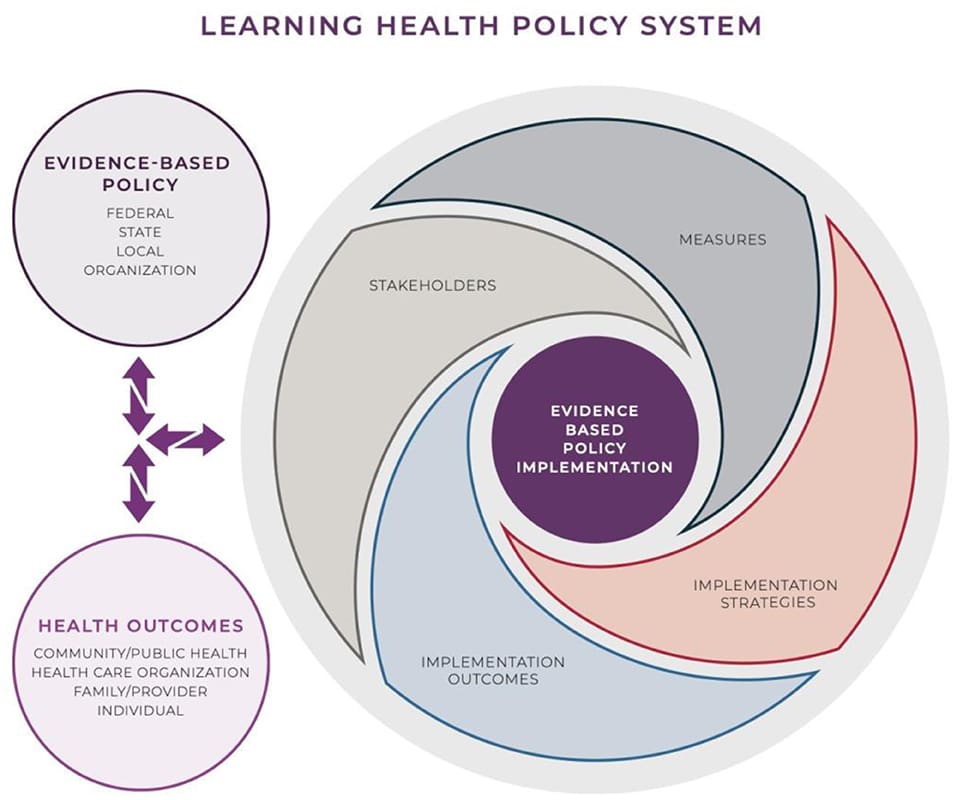
The rising cost of healthcare is a major consideration in healthcare policy. The increasing expenses associated with medical technologies, pharmaceuticals, and healthcare services pose challenges to governments and individuals alike. Policymakers must navigate the complex landscape of healthcare financing and work towards sustainable solutions that balance cost containment with quality and accessibility. Measures such as price controls, negotiations with pharmaceutical companies, and the promotion of cost-effective care have been implemented to address these economic considerations.
Impact of the Insurance Industry
The insurance industry plays a significant role in shaping healthcare policy, particularly in countries with a private insurance-based system. Insurance companies influence policy decisions through lobbying efforts, the design of insurance plans, and negotiations with healthcare providers. The structure and regulations of the insurance industry can impact access to care, the cost of premiums, and the comprehensiveness of coverage. Policymakers must consider the influence of insurance companies when formulating policies to ensure that they align with the goal of promoting equitable and affordable healthcare for all.
Financial Incentives for Healthcare Providers
Financial incentives for healthcare providers are an important consideration in healthcare policy. These incentives can influence provider behavior, such as the adoption of certain treatment protocols, the allocation of resources, and the provision of preventive services. Policies that link reimbursement to quality metrics and outcomes aim to incentivize healthcare providers to deliver cost-effective, high-quality care. However, the design of financial incentives must be carefully considered to avoid unintended consequences, such as overutilization or neglecting certain patient populations.
Ethical and Moral Perspectives
Religion and Healthcare Policy
Religion plays a significant role in shaping healthcare policy, as ethical and moral considerations often intersect with religious beliefs. Issues such as reproductive rights, end-of-life care, and the provision of certain medical services can be influenced by religious doctrines and values. Religious organizations and leaders may advocate for policies that align with their beliefs, which can shape the laws and regulations governing healthcare. Balancing the diverse perspectives and ensuring respect for religious freedom while promoting equitable and evidence-based healthcare poses ethical challenges for policymakers.
Ethical Dilemmas in Policy Decisions
Ethical dilemmas often arise in healthcare policy decisions. Policymakers must balance competing values, such as autonomy, justice, and beneficence, when making policy choices. For example, allocating scarce healthcare resources equitably poses ethical challenges, as decisions must be made about prioritizing certain populations or interventions. Similarly, policy decisions related to controversial medical procedures or life-sustaining treatments require careful consideration of ethical principles. Engaging in ethical deliberation and seeking input from diverse stakeholders can help navigate these complex ethical dilemmas.
Controversial Issues such as Abortion and Euthanasia
Controversial issues such as abortion and euthanasia have a significant impact on healthcare policy. These topics spark intense ethical, legal, and moral debates, with diverse perspectives shaping policy decisions. The regulation of these procedures, access to services, and healthcare provider conscientious objection can vary across jurisdictions, reflecting the complex nature of these debates. Policymakers must navigate these sensitive issues while considering the values, beliefs, and rights of individuals, as well as broader societal interests.
International Comparisons and Learning from History
Lessons from Other Countries’ Healthcare Systems
Comparing and learning from other countries’ healthcare systems offers valuable insights for policymakers. By examining the strengths and weaknesses of different models, policymakers can identify potential policy solutions and innovations. For example, countries with universal healthcare systems may provide valuable lessons on achieving equitable access to care, while countries with integrated primary care models could offer insights into improving care coordination. Comparative studies can inform policy decisions and help shape healthcare systems that are better suited to meet the needs of the population.
Global Health Policies and Cooperation
Global health policies and cooperation are essential in addressing global health challenges. Infectious diseases, pandemics, and emerging health threats require coordinated efforts and the sharing of knowledge and resources. International organizations, such as the World Health Organization, facilitate global health policies by setting guidelines, supporting research, and fostering collaboration. Learning from historical global health crises, like the response to HIV/AIDS, can inform policy decisions and enhance preparedness for future health emergencies.
Adapting Successful Policy Models
Adapting successful policy models from other countries or regions can offer effective solutions to address healthcare challenges. Policymakers can assess policy models that have achieved positive outcomes and adapt them to their own context. For instance, the implementation of universal healthcare coverage in countries like Canada and Germany has inspired similar policy reforms in other jurisdictions. Learning from successful policy models enables policymakers to leverage existing knowledge and evidence to improve healthcare delivery and outcomes.
Role of Technology and Innovation
Technological Advances in Healthcare
Technological advances have continually shaped healthcare policy. The development of new medical technologies and therapies has both improved patient care and presented policymakers with new challenges. Policies related to the approval, regulation, reimbursement, and adoption of new technologies are crucial in ensuring their safe and effective use. Technological innovations such as electronic health records, telemedicine, and artificial intelligence also require policy considerations to ensure privacy, confidentiality, and ethical use of data.
Impact of Digital Health on Policy
Digital health has revolutionized healthcare delivery and has implications for policy at various levels. The use of digital tools and platforms for health monitoring, remote consultations, and personalized medicine can improve access, convenience, and patient outcomes. Policymakers must consider issues related to data privacy, interoperability, and reimbursement to fully leverage the benefits of digital health. Policy frameworks and regulations that foster innovation while safeguarding patient safety and privacy are crucial in supporting the growth of digital health.
Challenges and Opportunities
Technology and innovation present both challenges and opportunities for healthcare policy. While advances in medical technology and digital health hold promise for improving health outcomes, they can also exacerbate existing disparities and create new ethical dilemmas. Policymakers must address issues such as the digital divide that may hinder access to technology-based healthcare solutions. Balancing innovation, patient safety, and equity requires ongoing policy dialogue, collaboration between stakeholders, and adaptability to emerging technologies.
Inequalities and Disparities in Healthcare
Historical Discrimination in Access to Care
Historical discrimination has contributed to inequalities in access to healthcare. Racial, ethnic, and socioeconomic disparities persist due to discriminatory practices, cultural barriers, and systemic injustices. Historical events, such as racial segregation and discriminatory healthcare policies, have created lasting disparities that continue to shape healthcare outcomes. Policymakers must acknowledge and address these inequalities through targeted policies, including initiatives to improve access to care, reduce health disparities, and address social determinants of health.
Disparities in Health Outcomes
Health disparities persist in various dimensions, including race, ethnicity, gender, and socioeconomic status. These disparities manifest in higher rates of chronic diseases, lower life expectancy, and unequal access to healthcare services. Policymakers must implement targeted policies aimed at reducing disparities, addressing social determinants of health, and improving health equity. By addressing the underlying structural factors that contribute to disparities, healthcare policy can help create a more equitable and inclusive healthcare system.
Addressing Social Determinants of Health
Social determinants of health, including factors such as education, income, and housing, significantly impact health outcomes. Policymakers are increasingly recognizing the role of these social factors in shaping health and healthcare disparities. Initiatives that address social determinants of health, such as affordable housing programs, income support, and education reforms, have the potential to improve population health and reduce healthcare disparities. Integrating a social determinants of health approach into healthcare policy can help address the root causes of health inequities.
Future Trends and the Need to Understand History
Anticipating Demographic Changes
Anticipating demographic changes is crucial for effective healthcare policy planning. Aging populations, changing family structures, and migration patterns impact healthcare needs and service demands. Policymakers must consider these demographic shifts when designing policies to ensure that healthcare systems can meet the evolving needs of the population. By understanding historical demographic trends and projections, policymakers can develop proactive strategies that promote healthy aging, address long-term care needs, and adapt to changing population dynamics.
Developing Sustainable Healthcare Systems
Developing sustainable healthcare systems is essential for long-term success. Financial sustainability, environmental considerations, and resource allocation are vital factors in healthcare policy decisions. Policymakers must explore innovative financing mechanisms, promote cost-effective care, and prioritize preventive measures to ensure the long-term viability of healthcare systems. Investing in resilience, adaptability, and innovation can help build sustainable healthcare systems that are resilient to future challenges.
Balancing Individual Rights with Public Health Goals
Balancing individual rights with public health goals is an ongoing challenge for healthcare policy. Policies related to vaccination mandates, quarantine measures, and disease surveillance present ethical and legal considerations concerning individual rights and societal well-being. Policymakers must navigate these tensions by considering public health evidence, engaging in transparent decision-making processes, and advocating for policies that are both effective and respectful of individual rights. Balancing these dynamics requires ongoing dialogue, stakeholder engagement, and a nuanced understanding of the historical context.