
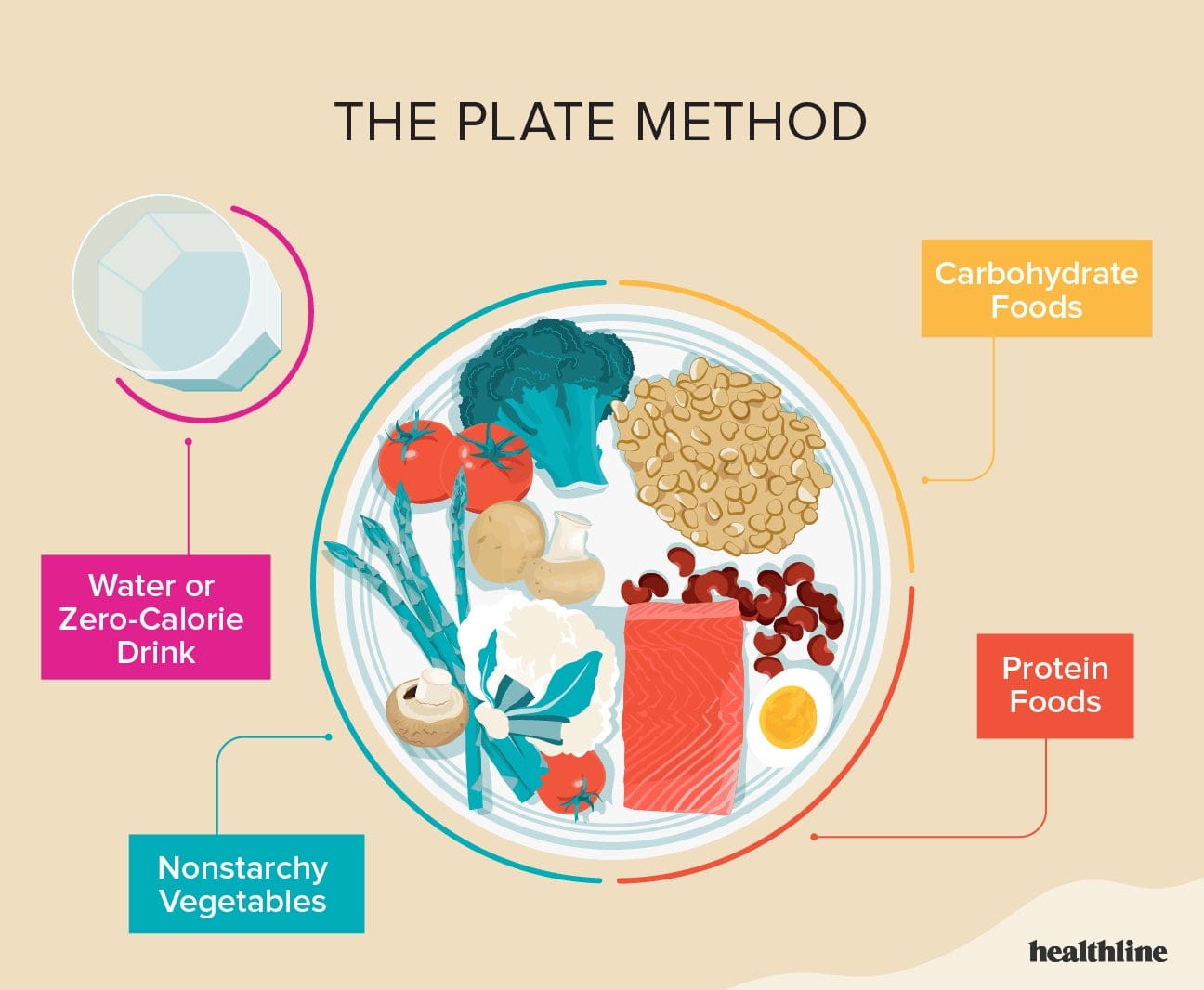
Diabetes management is a crucial aspect of living with the condition, and choosing the right diet plays a significant role in effectively managing blood sugar levels. In this article, we will explore some of the most popular diets recommended for individuals with diabetes, providing you with a glimpse into the potential benefits and considerations of each. By understanding the various options available, you can make an informed decision about which diet may best suit your personal needs and help you maintain a healthy and balanced lifestyle.
1. Mediterranean Diet
Introduction
The Mediterranean diet is a way of eating that is inspired by the traditional dietary patterns of countries bordering the Mediterranean Sea. It is known for its emphasis on fruits, vegetables, whole grains, legumes, and healthy fats. The Mediterranean diet is more than just a diet, it is a lifestyle that promotes overall health and well-being.
Principles
The principles of the Mediterranean diet center around consuming primarily plant-based foods such as fruits, vegetables, whole grains, legumes, and nuts. It also encourages the use of healthy fats, such as olive oil, and moderate consumption of fish, poultry, and dairy products. Red meat and processed foods should be limited. Additionally, the Mediterranean diet emphasizes enjoying meals with family and friends and being physically active.
Benefits for Diabetes Management
The Mediterranean diet has been shown to have numerous benefits for diabetes management. It can help improve blood sugar control, reduce insulin resistance, and lower the risk of developing type 2 diabetes. The emphasis on plant-based foods and healthy fats can also lead to weight loss, which is often beneficial for individuals with diabetes. Furthermore, the Mediterranean diet has been associated with a reduced risk of cardiovascular disease, which is a common complication of diabetes.
Foods to Include
The Mediterranean diet encourages the inclusion of a variety of plant-based foods. This includes fruits, vegetables, whole grains, legumes, nuts, and seeds. Olive oil, which is rich in heart-healthy monounsaturated fats, is a staple in this diet. Moderate amounts of fish, poultry, and dairy products can also be included. Herbs and spices are used to add flavor to dishes instead of excessive salt.
Foods to Limit or Avoid
While the Mediterranean diet is known for its flexibility, there are still some foods that are recommended to be limited or avoided. These include red meat, processed foods, sugary beverages, and foods high in added sugars and saturated fats. It is important to keep portion sizes in mind and to choose lean sources of protein.
Meal Plan Sample
To give you an idea of what a Mediterranean diet meal plan might look like, here’s a sample:
- Breakfast: Greek yogurt topped with berries and a sprinkle of nuts/seeds. Whole grain toast with a drizzle of olive oil.
- Snack: Mixed nuts and fresh fruit.
- Lunch: Mediterranean salad with mixed greens, tomatoes, cucumbers, olives, feta cheese, and grilled chicken. Drizzled with olive oil and lemon juice.
- Snack: Hummus with baby carrots and sliced bell peppers.
- Dinner: Grilled salmon with roasted vegetables (such as zucchini, bell peppers, and eggplant). Served with a side of quinoa.
- Dessert: Fresh fruit salad with a dollop of Greek yogurt.
Remember, the Mediterranean diet is about balance and enjoying meals with loved ones. Make sure to customize the plan to your taste preferences and dietary needs.
2. DASH Diet
Introduction
The DASH (Dietary Approaches to Stop Hypertension) diet was initially developed to lower high blood pressure, but has also gained recognition for its potential benefits for diabetes management. It emphasizes a high consumption of fruits, vegetables, whole grains, low-fat dairy products, lean meats, fish, nuts, and seeds.
Principles
The principles of the DASH diet revolve around reducing sodium intake and increasing the consumption of nutrient-dense foods. It encourages portion control and focuses on a well-balanced eating pattern. The DASH diet also encourages reducing the consumption of foods high in added sugars and saturated fats.
Benefits for Diabetes Management
The DASH diet has been found to help improve insulin sensitivity and blood sugar control. It can also aid in weight loss and management, which is crucial for diabetes management. Additionally, the DASH diet promotes heart health, which is important for individuals with diabetes who are at an increased risk of cardiovascular disease.
Foods to Include
The DASH diet emphasizes the inclusion of fruits, vegetables, whole grains, lean proteins such as poultry, fish, and beans, low-fat dairy products, and nuts and seeds. It also encourages the use of healthy fats, such as olive oil. Foods high in potassium, magnesium, and fiber are especially beneficial.
Foods to Limit or Avoid
To follow the DASH diet, it is important to limit the consumption of foods high in sodium, as excessive sodium intake can contribute to high blood pressure. Processed foods, fast food, and high-sodium condiments should be avoided. Additionally, foods high in added sugars, saturated fats, and cholesterol should be limited.
Meal Plan Sample
Here’s a sample DASH diet meal plan to give you an idea:
- Breakfast: Vegetable omelet made with egg whites, spinach, tomatoes, and a sprinkle of low-fat cheese. Whole grain toast with almond butter.
- Snack: Apple slices with a handful of almonds.
- Lunch: Grilled chicken breast with mixed greens, cucumbers, cherry tomatoes, and a drizzle of olive oil and balsamic vinegar. A side of quinoa.
- Snack: Baby carrots with hummus.
- Dinner: Baked salmon with steamed broccoli and brown rice.
- Dessert: Greek yogurt with fresh berries.
Remember, the DASH diet promotes a well-balanced approach to eating. Make adjustments to the meal plan based on your individual needs and preferences.
(Continued in next section)