In the realm of healthcare policy, there lies a complex and sensitive issue that demands our attention: ethical considerations in advocating for end-of-life care policy. As human beings, we all face the inevitable reality of aging and mortality. Therefore, it becomes crucial to discuss and analyze the ethical implications of the policies surrounding end-of-life care, with the aim of ensuring compassion, dignity, and respect for every individual in their final journey. This article aims to shed light on the ethical considerations that arise when advocating for end-of-life care policy and the importance of implementing measures that prioritize the well-being of those nearing the end of life.
The Importance of Ethical Considerations
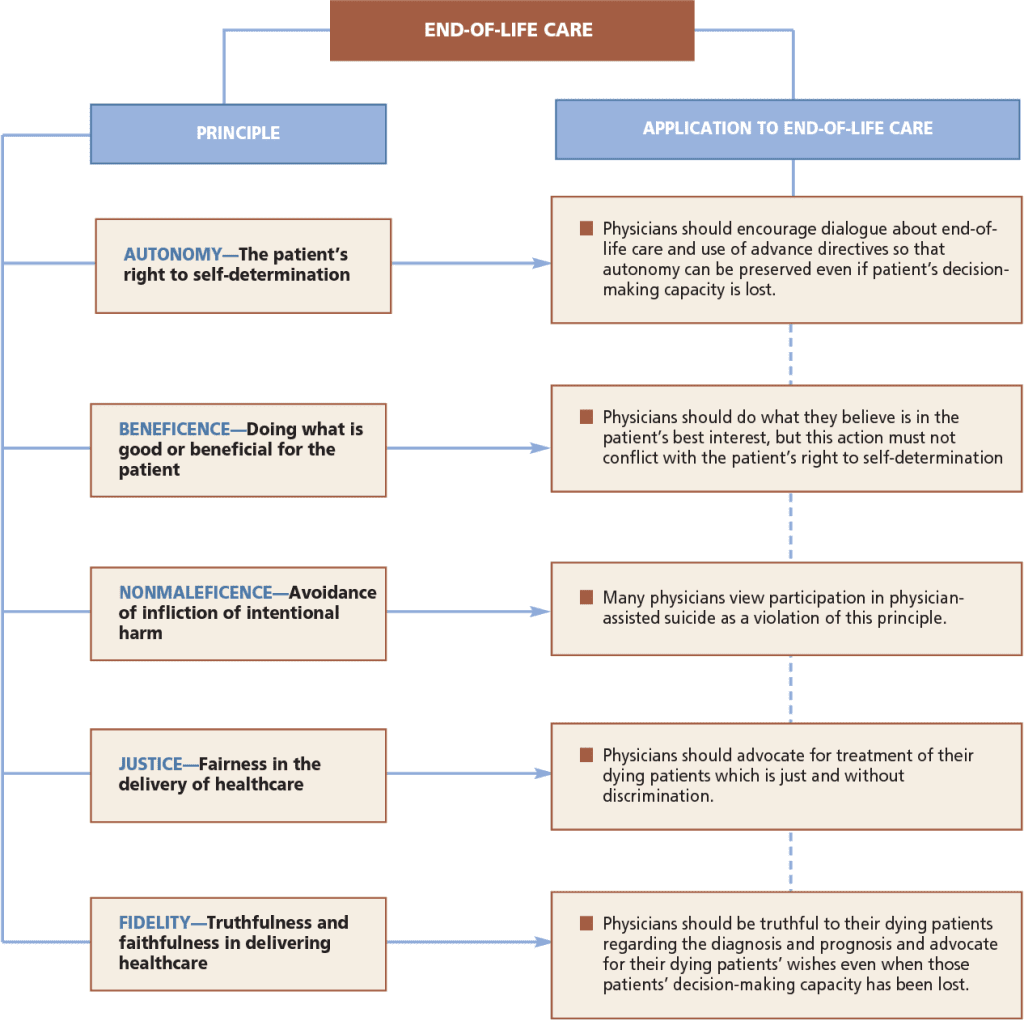
In advocating for end-of-life care policy, ethical considerations play a vital role in shaping the policies and practices that govern the care and treatment of individuals nearing the end of their lives. These considerations are crucial in ensuring that patients receive care that is both compassionate and respectful of their autonomy. Promoting beneficence and non-maleficence, respecting autonomy, and achieving justice and fairness are key ethical principles that guide decision-making in end-of-life care.
Promoting Beneficence and Non-maleficence
The principle of beneficence emphasizes the importance of promoting the well-being and best interests of the patients. It acknowledges that healthcare professionals have a moral obligation to act in ways that benefit their patients and enhance their quality of life. In end-of-life care, promoting beneficence involves ensuring that patients receive appropriate pain management, symptom control, and emotional support. It also means taking into consideration the patient’s preferences and values when making decisions about their care.
Non-maleficence, on the other hand, directs healthcare professionals to do no harm to their patients. In end-of-life care, this principle guides healthcare professionals to provide care that minimizes unnecessary suffering and avoids interventions that may prolong suffering without offering any meaningful benefit. Balancing the goal of providing comfort and relief with the avoidance of harm can be challenging, but is essential in upholding the principles of beneficence and non-maleficence.
Respecting Autonomy
Respecting autonomy is a cornerstone of ethical decision-making in end-of-life care. Autonomy refers to an individual’s right to make decisions about their own treatment and to have those decisions respected by healthcare professionals. In the context of end-of-life care, respecting autonomy means ensuring that patients have the information and support they need to make informed decisions about their care, including decisions about life-sustaining treatments, palliative care, and advance directives.
Healthcare professionals must be skilled in effective communication and shared decision-making to empower patients to make autonomous choices. This requires providing clear and comprehensive information about the prognosis, treatment options, and potential outcomes, as well as supporting patients in exploring their values and preferences. Respecting autonomy also involves acknowledging and addressing cultural and religious beliefs that may influence a patient’s decision-making.
Achieving Justice and Fairness
Achieving justice and fairness is another crucial ethical consideration in end-of-life care policy. Justice requires that the distribution of resources, access to care, and decision-making processes are fair and equitable. This principle recognizes that limited resources and competing priorities exist within healthcare systems and seeks to ensure that these resources are allocated in a way that maximizes benefits and minimizes harm.
Justice in end-of-life care necessitates addressing disparities in access to care among vulnerable populations, including those with lower socioeconomic status or marginalized communities. It also involves recognizing and addressing biases and discrimination that may impact the quality and equity of care. Additionally, achieving justice requires engaging in transparent and inclusive decision-making processes, such as involving stakeholders and considering diverse perspectives in policy development.
The Role of Stakeholders
To effectively advocate for end-of-life care policy, it is essential to understand the various stakeholders involved and their respective roles in shaping policy and practice. Key stakeholders include healthcare professionals, patients and families, policy makers, and advocacy organizations. Each stakeholder brings unique perspectives and interests to the table, and their collaboration is crucial in creating policies that are ethical, comprehensive, and responsive to the needs of individuals at the end of life.
Healthcare Professionals
Healthcare professionals, including physicians, nurses, social workers, and other care providers, are on the front lines of end-of-life care. They have a vital role in direct patient care, which includes upholding ethical principles, providing compassionate support, and ensuring the physical and emotional well-being of patients. In advocating for end-of-life care policy, healthcare professionals bring their clinical expertise and firsthand knowledge of patient needs and challenges to the table. Their input is critical in informing policy decisions that enhance the quality of care and support at the end of life.
Patients and Families
Patients and their families are essential stakeholders in end-of-life care policy advocacy. They bring their personal experiences, perspectives, and values to the conversation, and their input is vital in shaping policies that reflect their needs and preferences. Advocacy efforts should aim to empower patients and families, ensuring they have access to information, support, and resources to make informed decisions about their care. Including patient and family voices in policy development and implementation processes can help ensure that policies are patient-centered and responsive to their unique needs.
Policy Makers
Policy makers play a critical role in shaping the legal and regulatory frameworks that govern end-of-life care. They have the power to enact policies that promote ethical principles, enhance access to care, and address systemic challenges in end-of-life care. Policy makers should be engaged in ongoing dialogue and collaboration with healthcare professionals, patients, families, and advocacy organizations to ensure that policies are evidence-based, equitable, and reflective of the diverse perspectives and needs of the population.
Advocacy Organizations
Advocacy organizations play a pivotal role in promoting policies that prioritize ethical considerations in end-of-life care. These organizations work to raise awareness about the importance of end-of-life care, provide support and resources to patients and families, and advocate for policy changes that enhance access to high-quality care. By mobilizing resources and expertise, advocacy organizations can amplify the voices of patients, families, and healthcare professionals, and drive positive change in end-of-life care policy.
Balancing Individual and Societal Interests
Providing end-of-life care involves navigating the delicate balance between individual autonomy and societal interests. Understanding personal preferences and values, considering resource allocation, and recognizing the role of advance directives are critical ethical considerations in achieving this balance.
Understanding Personal Preferences and Values
End-of-life care decisions are deeply personal and influenced by individuals’ preferences, beliefs, and values. Ethical considerations require healthcare professionals to engage in open and honest conversations with patients and families to understand their wishes and goals of care. Recognizing and respecting these preferences and values is essential in tailoring care to meet the unique needs and desires of each individual.
To achieve this, healthcare professionals should create a supportive environment that encourages open dialogue and shared decision-making. Through active listening, sensitivity, and empathy, healthcare professionals can help patients and families feel heard, validated, and confident in the decisions they make about their care.
Considering Resource Allocation
Resource allocation is an ethical challenge in end-of-life care, as limited resources must be allocated in a way that maximizes overall benefit and minimizes harm. Balancing the needs of individual patients with the needs of the larger population is a complex task that requires careful consideration of ethical principles.
Healthcare professionals and policy makers must establish guidelines and protocols to ensure fair and equitable distribution of resources. These guidelines should take into account clinical appropriateness, the potential for benefit, and the impact on outcomes. Open and transparent communication about resource allocation decisions is crucial to maintaining trust and fairness in end-of-life care.
The Role of Advance Directives
Advance directives, such as living wills and healthcare proxy designations, allow individuals to express their preferences and make decisions about their care in advance. These legal documents provide guidance to healthcare professionals and family members when a patient is no longer able to make decisions for themselves.
Ethical considerations emphasize the importance of respecting and honoring advance directives. Healthcare professionals must be familiar with the legal framework of advance directives and ensure that they are consistently implemented. In advocating for end-of-life care policy, it is crucial to raise awareness about the importance of advance care planning and support individuals in completing these documents.
Cultural and Religious Perspectives
Ethical considerations in end-of-life care policy must take into account the diverse cultural and religious beliefs and practices of individuals. Ethical diversity, accommodating cultural beliefs and practices, and addressing religious objections are key aspects of promoting culturally sensitive and patient-centered care at the end of life.
Ethical Diversity
End-of-life care presents a range of ethical dilemmas that may vary across different cultural and religious contexts. Recognizing and respecting ethical diversity is crucial in ensuring that policies and practices are culturally sensitive and responsive to the needs of individuals from diverse backgrounds. Being aware of the values, traditions, and beliefs of different cultures and religions is essential in providing care that is respectful and aligned with the individual’s wishes.
Accommodating Cultural Beliefs and Practices
Cultural beliefs and practices can significantly impact end-of-life care decisions and preferences. Advocating for culturally sensitive policies involves accommodating and incorporating these beliefs into care plans. Healthcare professionals should be knowledgeable about cultural practices, rituals, and beliefs surrounding death and dying. By actively engaging with patients and families, healthcare professionals can foster culturally competent care that addresses the unique needs and values of different cultural and religious groups.
Addressing Religious Objections
Religious beliefs may give rise to objections and concerns regarding specific interventions or treatments at the end of life. Advocating for end-of-life care policy should ensure that religious objections are respectfully acknowledged and addressed while upholding ethical principles. Healthcare professionals must understand the religious perspectives of their patients and provide support and guidance within the boundaries of ethical and legal frameworks. Engaging religious leaders and clergy can facilitate conversations and provide guidance on navigating complex ethical issues related to end-of-life care.
Legal and Regulatory Frameworks
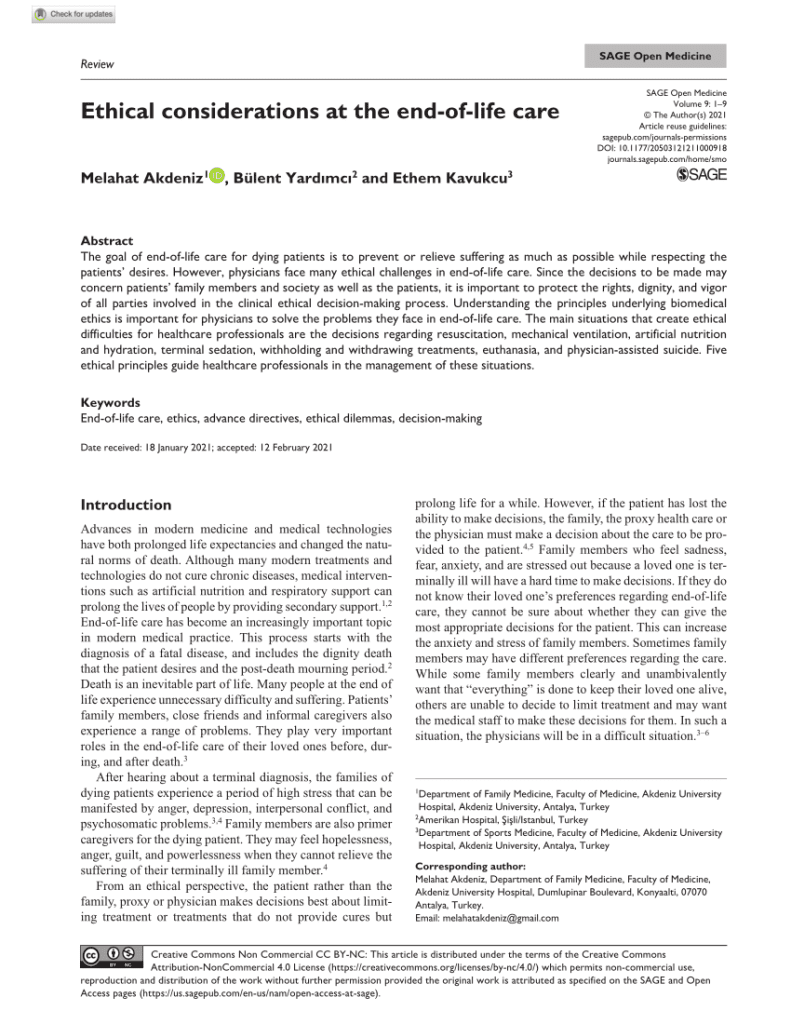
Legal and regulatory frameworks play a crucial role in shaping end-of-life care policy and practice. Existing laws and regulations, determining the scope of decision-making, and understanding the legal implications of advocacy are key considerations when advocating for ethical end-of-life care.
Existing Laws and Regulations
Understanding the existing legal and regulatory landscape is essential in advocating for end-of-life care policy changes. Different countries and jurisdictions have varying laws regarding advance directives, euthanasia, and physician-assisted death. Advocacy efforts should be grounded in a thorough understanding of the legal context to ensure proposals align with current legislation and address areas in need of improvement.
Determining Scope of Decision-making
End-of-life care decisions can be complex, involving multiple stakeholders and legal considerations. Advocacy efforts should aim to clarify and establish the scope of decision-making for patients, healthcare professionals, and family members. This includes defining the legal and ethical boundaries of decision-making, providing guidelines for surrogate decision-makers, and outlining the process for resolving disputes. Defining the scope of decision-making helps protect patient autonomy and provides clarity for healthcare professionals and families during challenging times.
Legal Implications of Advocacy
Advocacy for end-of-life care policy can have legal implications, particularly in contexts where laws surrounding euthanasia or physician-assisted death are being debated or challenged. Advocacy efforts should be informed by a deep understanding of legal frameworks and implications. Legal expertise may be necessary to navigate complex legal landscapes and ensure that advocacy efforts are within the boundaries of the law. Collaboration with legal professionals and policymakers can help advocate for necessary legal changes that promote ethical end-of-life care.
Public Perception and Education
The perception and understanding of end-of-life care within the broader society significantly impact policy and practice. Challenging taboos and stigma, engaging in public discourse, and educating the community are essential in advocating for ethical end-of-life care.
Challenging Taboos and Stigma
End-of-life care is often stigmatized and associated with uncomfortable conversations and societal taboos. Breaking down these barriers and challenging stigma is crucial in fostering open dialogue and improving the quality of care. Advocacy efforts should focus on encouraging conversations about death and dying, normalizing discussions about end-of-life care, and addressing the fears and misconceptions that contribute to stigma. By providing education and resources, advocates can play a transformative role in shifting societal attitudes and perceptions.
Engaging in Public Discourse
Public discourse plays a vital role in shaping societal views and influencing policy decisions. Advocating for ethical end-of-life care requires active engagement in public discussions by sharing personal stories, experiences, and research findings. Advocates can leverage various platforms, such as social media, public events, and policy forums, to raise awareness, challenge misconceptions, and promote ethical principles. Engaging with the public, policymakers, and other stakeholders fosters a more informed and empathetic understanding of end-of-life care.
Educating the Community
Education is a foundational element in advocating for ethical end-of-life care. By providing accurate and accessible information about end-of-life care options, advance care planning, and palliative care, advocates can empower individuals to make informed decisions about their care. Education efforts should be targeted at healthcare professionals, policymakers, patients, families, and the broader community. By enhancing knowledge and understanding, advocates can promote ethical decision-making, dispel myths, and promote compassionate end-of-life care for all.
Resource Allocation and Equity
Resource allocation is a critical issue in end-of-life care, and ethical considerations are central to ensuring equity and fairness in the distribution of resources. The role of economics in end-of-life care, ethical distribution of resources, and ensuring access for vulnerable populations are key aspects of addressing resource allocation and equity.
The Role of Economics in End-of-Life Care
Economics plays a significant role in shaping end-of-life care decisions and policy. Limited healthcare resources and competing demands necessitate thoughtful consideration of economic factors. Cost-effectiveness, cost-benefit analysis, and financial sustainability are important considerations in resource allocation decisions. However, ethical considerations, such as the principle of justice, should guide these economic decisions to ensure equitable access to care for all individuals, irrespective of their socioeconomic status.
Ethical Distribution of Resources
Ethical distribution of resources in end-of-life care requires a fair and transparent approach that considers clinical need and potential benefit. Policies should strive to allocate resources in a way that maximizes overall well-being and minimizes disparities. Ethical guidelines can help healthcare professionals and policymakers make decisions based on clinical appropriateness, prognosis, and the ability to provide meaningful benefit. Transparency in resource allocation decisions is crucial in maintaining trust and confidence in the system and ensuring equitable access to care.
Ensuring Access for Vulnerable Populations
The principle of justice demands that end-of-life care policies prioritize the needs of vulnerable populations. Socioeconomic disparities, racial and ethnic inequities, and marginalized communities often face barriers to accessing quality end-of-life care. Advocacy efforts should focus on addressing these disparities through policy changes that promote equitable access to care, culturally sensitive services, and support for underserved populations. By ensuring access for vulnerable populations, advocates can contribute to a more just and inclusive end-of-life care system.
Quality of Care and Medical Ethics
End-of-life care must prioritize not only the physical needs of patients but also their emotional, spiritual, and psychological well-being. Balancing efficiency and compassion, avoiding futility in treatment, and maintaining dignity and comfort are key ethical considerations in delivering high-quality care.
Efficiency vs. Compassion
In end-of-life care, there can be tension between efficiency and compassion. Healthcare systems often prioritize cost-effective and efficient care, which may sometimes conflict with the need for compassionate and personalized care. Ethical considerations demand that care be delivered with compassion, empathy, and respect for the individual’s dignity. Advocacy for end-of-life care should strive to promote policies that prioritize compassionate care without compromising efficiency.
Avoiding Futility in Treatment
End-of-life care should aim to avoid futile and burdensome treatments that do not offer meaningful benefits to patients. Futility occurs when medical interventions are unlikely to result in significant improvement or offer a reasonable chance of achieving the patient’s goals of care. Ethical considerations demand that healthcare professionals engage in open and honest discussions with patients and families about the potential benefits and limitations of treatments. Policies should support shared decision-making and the integration of palliative care to ensure that treatments align with patients’ values and goals.
Maintaining Dignity and Comfort
The ethical principle of respect for dignity emphasizes the importance of preserving a patient’s sense of self-worth and individuality. End-of-life care policies should prioritize maintaining the dignity of patients by providing care that honors their values, preferences, and cultural beliefs. This involves promoting comfort, managing symptoms, and attending to the emotional and spiritual needs of patients. Policies should support the integration of palliative care services, which focus on enhancing quality of life and providing comprehensive support throughout the end-of-life journey.
Physician-Assisted Death and Euthanasia
Physician-assisted death and euthanasia are controversial approaches that raise complex ethical considerations. Exploring these approaches, ethical considerations in legalizing assisted death, and ensuring safeguards and consent are critical aspects of this ethical debate.
Exploring Controversial Approaches
Physician-assisted death and euthanasia involve intentionally hastening death or providing the means for an individual to end their own life. These approaches are highly controversial and raise ethical, legal, and societal questions. Advocacy efforts should engage in informed and respectful discussions, exploring the perspectives and concerns surrounding these approaches. Understanding the complexity of these issues is crucial in advocating for policies that reflect the diverse range of opinions and values within society.
Ethical Considerations in Legalizing Assisted Death
Legalizing physician-assisted death requires careful consideration of ethical principles, patient safeguards, and legal frameworks. Advocacy efforts should be guided by the principles of autonomy, beneficence, non-maleficence, and justice. Policies should rigorously outline eligibility criteria, establish comprehensive assessment processes, and ensure the provision of adequate palliative care alternatives. Advocates must engage in open and evidence-based discussions to navigate the ethical considerations surrounding the legalization of assisted death while promoting the highest standards of care.
Ensuring Safeguards and Consent
If physician-assisted death is legalized, robust safeguards and consent processes must be in place to protect vulnerable individuals and uphold the principles of ethics and human rights. Advocacy efforts should promote policies that require comprehensive assessments, a waiting period, multiple physicians’ involvement, and clear consent procedures. Safeguards should include mechanisms to prevent abuse and protect against undue influence or coercion. Ensuring robust safeguards and consent processes is paramount in maintaining public trust and confidence in end-of-life care policies.
Ethics Committee and Decision-making
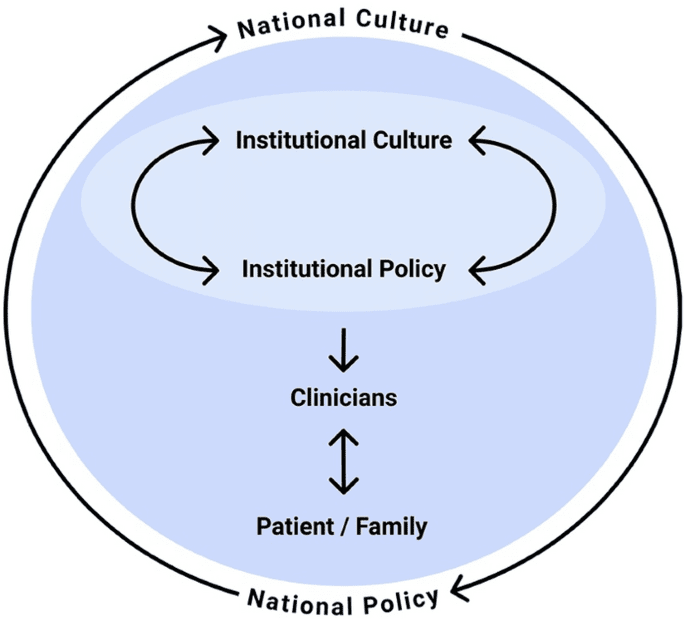
Establishing institutional ethics committees, ethical guidelines for decision-making, and resolving ethical dilemmas are crucial in upholding ethical standards in end-of-life care. Advocacy efforts should focus on promoting the integration of ethics committees, establishing clear ethical guidelines, and providing resources to support healthcare professionals in navigating ethical dilemmas.
Establishing Institutional Ethics Committees
Institutional ethics committees play a critical role in guiding ethical decision-making in healthcare organizations. These committees bring together healthcare professionals, ethicists, legal experts, religious leaders, and community representatives to address complex ethical issues. Advocacy efforts should encourage the establishment of ethics committees in healthcare organizations and promote their active involvement in end-of-life care policies and practices. Ethics committees provide a forum for interdisciplinary discussions, contribute to policy development, and offer guidance on ethical dilemmas.
Ethical Guidelines for Decision-making
Clear ethical guidelines are essential in providing healthcare professionals with a framework for decision-making in end-of-life care. Advocacy efforts should promote the development and dissemination of evidence-based ethical guidelines that reflect the needs and values of the community. These guidelines should address topics such as life-sustaining treatments, advance care planning, palliative care, and decision-making processes. Education and training programs should be provided to support healthcare professionals in understanding and applying these guidelines in practice.
Resolving Ethical Dilemmas
End-of-life care often presents complex ethical dilemmas that require careful consideration and ethical decision-making. Advocacy efforts should emphasize the need for robust mechanisms to address ethical dilemmas when they arise. This may involve establishing clear processes for multidisciplinary consultation, developing case conferences, and providing educational resources on ethical decision-making. By addressing ethical dilemmas in a thoughtful and inclusive manner, healthcare organizations can promote ethical practice and ensure the best possible outcomes for patients and families.
In conclusion, ethical considerations play a paramount role in advocating for end-of-life care policy. Promoting beneficence and non-maleficence, respecting autonomy, achieving justice and fairness, and considering the needs of diverse populations are fundamental principles that guide policy development and implementation. By engaging multiple stakeholders, challenging stigma, and prioritizing the quality of care, advocates can work towards a more ethical, compassionate, and inclusive end-of-life care system.