In the ever-evolving world of healthcare policy, it’s crucial to understand the power of evidence-based decision making. This article will guide you through the essential steps to effectively advocate for evidence-based healthcare policy. By understanding the importance of research, engaging with policymakers, and communicating your stance in a friendly and convincing manner, you can become a catalyst for positive change in the healthcare landscape. So, let’s dive into the world of evidence-based healthcare policy advocacy together!
Understanding Evidence-based Healthcare Policy
What is evidence-based healthcare policy?
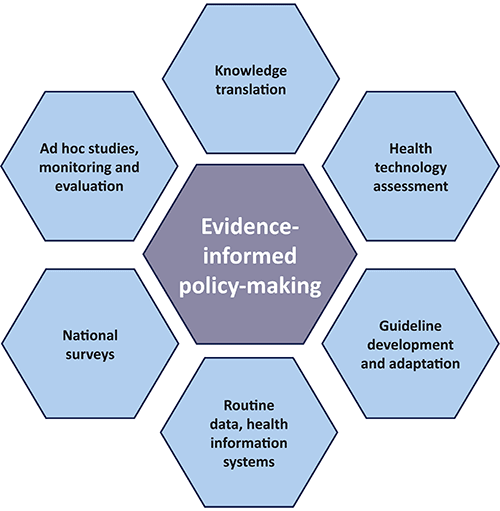
Evidence-based healthcare policy is an approach to developing policies and making decisions in the healthcare sector that is rooted in scientific evidence and research. It involves the use of rigorous research studies, systematic reviews, and meta-analyses to inform policy decisions. By using evidence-based approaches, policymakers can make more informed and objective decisions that are grounded in the best available research.
Why is it important?
Evidence-based healthcare policy is crucial because it ensures that policy decisions are based on reliable and credible evidence. It helps to avoid subjective biases, uninformed opinions, and personal agendas that can influence decision-making. By relying on scientific evidence, policymakers can enhance the effectiveness and efficiency of healthcare policies, leading to better outcomes for individuals and populations. Moreover, evidence-based healthcare policy promotes transparency and accountability, as decisions can be justified and evaluated based on the quality and strength of the evidence used.
Key principles of evidence-based healthcare policy
There are several key principles that underpin evidence-based healthcare policy:
-
Transparency: Policymakers should be transparent about the evidence they use and the decision-making process. This includes clearly stating the sources of evidence, acknowledging any conflicts of interest, and making the rationale behind policy decisions publicly available.
-
Rigor: Policymakers should prioritize high-quality, rigorous research when making policy decisions. This involves considering studies that follow scientific methodology, have been peer-reviewed, and have a robust design.
-
Applicability: Evidence-based healthcare policy should consider the applicability of research findings to the specific context in which the policy will be implemented. This involves taking into account factors such as the target population, healthcare system resources, and social determinants of health.
-
Continual evaluation: Policies should be regularly evaluated and updated based on new evidence and emerging research. This helps to ensure that policies remain relevant and effective over time.
-
Stakeholder involvement: Evidence-based healthcare policy should involve a wide range of stakeholders, including healthcare professionals, researchers, patients, advocacy groups, and policymakers. By including diverse perspectives, policies can be more comprehensive and responsive to the needs of different populations.
Becoming Informed
Keeping up with research and evidence
To advocate for evidence-based healthcare policy effectively, it is important to stay informed about the latest research and evidence in the field. This can be done by regularly reviewing scientific journals, attending conferences and workshops, and joining professional networks related to healthcare policy and research. Additionally, subscribing to reputable newsletters and following credible organizations on social media can provide a constant stream of updates and insights.
Understanding different types of evidence
Not all evidence is created equal. It is essential to understand the hierarchy of evidence and the different types of studies that contribute to the evidence base in healthcare policy. Randomized controlled trials (RCTs) are considered the gold standard for assessing the efficacy of interventions, while systematic reviews and meta-analyses provide comprehensive summaries of multiple studies. Observational studies, case-control studies, and cohort studies are also valuable sources of evidence but may have limitations due to potential biases.
Identifying reputable sources of information
With the vast amount of information available, it is crucial to identify reputable sources of information to ensure the validity and reliability of the evidence used in advocating for healthcare policy. Trusted sources include government health agencies, academic journals, professional associations, and non-profit research organizations. It is important to critically evaluate the source’s credibility, expertise, and potential biases before using their information to inform advocacy efforts.
Building Connections and Collaborations
Engaging with policymakers and stakeholders
To advocate for evidence-based healthcare policy effectively, it is essential to engage with policymakers and stakeholders who have decision-making power. This can be done by attending public hearings, town hall meetings, or policy forums, where one can express perspectives and provide evidence to support policy recommendations. Building relationships with policymakers and their staff is also beneficial, as it allows for ongoing communication and the opportunity to provide expert advice when policy decisions are being considered.
Joining advocacy groups and networks
Advocacy groups and networks focused on evidence-based healthcare policy can provide a platform to amplify advocacy efforts. By joining these groups, individuals can collaborate with like-minded advocates, share resources and knowledge, and work together to advance evidence-based policy initiatives. Additionally, participating in grassroots campaigns and awareness-raising activities organized by these groups can help to raise public awareness and garner support for evidence-based healthcare policy.
Collaborating with healthcare professionals and researchers
Collaboration with healthcare professionals and researchers is essential for advocating for evidence-based healthcare policy. By partnering with these experts, advocates can strengthen their arguments, access relevant research, and enhance the credibility of their advocacy efforts. Engaging in interdisciplinary collaborations can also help bridge the gap between research and policy, ensuring that evidence-based approaches are integrated into decision-making processes.
Crafting Effective Messages
Understanding your audience
When advocating for evidence-based healthcare policy, it is important to tailor messages to different audiences. Understanding the values, concerns, and priorities of policymakers, stakeholders, and the general public allows for the creation of persuasive and compelling messages. By framing advocacy efforts in a way that resonates with the specific audience, advocates can increase the likelihood of their messages being heard and influencing policy decisions.
Choosing the right communication channels
Selecting the appropriate communication channels to deliver messages is crucial for effective advocacy. This includes considering the target audience’s preferred platforms, such as social media, traditional media outlets, or direct communication channels like email or face-to-face meetings. Utilizing a combination of channels can help to reach a broader audience and maximize the impact of advocacy efforts.
Using clear and concise language
Clear and concise language is key when communicating evidence-based healthcare policy to various audiences. Avoiding technical jargon and using plain language allows for better understanding and engagement. Presenting information in a visually appealing and easily digestible format, such as infographics or summaries, can also enhance comprehension and retention of key messages.
Creating Compelling Data Visualizations
Importance of data visualizations
Data visualizations play a crucial role in effectively communicating complex research findings and policy recommendations. By visually representing data in charts, graphs, and maps, advocates can make information more accessible and understandable to policymakers and the general public. Engaging data visualizations can help convey the importance of evidence-based healthcare policy and create a lasting impact on audiences.
Choosing the right visualization techniques
Selecting the appropriate visualization techniques depends on the type of data and the intended message. Bar charts, pie charts, line graphs, and heatmaps are just a few examples of visualization tools that can be employed. It’s crucial to consider the clarity, accuracy, and relevance of the chosen visualization technique to effectively convey the desired information.
Ensuring data accuracy and reliability
Data accuracy and reliability are crucial when creating data visualizations for advocating evidence-based healthcare policy. Verifying the sources of data, adhering to ethical guidelines, and utilizing robust statistical methods contribute to the integrity of the visualizations. Additionally, ensuring clear labeling, appropriate use of scale, and transparent sourcing will strengthen the credibility of the visual representations.
Leveraging Personal Stories
The power of personal narratives
Personal stories have the power to humanize evidence-based healthcare policy, making it relatable and emotionally impactful. Sharing personal experiences can help illustrate the challenges and successes related to healthcare policies, making the case for evidence-based approaches more compelling. Advocates can use personal narratives to demonstrate the real-life consequences of policy decisions and the potential benefits of evidence-based practices.
Collecting and sharing impactful stories
Collecting impactful stories can be done through surveys, interviews, or online platforms. Advocacy organizations can develop mechanisms to collect personal stories from individuals who have been affected by specific healthcare policies. These stories should be shared strategically through various channels, such as social media, newsletters, or public events, to reach broader audiences and increase awareness about the importance of evidence-based healthcare policy.
Emphasizing the human impact of healthcare policies
To effectively advocate for evidence-based healthcare policy, it is essential to highlight the human impact of policies. By emphasizing the real-life stories of individuals and communities affected by healthcare policies, advocates can generate empathy and understanding among policymakers and the public. Connecting evidence-based practices with their positive impact on the lives of individuals can help garner support and drive policy change.
Engaging in Public Speaking
Tips for effective public speaking
Public speaking is a powerful tool for advocating evidence-based healthcare policy. To deliver persuasive speeches, advocates should:
- Know the audience and tailor the message accordingly.
- Begin with a compelling and relatable story or anecdote.
- Use evidence and data to support key points.
- Organize the speech with a clear introduction, body, and conclusion.
- Utilize visual aids, such as slides or props, to enhance engagement.
- Practice the speech to ensure clarity, confidence, and effective delivery.
Selecting the right forums and events
Selecting the right forums and events to deliver speeches is crucial for maximum impact. Speaking at conferences, policy forums, community gatherings, or town hall meetings provides opportunities to address relevant audiences and decision-makers directly. By strategically choosing events where policymakers and key stakeholders are present, advocates can influence the discourse around evidence-based healthcare policy and generate support for their cause.
Preparing and delivering a persuasive speech
Preparing a persuasive speech involves thorough research and planning. Advocates should:
- Clearly articulate the goal of the speech and the key messages to convey.
- Gather and organize evidence to support the arguments.
- Structure the speech logically, with a strong opening, compelling body, and memorable closing.
- Use persuasive language and rhetorical techniques to engage and motivate the audience.
- Rehearse the speech multiple times to ensure fluency and confidence during delivery.
- Be prepared to answer questions and engage in discussions after the speech.
Building Coalitions and Alliances
Finding like-minded organizations and individuals
Building alliances with like-minded organizations and individuals is a powerful way to amplify advocacy efforts. Identify organizations and individuals who share a common goal of advancing evidence-based healthcare policy and collaborate on joint initiatives. This can include academia, professional associations, patient advocacy groups, research institutions, and non-profit organizations. By pooling resources, expertise, and networks, advocates can work collectively towards policy change.
Collaborating on joint initiatives and campaigns
Collaborating on joint initiatives and campaigns strengthens the collective impact of advocacy efforts. By uniting diverse stakeholders, such as researchers, healthcare professionals, patients, and community leaders, advocates can leverage their respective strengths and contributions. Joint initiatives may include conducting research studies, organizing educational events, developing policy briefs, or launching public awareness campaigns. Collaborations foster knowledge-sharing, build credibility, and enhance the ability to influence policy decisions.
Amplifying your advocacy through partnerships
Partnerships with influential organizations and individuals can help amplify advocacy efforts for evidence-based healthcare policy. Seek opportunities to engage national and international organizations that have a strong presence in the healthcare sector. Partnering with academic institutions, research organizations, or renowned experts can lend expertise and credibility to advocacy campaigns. As a collective force, advocates can effectively advocate for evidence-based healthcare policy at the local, regional, and national levels.

Monitoring and Evaluating Policy Impact
Tracking policy outcomes and effects
Monitoring and tracking the outcomes and effects of policies are vital to assess their impact. Advocates should establish mechanisms to collect relevant data on key performance indicators tied to evidence-based healthcare policy objectives. This may involve collaborating with research institutions, conducting surveys, or analyzing existing data sources. By monitoring policy outcomes, advocates can determine the effectiveness, feasibility, and unintended consequences of implemented policies.
Collecting data and conducting assessments
Collecting data and conducting assessments allow advocates to evaluate the impact of evidence-based healthcare policies systematically. Quantitative and qualitative data can be collected through surveys, interviews, focus groups, or longitudinal studies. Advocates should employ appropriate research methods and maintain ethical standards when gathering data. By conducting rigorous assessments, advocates can demonstrate the positive impact of evidence-based policies and provide evidence to support further policy improvements.
Using findings to refine advocacy strategies
The findings from monitoring and evaluating policy impact should feed into advocacy strategies. By analyzing the results, advocates can identify strengths, weaknesses, and gaps in evidence-based healthcare policy. These insights can inform advocacy messaging, prioritize policy areas, and recommend adjustments to existing policies or propose new policy initiatives. Incorporating data-driven evidence into advocacy efforts strengthens the credibility and persuasiveness of the arguments presented.
Sustaining Long-term Advocacy Efforts
Developing a long-term advocacy plan
Sustained advocacy efforts require a long-term plan that outlines a clear vision, goals, and strategies. Develop a comprehensive advocacy plan that identifies priorities, target audiences, and specific actions to be taken. Establish milestones, timelines, and mechanisms to assess progress towards the set goals. Regularly review and update the plan to adapt to changing circumstances, emerging evidence, or policy developments. A well-defined plan allows for continuous engagement and action towards evidence-based healthcare policy.
Securing sustainable funding and resources
Advocacy efforts need sustainable funding and resources to be effective. Seek funding sources that align with the mission and goals of evidence-based healthcare policy advocacy. Grants, sponsorships, and donations from governmental agencies, philanthropic organizations, or private entities can provide financial support. Utilize resources efficiently and transparently, ensuring they are allocated towards activities that contribute to advancing evidence-based healthcare policy. Long-term financial sustainability is crucial to maintaining advocacy efforts over time.
Ensuring continuous engagement and action
Advocacy efforts for evidence-based healthcare policy should foster continuous engagement and action. This involves keeping the momentum alive by regularly communicating with stakeholders, disseminating updates on policy developments, and sharing success stories. Advocates should actively participate in policy discussions, contribute to relevant research, and stay involved in advocacy networks. By continuously advocating and pushing for evidence-based healthcare policy, advocates can ensure that policies remain a top priority on the healthcare agenda.