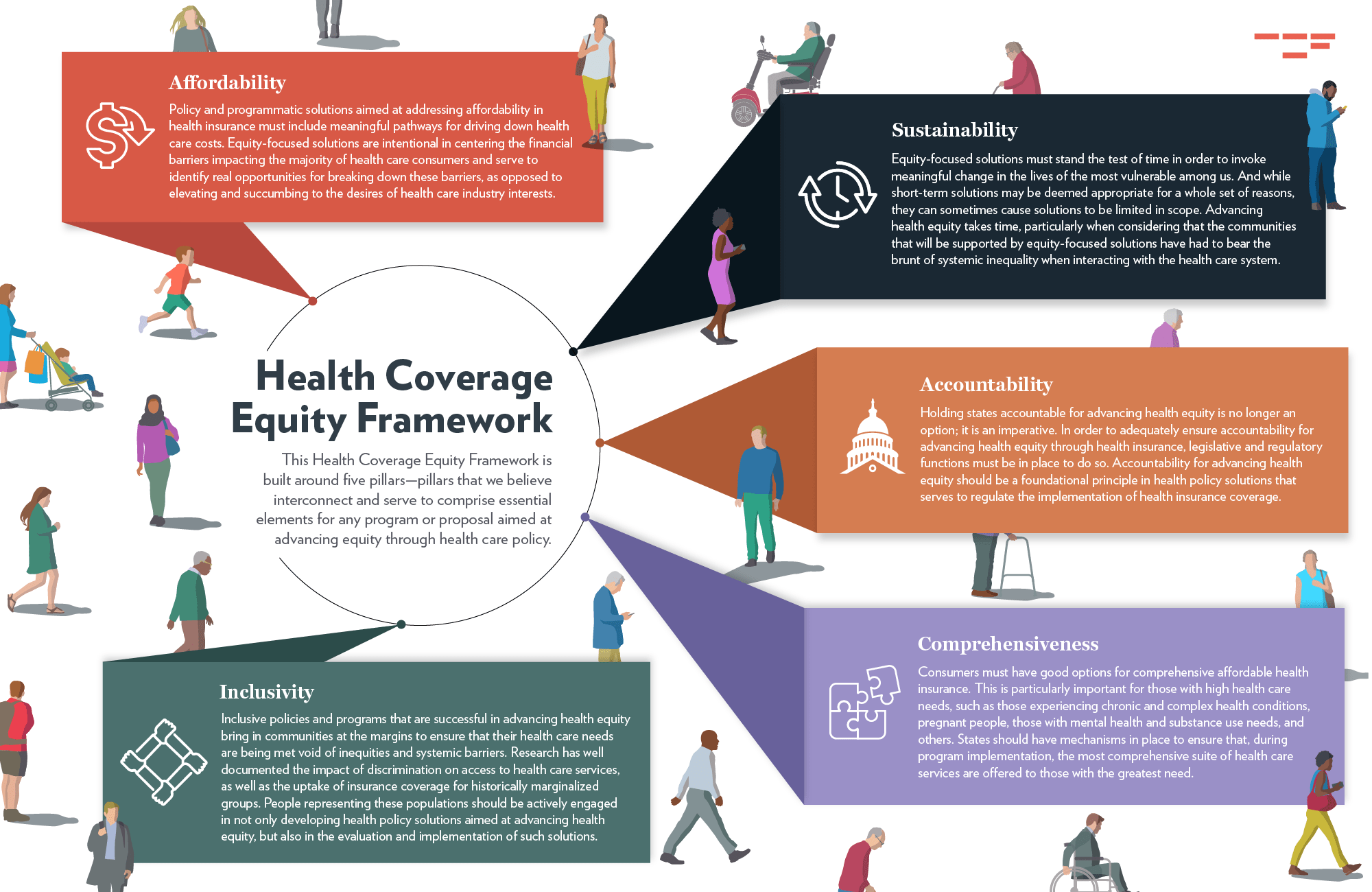
In the world of healthcare, corporate interests wield significant influence over policy decisions, impacting the lives of individuals and shaping the landscape of the industry. This article delves into the intricate relationship between corporations and healthcare policy, examining the consequences and implications of their involvement. By exploring the intricate web of connections and motivations, we invite you to gain insight into how corporate interests shape the decisions that ultimately shape our healthcare system.
Introduction
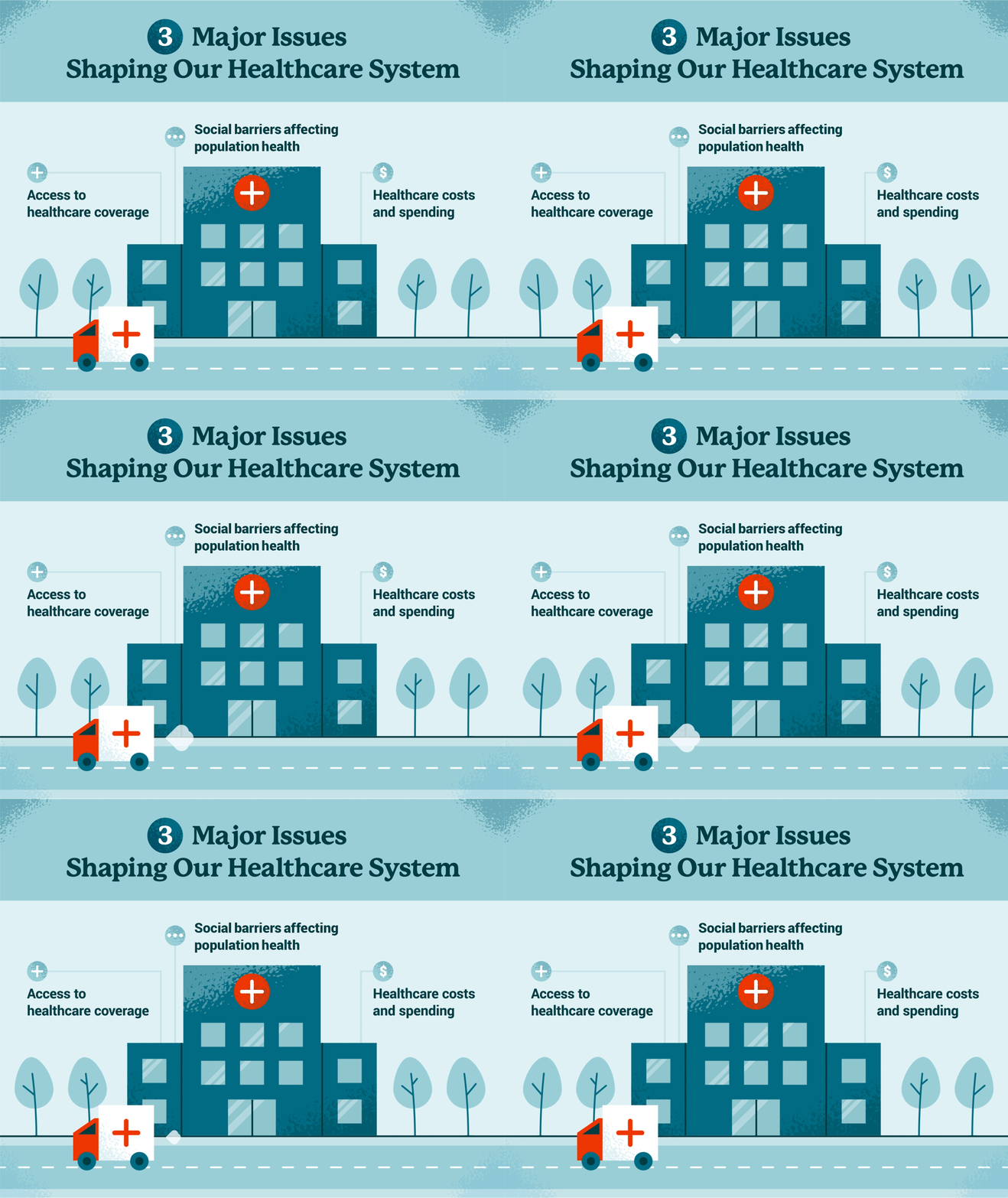
In the complex landscape of healthcare policy decisions, the influence of corporate interests cannot be denied. The power and financial resources that corporations possess often play a significant role in shaping policies that impact the healthcare industry. This article aims to explore the various sectors within healthcare where corporate influence is prevalent, examining the implications and ethical considerations that arise as a result.
Lobbying and Influence
Corporate lobbyists and their role in healthcare policy decisions
Corporate lobbyists are individuals or groups hired by corporations to advocate for their interests in the political sphere. In healthcare, corporate lobbyists can heavily impact policy decisions by advocating for legislation that aligns with the objectives and financial goals of their employers. They often have strong connections with lawmakers and influence the legislative process by providing information, research, and financial support to lawmakers who support their agendas.
The financial power of corporations in shaping policies
The financial power of corporations cannot be underestimated when it comes to influencing healthcare policy decisions. With significant resources at their disposal, corporations can employ lobbyists, fund campaigns, and make generous donations to politicians who support their interests. This financial leverage often gives corporations a considerable advantage in shaping policies that align with their profit-driven goals.
Examples of successful lobbying efforts by corporations
Numerous examples exist where corporations have successfully influenced healthcare policy decisions through strategic lobbying efforts. For instance, pharmaceutical companies have lobbied for legislation that extends patent exclusivity periods, protecting their market monopolies and enabling them to maintain high drug prices. Health insurance companies have also lobbied for policies that favor their profitability, such as caps on coverage or limited benefits. These successful lobbying efforts exemplify the impact that corporate interests can have on shaping healthcare policies.
Conflict of Interest
The influence of corporate funding on research and studies
Corporate funding plays a significant role in influencing research and studies within the healthcare industry. Many studies rely on funding from corporations, particularly in the pharmaceutical and medical device sectors. This funding can create conflicts of interest, as researchers may feel compelled to favor the interests of their corporate sponsors, potentially biasing study outcomes and recommendations.
The role of industry-sponsored research in shaping policy decisions
Industry-sponsored research, while valuable for advancing scientific knowledge, can also heavily influence policy decisions. Companies that sponsor research often have a vested interest in the outcomes, leading to potential bias. Policymakers may rely on such research to inform their decision-making process, inadvertently being influenced by corporate agendas and potentially jeopardizing the integrity of the policy decisions.
Identifying conflicts of interest among policymakers
Identifying conflicts of interest among policymakers is essential in ensuring transparency and the unbiased formulation of healthcare policies. Policymakers should disclose any financial relationships with corporations that could potentially influence their decision-making. Additionally, independent bodies should be involved in scrutinizing potential conflicts of interest and ensuring the policy formulation process remains impartial.
Pharmaceutical Industry
The impact of pharmaceutical companies on healthcare policy decisions
Pharmaceutical companies, due to their significant financial resources, hold significant sway over healthcare policy decisions. These corporations influence policies related to drug pricing, regulation, and market access. Their ability to fund lobbying efforts, provide campaign contributions, and exert pressure on policymakers enable them to shape policies that favor their profitability, often at the expense of patient affordability and access to essential medications.
Pricing and availability of medications influenced by corporate interests
The pricing and availability of medications are heavily influenced by corporate interests, primarily in the pharmaceutical industry. Many pharmaceutical companies have been known to engage in price gouging, increasing the cost of vital medications to maximize profits. This pricing discrepancy can result in limited access to medications for vulnerable populations who may not be able to afford the high costs, compromising their health outcomes.
The role of pharmaceutical lobbying in shaping drug regulatory policies
Pharmaceutical lobbying plays a crucial role in shaping drug regulatory policies. Through lobbying efforts, pharmaceutical companies aim to influence the regulatory environment by advocating for regulations that favor their interests. This can include pushing for relaxed drug approval processes, extended patent exclusivity, and limitations on generic competition. As a result, policies may favor corporate profitability over patient safety and affordability.
Health Insurance Companies
The influence of health insurance companies on healthcare policy decisions
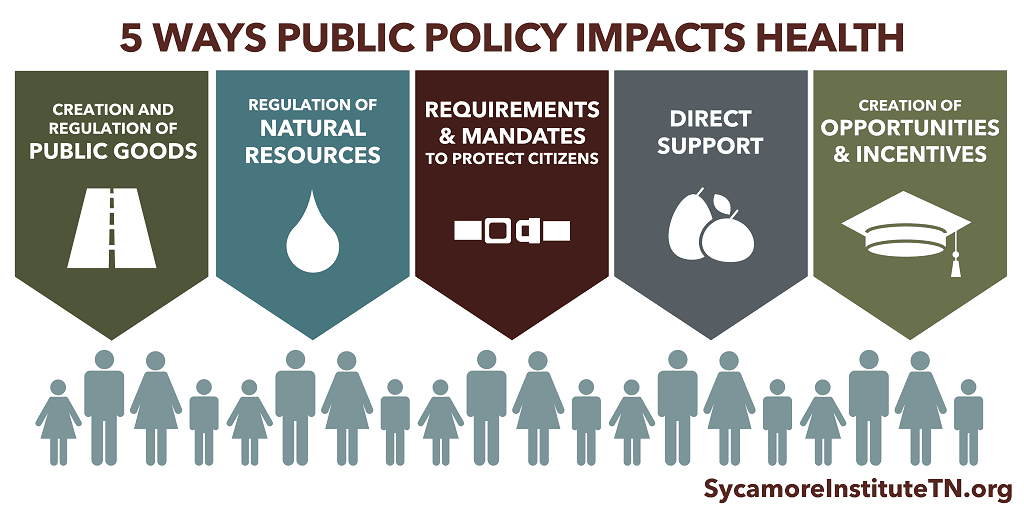
Health insurance companies wield significant influence over healthcare policy decisions, primarily through their lobbying efforts. These companies advocate for policies that align with their profit-driven business models, often focusing on cost containment measures that may limit coverage, restrict benefits, or increase premiums. Such policies can have a profound impact on healthcare accessibility and affordability for individuals and families.
The role of insurance lobbying in shaping healthcare regulations
Insurance lobbying plays a pivotal role in shaping healthcare regulations. Health insurance companies invest significant resources in lobbying efforts to advocate for policies that favor their interests. These efforts can influence regulations such as the establishment of minimum coverage requirements, the definition of pre-existing conditions, and the regulation of insurance premiums. The influence of insurance lobbying can have consequences for the quality and accessibility of healthcare services.
Implications of profit-driven models on healthcare accessibility
The profit-driven models adopted by health insurance companies can have significant implications for healthcare accessibility. By prioritizing profit over affordability, health insurance companies can limit coverage options, increase premiums, and impose restrictive policies that hinder individuals’ ability to access necessary healthcare services. These limitations disproportionately affect vulnerable populations and can exacerbate health disparities.
Medical Device Manufacturers
The role of medical device manufacturers in healthcare policy decisions
Medical device manufacturers play a critical role in shaping healthcare policy decisions through their lobbying efforts and industry influence. These corporations advocate for policies that promote the use of their products, influence regulations, and impact reimbursement rates. Their financial resources and strategic lobbying efforts enable them to have a substantial impact on device regulation and policy decisions.
The influence of industry-funded research on policy recommendations
Industry-funded research has a significant influence on policy recommendations in the medical device sector. Manufacturers often fund studies to support the safety and effectiveness of their products, which policymakers rely on when making regulatory decisions. However, reliance on industry-funded research can introduce bias and conflict of interest, potentially compromising the integrity of policy recommendations.
Balancing patient safety with corporate interests in device regulation
Balancing patient safety with corporate interests is a crucial consideration when regulating medical devices. While innovation and advancement in medical technology are essential, ensuring the safety and effectiveness of devices should always be prioritized. Policymakers must carefully evaluate the influence of corporate interests when setting regulatory standards and establish mechanisms to ensure rigorous evaluation and scrutiny of medical devices to safeguard patient well-being.

Non-Profit Organizations
The impact of non-profit organizations on healthcare policy decisions
Non-profit organizations heavily influence healthcare policy decisions through their advocacy efforts, research, and public health initiatives. These organizations often aim to address social and health inequities, advocate for patient-centered reforms, and ensure the provision of quality, affordable healthcare. By mobilizing public support and providing evidence-based research, non-profit organizations can shape policy agendas and drive meaningful change.
Corporate influence on non-profit healthcare initiatives
While non-profit organizations strive to improve healthcare access and promote patient well-being, they are not immune to corporate influence. Corporations may sponsor non-profit initiatives or donate significant funds, which can inadvertently shape the organization’s agenda or influence the research conducted. Maintaining transparency and independence is crucial for non-profit organizations to avoid conflicts of interest and retain their ability to advocate for the public good effectively.
The relationship between non-profits and corporate stakeholders
The relationship between non-profits and corporate stakeholders can be complex. While collaborations between non-profits and corporations can bring additional resources and expertise to address healthcare challenges, potential conflicts of interest must be mitigated. Non-profits must be vigilant in protecting their independence and ensuring that the interests of corporate stakeholders do not compromise their mission of promoting equitable healthcare access and patient well-being.
Public-Private Partnerships
The role of public-private partnerships in healthcare policy decisions
Public-private partnerships play a vital role in shaping healthcare policy decisions by leveraging the expertise and resources of both sectors. Through collaboration, governments and corporations can develop innovative solutions, enhance healthcare delivery, and address pressing healthcare challenges. Public-private partnerships provide an opportunity for shared decision-making and the pooling of resources to create policies that benefit both the public and corporate interests.
Corporate influence on government healthcare initiatives
Government healthcare initiatives can be influenced by corporate interests through public-private partnerships. While collaboration can be beneficial, the influence of corporations on government initiatives must be carefully navigated to ensure the public’s best interests are prioritized. Transparency, open dialogue, and clear guidelines are necessary to regulate the extent of corporate influence and prevent undue favoritism or policy decisions that solely benefit corporate entities.
The implications of collaboration between corporations and policymakers
Collaboration between corporations and policymakers can have significant implications for healthcare policy decisions. On one hand, such collaborations can stimulate innovation, improve resource allocation, and enhance healthcare outcomes. However, there is a risk of conflicts of interest or policies that prioritize corporate profitability over patient well-being. Balancing these considerations and establishing clear guidelines for collaboration is crucial to ensure that public health remains the primary focus of healthcare policy decisions.
Ethical Considerations
Ethical implications of corporate interests in healthcare policy decisions
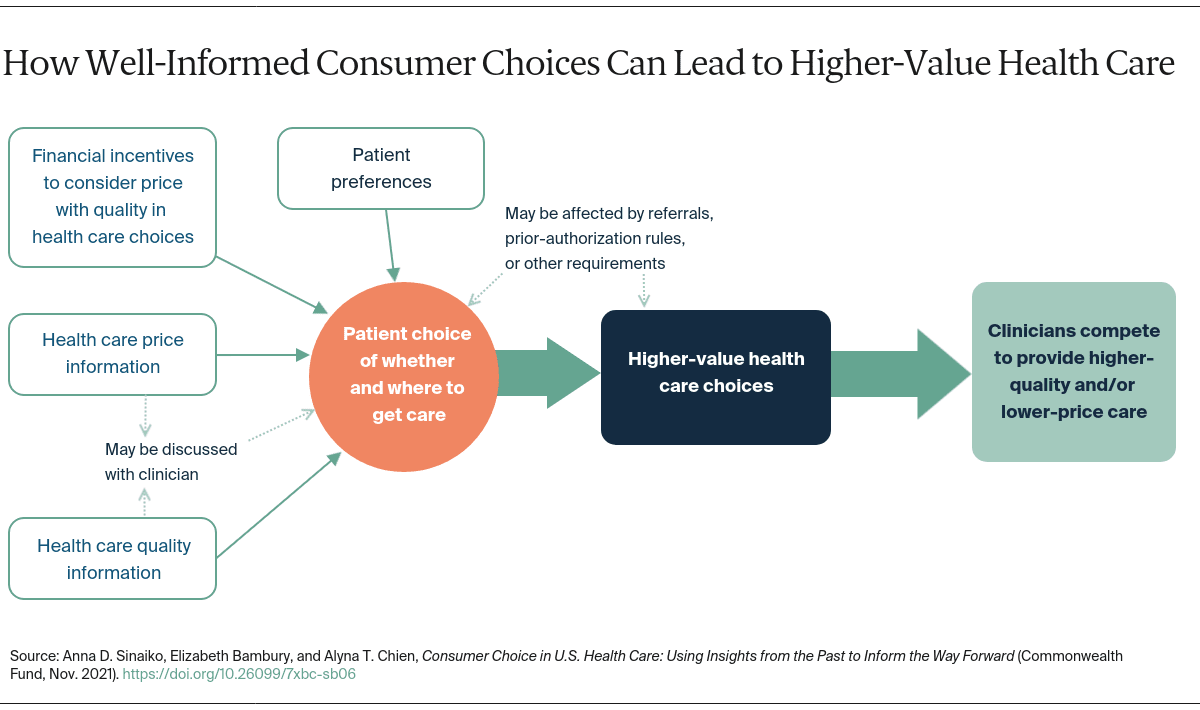
The involvement of corporate interests in healthcare policy decisions raises ethical questions. When profit motives take precedence over patient well-being, the fairness and equity of healthcare systems can be compromised. Policymakers and stakeholders must carefully consider the potential consequences of their decisions and ensure that ethical principles, such as fairness, equity, and transparency, guide the formulation of healthcare policies.
Conflicts between profit motives and patient well-being
Conflicts between profit motives and patient well-being are inherent in healthcare policy decisions influenced by corporate interests. Balancing the need for corporations to generate profits with the responsibility to prioritize patient health and access to care is a delicate task. Policymakers must carefully deliberate the long-term consequences of policies and make decisions that ensure adequate and affordable healthcare for all while respecting the need for sustainable business practices.
Promoting transparency and accountability in decision-making
Promoting transparency and accountability in healthcare policy decision-making is essential to mitigate the influence of corporate interests. Policymakers should disclose any potential conflicts of interest, and lobbying efforts should be subject to clear regulations and reporting requirements. Incorporating multiple perspectives, engaging public input, and establishing independent oversight can enhance transparency and accountability, ensuring that healthcare policies prioritize the public good over corporate profits.
Conclusion
The impact of corporate interests on healthcare policy decisions is undeniable. From lobbying and influencing legislative processes to shaping regulations and funding research, corporations wield substantial power in shaping the healthcare landscape. Understanding the implications and ethical considerations surrounding corporate influence is vital in safeguarding the public’s well-being and promoting equitable access to affordable and quality healthcare. By striving for transparency, accountability, and a balanced approach that prioritizes patient health, policymakers can navigate the complex terrain of corporate interests in healthcare policy decisions.