
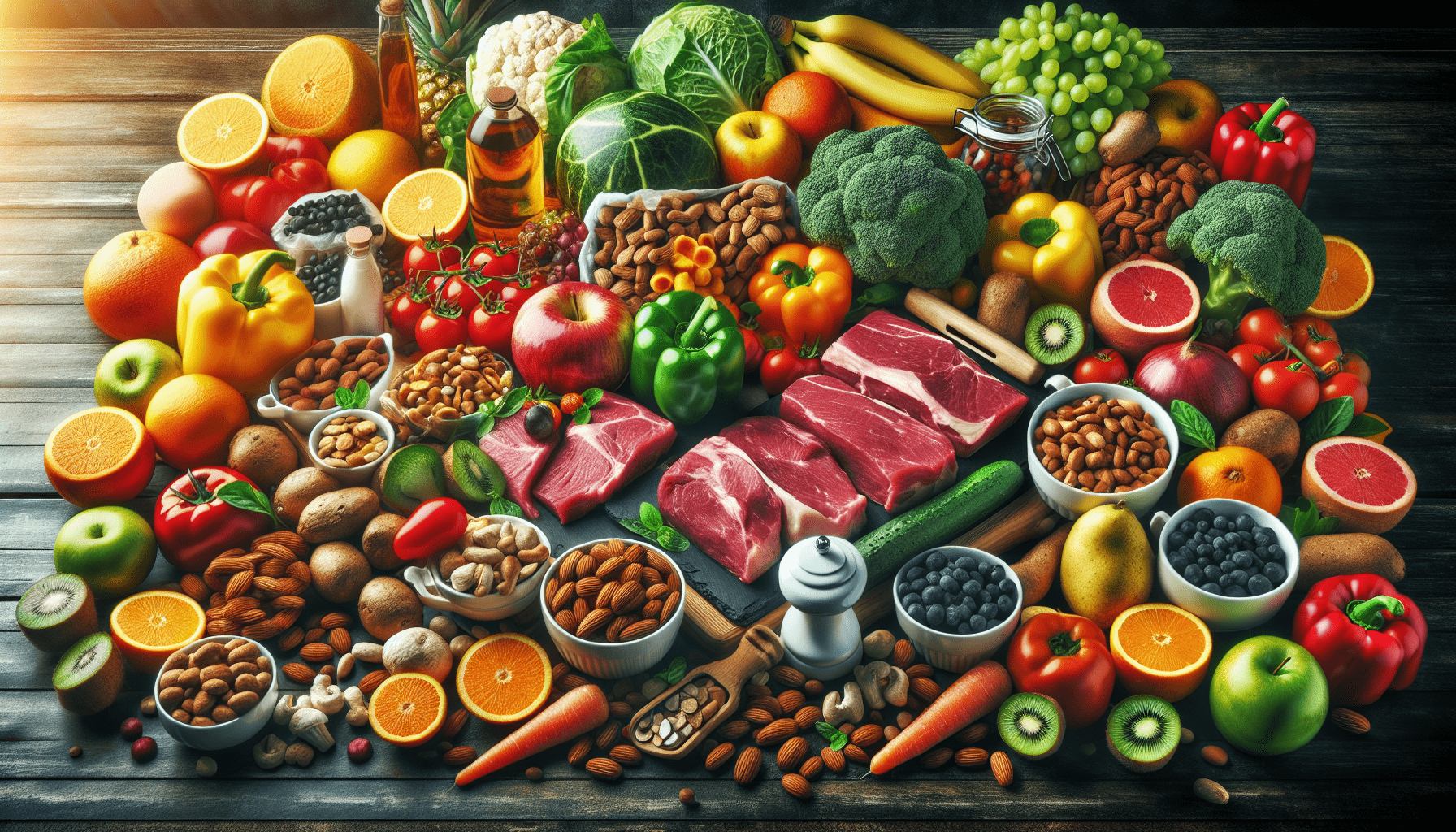
Are you looking to bulk up and gain muscle? Look no further! In this article, we will explore the most popular diet plans for muscle gain. Whether you are a fitness enthusiast or just starting your journey towards a stronger physique, these diet plans can help you achieve your goals. From high-protein diets to macro-counting and clean eating, we will break down each plan, providing you with all the information you need to make an informed decision. Say goodbye to guesswork and hello to a well-nourished, muscular body. Let’s dive in!
1. The Paleo Diet
The basics of the Paleo Diet
The Paleo Diet, also known as the Paleolithic Diet or the Caveman Diet, is a dietary plan that focuses on consuming foods similar to those eaten by our ancestors during the Paleolithic era. This diet emphasizes the consumption of whole, unprocessed foods such as lean meats, fish, fruits, vegetables, nuts, and seeds. It eliminates processed foods, grains, dairy products, and legumes. By following this diet, you are essentially eating the way your body was designed to eat.
Benefits of the Paleo Diet for muscle gain
The Paleo Diet is often associated with weight loss, but it can also be beneficial for muscle gain. By consuming high-quality protein sources such as lean meats and fish, you provide your body with the necessary building blocks for muscle growth. Additionally, the Paleo Diet emphasizes the consumption of nutrient-dense fruits and vegetables, which provide essential vitamins and minerals needed for optimal muscle function.
Moreover, the Paleo Diet promotes a lower carbohydrate intake compared to traditional Western diets. This can be advantageous for muscle gain as it allows your body to rely more on stored fat for energy, which may result in a more favorable body composition. Furthermore, the absence of processed foods and additives in the Paleo Diet helps reduce inflammation, which can support muscle recovery and growth.
Examples of meals on the Paleo Diet
Here are a few examples of meals you can enjoy while following the Paleo Diet:
- Breakfast: Scrambled eggs with vegetables and avocado.
- Lunch: Grilled chicken breast with a side of roasted sweet potatoes and steamed broccoli.
- Snack: Almond butter with apple slices.
- Dinner: Baked salmon with a side of sautéed asparagus and a mixed green salad dressed with olive oil and balsamic vinegar.
- Dessert: Fresh berries with coconut cream.
Remember, the key to success on the Paleo Diet is to focus on whole, unprocessed foods and to include a variety of protein, fruits, vegetables, and healthy fats in your meals.
2. The Mediterranean Diet
What is the Mediterranean Diet?
The Mediterranean Diet is based on the traditional eating patterns of countries bordering the Mediterranean Sea, such as Greece, Italy, and Spain. It is characterized by a high consumption of fruits, vegetables, legumes, whole grains, fish, and olive oil. This diet also includes moderate amounts of dairy products and red wine, while limiting the intake of red meat and processed foods.
How the Mediterranean Diet promotes muscle gain
The Mediterranean Diet promotes muscle gain through its emphasis on high-quality protein sources such as fish, legumes, and dairy products. These protein sources provide essential amino acids that support muscle repair and growth. Additionally, the diet’s emphasis on whole grains and fruits and vegetables provides an array of vitamins, minerals, and antioxidants that aid in muscle recovery and promote overall health.
Furthermore, the Mediterranean Diet encourages the consumption of healthy fats, primarily from olive oil and nuts, which can aid in hormone production and support muscle development. The moderate intake of red wine, known for its antioxidant properties, may also contribute to muscle health.
Sample meal plans on the Mediterranean Diet
Here are a few examples of sample meal plans that follow the principles of the Mediterranean Diet:
- Breakfast: Oatmeal topped with fresh berries, almonds, and a drizzle of honey.
- Lunch: Grilled chicken breast served with a Greek salad (tomatoes, cucumbers, olives, feta cheese) and a side of whole grain bread.
- Snack: Greek yogurt with a handful of mixed nuts.
- Dinner: Baked salmon with roasted vegetables (such as zucchini, bell peppers, and eggplant) drizzled with olive oil and lemon juice.
- Dessert: Fresh fruit salad with a dollop of Greek yogurt.
Remember to prioritize whole, unprocessed foods and to include a variety of plant-based and lean protein sources in your meals to fully enjoy the benefits of the Mediterranean Diet.
3. The Ketogenic Diet
Understanding the Ketogenic Diet
The Ketogenic Diet, often referred to as keto, is a low-carbohydrate, high-fat diet that aims to put the body in a state of ketosis. In ketosis, the body becomes efficient at burning fat for fuel instead of carbohydrates. This is achieved by significantly reducing your carbohydrate intake and increasing your fat intake.
How the Ketogenic Diet aids in muscle gain
While the Ketogenic Diet is more commonly associated with weight loss, it can also support muscle gain. By consuming higher amounts of healthy fats and adequate protein, the body is provided with the necessary nutrients for muscle growth and repair. The low-carbohydrate nature of the diet also encourages the body to utilize stored fat for energy, which can lead to a reduction in body fat percentage and improved muscle definition.
Additionally, the Ketogenic Diet has been shown to have anti-inflammatory effects, which can aid in muscle recovery and reduce exercise-induced muscle damage. This may result in faster recuperation and improved muscle growth.
Sample meal ideas on the Ketogenic Diet
Here are a few examples of meal ideas that adhere to the principles of the Ketogenic Diet:
- Breakfast: Scrambled eggs cooked in coconut oil with avocado and bacon.
- Lunch: Grilled salmon with a side of sautéed spinach cooked in butter.
- Snack: Celery sticks with almond butter.
- Dinner: Steak cooked with olive oil served with grilled vegetables (such as bell peppers, zucchini, and mushrooms).
- Dessert: Keto-friendly cheesecake made with almond flour crust and sweetened with a sugar substitute.
Remember, it is important to consult with a healthcare professional or nutritionist before starting the Ketogenic Diet as it can have potential side effects and may not be suitable for everyone.
4. The DASH Diet
An overview of the DASH Diet
The DASH (Dietary Approaches to Stop Hypertension) Diet was originally developed to lower blood pressure, but it can also promote overall health and support muscle growth. This diet emphasizes the consumption of fruits, vegetables, whole grains, lean proteins, and low-fat dairy products while minimizing the intake of sodium, saturated fats, and processed foods.
How the DASH Diet supports muscle growth
The DASH Diet promotes muscle growth through its focus on lean proteins, such as skinless poultry, fish, and legumes. Proteins are the building blocks of our muscles, and a sufficient intake is crucial for muscle repair and growth.
Additionally, the DASH Diet encourages the consumption of fruits and vegetables, which are rich in antioxidants, vitamins, and minerals. These nutrients play a crucial role in supporting muscle recovery and overall health. The diet’s emphasis on whole grains provides a steady source of carbohydrates for energy during workouts, while the restriction of processed and high-sodium foods helps reduce bloating and water retention, allowing for better muscle definition.
Recommended meal options on the DASH Diet
Here are a few examples of recommended meal options that align with the principles of the DASH Diet:
- Breakfast: Oatmeal topped with fresh berries and a sprinkle of almonds.
- Lunch: Grilled chicken breast with a side of quinoa and steamed vegetables.
- Snack: Celery sticks with hummus.
- Dinner: Baked fish with a side of roasted sweet potatoes and a green salad dressed with lemon juice and olive oil.
- Dessert: Greek yogurt with a drizzle of honey and a handful of walnuts.
Remember to choose lean protein sources, opt for whole grains instead of refined grains, and incorporate plenty of fruits and vegetables into your meals when following the DASH Diet.
5. The Flexitarian Diet
What is the Flexitarian Diet?
The Flexitarian Diet is a flexible eating plan that combines the benefits of a vegetarian lifestyle with occasional consumption of meat. It promotes a predominantly plant-based diet while allowing some flexibility for those who do not want to completely eliminate meat from their meals. The focus is on whole, unprocessed foods, with an emphasis on plant-based protein sources such as legumes, whole grains, and vegetables.
Benefits of the Flexitarian Diet for muscle gain
The Flexitarian Diet can be beneficial for muscle gain due to its focus on plant-based protein sources. Legumes, such as lentils and chickpeas, are excellent sources of protein and essential amino acids necessary for muscle repair and growth. Additionally, the diet’s emphasis on whole grains provides a steady supply of complex carbohydrates, which are vital for energy during workouts and recovery.
Furthermore, the Flexitarian Diet encourages the consumption of fruits and vegetables, which provide essential vitamins, minerals, and antioxidants to support overall health and muscle recovery. The diet’s flexibility regarding meat consumption allows for occasional high-quality animal protein sources, such as lean meats or fish, which further contribute to muscle development.
Suggestions for meals on the Flexitarian Diet
Here are a few meal suggestions that align with the principles of the Flexitarian Diet:
- Breakfast: Overnight chia seed pudding made with almond milk, topped with fresh berries and a sprinkle of nuts.
- Lunch: Black bean and quinoa salad with mixed vegetables and a drizzle of olive oil and lemon juice.
- Snack: Carrot sticks with hummus.
- Dinner: Grilled tofu or tempeh stir-fry with a variety of vegetables and a side of brown rice.
- Dessert: Frozen banana “nice cream” blended with cocoa powder and topped with chopped nuts.
Remember, the key to success on the Flexitarian Diet is to prioritize plant-based protein sources, while allowing for occasional high-quality meats if desired. Aim for a diverse range of fruits, vegetables, and whole grains to ensure a well-rounded intake of nutrients.
6. The Zone Diet
Understanding the principles of the Zone Diet
The Zone Diet is a diet plan that focuses on achieving a balance between carbohydrates, protein, and fat in each meal. It emphasizes consuming a specific ratio of macronutrients to regulate hormone levels and control inflammation. The diet encourages the consumption of lean proteins, low-glycemic carbohydrates, and healthy fats to support muscle development and overall health.
How the Zone Diet promotes muscle development
The Zone Diet promotes muscle development by providing the body with a balanced intake of macronutrients. Consuming an adequate amount of protein, such as lean meats, fish, or plant-based protein sources, provides amino acids necessary for muscle repair and growth. The diet’s emphasis on low-glycemic carbohydrates, such as fruits, vegetables, and whole grains, helps stabilize blood sugar levels and provides sustained energy for workouts.
Furthermore, the Zone Diet includes healthy fats, such as olive oil, avocados, and nuts, which are essential for hormone production and cell membrane health. These fats play a crucial role in supporting muscle development and overall body composition.
Sample meal plans on the Zone Diet
Here are a few examples of sample meal plans that follow the principles of the Zone Diet:
- Breakfast: Omelet made with egg whites, spinach, mushrooms, and a side of sliced avocado.
- Lunch: Grilled chicken breast with steamed broccoli and a small portion of quinoa.
- Snack: Greek yogurt with a handful of almonds and berries.
- Dinner: Baked salmon with roasted Brussels sprouts and a side of lentils.
- Dessert: Greek yogurt parfait layered with mixed berries and a sprinkle of granola.
Remember to divide your plate into thirds, with one-third containing a lean protein source, one-third containing low-glycemic carbohydrates, and one-third containing healthy fats when following the Zone Diet.
7. The IIFYM Diet
The concept of If It Fits Your Macros (IIFYM)
The IIFYM (If It Fits Your Macros) Diet is a flexible approach to dieting that focuses on meeting specific macronutrient targets rather than following strict food restrictions. It involves calculating and tracking the intake of proteins, carbohydrates, and fats to achieve specific fitness or body composition goals. This diet allows for a wide variety of foods, as long as they fit within the allocated macronutrient targets.
How the IIFYM Diet supports muscle growth
The IIFYM Diet supports muscle growth by providing the necessary macronutrients for muscle repair and growth. By tracking and meeting specific protein goals, individuals on this diet ensure that they consume an adequate amount of protein to support muscle development. Additionally, the diet allows for flexibility in food choices, which can make it easier to adhere to and sustain in the long term.
Furthermore, the IIFYM Diet provides a balanced intake of carbohydrates and fats, which are essential for energy during workouts and overall health. By tailoring macronutrient ratios to individual needs, this diet can be customized to support muscle growth while still allowing for personal food preferences.
Meal ideas and examples on the IIFYM Diet
Here are a few meal ideas and examples that align with the principles of the IIFYM Diet:
- Breakfast: Protein pancakes made with oats, protein powder, and topped with berries and nut butter.
- Lunch: Grilled chicken breast with quinoa, roasted vegetables, and a small amount of avocado.
- Snack: Protein shake made with your choice of protein powder, milk, and a banana.
- Dinner: Lean beef stir-fry with a variety of vegetables and served over brown rice.
- Dessert: Protein-packed Greek yogurt with a sprinkle of granola and fresh fruit.
Remember that portion sizes and macronutrient calculations are key when following the IIFYM Diet. Pay attention to the specific ratios and adjust your food choices accordingly to meet your individual goals.
8. The Vegan Diet
Overview of the Vegan Diet
The Vegan Diet is a plant-based eating plan that excludes all animal products, including meat, dairy, eggs, and honey. It typically emphasizes the consumption of fruits, vegetables, whole grains, legumes, nuts, and seeds. Veganism is often associated with environmental sustainability and ethical considerations, but this diet can also be tailored to promote muscle gain.
How the Vegan Diet can aid in muscle gain
Contrary to popular belief, the Vegan Diet can provide adequate protein for muscle gain. Plant-based protein sources such as beans, lentils, tofu, tempeh, seitan, and quinoa offer essential amino acids necessary for muscle repair and growth. By including a variety of these protein sources in your meals, you can meet your daily protein needs.
Additionally, the Vegan Diet is rich in fiber, vitamins, minerals, and antioxidants, which support not only overall health but also muscle recovery and immune function. The diet’s emphasis on whole foods and avoidance of processed products can further contribute to muscle health by reducing inflammation and promoting optimal digestion.
Vegan meal options to support muscle development
Here are a few vegan meal options that can support muscle development:
- Breakfast: Tofu scramble with mixed vegetables, wrapped in a whole-grain tortilla, and served with avocado slices.
- Lunch: Chickpea salad with mixed greens, cherry tomatoes, cucumber, and a drizzle of tahini dressing.
- Snack: Protein-packed smoothie made with plant-based protein powder, almond milk, spinach, and a scoop of nut butter.
- Dinner: Baked tempeh with roasted sweet potatoes and a side of steamed broccoli.
- Dessert: Vegan protein brownies made with black beans, cocoa powder, and natural sweeteners.
Remember that proper meal planning and nutrient balance are important when following a vegan diet for muscle gain. Be sure to include a variety of plant-based protein sources, whole grains, and vegetables in your meals.
9. The Carnivore Diet
Understanding the principles of the Carnivore Diet
The Carnivore Diet is an eating plan that consists primarily of animal products. It focuses on consuming meat, fish, eggs, and other animal-based foods while excluding all plant-based foods, including fruits, vegetables, grains, legumes, and dairy products. This diet aims to promote health and muscle growth by providing a high intake of protein and healthy fats.
How the Carnivore Diet promotes muscle growth
The Carnivore Diet promotes muscle growth by providing a substantial amount of high-quality protein. Animal products such as lean meats, fish, and eggs are excellent sources of complete proteins that contain all the essential amino acids necessary for muscle repair and growth. By consuming ample protein, individuals on this diet can support muscle development.
Additionally, the Carnivore Diet provides healthy fats, particularly from animal sources, that are vital for hormone production and overall muscle health. Animal fats also provide a dense source of calories that can support energy levels and contribute to muscle gain.
Sample meal plans on the Carnivore Diet
Here are a few examples of sample meal plans that align with the principles of the Carnivore Diet:
- Breakfast: Scrambled eggs cooked in butter with a side of bacon.
- Lunch: Grilled steak with a small portion of liver and bone marrow.
- Snack: Beef jerky.
- Dinner: Grilled salmon with a side of grilled shrimp and melted butter.
- Dessert: None, as the Carnivore Diet does not typically include dessert options.
Remember that the Carnivore Diet is highly restrictive and should be approached with caution. It is essential to consult with a healthcare professional or nutritionist before starting this diet to ensure its safety and feasibility for your individual needs.
10. The Atkins Diet
An overview of the Atkins Diet
The Atkins Diet is a low-carbohydrate eating plan that promotes weight loss while also supporting muscle gain. It consists of four phases: Induction, Ongoing Weight Loss, Pre-Maintenance, and Maintenance. Each phase gradually reintroduces carbohydrates to find an individual’s carbohydrate tolerance. The diet encourages the consumption of protein, healthy fats, and low-carbohydrate vegetables while limiting high-glycemic carbohydrates.
How the Atkins Diet aids in muscle gain
The Atkins Diet aids in muscle gain by maintaining stable insulin levels and encouraging the consumption of protein-rich foods. By reducing carbohydrate intake, the diet prompts the body to rely more on stored body fat for energy, which can lead to a reduction in overall body fat percentage and improved muscle definition.
The diet also provides an adequate amount of protein, which is essential for muscle repair and growth. High-protein foods, such as lean meats, fish, and eggs, are emphasized during each phase of the Atkins Diet. Consuming sufficient protein supports muscle development and helps preserve lean body mass.
Examples of meals on the Atkins Diet
Here are a few examples of meals that align with the principles of the Atkins Diet:
- Induction Phase: Grilled chicken breast with steamed broccoli and a side of sautéed mushrooms cooked in olive oil.
- Ongoing Weight Loss Phase: Baked salmon with a side of roasted Brussels sprouts and a small portion of quinoa.
- Pre-Maintenance Phase: Grilled steak with a side of asparagus grilled in butter and a small portion of sweet potato.
- Maintenance Phase: Grilled shrimp skewers with a variety of grilled vegetables and a side of wild rice.
Remember that the Atkins Diet is highly individualized, and the specified meal examples are generalized suggestions. It is crucial to consult with a healthcare professional or registered dietitian to tailor the diet to your individual needs.
In conclusion, there are a variety of popular diet plans that can support muscle gain. Each diet has its own unique principles and benefits. Whether you prefer a plant-based approach with diets like the Vegan or Flexitarian Diet, or a more animal product focused approach with diets like the Carnivore or Atkins Diet, there are options available to suit your lifestyle and preferences. It is important to choose a diet that aligns with your goals and consult with a healthcare professional or registered dietitian to ensure it meets your individual needs. With proper nutrition and a well-rounded exercise routine, any of these diets can support you on your journey to muscle gain.