
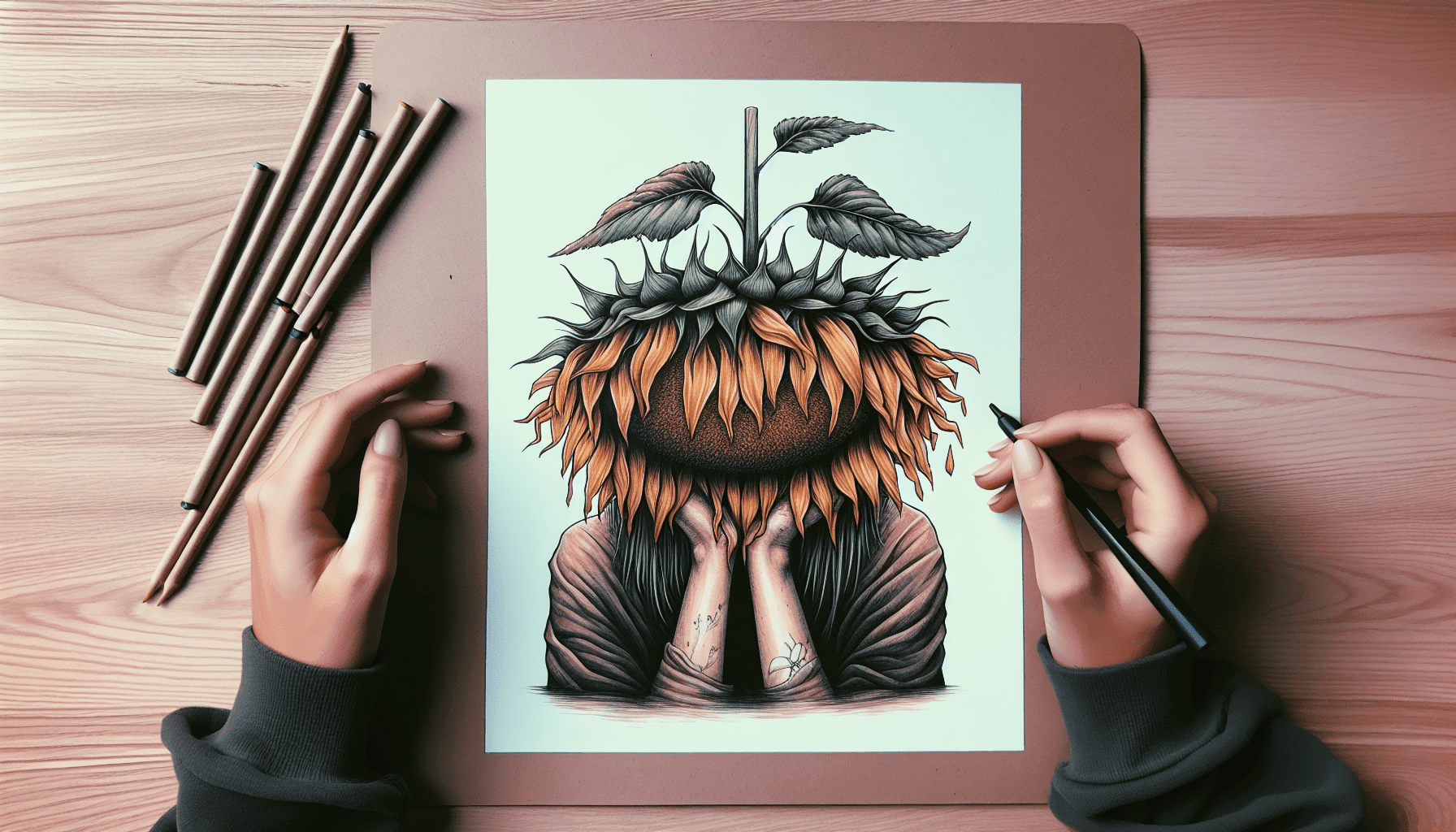
Are you tired of feeling overwhelmed by persistent feelings of sadness and hopelessness? If so, this article titled “Understanding And Coping With Chronic Depression” is here to offer you guidance and support. Within these pages, we will explore the intricacies of chronic depression, providing you with valuable insights and practical strategies to help you cope with this challenging mental health condition. Together, let’s embark on a journey towards understanding and finding ways to manage chronic depression, so you can regain control of your life and embrace a brighter tomorrow.
What is Chronic Depression?
Chronic depression, also known as persistent depressive disorder (PDD) or dysthymia, is a type of depression that lasts for an extended period of time, typically lasting for two years or more. Unlike major depressive disorder, which is characterized by intense feelings of sadness and hopelessness that come and go, chronic depression is a persistent low mood that affects your daily life and overall functioning.
Definition of Chronic Depression
Chronic depression is characterized by a consistently depressed mood that lasts for a prolonged period, typically lasting for at least two years. It is a chronic condition that can significantly impact your quality of life, relationships, and ability to perform daily tasks.
Symptoms of Chronic Depression
The symptoms of chronic depression may vary from person to person, but the common signs include persistent sadness, feelings of hopelessness, low self-esteem, difficulty concentrating, changes in appetite or weight, sleep disturbances, lack of energy, and a loss of interest in activities that were once pleasurable.
Causes of Chronic Depression
The exact cause of chronic depression is not fully understood, but it is believed to be a combination of biological, genetic, and environmental factors.
Biological Factors
There is evidence to suggest that imbalances in certain neurotransmitters, such as serotonin and norepinephrine, play a role in the development of chronic depression. Additionally, abnormalities in the structure and function of the brain, particularly the prefrontal cortex and limbic system, have been observed in individuals with chronic depression.
Genetic Predisposition
Research indicates that there may be a genetic component to chronic depression. If you have a family history of depression, you may be at a higher risk of developing the condition. However, genetics is not the sole determinant, and other factors are likely to contribute to the development of chronic depression.
Environmental Factors
Environmental factors, such as childhood traumas, chronic stress, and social isolation, can also contribute to the development of chronic depression. Negative life events, such as the loss of a loved one, relationship problems, or financial difficulties, can trigger or exacerbate symptoms of chronic depression.
Diagnosing Chronic Depression
If you suspect that you may be experiencing chronic depression, it is important to seek professional help for an accurate diagnosis. A mental health professional, such as a psychiatrist or psychologist, can conduct a thorough assessment to determine if you meet the diagnostic criteria for chronic depression.
Seeking Professional Help
It is crucial to reach out to a mental health professional if you are experiencing persistent feelings of sadness, hopelessness, or other symptoms of chronic depression. They can provide you with the necessary support, guidance, and resources for managing your condition.
Diagnostic Criteria
To be diagnosed with chronic depression, you must meet specific criteria outlined in the Diagnostic and Statistical Manual of Mental Disorders (DSM-5). These criteria include experiencing a depressed mood for most of the day, for more days than not, for at least two years, as well as the presence of other symptoms such as changes in appetite, sleep disturbances, low energy, and poor self-esteem.
Treatment Options for Chronic Depression
While chronic depression can feel overwhelming, there are effective treatment options available to help manage the symptoms and improve your overall well-being.
Medication
Antidepressant medications, such as selective serotonin reuptake inhibitors (SSRIs) or serotonin-norepinephrine reuptake inhibitors (SNRIs), are commonly prescribed to individuals with chronic depression. These medications work by balancing neurotransmitter levels in the brain, helping to alleviate symptoms of depression.
Psychotherapy
Psychotherapy, also known as talk therapy, is a widely recognized and effective treatment for chronic depression. Cognitive-behavioral therapy (CBT), interpersonal therapy (IPT), and psychodynamic therapy are some of the approaches used in psychotherapy. These therapeutic modalities aim to identify negative thought patterns, improve coping skills, and address underlying emotional issues.
Electroconvulsive Therapy
Electroconvulsive therapy (ECT) may be considered for individuals with severe chronic depression who have not responded to other treatment options. ECT involves the administration of controlled electrical currents to the brain, leading to a brief seizure. This procedure has been shown to be effective in treating severe depression.
Self-Care Strategies for Coping with Chronic Depression
In addition to professional treatment, there are self-care strategies that can complement your journey towards managing chronic depression and improving your overall well-being.
Maintaining a Routine
Establishing a regular routine can provide structure, stability, and a sense of purpose in your daily life. Try to incorporate activities that you enjoy, set goals for yourself, and prioritize self-care activities into your routine.
Engaging in Physical Activity
Regular physical activity has been shown to have a positive impact on mental health. Engaging in exercise releases endorphins, which are natural mood-boosting chemicals in the brain. Aim for at least 30 minutes of moderate-intensity exercise most days of the week.
Practicing Relaxation Techniques
Relaxation techniques, such as deep breathing exercises, progressive muscle relaxation, and mindfulness meditation, can help reduce stress and promote relaxation. Incorporating these techniques into your daily routine can help you manage the symptoms of chronic depression.
Support Systems for Managing Chronic Depression
Building a strong support system can provide you with the emotional and practical support needed to cope with chronic depression.
Family and Friends
Reach out to your loved ones and let them know what you’re going through. Open and honest communication can foster understanding and support. Share your feelings and concerns with trusted family members and friends who can offer a listening ear and provide encouragement.
Support Groups
Consider joining a support group for individuals living with chronic depression. Connecting with others who are going through similar experiences can provide a sense of belonging, validation, and the opportunity to learn coping strategies from others who can relate to your struggles.
Therapy Animals
Therapy animals, such as dogs or cats, can provide emotional support and companionship. Interacting with animals has shown to have a positive impact on mental health, reducing stress and promoting feelings of calmness and well-being.
Making Lifestyle Changes to Improve Mental Health
Certain lifestyle changes can contribute to better mental health and overall well-being, even when living with chronic depression.
Improving Sleep Habits
Quality sleep is essential for mental health. Establish a regular sleep routine, create a comfortable sleep environment, and avoid stimulants, such as caffeine or electronic devices, before bedtime. If sleep disturbances persist, consult with a healthcare professional for further guidance.
Eating a Balanced Diet
A healthy, balanced diet can have a positive impact on mental health. Incorporate nutrient-rich foods, such as fruits, vegetables, whole grains, lean proteins, and omega-3 fatty acids, into your meals. Avoid excessive consumption of processed foods, sugary snacks, and caffeine, as they can negatively affect your mood and energy levels.
Reducing Alcohol and Substance Use
Alcohol and substance use can worsen symptoms of chronic depression and interfere with the effectiveness of treatment. Limit or avoid the use of alcohol and substances, and seek professional help if you are struggling with addiction.
Managing Stress and Practical Problem-Solving
Effectively managing stress and developing problem-solving skills can help mitigate the impact of chronic depression on your daily life.
Learning Stress Management Techniques
Stress management techniques, such as deep breathing exercises, yoga, mindfulness, and engaging in hobbies or activities you enjoy, can help reduce the negative impact of stress on your mental health. Experiment with different techniques to find what works best for you.
Improving Problem-Solving Skills
Developing strong problem-solving skills can help you address challenges and find effective solutions. Break down problems into smaller, manageable steps, consider different perspectives, and seek support or guidance when needed.
Understanding the Role of Medication in Chronic Depression
Medication can be an important component of treatment for chronic depression, but it is essential to understand its role and potential side effects.
Different Types of Antidepressants
There are several types of antidepressant medications available, including selective serotonin reuptake inhibitors (SSRIs), serotonin-norepinephrine reuptake inhibitors (SNRIs), and tricyclic antidepressants (TCAs). Each medication works differently to adjust neurotransmitter levels in the brain.
Common Side Effects
Antidepressant medications can have side effects, such as nausea, weight changes, sexual dysfunction, drowsiness, or dry mouth. It is important to discuss any concerns or side effects with your healthcare provider, as they can adjust the dosage or try a different medication if necessary.
Compliance with Medication Regimens
It is crucial to take medication as prescribed and follow the recommended dosage instructions. Skipping doses or abruptly discontinuing medication can lead to adverse effects and may not effectively manage your chronic depression. Regularly communicate with your healthcare provider about any concerns or changes in symptoms.
Long-Term Outlook and Coping Strategies
Managing chronic depression is a long-term process, but with the right support and strategies, it is possible to lead a fulfilling life.
Being Patient with the Recovery Process
Recovery from chronic depression takes time, and it is important to be patient and kind to yourself throughout the journey. Celebrate your progress, no matter how small, and remember that healing is a gradual process.
Creating and Maintaining a Supportive Environment
Surround yourself with positive influences and create a supportive environment that encourages your well-being. Engage in activities that bring you joy, maintain healthy relationships, and set boundaries with individuals who may negatively impact your mental health.
Seeking Help When Needed
If you find yourself struggling with chronic depression or experiencing worsening symptoms, do not hesitate to seek professional help. Mental health professionals can provide guidance, adjust your treatment plan, and offer additional resources for your continued well-being.
In conclusion, chronic depression can be a challenging condition to navigate, but with a combination of professional treatment, self-care strategies, support systems, and lifestyle changes, it is possible to manage the symptoms and lead a fulfilling life. You are not alone in this journey, and there is hope for recovery. Reach out for help, be patient with yourself, and remember that there are resources available to support you every step of the way.