
In today’s fast-paced world, it’s no surprise that many of us are feeling overwhelmed and exhausted. If you’re looking for a natural and holistic way to restore balance and promote overall well-being, energy balancing may just be the answer. Whether you’re familiar with energy work or new to the concept, this article will explore the importance of energy balancing in holistic health practices. Discover how this ancient practice can help you regain vitality, reduce stress, and enhance your overall quality of life. So, if you’re ready to tap into the power of energy balancing, read on!
Understanding Energy Balancing
What is Energy Balancing?
Energy balancing is a holistic approach that focuses on harmonizing the flow of energy throughout the body. It recognizes that energy is the vital force that sustains life and plays a crucial role in maintaining overall well-being. Energy balancing techniques aim to identify and correct any imbalances or blockages in the energy pathways of the body, promoting harmony and allowing the body to heal itself naturally.
The Role of Energy in Holistic Health
Energy is the foundation of holistic health practices. It is believed that imbalances or disruptions in the flow of energy can lead to physical, emotional, and mental disturbances. Holistic health approaches recognize the interconnectedness of the body, mind, and spirit, and view energy as a key element in achieving and maintaining optimal health. By addressing energy imbalances, individuals can experience improved vitality, reduced stress, enhanced emotional well-being, and a strengthened immune system.
The Benefits of Energy Balancing
Energy balancing offers a multitude of benefits for individuals seeking to enhance their overall well-being. By restoring balance and harmony to the body’s energy systems, energy balancing techniques can:
- Promote relaxation and stress reduction
- Alleviate physical pain and discomfort
- Boost the immune system and enhance overall health
- Improve sleep quality and reduce insomnia
- Increase mental clarity and focus
- Enhance emotional stability and well-being
- Foster a sense of peace and inner harmony
- Promote self-awareness and personal growth
Methods of Energy Balancing
Acupuncture
Acupuncture is an ancient Chinese practice that involves the insertion of thin needles at specific points on the body to stimulate the body’s energy flow. The needles are strategically placed along meridians, which are pathways through which energy, or “qi,” flows. By targeting these specific points, acupuncture aims to restore balance and harmony to the body’s energy systems, promoting healing and well-being.
Reiki
Reiki is a Japanese healing technique that involves the gentle laying of hands on or near the body. The practitioner serves as a channel for universal life energy, allowing it to flow into the recipient’s body, promoting relaxation, stress reduction, and healing. Reiki practitioners focus on balancing the body’s energy centers, known as chakras, to facilitate overall wellness and vitality.
Chakra Balancing
Chakras are the major energy centers in the body, located along the spine. They are associated with different aspects of physical, emotional, and spiritual well-being. Chakra balancing techniques aim to align and clear these energy centers, ensuring the smooth flow of energy throughout the body. This promotes overall balance and harmony and helps to address specific physical or emotional issues associated with each chakra.
Crystal Healing
Crystal healing utilizes the unique energetic properties of crystals and gemstones to facilitate healing and balance. Different crystals are believed to have specific vibrational frequencies that can resonate with and support the body’s energy systems. Crystals are placed on or near the body, and their energy is used to clear blockages, restore balance, and promote overall well-being.
Sound Healing
Sound healing involves the use of specific tones, frequencies, and vibrations to promote healing and relaxation. Different instruments, such as singing bowls, tuning forks, or gongs, are used to create these sounds. The vibrations produced by these instruments can penetrate the body at a cellular level, helping to balance and restore the body’s energy systems.
Meditation and Breathing Techniques
Meditation and breathing techniques are powerful tools for energy balancing. By focusing the mind and regulating the breath, individuals can promote relaxation, reduce stress, and cultivate a sense of inner calm. These practices help to quiet the mind, allowing the body’s energy to flow freely and harmoniously. Regular meditation and breathing exercises can have profound effects on physical, emotional, and mental well-being.
Effects of Energy Imbalance
Physical Symptoms
Imbalances or disruptions in the body’s energy flow can manifest as various physical symptoms. These may include chronic pain, migraines or headaches, gastrointestinal disturbances, fatigue, muscle tension, and immune system dysfunctions. By addressing energy imbalances, individuals can experience relief from these physical symptoms and promote overall physical well-being.
Emotional and Mental Disturbances
Energy imbalances can also impact emotional and mental health. Individuals may experience heightened stress, anxiety, depression, mood swings, or difficulty managing emotions. These imbalances can interfere with the ability to think clearly, make decisions, and maintain healthy relationships. Energy balancing techniques help to restore emotional equilibrium, promote mental clarity, and enhance overall emotional well-being.
Impact on Overall Well-being
When energy is imbalanced or blocked, it can have a significant impact on overall well-being. Individuals may feel depleted, lacking vitality, and disconnected from their sense of purpose and joy. By addressing energy imbalances, individuals can experience a renewed sense of energy, improved vitality, and a greater sense of overall well-being.
The Relationship Between Energy and the Body
Understanding the Energy Body
The energy body refers to the complex network of energy pathways, known as meridians or channels, through which energy flows. These pathways connect the physical body with the body’s energy centers, such as the chakras. The energy body is believed to be composed of subtle energy, or life force energy, which nourishes and sustains the physical body. Understanding the energy body is crucial for recognizing and addressing energy imbalances.
Major Energy Centers in the Body
The body has several major energy centers, known as chakras, which are located along the spine. Each chakra is associated with specific physical, emotional, and spiritual aspects of well-being. For example, the root chakra is associated with feelings of safety and security, while the heart chakra is associated with love and compassion. Understanding the major energy centers in the body helps to identify and address specific imbalances.
Flow of Energy and its Disruptions
Energy flows through the body in a balanced and harmonious manner when the energy pathways are unobstructed. However, various factors can disrupt the flow of energy, leading to imbalances or blockages. These factors may include physical trauma, emotional or mental stress, unhealthy lifestyle habits, or environmental factors. Energy balancing techniques aim to remove these disruptions and restore the smooth flow of energy throughout the body.
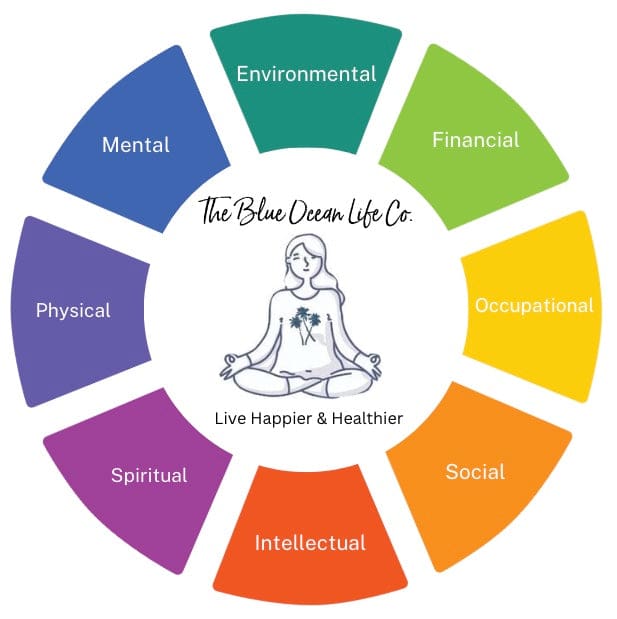
How Energy Balancing Promotes Holistic Health
Restoring Balance and Harmony
Energy balancing techniques work to restore balance and harmony to the body’s energy systems. By addressing energy imbalances and blockages, these techniques promote the smooth flow of energy and optimize the body’s natural healing abilities. Restoring balance and harmony helps to create a strong foundation for holistic health and wellness.
Boosting the Body’s Self-healing Abilities
The body possesses innate self-healing abilities, and energy balancing techniques can enhance and support these natural processes. By clearing energy blockages and aligning the body’s energy systems, these techniques optimize the body’s self-healing capabilities. This can result in improved physical health, faster recovery from illnesses or injuries, and a strengthened immune system.
Enhancing Emotional and Mental Well-being
Energy imbalances can have a profound impact on emotional and mental well-being. By addressing these imbalances, energy balancing techniques help to promote emotional stability, reduce stress and anxiety, and improve mental clarity and focus. This can result in greater overall emotional well-being and a sense of inner peace and fulfillment.
Integration of Energy Balancing in Holistic Practices
Combining Energy Balancing with Traditional Medicine
Energy balancing techniques can be integrated with traditional medical treatments to provide a comprehensive approach to healing. When used alongside conventional medicine, energy balancing can enhance the effectiveness of medical interventions and promote holistic well-being. It is important to consult with both energy balancing practitioners and healthcare professionals to ensure safe and effective integration.
Incorporating Energy Balancing in Wellness Routines
Individuals can incorporate energy balancing practices into their daily wellness routines to support overall health and well-being. This may include regular sessions of acupuncture, Reiki, or chakra balancing, along with self-care practices such as meditation and breathing exercises. By making energy balancing a part of a holistic wellness routine, individuals can experience long-term benefits and maintain optimal well-being.
Energy Balancing as a Preventive Approach
Energy balancing is not only beneficial for addressing existing imbalances but can also be used as a preventive approach to maintaining health. By regularly balancing and harmonizing the body’s energy systems, individuals can proactively support their overall well-being and reduce the risk of future imbalances or illnesses. Energy balancing can serve as a proactive tool for achieving and maintaining optimal health.
The Role of Energy Balancing in Disease Prevention
Identifying and Correcting Energy Imbalances
Energy balancing techniques play a significant role in identifying and correcting energy imbalances before they manifest as physical symptoms or illnesses. By addressing energy imbalances at the energetic level, individuals can prevent the progression of imbalances into more serious health conditions. Regular energy balancing practices can help maintain the body’s energy flow and support disease prevention.
Strengthening the Immune System
A strong immune system is essential for maintaining optimal health and preventing diseases. Energy balancing techniques help to strengthen the immune system by promoting the smooth flow of energy and optimizing the body’s self-healing abilities. By addressing energy imbalances and supporting the body’s natural defense mechanisms, energy balancing can enhance immune function and reduce the risk of illnesses.
Reducing Stress and Improving Resilience
Chronic stress is a significant contributor to various health problems, including cardiovascular disease, digestive disorders, and immune system dysfunction. Energy balancing techniques promote relaxation, reduce stress, and improve resilience to stressors. By addressing energy imbalances associated with stress, individuals can better manage stress, reduce its negative impact on the body, and improve overall well-being.
Scientific Evidence Supporting Energy Balancing
Research on Acupuncture and Energy Medicine
Scientific research has provided evidence supporting the effectiveness of acupuncture and energy medicine in promoting health and well-being. Studies have shown that acupuncture can help alleviate chronic pain, reduce inflammation, and improve immune function. Research in energy medicine has explored the concept of biofields, subtle energy fields surrounding the body, and their effects on health. This growing body of scientific evidence supports the role of energy balancing techniques in holistic health practices.
Neuroscience and Energy Healing
Neuroscience research has shed light on the mechanisms through which energy healing techniques, such as Reiki, can induce relaxation and promote healing. Studies have shown that these techniques stimulate the release of endorphins, serotonin, and other neurotransmitters associated with relaxation and well-being. Neuroscience research provides a scientific basis for understanding the therapeutic effects of energy balancing techniques.
Quantum Physics and the Energetic Body
Quantum physics has provided a framework for understanding the energetic nature of the body and the concept of the energy body. The principles of quantum physics emphasize the interconnectedness of energy and matter and the fundamental role of energy in the functioning of the human body. Quantum physics offers insights into the relationship between energy and consciousness and supports the concept of energy balancing as a holistic approach to health and well-being.
Finding an Energy Balancing Practitioner
Qualifications and Training
When seeking an energy balancing practitioner, it is important to consider their qualifications and training. Look for practitioners who have received specialized training and certification in their respective modalities. Ensure that they have a comprehensive understanding of energy anatomy, principles, and techniques. Professional memberships or affiliations may also indicate a practitioner’s commitment to maintaining high standards of practice.
Recommendations and Referrals
Seeking recommendations and referrals from trusted sources, such as friends, family, or healthcare professionals, can help in finding a reliable energy balancing practitioner. Personal testimonials and positive experiences provide valuable insights into a practitioner’s skills, professionalism, and effectiveness. Online research and reviews can also be a helpful resource when selecting a practitioner.
Interviewing Potential Practitioners
Before committing to working with an energy balancing practitioner, it can be beneficial to conduct an interview or consultation. This allows you to ask questions about their background, experience, and approach to energy balancing. It is important to feel comfortable and confident in the practitioner’s abilities and to establish a strong rapport. Trust your instincts and choose a practitioner who resonates with you and your specific needs.
Practical Tips for Energy Balancing in Daily Life
Self-care Practices
Incorporating self-care practices into your daily life can support energy balancing and overall well-being. This may include activities such as meditation, deep breathing exercises, yoga, tai chi, or journaling. Taking time for self-reflection, relaxation, and nurturing your body and mind can help maintain a balanced and harmonious energy flow.
Maintaining a Balanced Environment
Your environment plays a significant role in your energy levels and overall well-being. Creating a clean, clutter-free space that is filled with natural light and positive energy can enhance the effectiveness of energy balancing practices. Incorporating elements such as plants, crystals, or soothing colors can promote a sense of peace and balance in your environment.
Energetic Protection Techniques
In daily life, you may encounter various sources of negative energy that can disrupt your own energy flow. Practicing energetic protection techniques can help shield yourself from these influences and maintain your energetic balance. This can include techniques such as visualization, grounding exercises, or wearing protective crystals or amulets. By proactively protecting your energy, you can enhance the effectiveness of energy balancing practices and maintain optimal well-being.
In conclusion, energy balancing is a powerful approach to achieving and maintaining holistic health. By addressing energy imbalances and promoting the smooth flow of energy throughout the body, individuals can experience improved physical, emotional, and mental well-being. With a wide range of energy balancing techniques available, integration into holistic health practices is readily achievable. By recognizing the relationship between energy and the body, individuals can proactively prevent imbalances and support their overall health. Scientific research provides growing evidence of the efficacy of energy balancing techniques, supporting their inclusion in holistic health practices. When seeking an energy balancing practitioner, consider qualifications, recommendations, and personal rapport. By incorporating practical tips for energy balancing into daily life, individuals can support their overall well-being and maintain harmony of their energy systems. Energy balancing is a valuable tool for achieving holistic health and fostering a profound sense of well-being.
