

Whether you’re a seasoned athlete or just starting out, understanding the role of nutrition in men’s athletic performance is crucial. With proper nutrition, you can boost your energy, improve muscle strength, speed up recovery, and enhance overall performance. From the right combination of macronutrients to the importance of hydration, this article will provide you with valuable insights on how to fuel your body for optimal athletic success. So, get ready to optimize your performance and achieve your fitness goals with the power of nutrition.

Importance of Proper Nutrition
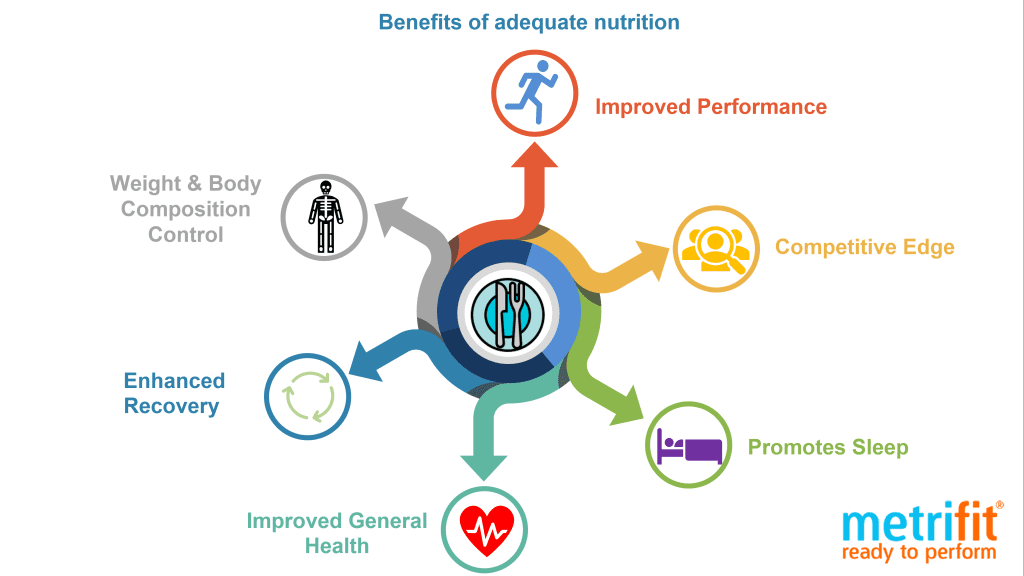
When it comes to maximizing your athletic performance, proper nutrition plays a key role. The food you eat acts as fuel for your body, supporting muscle growth, enhancing recovery, and improving overall performance. By understanding the different macronutrients and micronutrients, as well as the importance of hydration and supplementation, you can optimize your nutrition and take your athletic performance to the next level.
Fueling the Body
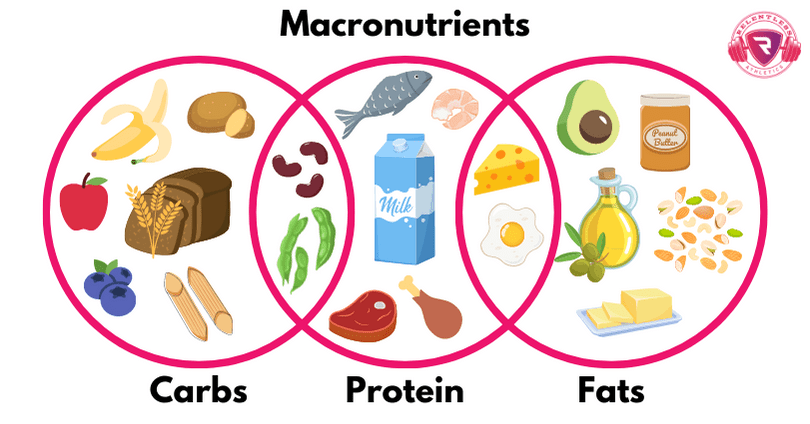
The first step in optimizing your nutrition for athletic performance is to ensure that you are properly fueling your body. Carbohydrates, proteins, and fats are the three macronutrients that provide your body with the energy it needs to perform at its best.
Carbohydrates
Carbohydrates are the primary source of energy for your body, especially during high-intensity physical activities. They are broken down into glucose, which is then used by the muscles for fuel. It is important to choose complex carbohydrates such as whole grains, fruits, and vegetables, as they provide a steady release of energy and are rich in essential nutrients.
Protein
Proteins are essential for muscle growth and repair. They provide the building blocks necessary for the synthesis of new muscle tissue and help to repair any damage caused by intense exercise. Good sources of protein include lean meats, poultry, fish, dairy products, and plant-based sources such as legumes and tofu.
Fats
While often demonized, fats are an important part of a balanced diet and should not be overlooked. They provide a concentrated source of energy and are essential for the absorption of fat-soluble vitamins. Choose healthy fats such as avocados, nuts, seeds, and olive oil, while limiting saturated and trans fats.
Supporting Muscle Growth
If you’re looking to improve your athletic performance, supporting muscle growth should be a key focus of your nutrition plan. In addition to consuming an adequate amount of protein, there are other strategies you can implement to promote muscle growth.
Enhancing Recovery
Recovery is an essential aspect of athletic performance. Proper nutrition plays a crucial role in enhancing your body’s ability to recover after intense exercise. By providing your body with the necessary nutrients, you can reduce muscle soreness, promote healing, and replenish glycogen stores.
Macronutrients
Macronutrients are nutrients that are needed in relatively large amounts by the body. They are the main sources of energy and provide the building blocks for growth, repair, and maintenance of tissues.
Carbohydrates
Carbohydrates are the body’s primary source of energy. They are broken down into glucose, which is used by the muscles for fuel. It is recommended that athletes consume a diet that consists of 45-65% of carbohydrates. Complex carbohydrates, such as whole grains, fruits, and vegetables, provide a steady release of energy and are rich in essential nutrients such as vitamins, minerals, and fiber.
Protein
Protein is essential for muscle growth and repair. It provides the building blocks necessary for the synthesis of new muscle tissue and helps to repair any damage caused by intense exercise. Athletes should aim to consume approximately 0.6 to 0.9 grams of protein per pound of body weight per day. Good sources of protein include lean meats, poultry, fish, dairy products, and plant-based sources such as legumes and tofu.
Fats
Fats are an important source of energy and are essential for the absorption of fat-soluble vitamins. They also play a role in hormone production and help regulate inflammation. It is recommended that athletes consume 20-35% of their total daily calories from fats. Choose healthy fats such as avocados, nuts, seeds, and olive oil, while limiting saturated and trans fats.
Micronutrients
Micronutrients are nutrients that are needed in smaller amounts by the body, but are still essential for optimal health and athletic performance.
Vitamins
Vitamins are organic compounds that are required in small amounts for various physiological functions. They play a crucial role in energy production, immune function, and the maintenance of overall health. Athletes should aim to consume a variety of fruits, vegetables, whole grains, and lean meats to ensure an adequate intake of vitamins.
Minerals
Minerals are inorganic compounds that are essential for many physiological processes in the body. They are involved in the formation of bones, the regulation of heartbeat, and the maintenance of fluid balance, among other functions. Examples of important minerals include calcium, iron, potassium, and magnesium. Athletes should consume a balanced diet that includes a variety of fruits, vegetables, whole grains, and lean meats to ensure an adequate intake of minerals.

Hydration
Hydration is key to maintaining optimal athletic performance. Proper fluid balance is essential for regulating body temperature, lubricating joints, and transporting nutrients throughout the body. Dehydration can lead to decreased performance, increased risk of injury, and impaired recovery. There are two main aspects of hydration to consider: water intake and electrolyte balance.
Water Intake
Water is the most important nutrient for athletes, as it is involved in nearly every bodily function. It is recommended that athletes drink at least half of their body weight in ounces of water per day. For example, a 150-pound athlete should aim to consume a minimum of 75 ounces of water per day. This amount may need to be increased during periods of intense exercise or hot weather.
Electrolyte Balance
Electrolytes are minerals that are dissolved in the body’s fluids and play a crucial role in maintaining proper hydration. They help to regulate fluid balance, muscle contractions, and nerve impulses. Common electrolytes include sodium, potassium, calcium, and magnesium. A balanced diet that includes a variety of fruits, vegetables, and whole grains, along with regular consumption of sports drinks or electrolyte-rich foods, can help maintain electrolyte balance.
Pre-Workout Nutrition
Proper pre-workout nutrition is essential for providing your body with the necessary energy to perform at its best. By focusing on timing, carbohydrate loading, and protein intake, you can optimize your performance during training sessions and competitions.
Timing
Timing your pre-workout meal is crucial to ensure that you have enough energy during your workout. It is recommended to consume a meal or snack containing carbohydrates and a small amount of protein around 2-3 hours before exercise. This allows enough time for digestion and absorption, providing a steady source of energy.
Carbohydrate Loading
Carbohydrate loading involves consuming a higher amount of carbohydrates in the days leading up to a competition or intense training session. This helps to maximize glycogen stores in the muscles, providing a readily available source of energy. It is important to choose complex carbohydrates such as whole grains, fruits, and vegetables during this time.
Protein Intake
While carbohydrates are the main focus of pre-workout nutrition, including a small amount of protein can help support muscle growth and repair. Choose lean sources of protein such as chicken, turkey, fish, or plant-based sources like tofu or legumes. A ratio of 3:1 or 4:1 carbohydrates to protein is generally recommended for pre-workout meals or snacks.
During-Workout Nutrition
During intense exercise or prolonged training sessions, it may be necessary to provide your body with additional nutrients to sustain energy levels and optimize performance.
Hydration
Staying adequately hydrated during your workout is crucial for maintaining optimal performance. Sip on water or a sports drink throughout your training session to replace fluid losses through sweat. Aim to drink approximately 7-10 ounces of fluid every 10-20 minutes during exercise.
Energy Boosting Snacks
If your workout or competition lasts longer than an hour, it may be beneficial to consume small, easily digestible snacks to provide a quick source of energy. Choose snacks that are high in carbohydrates and low in fat and fiber. Examples include energy gels, sports drinks, bananas, or granola bars.
Post-Workout Nutrition
After a workout, it is important to provide your body with the necessary nutrients to promote muscle recovery, reduce muscle soreness, and replenish glycogen stores.
Protein for Recovery
Consuming an adequate amount of protein post-workout is crucial for muscle recovery and repair. Aim to consume 20-30 grams of protein within 30 minutes to an hour after exercise. Good sources of protein include lean meats, poultry, fish, dairy products, and plant-based sources such as legumes and tofu.
Carbohydrates for Glycogen Replenishment
Carbohydrates are also important post-workout, as they help replenish glycogen stores in the muscles. Consuming a combination of carbohydrates and protein after exercise can help optimize glycogen replenishment and muscle recovery. Good sources of carbohydrates include whole grains, fruits, and vegetables.
Supplementation
While a well-balanced diet should provide most of the nutrients an athlete needs, certain supplements may be beneficial for optimizing athletic performance.
Creatine
Creatine is a naturally occurring compound that can enhance exercise performance by increasing the amount of energy available to the muscles. It is often used by athletes involved in high-intensity, short duration activities, such as weightlifting or sprinting.
Beta-Alanine
Beta-alanine is an amino acid that can help improve muscle endurance and delay fatigue during high-intensity exercise. It works by increasing levels of carnosine in the muscles, which helps to buffer lactic acid and reduce muscle fatigue.
Branched-Chain Amino Acids
Branched-chain amino acids (BCAAs) are a group of essential amino acids that play a crucial role in muscle protein synthesis. They can help reduce muscle breakdown during exercise and promote muscle recovery. BCAAs are often consumed during or after workouts in the form of supplements or through foods such as lean meats or dairy products.
Meal Planning
Proper meal planning is essential for ensuring that you are consuming a well-balanced diet that meets your nutritional needs. By focusing on balanced meals and tracking your calorie intake, you can optimize your nutrition and support your athletic performance.
Balanced Meals
A balanced meal should include a combination of carbohydrates, protein, and healthy fats, along with a variety of fruits, vegetables, and whole grains. Aim to include a source of lean protein, such as chicken, fish, or tofu, along with a serving of complex carbohydrates and a side of vegetables or salad.
Calorie Tracking
Tracking your calorie intake can help ensure that you are consuming enough energy to support your athletic performance and meet your nutritional needs. Use a food diary or mobile app to track your meals and snacks, and aim to consume a balanced amount of calories from carbohydrates, protein, and fats.
Individualized Approach
While general nutrition guidelines are helpful, it is important to take an individualized approach to your nutrition plan. Factors such as body composition, training routine, and personal preferences can all impact your dietary needs.
Consulting a Sports Nutritionist
If you are serious about optimizing your athletic performance, it may be beneficial to consult with a sports nutritionist. A nutritionist can evaluate your current diet, help you identify areas for improvement, and develop a personalized nutrition plan tailored to your specific needs and goals.
Considering Dietary Restrictions
If you have any dietary restrictions, such as food allergies or intolerances, it is important to take those into account when planning your meals. Work with a nutritionist or dietitian to ensure that you are meeting your nutritional needs while avoiding any potential trigger foods.
In conclusion, proper nutrition is of utmost importance when it comes to optimizing athletic performance. By fueling your body with the right macronutrients, consuming an adequate amount of micronutrients, staying hydrated, and utilizing proper supplementation, you can take your athletic performance to new heights. Remember to take an individualized approach to your nutrition plan, consulting with professionals as needed, and considering any dietary restrictions you may have. With the right nutrition, you can fuel your body for success in your athletic endeavors.