Are you eager to ensure that your loved ones are receiving the best possible nutrition in their senior years? Look no further! In this article, we will explore the best ways to create a satisfying and nutritious meal plan specifically designed for seniors. From incorporating a variety of nutrient-rich foods to considering portion sizes and dietary restrictions, we will provide you with essential tips and tricks to ensure your loved ones are enjoying meals that are not only delicious but also promote their overall health and well-being. So, let’s embark on this journey together and discover how to create a meal plan that caters perfectly to our seniors’ needs!
Assess Nutritional Needs
When creating a meal plan for seniors, it’s important to first assess their nutritional needs. This involves determining their calorie requirements, considering any specific dietary restrictions they may have, and identifying any nutrient deficiencies they may be at risk of. Calorie requirements can vary depending on factors such as age, gender, activity level, and overall health. By understanding the individual’s specific calorie needs, you can ensure that their meal plan provides an appropriate amount of energy.
In addition to calorie requirements, it’s important to consider any specific dietary restrictions that the senior may have. This could include allergies, intolerances, or preferences for certain types of food. By taking these restrictions into account, you can ensure that the meal plan is tailored to their needs and avoids any potential adverse reactions.
Nutrient deficiencies are also a crucial consideration when creating a meal plan for seniors. Certain nutrients, such as vitamin D, calcium, and iron, may be of particular concern for older adults. By identifying any deficiencies, you can include foods in the meal plan that are rich in these nutrients, helping to promote overall health and well-being.
Consult a Healthcare Professional
It’s always a good idea to consult a healthcare professional when creating a meal plan for seniors. A registered dietitian is a valuable resource who can provide expert advice and guidance. They can help assess the individual’s specific needs and develop a meal plan that meets their nutritional requirements.
When consulting a healthcare professional, it’s important to discuss any medical conditions or medications the senior may have. Certain health conditions may require dietary modifications or restrictions. Medications can also interact with certain nutrients, potentially affecting their absorption or efficacy. By discussing these factors with a healthcare professional, you can ensure that the meal plan takes into account any specific considerations related to their health.
Additionally, it’s important to address any concerns about appetite, digestion, or chewing difficulties with a healthcare professional. Seniors may experience changes in their appetite or have difficulty digesting certain foods. They may also have challenges with chewing due to dental issues or other factors. By discussing these concerns, you can find strategies to ensure that the meal plan is tailored to their unique needs and preferences.
Plan Balanced Meals
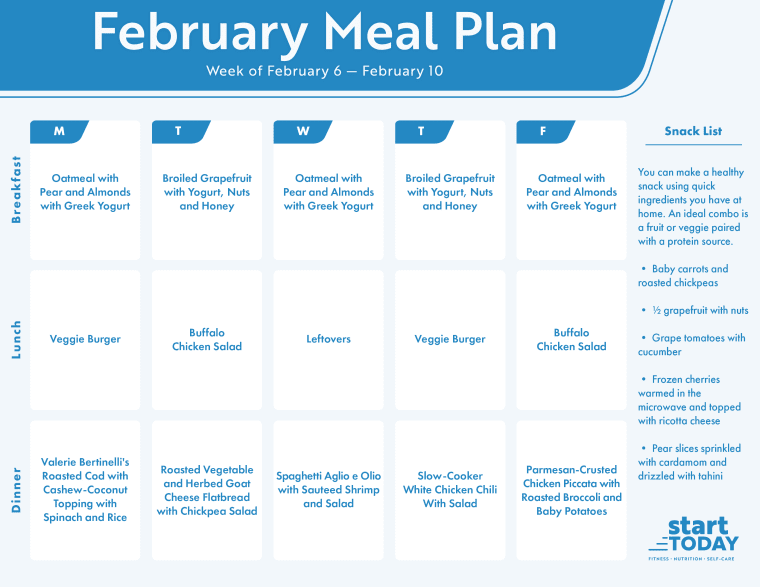
Creating balanced meals is essential for ensuring that seniors are getting the nutrients they need. When planning meals, it’s important to include a variety of food groups to ensure a diverse range of nutrients. This can include grains, fruits, vegetables, proteins, and dairy or alternatives.
It’s also important to prioritize nutrient-dense foods. These are foods that provide a high amount of nutrients relative to their calorie content. Nutrient-dense foods include things like lean proteins, whole grains, fruits, and vegetables. By including these foods in the meal plan, you can ensure that the senior is getting the most nutrition out of each calorie.
Choosing whole grains is particularly important for seniors as they provide important sources of fiber, B vitamins, and minerals. Whole grains include foods like whole wheat bread, brown rice, and oats. By incorporating these into the meal plan, you can help promote digestive health and provide sustained energy.
When selecting proteins, lean options are preferable. These can include skinless poultry, fish, beans, lentils, tofu, and lean cuts of meat. Lean proteins are low in saturated fats and provide essential amino acids necessary for the body’s functions.
Fruits and vegetables should be emphasized in the meal plan as they are rich in vitamins, minerals, and fiber. It’s recommended to include a variety of colorful fruits and vegetables to ensure a broad spectrum of nutrients. Fresh, frozen, or canned options can all be included, with a focus on minimizing added sugars or sodium in canned varieties.
To promote heart health, it’s important to limit saturated and trans fats in the meal plan. Saturated fats are commonly found in animal products such as meat and dairy, as well as certain oils like coconut oil. Trans fats are often found in processed and fried foods. By minimizing the consumption of these fats, you can help reduce the risk of heart disease and promote overall health.
Controlling sodium intake is also important for seniors, as high sodium levels can contribute to high blood pressure. When designing the meal plan, it’s important to choose low-sodium options and use herbs and spices to add flavor instead of excessive salt. Additionally, limiting processed foods, which tend to be high in sodium, can be beneficial.
Focus on Hydration
Proper hydration is essential for overall health and well-being, especially for seniors. When creating a meal plan, it’s important to emphasize the importance of drinking enough fluids. This can be achieved by offering water throughout the day and encouraging the senior to have regular sips of water.
In addition to water, it’s beneficial to include hydrating foods in the meal plan. Soups, fruits, and vegetables with high water content can help contribute to the individual’s overall fluid intake. These foods are not only hydrating but also provide important vitamins, minerals, and fiber.
Ensuring that the senior stays adequately hydrated can help support proper digestion, cognitive function, and overall health. It’s important to remind them of the importance of drinking fluids and provide options that are appealing and easily accessible.

Consider Meal Patterns and Frequency
When creating a meal plan for seniors, it’s important to consider meal patterns and frequency. Planning regular meals and snacks can help prevent excessive hunger and promote balanced nutrition throughout the day.
Some seniors may prefer smaller, more frequent meals instead of three larger meals. This can help accommodate changes in appetite, promote digestion, and prevent discomfort. By providing smaller, nutrient-dense options for snacking between meals, you can help ensure that the senior is getting adequate nutrition and energy throughout the day.
Spacing meals evenly throughout the day is also important. This helps to promote stable blood sugar levels and provide sustained energy. It can be helpful to ensure that meals are evenly spaced and consistent in terms of timing, as this can help promote regular digestion and prevent discomfort.
Consistent meal times are also beneficial for seniors. Establishing a routine can help regulate appetite and digestion. By having consistent meal times, the senior can anticipate when they will eat, which can help regulate hunger and blood sugar levels.
Account for Chewing and Swallowing Difficulties
Some seniors may have difficulties with chewing or swallowing, which can impact their ability to consume certain foods. When creating a meal plan, it’s important to take these difficulties into account and provide foods that are suitable and safe for them to eat.
Choosing soft and easily chewable foods can help ensure that the senior can comfortably consume their meals. This can include options like cooked vegetables, tender meats, and softer fruits. By focusing on these types of foods, you can help alleviate any discomfort or challenges associated with chewing.
In some cases, it may be necessary to blend or puree foods to facilitate easier swallowing. This can be done with the help of a blender or food processor and can be especially helpful for individuals with swallowing difficulties. Pureed foods can still provide a wide range of nutrients and can be made appetizing by adding herbs, spices, and seasonings.
It’s also important to consider individual food texture preferences. Some seniors may have certain food aversions or preferences for specific textures. By providing alternatives and taking these preferences into account, you can ensure that their meal plan is enjoyable and satisfying.
For seniors who have difficulty swallowing thin liquids, it may be necessary to offer thickened liquids. Thickened liquids can provide a safer alternative and help prevent choking or aspiration. There are commercially available thickening agents that can be added to beverages to achieve the desired consistency.

Make Meal Planning Enjoyable
Meal planning should not only focus on meeting nutritional needs but should also be an enjoyable experience for the senior. By involving them in decision-making, considering their food preferences and cultural background, and experimenting with new recipes and flavors, you can create a meal plan that is both nutritious and satisfying.
Allowing seniors to have input in the meal planning process can help them feel empowered and engaged. By considering their food preferences and cultural background, you can ensure that their meal plan includes foods that they enjoy and are familiar with. This can help increase the likelihood of compliance and enjoyment with the meal plan.
Experimenting with new recipes and flavors can help keep mealtime interesting and enjoyable for seniors. Trying new foods and flavors can help stimulate their senses and prevent mealtime from becoming monotonous. This can be especially beneficial for individuals who have a limited range of foods that they typically consume.
Creating a pleasant dining environment can also enhance the meal planning experience for seniors. This can involve setting a welcoming table, providing soft background music, and ensuring that the dining area is clean and comfortable. By creating a pleasant atmosphere, you can make mealtimes a positive and enjoyable experience for the senior.
Adapt Recipes and Cooking Methods
When creating a meal plan for seniors, it’s important to adapt recipes and cooking methods to meet their individual needs. This can involve modifying recipes to fit dietary restrictions or preferences, reducing added sugars and salt, limiting frying, and opting for healthier cooking methods.
Modifying recipes to meet individual needs can be done by substituting ingredients or adjusting cooking techniques. For example, if a recipe calls for an ingredient that the senior is allergic to, it can be replaced with an alternative. Additionally, recipes can be adjusted to reduce certain ingredients, such as sugar or salt, to make them more healthful.
Reducing added sugars and salt in recipes can help promote better health for seniors. High sugar intake has been linked to an increased risk of chronic diseases such as diabetes and heart disease. Similarly, excessive salt intake can contribute to high blood pressure and other health issues. By minimizing the use of these ingredients, you can help create a meal plan that is beneficial for overall health.
Limiting frying and opting for healthier cooking methods can also contribute to a more nutritious meal plan. Frying foods can increase the calorie and fat content, which can be problematic for seniors who may be at risk of weight gain or heart disease. Instead, cooking methods such as baking, steaming, grilling, or sautéing can be utilized to create flavorful and healthful meals.
Using herbs and spices for flavor instead of excessive salt is another way to adapt recipes and cooking methods for seniors. Herbs and spices can provide a wide range of flavors without adding excessive sodium. Additionally, they offer various health benefits and can provide a more enjoyable dining experience for seniors.
Ensure Food Safety
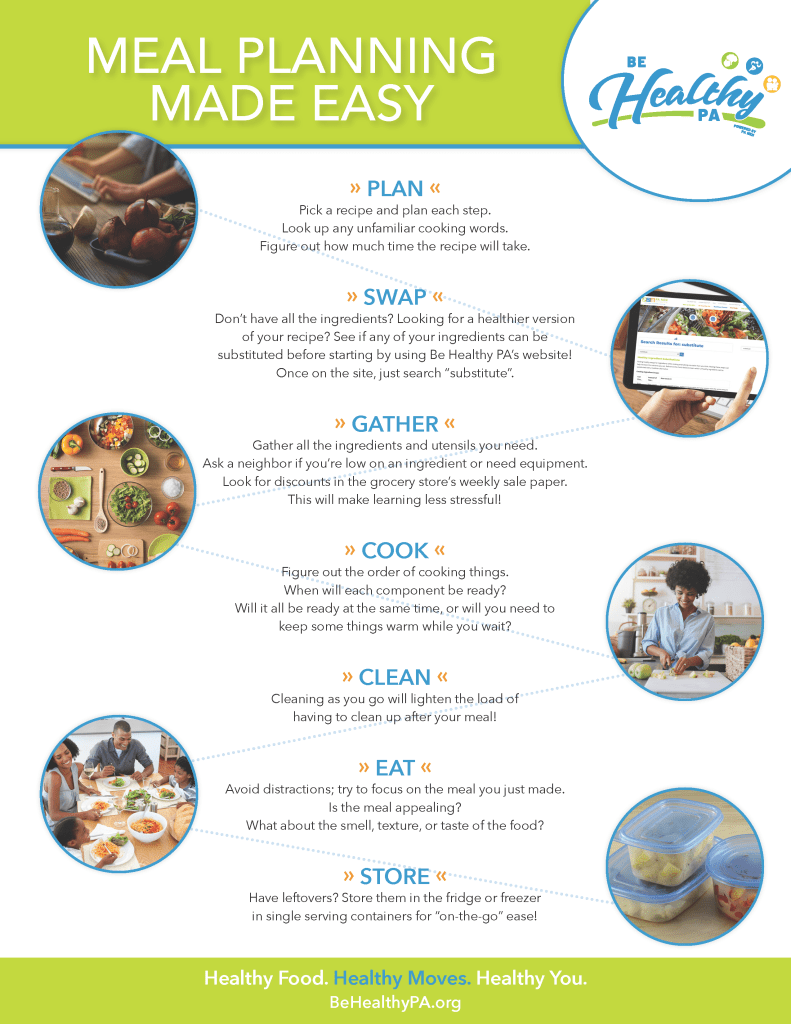
Food safety is a crucial consideration when creating a meal plan for seniors. Ensuring that proper storage and handling practices are followed, maintaining a clean kitchen and utensils, checking expiration dates, and avoiding cross-contamination are all essential steps in promoting the safety of the meals provided.
Proper storage and handling practices help prevent foodborne illnesses. It’s important to store food at appropriate temperatures and to separate raw and cooked foods to avoid cross-contamination. Following the recommended storage times for perishable items and regularly cleaning refrigerators can help prevent the growth of harmful bacteria.
Maintaining a clean kitchen, utensils, and food preparation areas is imperative for food safety. Regularly washing hands, utensils, and cutting boards can help prevent the spread of bacteria. Surfaces should be cleaned after each use, and any spills or messes should be promptly cleaned up to minimize the risk of contamination.
Checking expiration dates is essential to ensure that food is safe to consume. Expired foods may pose a higher risk of foodborne illnesses and should be discarded. It’s important to regularly check the expiration dates of items in the pantry, refrigerator, and freezer to prevent the consumption of spoiled or unsafe foods.
Cross-contamination can occur when bacteria from one food item is transferred to another. This can be prevented by properly washing utensils, cutting boards, and countertops between uses, especially when switching between raw and cooked foods. By being vigilant about cross-contamination, you can help reduce the risk of foodborne illnesses.
Monitor and Adjust
Creating a meal plan is not a one-time task but an ongoing process. It’s important to regularly assess the success of the meal plan, monitor weight and overall health, seek feedback from the senior, and make necessary modifications to meet changing needs.
Regularly assessing the success of the meal plan involves evaluating factors such as adherence, satisfaction, and nutritional adequacy. This can be done through discussions with the senior, monitoring their weight and overall health, and seeking input from healthcare professionals. By regularly assessing the meal plan, you can identify areas of improvement and make necessary adjustments.
Monitoring weight and overall health is crucial to ensure that the meal plan is meeting the individual’s nutritional needs. Regular weigh-ins and check-ups can help detect any changes or concerns. By being proactive in monitoring these factors, you can address any issues promptly and ensure that the meal plan is optimized for their well-being.
Seeking feedback from the senior is another important aspect of creating a satisfying and nutritious meal plan. Regularly checking in with the individual and asking for their input can help ensure that their preferences and needs are being met. This can foster a sense of independence and engagement, as they are actively participating in the meal planning process.
As the senior’s needs change, it’s important to make necessary modifications to the meal plan. This can include adjusting calorie intake, addressing new dietary restrictions or preferences, or accommodating changes in appetite or digestion. By regularly adapting the meal plan, you can ensure that it remains effective and supportive of their health and well-being.
In conclusion, creating a satisfying and nutritious meal plan for seniors involves assessing their nutritional needs, consulting healthcare professionals, planning balanced meals, focusing on hydration, considering meal patterns and frequency, accounting for chewing and swallowing difficulties, making meal planning enjoyable, adapting recipes and cooking methods, ensuring food safety, and regularly monitoring and adjusting the meal plan. By following these guidelines, you can create a meal plan that caters to the unique needs and preferences of seniors, promoting their health, well-being, and enjoyment of meals.