Welcome to the beginner’s guide to meditation for mindfulness and longevity! In this article, you will learn the basics of meditation practice, its benefits for your mental and physical health, and how you can incorporate it into your daily routine. By taking the time to focus on the present moment and cultivate a sense of inner peace, you can improve your overall well-being and increase your vitality for a long and fulfilling life. Get ready to embark on this journey towards self-discovery and tranquility through the practice of meditation. Have you ever wondered how meditation can benefit your life and lead to a more mindful and fulfilling existence? In this beginner’s guide to meditation, you will learn all about the practice of meditation, its benefits for mindfulness and longevity, and how you can incorporate it into your daily routine. Let’s dive in!
What is Meditation?
Meditation is a practice that involves focusing your mind on a particular object, thought, or activity to train attention and awareness, and achieve a mentally clear and emotionally calm and stable state. It has been practiced for thousands of years in various cultures and religions as a means of promoting relaxation and developing internal energy.
Let’s break it down:
Meditation is like giving your mind a break from the constant noise and chatter that fills your daily life. By taking a few minutes each day to sit quietly and focus on your breath or a mantra, you can cultivate a sense of inner peace and clarity that can have profound effects on your well-being.
Benefits of Meditation
The practice of meditation has numerous benefits for both your mind and body. From reducing stress and anxiety to improving focus and concentration, the positive effects of meditation can be felt in all aspects of your life. Let’s explore some of the key benefits of meditation for mindfulness and longevity.
Stress Reduction:
Meditation is a powerful tool for reducing stress and promoting relaxation. By quieting the mind and focusing on the present moment, you can release tension and anxiety, allowing your body to enter a state of calm and ease.
Improved Focus and Concentration:
Regular meditation practice has been shown to improve cognitive function and enhance focus and concentration. By training your mind to stay present and focused, you can increase your productivity and efficiency in daily tasks.
Emotional Well-being:
Meditation can help you cultivate a greater sense of emotional well-being by increasing self-awareness and promoting positive emotions. By connecting with your inner self and practicing self-compassion, you can develop a more positive outlook on life.
Physical Health:
In addition to its mental and emotional benefits, meditation can also have positive effects on your physical health. Studies have shown that meditation can help lower blood pressure, improve sleep quality, and boost your immune system.
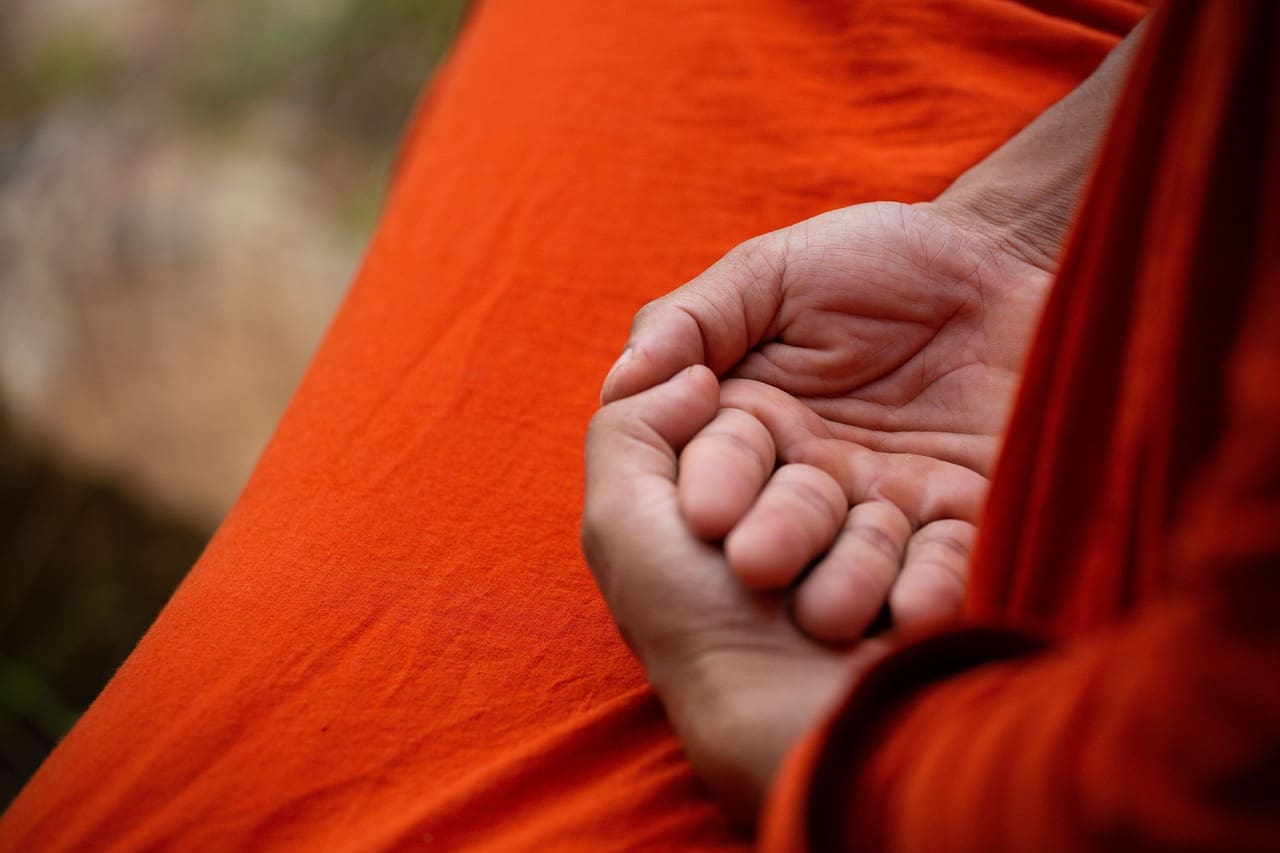
Types of Meditation
There are various types of meditation practices that you can explore to find the one that resonates most with you. From mindfulness meditation to loving-kindness meditation, each type offers unique benefits and approaches to cultivating a more peaceful and aware state of mind. Let’s take a look at some popular types of meditation.
Mindfulness Meditation:
Mindfulness meditation is a practice of staying present and aware of your thoughts, feelings, sensations, and surroundings without judgment. By focusing on the present moment and observing your thoughts as they arise, you can develop a greater sense of self-awareness and emotional resilience.
Loving-Kindness Meditation:
Loving-kindness meditation, also known as Metta meditation, is a practice of cultivating feelings of love, compassion, and goodwill towards yourself and others. By repeating affirmations and directing positive intentions towards yourself and others, you can cultivate a sense of kindness and empathy.
Transcendental Meditation:
Transcendental meditation is a form of meditation that involves silently repeating a mantra to achieve a state of relaxed awareness. By focusing on the mantra and allowing your mind to naturally settle into a state of deep relaxation, you can experience a sense of inner peace and stillness.
Guided Meditation:
Guided meditation is a form of meditation led by a teacher or recorded audio that provides instructions and prompts to help you relax and focus your mind. By following along with the guided meditation, you can deepen your practice and experience the benefits of meditation more fully.
How to Start Meditating
Now that you have an understanding of what meditation is and its benefits, let’s explore how you can start incorporating meditation into your daily routine. Whether you’re a complete beginner or have some experience with meditation, these tips will help you get started on your mindfulness journey.
Find a Quiet Space:
Choose a quiet and comfortable space where you won’t be disturbed during your meditation practice. Create a peaceful atmosphere by lighting candles, playing soft music, or using aromatherapy to enhance relaxation.
Set a Time:
Decide on a specific time for your daily meditation practice and commit to making it a priority. Whether you prefer to meditate in the morning to start your day off on the right foot or in the evening to unwind and relax, consistency is key to developing a regular practice.
Start Small:
Begin with short meditation sessions, such as 5-10 minutes, and gradually increase the duration as you become more comfortable with the practice. Remember that meditation is a skill that takes time to develop, so be patient with yourself as you explore different techniques and find what works best for you.
Focus on Your Breath:
One of the simplest and most effective meditation techniques is to focus on your breath. Close your eyes and take slow, deep breaths, inhaling through your nose and exhaling through your mouth. Notice the sensation of your breath as it enters and leaves your body, and let go of any distractions or thoughts that arise.
Embrace Imperfection:
Meditation is not about achieving a perfect state of calm or clearing your mind of all thoughts. It’s about accepting yourself as you are in the present moment and allowing whatever thoughts or feelings that arise to simply be. Embrace imperfection and let go of any expectations or judgments you may have about your meditation practice.

Tips for a Successful Meditation Practice
To make the most of your meditation practice and experience the full benefits of mindfulness and longevity, consider incorporating these tips into your daily routine. From setting intentions to practicing self-compassion, these suggestions will help you deepen your practice and cultivate a more mindful and fulfilling life.
Set Intentions:
Before beginning your meditation practice, take a moment to set an intention for your session. Whether it’s to reduce stress, increase focus, or cultivate inner peace, setting intentions can help you stay focused and present during your meditation practice.
Practice Gratitude:
Incorporate gratitude into your meditation practice by reflecting on the things in your life that you are thankful for. By expressing gratitude for the people, experiences, and blessings in your life, you can cultivate a greater sense of joy and appreciation for the present moment.
Be Consistent:
Consistency is key to developing a successful meditation practice. Make it a habit to meditate at the same time and in the same place each day to create a sense of routine and commitment to your practice. By making meditation a daily ritual, you will be more likely to stick with it and experience the full benefits of mindfulness and longevity.
Practice Self-Compassion:
Be kind and gentle with yourself as you explore the practice of meditation. Allow yourself to make mistakes, experience challenges, and grow at your own pace without judgment or self-criticism. Remember that meditation is a journey of self-discovery and personal growth, so be patient and compassionate with yourself along the way.
Seek Support:
If you’re new to meditation or feeling overwhelmed by the practice, don’t be afraid to seek support from others. Join a meditation group, attend a meditation retreat, or work with a meditation teacher to deepen your practice and receive guidance and encouragement along the way.
Conclusion
Congratulations on taking the first step towards incorporating meditation into your daily routine! By exploring the practice of meditation, you have embarked on a journey of self-discovery, mindfulness, and longevity that can have a profound impact on your well-being. Remember to be patient with yourself, embrace imperfection, and practice self-compassion as you navigate the ups and downs of meditation. With dedication, commitment, and an open heart, you can cultivate a more mindful and fulfilling life through the practice of meditation. Happy meditating!