
Are you looking to age gracefully while maintaining a strong and healthy body? Look no further than yoga. In this beginner’s guide to yoga and its benefits for aging well, you will discover how practicing yoga can enhance your physical and mental well-being as you grow older. From increased flexibility and balance to reduced stress and improved sleep, yoga offers a multitude of advantages for those seeking to maintain an active and vibrant lifestyle. Get ready to embark on a transformative journey that will nurture both your body and soul.

Different Types of Yoga
Hatha Yoga
Hatha yoga is a popular choice for beginners as it focuses on the basic postures and breathing techniques. It is a gentle and slow-paced practice that helps to build strength and flexibility. Hatha yoga is a great way to start your yoga journey and gain a foundational understanding of the practice.
Vinyasa Yoga
Vinyasa yoga is a more dynamic and flowing style of yoga where each movement is linked with the breath. It is known for its continuous and smooth transitions between poses. Vinyasa yoga is a great way to build strength, improve flexibility, and increase cardiovascular fitness.
Iyengar Yoga
Iyengar yoga is a precise and alignment-based style of yoga. Props such as blocks, straps, and bolsters are often used to assist in achieving proper alignment. This style of yoga is great for individuals who want to focus on correct positioning and need extra support while working on their practice.
Ashtanga Yoga
Ashtanga yoga is a physically demanding and structured practice that follows a specific sequence of poses. It is a vigorous and fast-paced style of yoga that focuses on strength, flexibility, and stamina. Ashtanga yoga is suitable for individuals who are looking for a challenging and disciplined practice.
Bikram Yoga
Bikram yoga, also known as hot yoga, involves practicing a set sequence of 26 poses in a heated room. The heat helps to warm up the muscles and allows for deeper stretching. Bikram yoga is a great choice for individuals who enjoy practicing in a hot and humid environment and want to improve their flexibility.
Yoga Equipment for Beginners
Yoga Mat
A yoga mat is an essential piece of equipment for any yoga practice. It provides a non-slip surface and cushioning for your hands, knees, and other parts of your body during the practice. When choosing a yoga mat, opt for one that is thick, durable, and provides good traction.
Yoga Blocks
Yoga blocks are useful props that help to modify and deepen certain poses. They provide support and stability, especially for individuals who may have limited flexibility or mobility. Yoga blocks can be used to bring the ground closer to you and make the poses more accessible.
Yoga Strap
A yoga strap is a long and flexible tool that assists in achieving proper alignment and increasing flexibility. It can be used to deepen stretches, extend reach, and provide support during challenging poses. Yoga straps are particularly beneficial for individuals with tight muscles or limited range of motion.
Yoga Bolster
A yoga bolster is a firm and supportive cushion that is typically used for restorative and gentle yoga practices. It provides comfort and relaxation by helping to release tension and promote deep relaxation. Yoga bolsters are often used during poses that require long holds or passive stretching.
Yoga Blanket
A yoga blanket is a versatile prop that can be used for support, insulation, and comfort during yoga practice. It can be folded to provide height and cushioning for seated poses, used for warmth during relaxation exercises, or placed under sensitive areas of the body for added support.
Basic Yoga Poses for Beginners
Mountain Pose (Tadasana)
Mountain pose is a foundational pose that helps to improve posture, balance, and body awareness. Stand tall with your feet together or hip-width apart, grounding through the soles of your feet. Engage your core, relax your shoulders, and lengthen your spine. This pose promotes a sense of stability and strength.
Downward Facing Dog (Adho Mukha Svanasana)
Downward facing dog is a rejuvenating pose that stretches the entire body, especially the hamstrings, shoulders, and calves. Start on your hands and knees, then lift your hips up towards the ceiling, forming an inverted V shape with your body. Press your palms into the mat and actively engage your legs and core.
Child’s Pose (Balasana)
Child’s pose is a gentle and restorative pose that promotes relaxation and releases tension in the back, shoulders, and hips. Start on your hands and knees, then sit your hips back towards your heels while lowering your forehead to the mat. Extend your arms forward or rest them alongside your body. Breathe deeply and surrender to the pose.
Warrior Pose (Virabhadrasana)
Warrior pose is a powerful standing pose that helps to build strength, stability, and confidence. Start by stepping your feet wide apart, then turn your right foot out and bend your right knee, keeping it stacked over your ankle. Extend your arms out to the sides and gaze over your right fingertips. Repeat on the other side.
Tree Pose (Vrksasana)
Tree pose is a balancing pose that enhances focus, stability, and self-awareness. Stand tall with your feet hip-width apart, then shift your weight onto your left foot. Place the sole of your right foot on your left inner thigh or calf, avoiding the knee joint. Bring your hands to your heart center or extend them overhead. Repeat on the other side.
Benefits of Yoga for Aging Well
Increased Flexibility
As we age, our muscles and joints naturally become stiffer. Regular yoga practice can help to improve flexibility and range of motion, making daily activities easier and reducing the risk of injury. Stretching in yoga helps to lengthen muscles and tendons, promoting better mobility and preventing stiffness.
Improved Balance
Maintaining good balance becomes increasingly important as we age to prevent falls and injuries. Yoga poses, such as tree pose and warrior pose, challenge your balance and help to strengthen the muscles in your feet, legs, and core. Regular practice can improve stability and coordination, reducing the risk of falls.
Enhanced Strength
Yoga poses require you to engage and strengthen various muscle groups, including your arms, legs, and core. As you age, maintaining muscle strength is crucial for overall mobility and independence. Yoga builds functional strength, allowing you to perform everyday tasks with ease and reducing the risk of age-related muscle loss.
Reduced Joint Pain
Arthritis and joint pain are common concerns for older adults. The gentle movements and stretches in yoga can help to alleviate joint pain and increase joint mobility. Yoga poses that focus on opening up the hips, shoulders, and spine can provide relief and improve overall joint health.
Improved Mental Well-being
Yoga is not only beneficial for the body but also for the mind. The combination of physical movement, breath awareness, and relaxation techniques in yoga can help to reduce stress, anxiety, and depression. Regular practice can improve sleep, boost mood, and enhance overall mental well-being.
Yoga for Stress Management
Breathing Techniques (Pranayama)
Pranayama, or yogic breathing, is an integral part of yoga practice. Various breathing techniques can help to calm the mind, reduce stress, and promote relaxation. Deep belly breathing, alternate nostril breathing, and the 4-7-8 breathing technique are examples of pranayama techniques that can be practiced to manage stress.
Meditation
Meditation is a practice of training the mind to focus and reduce mental chatter. It helps to cultivate mindfulness, clarity, and a sense of inner peace. Taking even just a few minutes each day to sit quietly and observe your thoughts can greatly reduce stress and enhance your overall well-being.
Yoga Nidra
Yoga Nidra, also known as yogic sleep, is a guided meditation technique that induces deep relaxation and promotes restorative rest. It involves lying down in a comfortable position while following verbal cues to bring awareness to different parts of the body. Yoga Nidra can be practiced for stress relief and better sleep.
Restorative Yoga
Restorative yoga is a gentle and relaxing practice that uses props to support the body in various poses. It encourages deep relaxation and activates the body’s natural relaxation response. Restorative yoga poses, such as supported child’s pose or legs up the wall, can help to release tension and calm the nervous system.
Yoga Modifications for Seniors
Chair Yoga
Chair yoga is a modified form of yoga that can be practiced while seated or using a chair for support. It is suitable for individuals with limited mobility or balance issues. Chair yoga poses focus on stretching, gentle movement, and breath awareness, making it accessible and safe for seniors.
Gentle Yoga
Gentle yoga is a slow-paced and low-impact practice that is suitable for individuals with physical limitations or health concerns. It focuses on gentle stretching, relaxation, and breath awareness. Gentle yoga is a safe and effective way for seniors to maintain flexibility, mobility, and overall well-being.
Wall Yoga
Wall yoga uses the support of a wall to assist in proper alignment and provide stability. It can be especially beneficial for seniors with balance issues or difficulty maintaining certain poses. Wall yoga poses can help to improve posture, build strength, and deepen stretches with the added support of the wall.
Modifying Poses for Comfort
Seniors can modify traditional yoga poses to make them more comfortable and accessible. For example, using props such as blocks, straps, or blankets can provide support and assistance during poses. Modifying poses can help individuals with flexibility or mobility limitations still experience the benefits of yoga without strain or discomfort.
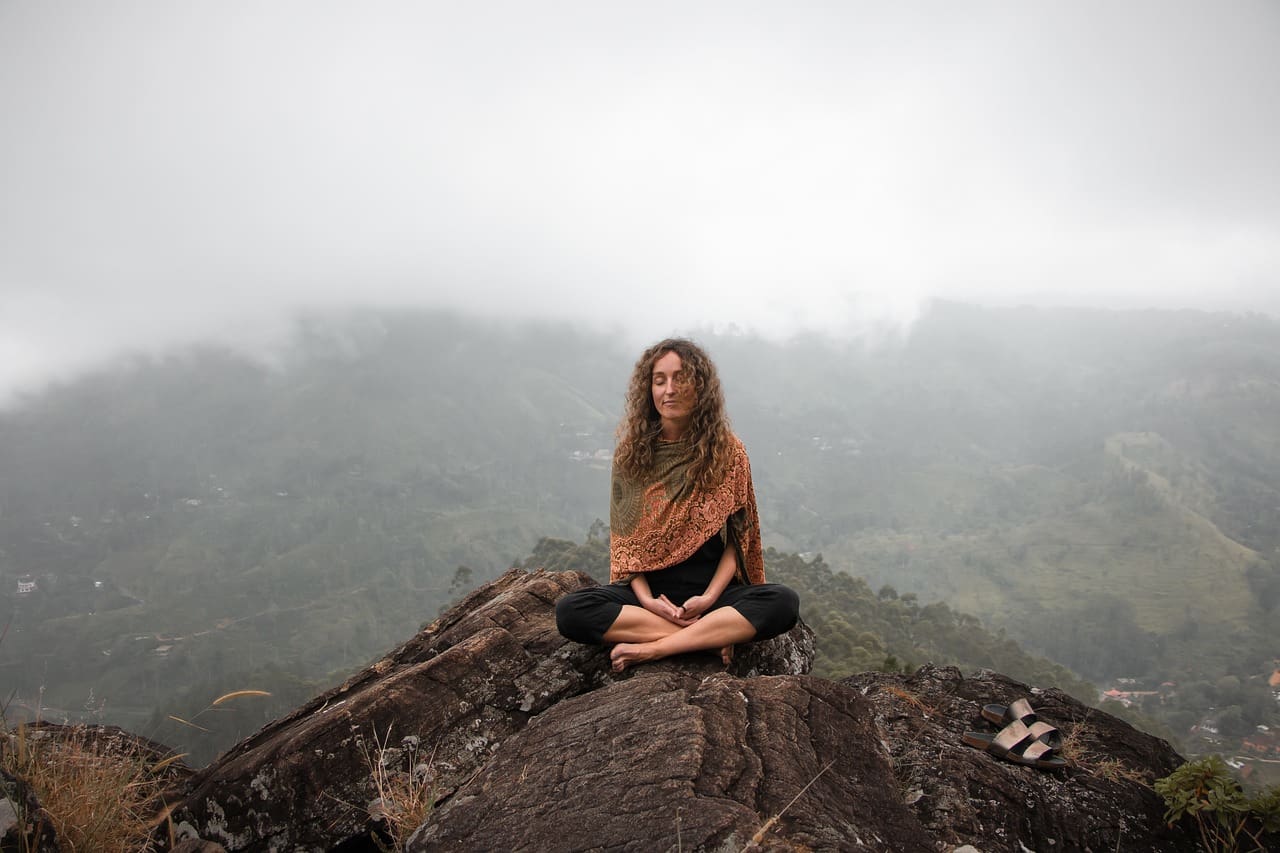
Creating a Safe Yoga Practice for Seniors
Consulting with a Healthcare Professional
Before starting a yoga practice, it is important for seniors to consult with their healthcare professionals, especially if they have preexisting medical conditions or injuries. A healthcare professional can provide guidance and ensure that yoga is safe and appropriate for their specific needs.
Listening to Your Body
Listening to your body is crucial when practicing yoga, especially as a senior. Each day is different, and it is important to respect your body’s limits and not push beyond what feels comfortable. If a pose or movement causes pain or discomfort, modify or skip it. Your body knows best, so trust its signals.
Using Props for Support
Props such as blocks, straps, blankets, and bolsters can be extremely beneficial for seniors in maintaining proper alignment and providing support during poses. Using props can help to prevent strain or injury and make the practice more accessible and enjoyable.
Avoiding Overexertion
Seniors should practice yoga at their own pace and avoid overexertion. It is important to start slowly, gradually increasing the intensity or duration of the practice. Pushing too hard or attempting advanced poses beyond your current abilities can lead to muscle strain, fatigue, or injury.
Being Mindful of Preexisting Conditions
Seniors with preexisting conditions, such as osteoporosis, arthritis, or heart disease, should be mindful of their specific needs and limitations. It may be necessary to modify certain poses or avoid certain movements altogether. It is important to prioritize safety and listen to your body’s signals.
Incorporating Yoga into Daily Routine
Choosing a Convenient Time
Incorporating yoga into your daily routine starts with choosing a convenient time to practice. Find a time that works best for you, whether it’s early in the morning, during your lunch break, or in the evening. Consistency is key, so aim to practice at the same time each day to establish a routine.
Allocating Space for Practice
Having a dedicated space for your yoga practice can help create a calm and focused environment. Find a quiet and clutter-free area in your home where you can roll out your mat and move freely. If possible, create a peaceful ambiance with soft lighting, calming music, or scented candles.
Set Realistic Goals
Setting realistic goals is important when starting a yoga practice. Start with small, achievable goals and gradually build upon them. Don’t compare yourself to others or expect immediate progress. Remember that yoga is a journey, and the benefits come with consistent practice over time.
Finding a Class or Instructor
Attending a yoga class or working with a qualified instructor can be beneficial, especially for beginners. A skilled instructor can guide you through proper alignment, offer modifications, and provide personalized guidance. If attending a physical class is not possible, consider online classes or instructional videos.
Keeping a Yoga Journal
Keeping a yoga journal can be a helpful tool for tracking your progress, monitoring your mental and physical well-being, and reflecting on your experiences with yoga. Note down your favorite poses, any challenges you encountered, and how you felt before and after each practice. Your journal can serve as a source of motivation and inspiration.
Yoga for Better Sleep
Relaxing Poses for Bedtime
Certain yoga poses can help to calm the mind and relax the body, promoting better sleep. Poses such as legs up the wall, reclined butterfly pose, and supine twist are gentle and restorative poses that can be practiced before bed. These poses help to release tension, reduce anxiety, and prepare the body for sleep.
Breathing Exercises for Sleep
Deep breathing exercises can help to activate the body’s relaxation response and prepare the mind for sleep. Practice diaphragmatic breathing, also known as belly breathing, by inhaling deeply into your abdomen and exhaling slowly. Focus on lengthening your breath and letting go of any tension or racing thoughts.
Mindfulness Meditation for Sleep
Mindfulness meditation can help to train the mind to let go of stress and focus on the present moment. Before bed, find a comfortable position, close your eyes, and bring awareness to your breath. As thoughts arise, acknowledge them without judgment and gently return your focus to your breath. This practice can ease the mind and promote restful sleep.
Yoga Resources for Beginners
Yoga Books and DVDs
There are countless yoga books and DVDs available that provide step-by-step instructions, pose breakdowns, and comprehensive guides for beginners. Look for reputable resources written or created by experienced yoga teachers. These resources can serve as valuable references and educational tools for your yoga journey.
Online Yoga Classes
Online yoga classes have become increasingly popular and offer a convenient way to practice yoga from the comfort of your home. Many platforms offer a wide range of classes for different skill levels and styles of yoga. Explore different online yoga platforms to find instructors and classes that resonate with you.
Yoga Apps
Yoga apps provide an accessible and portable way to practice yoga on the go. These apps typically offer a variety of classes, guided meditations, and customizable programs. Look for apps that have positive reviews and user-friendly interfaces to enhance your yoga practice.
Yoga Retreats
Yoga retreats offer an immersive and transformative experience for individuals looking to deepen their practice and connect with like-minded individuals. Retreats often take place in scenic locations and include daily yoga classes, workshops, and opportunities for self-reflection. Research reputable retreats and choose one that aligns with your goals and interests.
Local Yoga Studios
Local yoga studios provide a supportive and community-oriented environment for practicing yoga. Attending classes in person allows you to receive hands-on instruction, ask questions, and connect with fellow yogis. Research yoga studios in your area and choose one that offers classes suitable for beginners.
In conclusion, yoga is a versatile and accessible practice that offers numerous benefits for individuals of all ages, including seniors. Whether you are a beginner or an experienced practitioner, there are various types of yoga styles, equipment, poses, and resources available to support your yoga journey. By incorporating yoga into your daily routine, you can improve flexibility, balance, strength, and overall well-being. Remember to practice at your own pace, listen to your body, and consult with healthcare professionals when necessary. Embrace yoga as a lifelong practice and enjoy the transformative effects it can have on your physical, mental, and emotional health.