Are you tired of suffering in silence every month when your menstrual pain strikes? Look no further! In this comprehensive guide, we will walk you through the best natural remedies to relieve menstrual pain. From soothing herbal teas to gentle yoga poses, we’ve got you covered. Say goodbye to relying on painkillers and hello to a more holistic approach to menstrual pain relief. Get ready to bid farewell to those dreaded cramps and embrace a more natural and soothing journey towards a pain-free period.
Understanding Menstrual Pain
Menstrual pain, or dysmenorrhea, is a common occurrence among women during their reproductive years. It refers to the discomfort and cramping that typically accompanies menstruation. For some women, menstrual pain can be mild and manageable, while for others, it can be extremely debilitating.
Physical and Emotional Symptoms
Menstrual pain is often accompanied by a range of physical and emotional symptoms. These can include abdominal cramps, lower back pain, bloating, fatigue, headaches, mood swings, and irritability. Understanding and recognizing these symptoms is important for finding effective relief strategies.
Common Causes of Menstrual Pain
There are several common causes of menstrual pain. One of the primary causes is the release of prostaglandins, hormone-like substances that trigger contractions in the uterus and can lead to cramping. Other contributing factors may include hormonal imbalances, pelvic inflammatory disease, endometriosis, and uterine fibroids. It is essential to identify the underlying cause of menstrual pain to effectively manage and alleviate the discomfort.
Dietary Changes for Pain Relief
A balanced diet plays a crucial role in maintaining overall health and well-being, and it can also have a significant impact on menstrual pain relief. Making certain dietary changes can help minimize discomfort and improve your overall menstrual experience.
Importance of a Balanced Diet
Ensuring that you have a balanced diet is key to managing menstrual pain. Consuming a variety of fresh fruits, vegetables, whole grains, lean proteins, and healthy fats can help regulate hormones, reduce inflammation, and promote optimal functioning of the reproductive system.
Foods to Avoid During Menstruation
When experiencing menstrual pain, it is advisable to avoid certain foods that can exacerbate symptoms. These include processed foods high in sodium, sugary snacks, refined carbohydrates, and caffeine. These foods can cause water retention, bloating, and inflammation, making menstrual pain worse.
Foods to Include for Pain Relief
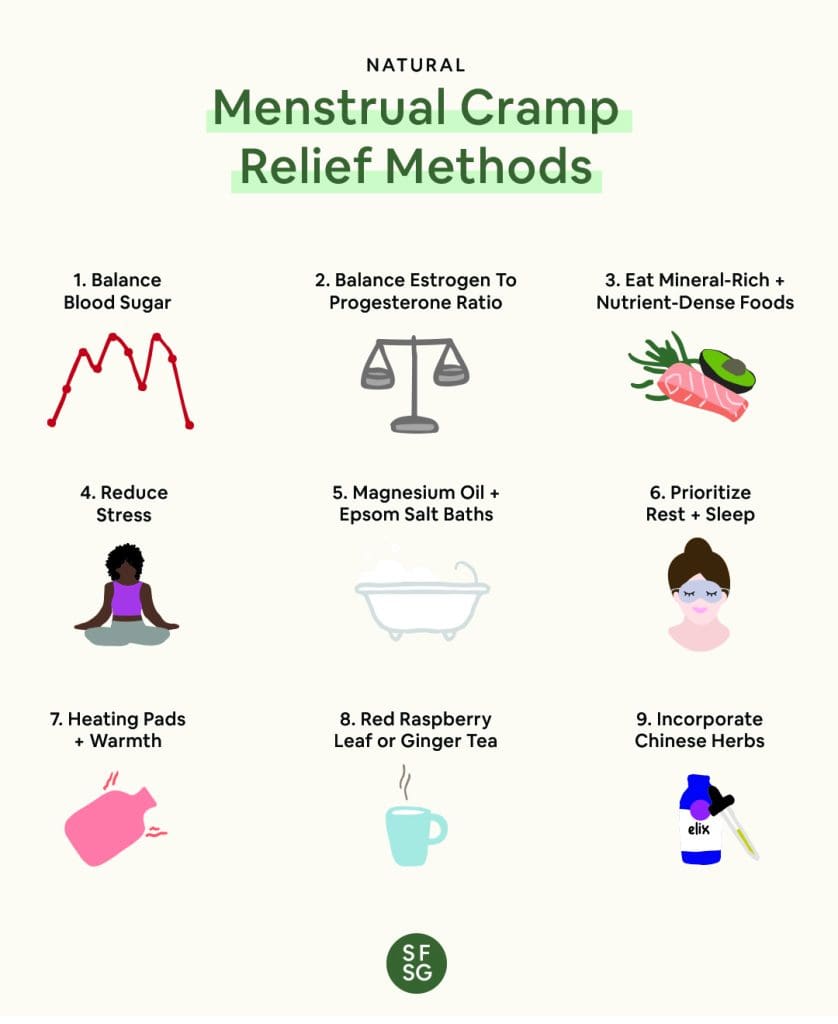
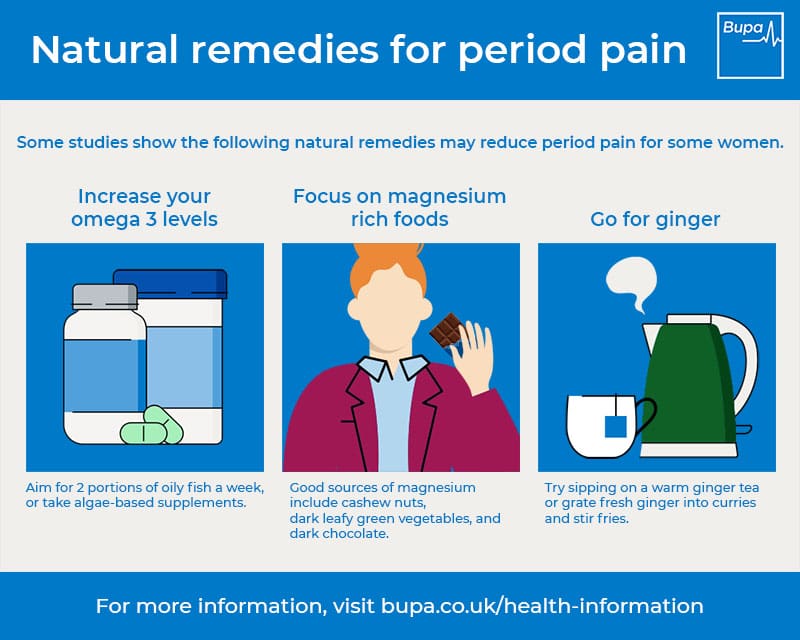
On the other hand, incorporating certain foods into your diet can help alleviate menstrual pain. Foods rich in magnesium, such as leafy green vegetables, nuts, and seeds, can help relax muscles and reduce cramping. Including omega-3 fatty acids from sources like fatty fish, flaxseeds, and chia seeds can help reduce inflammation. Additionally, consuming foods high in vitamin E, such as avocados and almonds, can provide relief by promoting healthy blood flow.
Exercise and Physical Activity
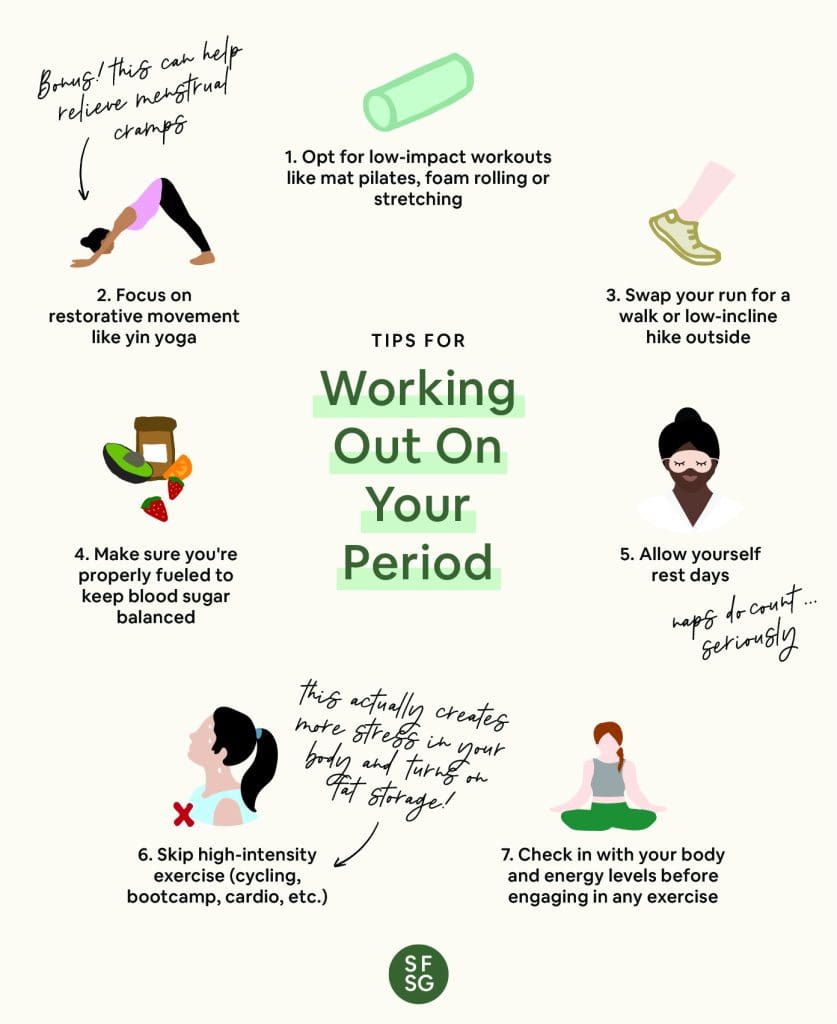
While the idea of physical activity during menstruation may seem daunting, engaging in regular exercise can actually help reduce menstrual pain. Exercise releases endorphins, the body’s natural pain relievers, and can improve mood and overall well-being.
Benefits of Exercise During Menstruation
Engaging in physical activity during menstruation has numerous benefits. Exercise can increase blood flow and circulation, which helps alleviate cramps and reduce bloating. It can also improve your mood by boosting serotonin levels and decreasing stress levels, making your menstrual experience more manageable.
Recommended Exercises for Pain Relief
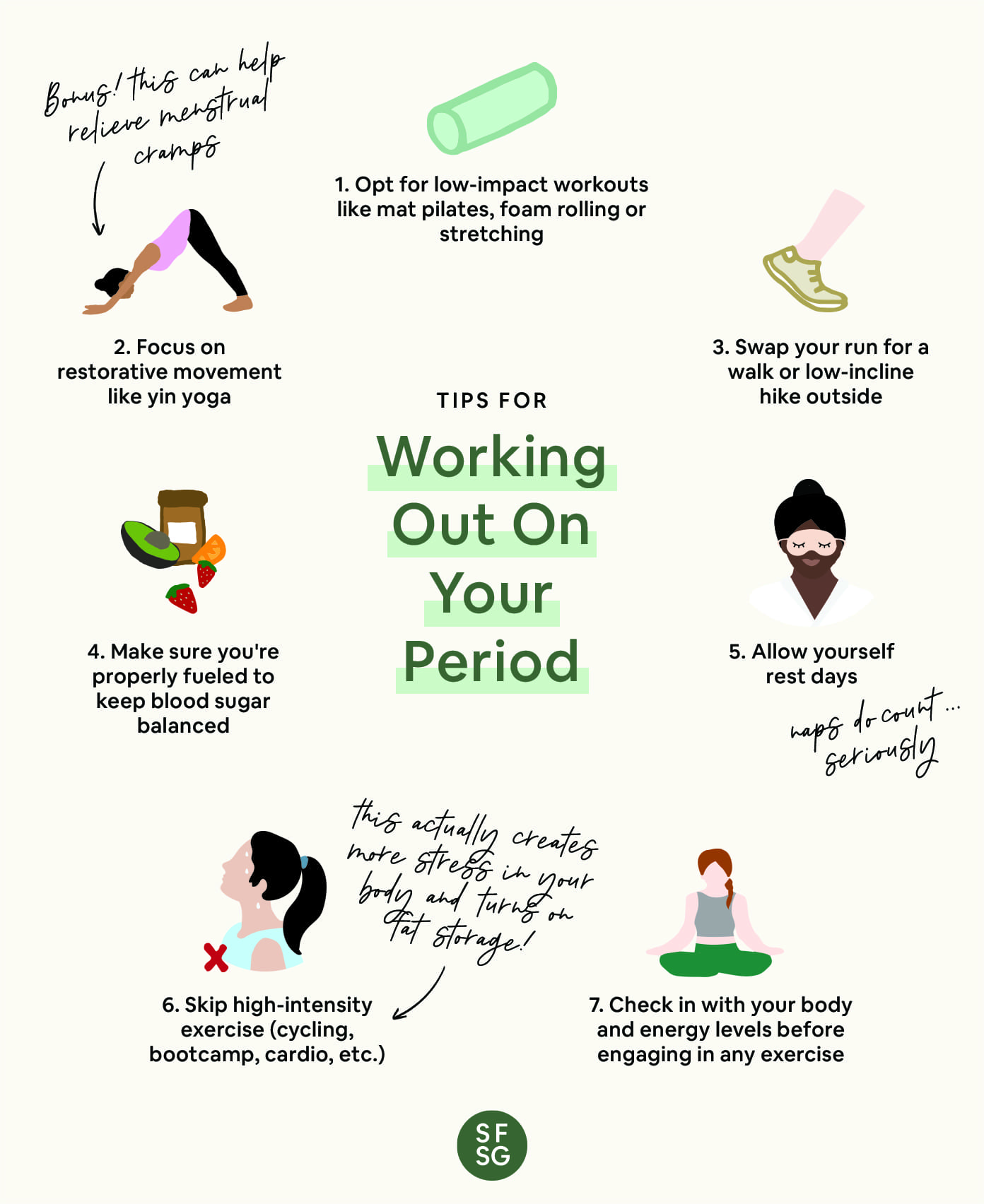
Certain exercises are particularly effective in relieving menstrual pain. Low-impact exercises such as walking, swimming, and cycling can be gentle on the body while still providing relief. Stretching exercises, such as yoga or Pilates, can also help relax muscles and reduce tension in the pelvic area.
Yoga and Stretching Exercises
Yoga and stretching exercises can be particularly beneficial for menstrual pain relief. Specific poses, such as the Child’s Pose, Cat-Cow Pose, and Pigeon Pose, can help stretch and relax the muscles in the lower back and abdomen, providing relief from cramping and discomfort. Incorporating a regular yoga practice into your menstrual routine can have long-term benefits for managing pain.
Heat Therapy for Pain Relief
Heat therapy is a simple and effective method for alleviating menstrual pain. Applying heat to the lower abdomen and back can help relax muscles, relieve cramping, and increase blood flow to the area.
Using Hot Packs or Heating Pads
One common method of heat therapy is using hot packs or heating pads. These can be applied directly to the lower abdomen or lower back area for 15-20 minutes at a time. The warmth provides comfort and helps ease muscle tension, providing relief from menstrual pain.
Hot Water Baths for Relaxation
Taking a hot water bath is another excellent way to incorporate heat therapy into your pain relief routine. Soaking in a warm bath can relax the body, reduce cramping, and promote overall relaxation. Adding a few drops of essential oils, such as lavender or chamomile, can further enhance the soothing effects.
Benefits of Heat Therapy
Heat therapy works by increasing blood flow and improving circulation to the affected area. This helps relax muscles, reduce pain, and alleviate cramping. Heat therapy is a natural and drug-free method for managing menstrual pain, making it a valuable tool to consider.
Herbal Remedies and Teas
Herbal remedies and teas have been used for centuries to alleviate menstrual pain. Many herbs possess anti-inflammatory, analgesic, and muscle-relaxing properties that can provide relief and promote overall well-being during menstruation.
Popular Herbs for Menstrual Pain Relief
Several herbs have been traditionally used for their menstrual pain-relieving properties. Chamomile is known for its calming and anti-inflammatory effects, while ginger can help reduce uterine contractions and ease digestive discomfort. Raspberry leaf has been used to tone the uterus and reduce cramping, and cramp bark is well-regarded for its antispasmodic properties.
DIY Herbal Remedies
Creating your own herbal remedies can be a cost-effective and empowering approach to managing menstrual pain. Herbal teas made from ingredients like chamomile, ginger, raspberry leaf, and cramp bark can be easily prepared at home. These teas can be enjoyed throughout the day to provide relief and relaxation.
Relaxing Teas for Pain Relief
In addition to herbal teas, several relaxing teas can help alleviate menstrual pain. Peppermint and spearmint teas can help soothe nausea and ease stomach discomfort. Green tea and chamomile tea can promote relaxation and ease tension. Incorporating these teas into your routine can have both physical and emotional benefits.
Essential Oils for Menstrual Pain Relief
Essential oils have gained popularity for their therapeutic properties, and they can also be used as a natural remedy for menstrual pain relief. Certain essential oils possess analgesic, anti-inflammatory, and muscle-relaxing properties that can help alleviate discomfort and promote relaxation.
Effective Essential Oils for Pain Relief
Several essential oils have been found to be effective in managing menstrual pain. Lavender oil is known for its calming and pain-relieving properties. Clary sage oil can help regulate hormonal balance and reduce cramping. Rosemary oil has analgesic and anti-inflammatory effects, making it beneficial for menstrual pain relief.
Methods of Application
To use essential oils for menstrual pain relief, they can be applied topically or inhaled. Diluting a few drops of essential oil with a carrier oil, such as coconut oil, and massaging the mixture onto the lower abdomen can provide targeted relief. Diffusing essential oils in a diffuser or inhaling them directly from the bottle can also evoke relaxation and alleviate pain.
Precautions to Consider
While essential oils can be effective, it is essential to consider certain precautions when using them. Always dilute essential oils before topical application to avoid skin irritation. Additionally, certain essential oils may not be suitable for everyone or may interact with certain medications. It is recommended to consult a healthcare professional or aromatherapist before using essential oils for menstrual pain relief.
Acupressure and Reflexology
Acupressure and reflexology techniques can be used to target specific pressure points and zones in the body, providing relief from menstrual pain. These techniques involve applying pressure to specific points or areas, stimulating the body’s natural healing response.
Pressure Points for Menstrual Pain Relief
There are several pressure points that can be targeted to relieve menstrual pain. The Spleen 6 point, located above the ankle on the inside of the leg, can help alleviate cramps and reduce bloating. The Lower Abdomen point, located two finger-widths below the belly button, can provide relief from abdominal pain. The Lower Back point, found in the crease where the buttocks meet the lower back, can help reduce lower back discomfort.
Self-Massage Techniques
Self-massage techniques can also be used to alleviate menstrual pain. Gently massaging the lower abdomen in circular motions can help increase blood flow and relax the muscles. Applying gentle pressure to the Lower Back point and the Spleen 6 point can also provide relief. These self-massage techniques can be easily performed at home and are a convenient way to manage menstrual pain.
Reflexology Techniques
Reflexology techniques involve applying pressure to specific reflex points on the feet, hands, and ears. While there are no specific reflexology points directly related to menstrual pain, targeting general relaxation reflex points, such as the solar plexus or adrenal reflex points, can have overall calming effects and help reduce pain.
Natural Supplements for Menstrual Pain Relief
In addition to lifestyle changes and natural remedies, certain supplements can provide additional support for managing menstrual pain. These supplements include magnesium, omega-3 fatty acids, and vitamin E, all of which play vital roles in regulating hormones and reducing inflammation.
Options like Magnesium, Omega-3 Fatty Acids, and Vitamin E
Magnesium is known to help relax muscles and reduce cramping. Taking magnesium supplements can provide relief from menstrual pain. Omega-3 fatty acids, commonly found in fish oil supplements, have anti-inflammatory properties and can help alleviate pain and inflammation. Vitamin E has been found to reduce the severity and duration of menstrual pain and can be taken as a supplement or incorporated into the diet through foods like nuts and seeds.
Recommended Dosage and Precautions
When considering natural supplements for menstrual pain relief, it is important to follow recommended dosage guidelines. There is no one-size-fits-all dosage for these supplements, and it is advisable to consult with a healthcare professional to determine the appropriate dosage for your specific needs. It is also important to consider any potential interactions with medications or existing health conditions.
Consulting with a Healthcare Professional
Before starting any new supplement regimen, it is always best to consult with a healthcare professional. They can provide personalized advice and ensure that the supplements are safe and appropriate for your individual circumstances. A healthcare professional can also help monitor your progress and make any necessary adjustments along the way.
Stress Management Techniques
Stress can significantly impact menstrual pain and discomfort. Learning effective stress management techniques can enhance overall well-being and minimize the severity of menstrual symptoms.
Effects of Stress on Menstrual Pain
Stress can exacerbate menstrual pain by increasing muscle tension, disrupting hormonal balance, and lowering pain tolerance. It is crucial to identify and manage stress during the menstrual cycle to help alleviate pain and promote overall wellness.
Relaxation Techniques like Meditation and Deep Breathing
Relaxation techniques such as meditation and deep breathing can be effective tools for managing stress during menstruation. Meditation involves focusing the mind and calming racing thoughts, which can help reduce stress and promote relaxation. Deep breathing exercises, such as diaphragmatic breathing, can activate the body’s relaxation response and provide relief from tension and anxiety.
Tips for Managing Stress During Menstruation
In addition to meditation and deep breathing, there are several other strategies to manage stress during menstruation. Engaging in activities that promote relaxation, such as taking a bath, practicing yoga, or listening to calming music, can have a positive impact on stress levels. Prioritizing self-care and getting enough rest and sleep are also essential for managing stress during this time.
Alternative Therapies for Menstrual Pain Relief
In addition to the aforementioned natural remedies, various alternative therapies can be explored for menstrual pain relief. These therapies, such as chiropractic care, acupuncture, homeopathy, and naturopathy, aim to support the body’s natural healing processes and provide relief from menstrual pain.
Chiropractic Care and Acupuncture
Chiropractic care and acupuncture are two alternative therapies that focus on aligning the body’s energy and restoring balance. Chiropractic adjustments can help alleviate pain and tension by correcting any misalignments in the spine. Acupuncture involves the insertion of small needles into specific points on the body to stimulate the body’s natural healing response.
Homeopathy and Naturopathy
Homeopathy and naturopathy are holistic approaches to healthcare that aim to support the body’s innate ability to heal itself. Homeopathic remedies use highly diluted substances to stimulate the body’s healing response. Naturopathy focuses on using natural therapies, such as herbal medicine, nutrition, and lifestyle changes, to address the root causes of health conditions.
Exploring Different Options
Every individual is unique, and what works for one person may not work for another. It is important to explore different alternative therapies and find what works best for your specific needs. Consulting with experienced practitioners in these fields can provide valuable insights and guide you towards the most appropriate treatment options.
In conclusion, menstrual pain is a common occurrence that affects many women. By understanding the physical and emotional symptoms, identifying common causes, and implementing natural remedies and lifestyle changes, it is possible to find relief from menstrual pain. From dietary changes and exercise to heat therapy, herbal remedies, and stress management techniques, there are numerous options to consider. Exploring different methods and consulting with healthcare professionals can help tailor an individualized approach to menstrual pain relief. Remember, prioritizing self-care and seeking support are essential components of managing menstrual pain and promoting overall well-being.