
Welcome to the beginner’s guide to preventing hair loss in women! In this article, you will find easy and effective tips to help maintain a healthy scalp and prevent hair loss. From adopting a proper hair care routine to incorporating essential vitamins and nutrients into your diet, you will learn practical steps to promote hair growth and maintain a fuller, healthier mane. Let’s start your journey to healthier hair today! Have you been noticing more hair shedding in your shower drain or on your pillow? It can be alarming and stressful to see your hair thinning, but rest assured, there are steps you can take to prevent further hair loss. In this beginner’s guide, we will explore various causes of hair loss in women and provide practical tips on how to prevent it.
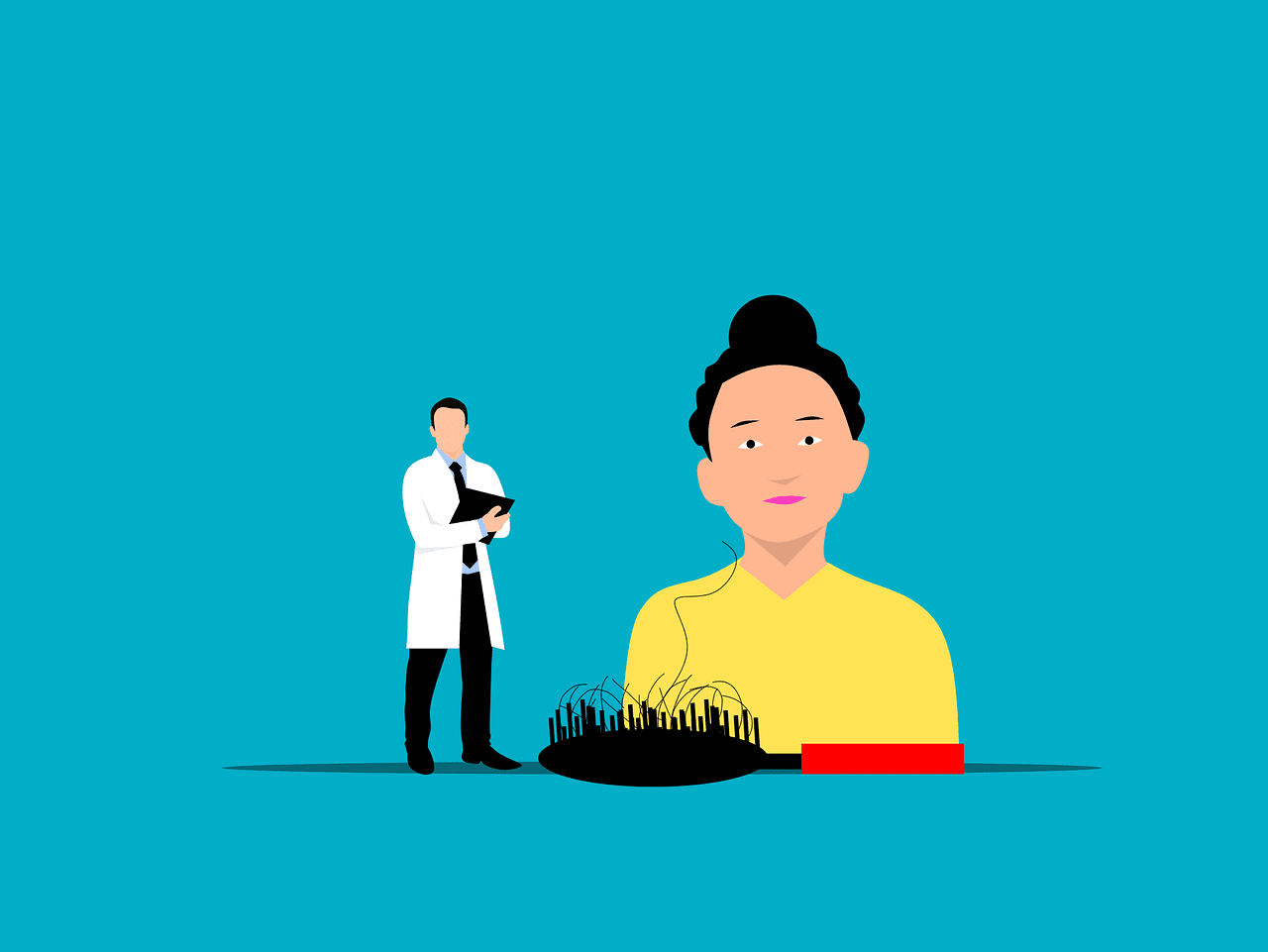
Understanding Hair Loss in Women
Hair loss in women can be caused by a variety of factors, including genetics, hormonal imbalances, stress, poor nutrition, and underlying health conditions. It is normal to shed between 50-100 hairs per day, but if you are experiencing more significant hair loss, it is essential to understand the underlying causes.
Genetics
If you have a family history of hair loss, you may be more predisposed to experiencing it yourself. Female pattern baldness, also known as androgenetic alopecia, is the most common type of hair loss in women caused by genetics. This condition typically results in thinning hair on the crown and frontal scalp.
Hormonal Imbalances
Fluctuations in hormones, such as during pregnancy, menopause, or thyroid disorders, can contribute to hair loss in women. Hormonal imbalances can disrupt the hair growth cycle, leading to increased shedding and thinning of the hair.
Stress
Chronic stress can wreak havoc on your body, including your hair. Stress can lead to inflammation, hormonal imbalances, and nutrient deficiencies, all of which can contribute to hair loss. Finding ways to manage stress, such as meditation, exercise, or therapy, can help prevent hair loss.
Poor Nutrition
A diet lacking in essential nutrients, such as vitamins, minerals, and protein, can impact the health of your hair. Nutrients like biotin, zinc, iron, and omega-3 fatty acids are crucial for healthy hair growth. Eating a balanced diet rich in fruits, vegetables, lean proteins, and whole grains can help support hair health.
Underlying Health Conditions
Certain medical conditions, such as autoimmune diseases, alopecia areata, and polycystic ovary syndrome (PCOS), can cause hair loss in women. It is essential to consult with a healthcare provider to rule out any underlying health issues that may be contributing to your hair loss.

Tips for Preventing Hair Loss
Now that you have a better understanding of the potential causes of hair loss in women, let’s explore some practical tips to prevent further hair shedding and promote healthy hair growth.
Maintain a Healthy Scalp
A healthy scalp is essential for optimal hair growth. Regularly washing your hair with a gentle shampoo and conditioner can help keep your scalp clean and free of excess oil and debris. Avoid using hot water and harsh chemicals that can strip your scalp of its natural oils.
Avoid Tight Hairstyles
Pulling your hair back into tight hairstyles, such as ponytails, braids, or buns, can put unnecessary strain on your hair follicles, leading to breakage and hair loss. Opt for looser styles that do not pull on your hair follicles.
Use Gentle Hair Care Products
Choose hair care products that are gentle and suitable for your hair type. Avoid products containing harsh chemicals, such as sulfates, parabens, and alcohol, which can strip your hair of its natural oils and cause damage. Look for products formulated specifically for thinning or damaged hair.
Massage Your Scalp Regularly
Scalp massage can help stimulate blood flow to the hair follicles, promoting hair growth. Use your fingertips to gently massage your scalp in circular motions for a few minutes each day. You can also use a scalp massager or a brush designed for scalp stimulation.
Eat a Balanced Diet
A healthy diet rich in vitamins, minerals, and protein is crucial for maintaining healthy hair. Incorporate foods high in biotin, zinc, iron, and omega-3 fatty acids, such as eggs, nuts, seeds, fatty fish, and leafy greens, into your meals. Consider taking a multivitamin or a supplement specifically designed for hair health.
Stay Hydrated
Drinking an adequate amount of water is essential for overall health, including the health of your hair. Dehydration can lead to dry, brittle hair that is more prone to breakage and shedding. Aim to drink at least eight glasses of water per day to keep your hair hydrated and healthy.
Protect Your Hair from Heat Damage
Excessive heat styling, such as blow-drying, straightening, or curling your hair, can damage the hair shaft and lead to breakage and hair loss. Use heat protection products before styling your hair and opt for heat-free styling methods whenever possible. Allow your hair to air dry naturally or use a low heat setting on your styling tools.
Manage Stress
Finding healthy ways to manage stress is crucial for preventing hair loss. Practice relaxation techniques, such as meditation, yoga, or deep breathing exercises, to reduce stress levels. Physical exercise, journaling, and spending time in nature can also help alleviate stress and promote overall well-being.
Get Adequate Sleep
Quality sleep is essential for overall health and well-being, including healthy hair growth. Aim for seven to nine hours of restful sleep each night to allow your body to repair and regenerate. Create a relaxing bedtime routine, such as reading a book, taking a warm bath, or practicing mindfulness, to improve the quality of your sleep.
Consult with a Healthcare Provider
If you are experiencing significant hair loss or thinning, it is essential to consult with a healthcare provider, such as a dermatologist or trichologist, to determine the underlying cause. They can assess your scalp and hair health, conduct any necessary tests, and provide personalized recommendations for treatment and prevention.

Conclusion
Hair loss in women can be distressing, but it is essential to remember that you are not alone. By understanding the potential causes of hair loss and implementing practical tips for prevention, you can take control of your hair health and promote healthy hair growth. Remember to be patient and consistent with your hair care routine, as it may take time to see results. With dedication and perseverance, you can prevent further hair loss and achieve luscious, vibrant hair.