
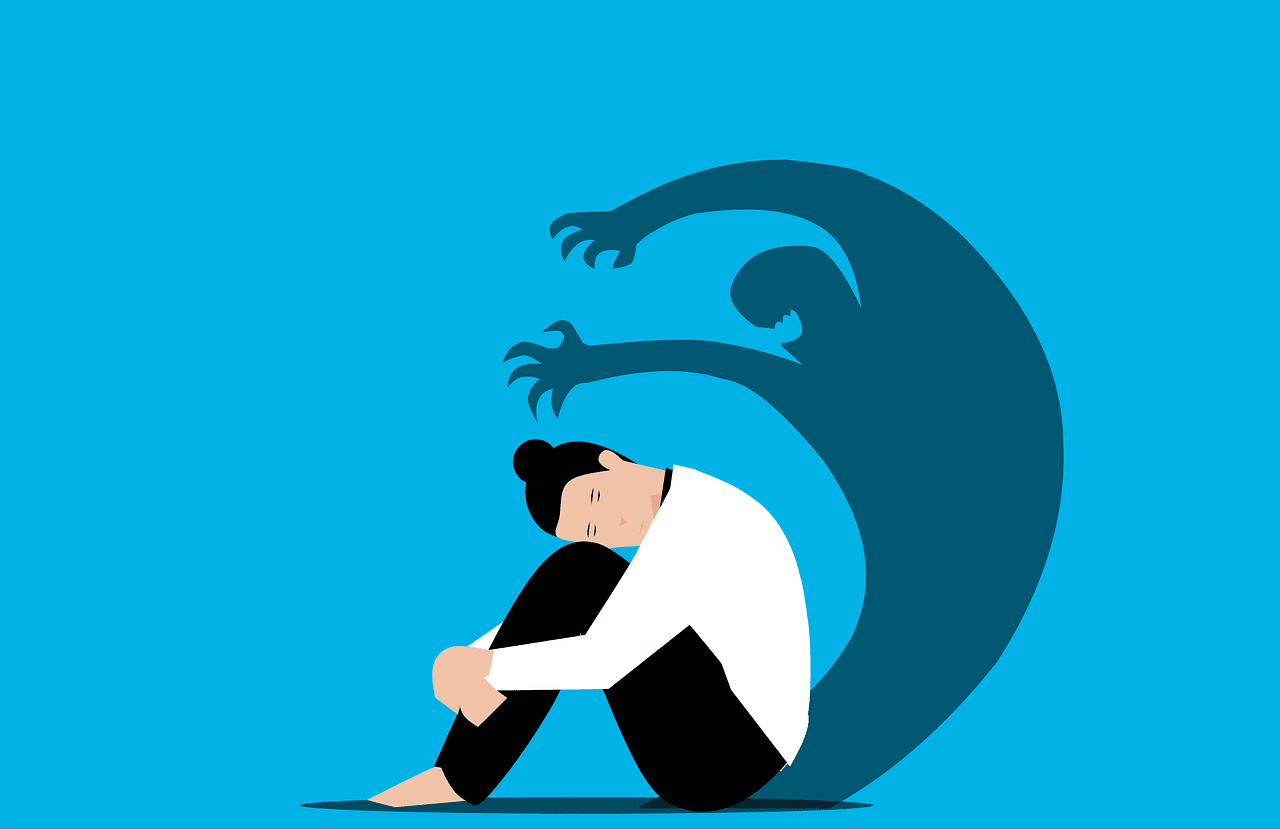
Are you concerned about the mental well-being of your child? Look no further! This article serves as a comprehensive beginner’s guide to preventive mental health for children. It provides valuable insights and strategies to help you navigate the challenges and uncertainties that may arise. From fostering emotional resilience to establishing healthy habits, this guide is designed to empower you with the tools and knowledge needed to promote a positive mental outlook in your child. So let’s embark on this journey together and create a nurturing environment that sets the foundation for your child’s long-term mental well-being.
Understanding Preventive Mental Health
What is preventive mental health?
Preventive mental health refers to the proactive measures taken to promote the overall well-being and psychological wellness of children before any mental health issues arise. It emphasizes early intervention and encourages the development of skills and strategies that help children navigate life’s challenges in a healthy and resilient manner.
Why is it important for children?
Preventive mental health is crucial for children because it lays the foundation for their future mental well-being. By addressing mental health concerns early on, we can reduce the risk of long-term and more severe mental health issues. It also equips children with the necessary tools to cope with stress, navigate emotions, build strong relationships, and achieve success in various areas of life.
Benefits of preventive mental health for children
The benefits of preventive mental health for children are numerous. It helps promote positive self-esteem and self-worth, enhances their emotional intelligence, facilitates the development of healthy coping mechanisms, reduces stress and anxiety, and fosters a supportive and nurturing environment. By investing in preventive mental health, we contribute to the overall resilience, happiness, and success of our children.
Signs and Symptoms of Mental Health Issues
Common signs of mental health issues in children
It is essential to be able to recognize common signs of mental health issues in children. Some of these signs include persistent and unexplained changes in behavior, such as sudden withdrawal or aggression, intense mood swings, excessive worries or fears, difficulty concentrating, changes in sleep patterns or appetite, and a decline in academic performance or social interactions. It is crucial to note that these signs may vary depending on the child’s age and individual circumstances.
How to recognize early signs and symptoms
Early recognition of mental health issues is crucial for timely intervention and support. As a parent or caregiver, you can stay vigilant by maintaining open lines of communication with your child, observing changes in their behavior, mood, or academic performance, and seeking professional advice if you have any concerns. Regular check-ins and attentive listening can help you identify any early signs or symptoms that may require further investigation or support.
The role of parents and caregivers in identifying problems
Parents and caregivers play a vital role in identifying mental health problems in children. By establishing a strong and trusting relationship with your child, you create an environment where they feel comfortable sharing their thoughts and feelings. Actively listening to your child, providing reassurance, and being observant of any changes in their behavior or emotional well-being can help you identify potential problems. Engaging in open and non-judgmental conversations can also encourage your child to express their emotions and seek support when needed.
Building a Supportive Environment
Creating a safe and nurturing home environment
Creating a safe and nurturing home environment is essential for promoting positive mental health in children. This involves setting clear boundaries, providing a stable and secure living space, and creating a sense of belonging and acceptance. Encouraging open communication, active listening, and empathy can help children feel safe and supported within their home environment.
Promoting open communication and emotional expression
Promoting open communication and emotional expression is essential for children to develop a healthy relationship with their emotions. Encourage your child to express their feelings openly and provide a non-judgmental space for them to do so. By validating their emotions and actively listening, you can help them navigate their feelings in a positive and constructive way.
Encouraging healthy relationships and social interactions
Healthy relationships and social interactions are crucial for a child’s mental well-being. Encourage your child to develop and maintain positive relationships with family members, friends, and peers. Facilitate opportunities for social interactions through playdates, team sports, or community activities. By cultivating healthy relationships, your child can experience a sense of connection, support, and belonging.
Teaching Emotional Intelligence
Overview of emotional intelligence
Emotional intelligence refers to the ability to recognize, understand, and manage one’s own emotions and the emotions of others. It involves skills such as self-awareness, self-regulation, empathy, and effective communication. Teaching children emotional intelligence helps them develop a deeper understanding of themselves and others, enhance their relationships, and effectively navigate the ups and downs of life.
Teaching children to recognize and manage their emotions
One of the fundamental aspects of emotional intelligence is the ability to recognize and manage one’s own emotions. Encourage your child to identify and label their feelings, offering support and guidance to help them understand and express their emotions appropriately. Provide them with strategies such as deep breathing exercises, journaling, or engaging in calming activities, so they can effectively manage their emotions when they become overwhelming.
Strategies for fostering emotional intelligence
Fostering emotional intelligence in children can be facilitated through various strategies. Encourage problem-solving and decision-making skills, teach conflict resolution, and promote empathy and understanding of others. Model healthy emotional expression and regulation yourself, as children often learn through observation. By incorporating these strategies into everyday life, you can help your child develop a strong foundation of emotional intelligence.

Developing Coping Mechanisms
The importance of teaching coping skills
Teaching children appropriate coping skills is essential for their mental well-being. Coping skills provide children with effective ways to manage stress, navigate difficult emotions, and handle challenging situations. By acquiring these skills early on, children are better equipped to face life’s challenges and develop resilience.
Identifying age-appropriate coping mechanisms
Different coping mechanisms may be more suitable for children of different ages. For younger children, simple strategies like breathing exercises, drawing, or engaging in physical activities can be effective. Older children may benefit from techniques such as problem-solving, journaling, or engaging in hobbies they enjoy. It’s important to tailor coping mechanisms to each child’s developmental stage and individual preferences.
Helping children build resilience
Resilience is a key attribute that empowers children to bounce back from adversity and develop a strong mental fortitude. Encourage your child to view challenges as opportunities for growth and learning. Foster a growth mindset by emphasizing effort, perseverance, and problem-solving. Providing a supportive and nurturing environment, celebrating achievements, and validating their experiences can all contribute to building resilience in children.
Promoting Healthy Habits
The role of nutrition and physical activity in mental health
Nutrition and physical activity play a crucial role in promoting overall mental health in children. A balanced diet rich in nutrients supports brain development and improves mood regulation. Regular physical activity releases endorphins, the body’s natural mood boosters, and helps reduce stress and anxiety. By prioritizing healthy eating habits and encouraging regular exercise, you can positively impact your child’s mental well-being.
Establishing a balanced routine
Establishing a balanced routine provides children with a sense of structure and stability, fostering a positive environment for mental health. Ensure your child has sufficient time for schoolwork, physical activity, relaxation, and socializing. Consistent sleep patterns and regular mealtimes can also contribute to a well-rounded routine that supports mental well-being.
Encouraging adequate sleep and rest
Adequate sleep and rest are vital for children’s mental health. Lack of sleep can contribute to increased irritability, difficulties with concentration, and heightened stress levels. Encourage consistent bedtimes and create a peaceful sleep environment that promotes relaxation. Limiting screen time before bed and establishing calming bedtime rituals can also help ensure your child gets the quality sleep they need.

Reducing Stress and Anxiety
Identifying sources of stress and anxiety in children
It is crucial to identify the sources of stress and anxiety in children to address them effectively. Common sources of stress and anxiety in children include academic pressures, social conflicts, family challenges, or major life transitions. By identifying these sources, you can provide the necessary support and develop strategies to help your child manage and alleviate their stress.
Supporting children in managing stress
Supporting children in managing stress involves creating a safe space for them to express their feelings and concerns. Encourage your child to engage in stress-relieving activities such as art, music, or physical exercise. Teach relaxation techniques like deep breathing, mindfulness, or guided imagery. Additionally, provide reassurance and validate their emotions, helping them build resilience and cope with stress in healthy ways.
Techniques for relaxation and mindfulness
Relaxation and mindfulness techniques can be instrumental in reducing stress and anxiety in children. Deep breathing exercises, progressive muscle relaxation, and guided imagery can help calm their nervous system and promote relaxation. Mindfulness practices like mindful breathing, body scans, or observing thoughts and emotions without judgment can enhance self-awareness and reduce anxiety levels. By incorporating these techniques into your child’s daily routine, you can support their mental well-being.
Fostering Positive Self-esteem
The impact of self-esteem on mental health
Positive self-esteem is crucial for a child’s mental health and well-being. When children have a positive self-image and a healthy sense of self-worth, they are more resilient, confident, and better able to handle challenges. Positive self-esteem also contributes to healthy relationships and emotional well-being.
Promoting a positive self-image
Promoting a positive self-image involves creating an environment that values and celebrates each child’s unique qualities and strengths. Encourage your child to explore their interests and passions, offering support and encouragement for their endeavors. Celebrate their achievements, both big and small, and provide them with praise and positive affirmations. By fostering a positive self-image, you can help your child develop a strong foundation of self-esteem.
Building confidence and self-worth
Building confidence and self-worth involves equipping children with the necessary skills and opportunities to grow and succeed. Encourage them to take on new challenges and support them throughout the process. Offer guidance and constructive feedback rather than criticism. Providing opportunities for them to contribute and make decisions can also foster a sense of autonomy and build their confidence. By nurturing their self-worth, you help them develop a positive mindset and embrace their individual worth.
Supporting Professional Help
Recognizing when professional help may be needed
While preventive measures are essential, it is equally important to recognize when professional help may be necessary. If your child’s mental health issues persist or significantly impact their daily functioning, it may be beneficial to seek guidance from a mental health professional. Signs that professional help may be needed include intense or chronic distress, significant changes in behavior, self-harm, or difficulties with relationships. Trust your instincts as a parent and reach out for professional support when necessary.
Finding appropriate mental health professionals
When seeking appropriate mental health professionals for your child, it is crucial to consider their specific needs and the expertise of the professionals available. Start by reaching out to your child’s pediatrician, school counselor, or recommendations from trusted sources. It may be beneficial to consult with mental health professionals who specialize in child and adolescent therapy or have experience in addressing specific mental health concerns your child may be facing.
Understanding different therapy options
Various therapy options exist to support children’s mental health. Play therapy, for example, can be beneficial for younger children to express their emotions in a safe and interactive manner. Cognitive-behavioral therapy (CBT) helps children identify and reframe negative thought patterns. Family therapy involves working with the entire family system to promote healthier communication and understanding. It is essential to consult with mental health professionals to determine the most suitable therapy option for your child’s unique needs.
Creating a Long-Term Preventive Mental Health Plan
Developing a comprehensive approach to preventive mental health
Developing a comprehensive approach to preventive mental health involves combining various strategies that address different aspects of a child’s well-being. This can include fostering a supportive environment, teaching emotional intelligence, developing coping mechanisms, promoting healthy habits, reducing stress and anxiety, fostering positive self-esteem, and seeking professional help when needed. By adopting a holistic approach, you create a strong foundation for long-term mental wellness.
Regular check-ins and monitoring
Regular check-ins and monitoring are crucial to assess your child’s mental well-being and identify any changes or concerns. Maintain open lines of communication, actively listen to your child’s thoughts and feelings, and provide support as needed. Regularly engage in conversations about their day, their friendships, and any challenges they may be facing. By staying connected with your child, you can detect any issues promptly and provide the necessary guidance and support.
Adapting strategies as children grow
As children grow and face new developmental stages, it is important to adapt the preventive mental health strategies accordingly. The challenges they encounter and their ability to cope will change as they mature. Stay informed about age-appropriate expectations and engage in ongoing education about mental health. Remain flexible and open to adjusting your approach as your child’s needs evolve. By continuously adapting strategies, you can ensure that preventive mental health remains effective and relevant throughout their lives.
In conclusion, understanding and prioritizing preventive mental health for children is crucial for their overall well-being. By creating a supportive environment, nurturing emotional intelligence, teaching coping mechanisms, promoting healthy habits, reducing stress and anxiety, fostering positive self-esteem, seeking professional help when needed, and developing a long-term preventive mental health plan, we can lay the groundwork for our children’s mental wellness. Let us invest in their mental health early on, ensuring a brighter and healthier future for our children.