
Looking to boost your overall health and wellness? Look no further than yoga! In this beginner’s guide to yoga for preventive health, you’ll discover how this ancient practice can provide numerous benefits for your mind, body, and spirit. Whether you’re a complete newbie or have dabbled in yoga before, this article will provide you with a comprehensive overview of what yoga is, the different styles available, and how it can help you prevent health issues while promoting a sense of calm and balance in your life. So roll out your mat, take a deep breath, and get ready to embark on an incredible journey towards better health and well-being!

What is Yoga?
Yoga is a practice that dates back thousands of years and originated in ancient India. It is not just a physical exercise but a holistic approach to achieving balance and harmony in the mind, body, and spirit. The word “yoga” itself means “union” or “to join,” reflecting the aim of connecting one’s individual consciousness with the divine or universal consciousness.
Origin of Yoga
Yoga has roots in Indian philosophy and is deeply intertwined with spiritual and religious traditions such as Hinduism, Buddhism, and Jainism. The origins of yoga can be traced back to ancient texts like the Vedas and the Upanishads, where it was first mentioned as a means to understand the self and attain enlightenment. Over time, different schools of yoga emerged, each with its own philosophies and practices.
Meaning of Yoga
The true essence of yoga lies in its meaning. At its core, yoga is about cultivating self-awareness, achieving inner peace, and finding spiritual enlightenment. It encompasses various practices, including physical postures (asanas), breath control (pranayama), meditation, and ethical principles that guide one’s behavior and interactions with others.
Benefits of Yoga
The practice of yoga offers numerous benefits for the mind, body, and emotions. By incorporating yoga into your daily routine, you can experience a wide range of positive changes that contribute to your overall well-being.
Physical Benefits
Yoga helps improve flexibility, strength, and balance, making it an excellent form of exercise for enhancing physical fitness. Regular practice can increase muscle tone, improve posture, and alleviate chronic pain, such as back pain or joint stiffness. It also promotes better blood circulation, which improves overall cardiovascular health.
Mental Benefits
Yoga is known for its stress-relieving properties and can help calm the mind and promote mental clarity. Engaging in yoga practices like meditation and deep breathing techniques can reduce anxiety, depression, and insomnia. It also enhances focus, concentration, and memory, leading to improved cognitive function.
Emotional Benefits
The practice of yoga fosters emotional well-being and resilience. It helps regulate emotions, manage stress, and cultivate a positive outlook on life. Through self-reflection and mindfulness, yoga encourages self-acceptance, self-love, and emotional balance. It can also increase self-confidence and boost overall mood and happiness levels.
Choosing the Right Type of Yoga
With numerous yoga styles available, it’s important to choose the one that suits your needs and preferences. Here are some popular types of yoga to consider:
Hatha Yoga
Hatha yoga is a gentle and accessible form of yoga that is recommended for beginners. It focuses on basic poses and breath control, allowing practitioners to build strength, flexibility, and balance at their own pace.
Vinyasa Yoga
Vinyasa yoga is often described as a dynamic and flowing practice in which movement is synchronized with breath. It offers a more vigorous and fast-paced experience, incorporating smooth transitions between poses. Vinyasa yoga helps build strength, improve cardiovascular health, and enhance flexibility.
Ashtanga Yoga
Ashtanga yoga is a more structured and physically demanding practice that follows a specific sequence of postures. It emphasizes breath control, continuous movement, and holds, leading to increased stamina, strength, and flexibility. Ashtanga yoga is suitable for those seeking a more disciplined and challenging practice.
Iyengar Yoga
Iyengar yoga focuses on proper alignment and uses props such as blocks, straps, and blankets to assist practitioners in achieving correct form. This style of yoga is excellent for individuals recovering from injuries or those who prefer a more precise and detail-oriented practice.
Bikram Yoga
Bikram yoga, also known as hot yoga, involves practicing a set sequence of 26 postures and two breathing exercises in a heated room. The heat helps warm up the muscles and facilitates deeper stretches while promoting detoxification through sweat.
Restorative Yoga
Restorative yoga is a gentle and relaxing practice that uses props to support the body in passive poses. It allows for deep relaxation, stress relief, and the realignment of the body’s natural energy. Restorative yoga is particularly beneficial for individuals recovering from illness or experiencing high levels of stress.
Kundalini Yoga
Kundalini yoga focuses on awakening and raising the Kundalini energy that resides at the base of the spine. It combines dynamic movements, breathwork, chanting, and meditation to enhance spiritual awareness and promote personal transformation.
Yin Yoga
Yin yoga targets the deep connective tissues and joints, allowing for longer-held poses to release tension and improve flexibility. This meditative practice cultivates mindfulness and patience while enhancing the body’s energy flow.
Power Yoga
Power yoga is a dynamic and challenging style that incorporates strength-building exercises and cardio-based movements. It provides a full-body workout, increases endurance, and promotes weight loss. Power yoga is suitable for those seeking a more intense physical practice.
Preparing for a Yoga Practice
Before beginning your yoga journey, there are a few important steps to take to ensure a safe and enjoyable experience.
Consulting a healthcare professional
If you have any pre-existing medical conditions or injuries, it is crucial to consult a healthcare professional before starting a yoga practice. They can provide guidance on any modifications or precautions specific to your needs.
Finding a qualified instructor
Having a qualified and experienced yoga instructor is essential, especially for beginners. They can guide you through proper alignment, provide modifications, and offer verbal cues to help you deepen your practice safely.
Choosing suitable attire and accessories
Wearing comfortable and breathable clothing that allows for a full range of movement is important when practicing yoga. Consider investing in a high-quality yoga mat, which provides stability and cushioning during poses, as well as any additional props that may be recommended for your chosen yoga style.
Selecting a comfortable practice space
Find a quiet and clean space within your home or a local yoga studio where you can practice without distractions. Ensure that the area is well-ventilated and free from any potential hazards or obstacles. Creating a serene atmosphere with soft lighting, calming music, or essential oils can enhance your yoga experience.
Yoga Poses for Beginners
As a beginner, starting with foundational yoga poses is essential to build strength, balance, and flexibility. Here are a few poses to get you started:
Mountain Pose
Stand tall with your feet hip-width apart, grounding through all four corners of your feet. Lengthen your spine, relax your shoulders, and engage your core. This pose improves posture and promotes a sense of grounding.
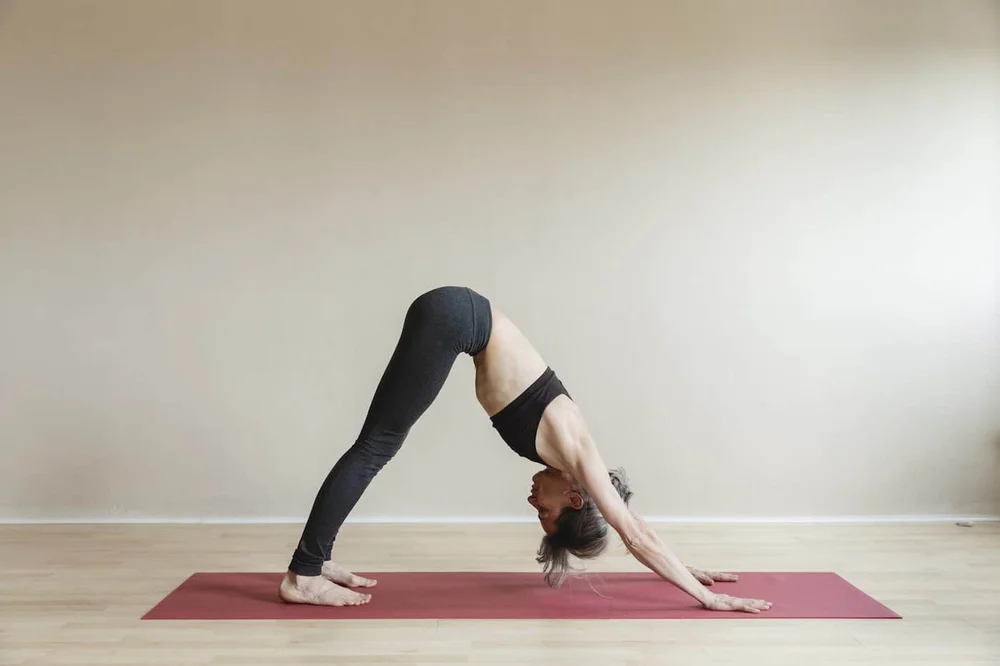
Downward Facing Dog
Begin on all fours, then lift your hips up and back to create an inverted V shape with your body. Press your hands into the mat, actively engage your arms and legs, and relax your head and neck. Downward Facing Dog helps stretch and strengthen the entire body while rejuvenating the mind.
Warrior Pose
Take a wide stance, with your front foot facing forward and your back foot turned slightly inwards. Bend your front knee, ensuring it stays directly above your ankle, and extend your arms out to the sides. Warrior Pose enhances strength, balance, and stability, while instilling a sense of confidence and empowerment.
Tree Pose
Shift your weight onto one leg and place the sole of your other foot on your inner thigh, calf, or ankle. Keep your balance and bring your hands to your heart center or extend them overhead. Tree Pose improves balance, focus, and concentration, while also stretching the hips and legs.
Child’s Pose
Kneel on the floor and bring your forehead down to rest on the mat, with your arms extended in front of you or alongside your body. Relax and breathe deeply in this resting pose that helps relieve stress, tension, and fatigue.
Corpse Pose
Lie flat on your back with your arms by your sides and your legs extended. Close your eyes, relax your entire body, and focus on your breath. Corpse Pose is a final relaxation posture that allows the mind and body to integrate the benefits of the practice.
Pranayama and Meditation
In addition to asanas, pranayama (breath control) and meditation are integral parts of a yoga practice. They promote a sense of mindfulness, peace, and inner calm.
Introduction to Pranayama
Pranayama involves controlling and directing the breath to influence the flow of prana (life force energy) in the body. It helps regulate the nervous system, reduces stress, and increases vitality.
Different techniques of Pranayama
Pranayama techniques include deep belly breathing (diaphragmatic breathing), alternate nostril breathing (Nadi Sodhana), and breath retention exercises (Kumbhaka).
Benefits of Pranayama
Regular practice of pranayama can improve respiratory function, enhance mental clarity, reduce anxiety and depression, and promote emotional well-being.
Introduction to Meditation
Meditation involves training the mind to focus and be present in the moment. It cultivates a state of inner tranquility and self-awareness.
Different meditation techniques
Meditation techniques include mindfulness meditation, loving-kindness meditation, and transcendental meditation. Each method offers unique approaches to stilling the mind and expanding consciousness.
Benefits of Meditation
Regular meditation practice can reduce stress, increase self-awareness, improve concentration, promote emotional balance, and enhance overall well-being.
Building a Regular Yoga Routine
To fully reap the benefits of yoga, it’s important to establish a regular and consistent practice. Here are some tips for building a sustainable yoga routine:
Setting achievable goals
Start by setting realistic and achievable goals, such as practicing yoga three times a week or dedicating ten minutes to meditation each day. Gradually increase the duration and frequency of your practice as you build strength and endurance.
Creating a balanced practice
Include a combination of asanas, pranayama, and meditation in your routine to address physical, mental, and emotional aspects of well-being. Incorporate different styles of yoga to keep your practice diverse and engaging.
Developing a routine
Choose specific days and times for your yoga practice and commit to sticking to them. By incorporating yoga into your daily or weekly schedule, it becomes a habit and an integral part of your lifestyle.
Practicing regularly
Consistency is key when it comes to yoga. Even if you can only spare a few minutes each day, make it a priority to show up on your mat consistently. Regular practice will yield greater results over time.
Yoga Props and Accessories
Yoga props and accessories can enhance your practice, providing support, stability, and comfort. Here are some commonly used props:
Yoga mat
A high-quality yoga mat provides cushioning, grip, and stability for your practice.
Yoga blocks
Blocks help modify and deepen poses, providing support and stability for practitioners of all levels.
Yoga strap
A yoga strap assists with stretching, improving flexibility, and achieving proper alignment in various poses.
Yoga bolster
Bolsters offer support during restorative poses, allowing for deep relaxation and release of tension.
Yoga blankets
Blankets provide additional cushioning or support, especially during sitting poses or as a prop for meditation.
Yoga wheel
A yoga wheel is a versatile prop that aids in stretching, opening the chest, and improving balance.
Meditation cushion
A meditation cushion provides comfort and support for long periods of seated meditation, promoting proper spinal alignment.
Yoga Etiquette
When practicing yoga, cultivating an atmosphere of respect and mindfulness is essential. Here are some etiquette guidelines to keep in mind:
Respecting the practice space
Arrive on time and maintain a quiet and peaceful environment. Avoid unnecessary distractions and keep personal belongings tidy and organized.
Avoiding judgment and comparison
Yoga is a personal journey, and each practitioner is at their own unique stage. Avoid comparing yourself to others and embrace the practice without judgment.
Being mindful of personal hygiene
Maintain good personal hygiene by washing your hands and feet before starting your practice. Consider wearing clean, odor-free clothing and refraining from wearing heavy scents or perfumes.
Honoring personal boundaries
Respect the personal space and privacy of others during group classes. Follow the guidance of the instructor and avoid adjusting or touching other practitioners without their consent.
Yoga for Preventive Health
The practice of yoga offers numerous preventive health benefits that contribute to overall well-being. Here are some key ways in which yoga promotes good health:
Reducing stress and anxiety
Yoga helps activate the relaxation response in the body, reducing stress hormones and promoting a sense of calm and tranquility.
Improving flexibility and strength
Regular yoga practice enhances flexibility and improves muscle strength, leading to better balance, posture, and overall physical fitness.
Enhancing respiratory health
The combination of deep breathing techniques and yoga postures helps improve lung capacity, enhance oxygen intake, and promote healthy respiratory function.
Promoting cardiovascular health
Certain dynamic yoga styles, such as Vinyasa or Ashtanga, offer cardiovascular benefits, improving heart health and circulation.
Boosting immune function
Yoga stimulates the lymphatic system, which plays a crucial role in immune function. Regular practice helps boost the immune system and ward off illnesses.
Supporting mental well-being
Yoga practices like meditation and pranayama reduce symptoms of depression, anxiety, and insomnia, promoting positive mental health and well-being.
By incorporating yoga into your daily routine, you can experience these preventive health benefits and embark on a journey of self-discovery and holistic wellness. Remember to listen to your body, practice with kindness and patience, and enjoy the transformative power of yoga.