
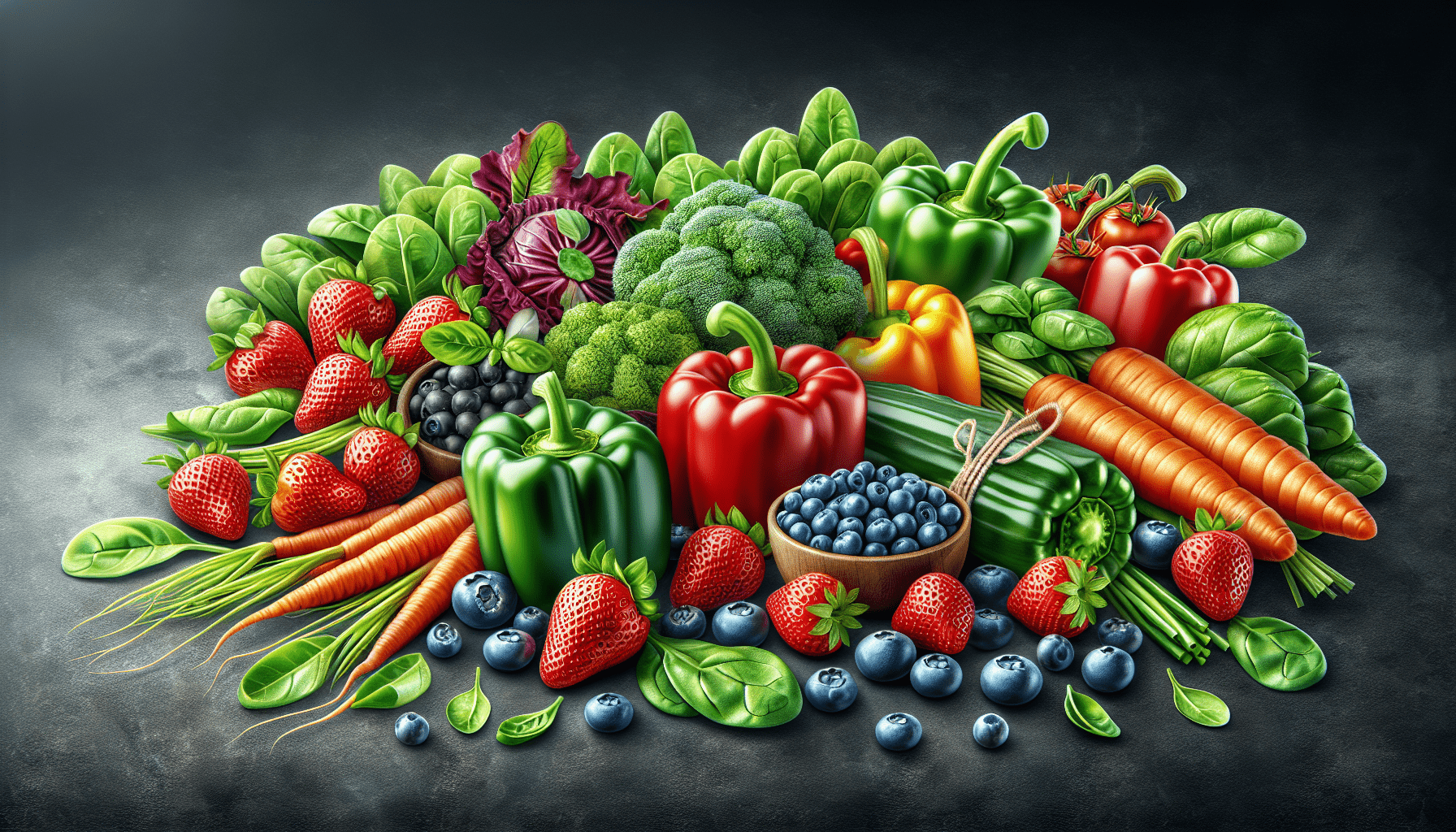
Living with Irritable Bowel Syndrome (IBS) can be challenging, but finding the right diet to manage it can make all the difference. In this article, you will discover the best diet for managing IBS symptoms and improving your overall gut health. By following these dietary guidelines, you can start feeling better and regain control over your digestive system. Say goodbye to uncomfortable flare-ups and hello to a happier tummy!
Low FODMAP Diet
What is a Low FODMAP Diet?
A Low FODMAP diet is an approach to managing Irritable Bowel Syndrome (IBS) symptoms by reducing the intake of certain types of carbohydrates called FODMAPs. FODMAPs stands for Fermentable Oligosaccharides, Disaccharides, Monosaccharides, and Polyols. These carbohydrates are poorly absorbed in the small intestine and can trigger symptoms such as bloating, gas, abdominal pain, and diarrhea.
How Does a Low FODMAP Diet Help?
A Low FODMAP diet helps to alleviate IBS symptoms by reducing the intake of these carbohydrates that can ferment in the gut and cause discomfort. By following a Low FODMAP diet, you can identify which specific FODMAPs trigger your symptoms and customize your diet accordingly. This approach has been shown to significantly improve symptoms in many individuals with IBS.
Foods to Avoid on a Low FODMAP Diet
When following a Low FODMAP diet, it is important to avoid foods that are high in FODMAPs. Some foods to avoid include:
- High-fructose fruits like apples, pears, and watermelon
- Lactose-containing dairy products like milk, yogurt, and soft cheeses
- Wheat and rye-based products
- Certain vegetables like onions, garlic, and mushrooms
- Legumes such as beans, lentils, and chickpeas
Eliminating these high FODMAP foods from your diet for a period of time can help identify your trigger foods.
Foods to Include on a Low FODMAP Diet
While on a Low FODMAP diet, there are still plenty of foods you can enjoy. Some examples of Low FODMAP foods include:
- Proteins like chicken, fish, and tofu
- Gluten-free grains like rice, quinoa, and oats
- Low lactose dairy alternatives like lactose-free milk and hard cheeses
- Fruits such as bananas, blueberries, and strawberries
- Vegetables like carrots, bell peppers, and spinach
It is important to note that everyone’s tolerance to FODMAPs may vary, so it is best to work with a healthcare professional or registered dietitian to customize your diet accordingly.
Tips for Following a Low FODMAP Diet
Following a Low FODMAP diet can be challenging, but there are some tips that can make the process easier:
- Consult a healthcare professional: It is important to work with a healthcare professional or registered dietitian who can guide you through the process and ensure you are meeting your nutritional needs.
- Keep a food diary: Keeping track of your symptoms and the foods you eat can help you identify trigger foods more easily.
- Plan meals and snacks: Preparing meals and snacks in advance can help ensure you have Low FODMAP options readily available.
- Experiment with substitutes: There are many alternatives available for high FODMAP foods, such as using garlic-infused oil instead of fresh garlic.
- Reintroduce slowly: Once you have eliminated high FODMAP foods from your diet, it is important to reintroduce them gradually to identify your individual tolerance levels.
By following these tips and working closely with a healthcare professional, you can successfully implement a Low FODMAP diet to manage your IBS symptoms.
High Fiber Diet
Importance of Fiber in Managing IBS
A high fiber diet can be beneficial for individuals with IBS as it helps to regulate bowel movements, improve stool consistency, and reduce symptoms such as constipation and diarrhea. Fiber adds bulk to the stool, making it easier to pass through the digestive system.
Types of Fiber
There are two types of fiber: soluble fiber and insoluble fiber. Soluble fiber absorbs water and forms a gel-like substance, while insoluble fiber adds bulk to the stool and helps it move more quickly through the intestines.
Foods High in Soluble Fiber
Including foods high in soluble fiber in your diet can help manage IBS symptoms. Some examples of foods high in soluble fiber include:
- Oats and oat bran
- Barley
- Chia seeds
- Flaxseeds
- Fruits such as oranges, strawberries, and bananas
- Vegetables like carrots, sweet potatoes, and peas
- Legumes such as lentils, chickpeas, and black beans
Foods High in Insoluble Fiber
Insoluble fiber adds bulk to the stool, promoting regular bowel movements. Some examples of foods high in insoluble fiber include:
- Whole grains like brown rice, quinoa, and whole wheat bread
- Nuts and seeds
- Leafy greens such as spinach, kale, and broccoli
- Cauliflower
- Bell peppers
- Celery
How to Incorporate Fiber into Your Diet
To incorporate more fiber into your diet, start by gradually increasing your fiber intake and drinking plenty of water. This will help prevent any digestive discomfort that may occur when increasing fiber intake. Choose a variety of high fiber foods and incorporate them into your meals and snacks. For example, you can add chia seeds or ground flaxseeds to your smoothies or sprinkle them over yogurt and oatmeal. Including fruits, vegetables, and whole grains in your daily meals can also help increase your fiber intake.
Gluten-Free Diet
The Link Between Gluten and IBS
While IBS is not caused by gluten, some individuals with IBS may experience symptom improvement by following a gluten-free diet. Gluten is a protein found in wheat, barley, and rye, and can trigger digestive symptoms in individuals who are sensitive or intolerant to it.
Foods to Avoid on a Gluten-Free Diet
To follow a gluten-free diet, it is important to avoid foods that contain gluten. Some common sources of gluten include:
- Wheat-based products such as bread, pasta, and pastries
- Barley and barley-based products
- Rye and rye-based products
- Some processed foods that may contain hidden sources of gluten, such as sauces, soups, and salad dressings
It is crucial to carefully read food labels and look for gluten-free certifications to ensure that the products are safe to consume.
Gluten-Free Grain Alternatives
Fortunately, there are many gluten-free grain alternatives that can be enjoyed on a gluten-free diet. Some examples include:
- Rice and rice-based products
- Quinoa
- Oats (certified gluten-free)
- Amaranth
- Buckwheat
- Corn and corn-based products
- Gluten-free flour blends for baking
These gluten-free grains can be used as substitutes in various recipes, allowing individuals with IBS to still enjoy a wide variety of meals.
Gluten-Free Snack Ideas
Going gluten-free does not mean sacrificing delicious snacks. Some gluten-free snack ideas include:
- Fresh fruits and vegetables with hummus or yogurt dip
- Rice cakes with nut butter or avocado
- Gluten-free granola bars or energy balls
- Nuts and seeds
- Rice crackers with cheese or tuna
- Gluten-free pretzels or popcorn
With a little creativity and incorporation of gluten-free alternatives, you can still enjoy tasty snacks while adhering to a gluten-free diet.
Key Considerations for a Gluten-Free Diet
When following a gluten-free diet for IBS, it is important to consider the following:
- Nutritional balance: Ensure that you are still getting all the necessary nutrients by incorporating a variety of gluten-free grains, fruits, vegetables, proteins, and healthy fats into your meals.
- Cross-contamination: Avoid cross-contamination of gluten-free foods by using separate utensils, cutting boards, and cooking surfaces to prevent traces of gluten from contaminating your meals.
- Read labels carefully: Gluten can hide in unexpected places, so it is crucial to read food labels and look for gluten-free certifications.
- Consider working with a dietitian: A registered dietitian can help you navigate a gluten-free diet and ensure that you are meeting your nutritional needs while managing your IBS symptoms.
Low Fat Diet
Benefits of a Low Fat Diet for IBS
A low-fat diet can be helpful for individuals with IBS, especially those who experience symptoms such as gas, bloating, and diarrhea. High-fat foods are known to stimulate contractions in the intestines, which can exacerbate these symptoms.
Foods to Avoid on a Low Fat Diet
When following a low-fat diet for IBS, it is important to avoid high-fat foods that can trigger symptoms. Some foods to avoid include:
- Fatty meats such as bacon, sausage, and fatty cuts of beef
- Full-fat dairy products like whole milk, cream, and butter
- Fried foods and fast food
- Oily and greasy foods
- High-fat desserts like ice cream and pastries
By limiting the intake of these high-fat foods, individuals with IBS may experience relief from their symptoms.
Healthy Sources of Fat
While it is important to reduce the consumption of unhealthy fats, it is still crucial to include healthy sources of fat in your diet for proper nutrition. Some examples of healthy fats include:
- Avocado
- Nuts and seeds
- Olive oil
- Fatty fish like salmon and mackerel
- Natural nut butters like almond or peanut butter
Incorporating these healthy fats can provide essential nutrients and help maintain a well-rounded diet.
Meal Ideas for a Low Fat Diet
Planning meals that are low in fat while still being satisfying and nutritious is possible. Some meal ideas for a low-fat diet include:
- Grilled chicken breast with steamed vegetables and quinoa
- Fish tacos with whole wheat tortillas, salsa, and a side salad
- Stir-fried tofu and vegetables with brown rice
- Salad with mixed greens, grilled shrimp, and a light vinaigrette
- Vegetable omelet made with egg whites and served with a side of fruit
By focusing on lean proteins, whole grains, and plenty of fruits and vegetables, individuals with IBS can enjoy flavorful meals that are low in fat.
Additional Tips for a Low Fat Diet
Here are some additional tips to help you follow a low-fat diet:
- Choose non-fat or low-fat versions of dairy products.
- Use cooking methods like baking, steaming, boiling, or grilling instead of frying.
- Opt for lean proteins like skinless poultry, fish, and legumes.
- Incorporate plenty of fruits and vegetables into your meals and snacks.
- Read food labels to identify the fat content of packaged foods.
By making these adjustments and being conscious of your fat intake, you can better manage your IBS symptoms with a low-fat diet.
Probiotics
What are Probiotics?
Probiotics are live bacteria and yeasts that are beneficial for our digestive system. They are often referred to as “good bacteria” because they can help restore the natural balance of bacteria in the gut.
How Probiotics Help IBS
Probiotics have been shown to help alleviate IBS symptoms and improve gut health in several ways. They can:
- Help maintain a healthy balance of bacteria in the gut
- Improve digestion and nutrient absorption
- Reduce inflammation in the gut
- Reduce symptoms such as bloating and gas
By incorporating probiotics into your diet, you can support your digestive health and potentially reduce the frequency and severity of IBS symptoms.
Types of Probiotic Foods
Probiotics can be obtained through certain foods that undergo fermentation. Some examples of probiotic foods include:
- Yogurt: Look for yogurt with live and active cultures. Greek yogurt and other strained yogurts are often higher in probiotics.
- Kefir: A fermented milk drink that is rich in probiotics. It can be enjoyed on its own or used as a base for smoothies.
- Sauerkraut: Fermented cabbage that is a good source of probiotics. Look for unpasteurized sauerkraut for maximum benefit.
- Kimchi: A spicy Korean side dish made from fermented vegetables, typically cabbage and radishes. It is a great source of probiotics.
- Kombucha: A fermented tea that is often flavored with fruits or herbs. It contains live bacteria and yeasts.
Including these probiotic-rich foods in your diet can help support a healthy gut and potentially reduce IBS symptoms.
Probiotic Supplements
If it is difficult to incorporate enough probiotic-rich foods into your diet, you may consider taking a probiotic supplement. Probiotic supplements are available in various forms, such as capsules, tablets, and powders. It is important to choose a high-quality supplement that contains specific strains of bacteria that have been shown to be beneficial for IBS. It is recommended to consult with a healthcare professional or registered dietitian before starting any probiotic supplementation.
Guidelines for Choosing and Using Probiotics
When choosing a probiotic supplement, consider the following guidelines:
- Strain specificity: Look for supplements that specify the strains of bacteria they contain, as different strains have different effects on the gut.
- High potency: Choose a supplement with a high number of colony-forming units (CFUs) to ensure sufficient dosage.
- Shelf stability: Opt for supplements that are shelf-stable and do not require refrigeration, especially if you travel frequently.
- Combination formulas: Some supplements contain a combination of different strains of bacteria, which may provide additional benefits.
- Timing and duration: It is important to follow the instructions on the supplement’s packaging regarding when and how often to take it.
By considering these guidelines and working with a healthcare professional, you can select and use probiotics effectively to support your gut health and manage IBS symptoms.
Elimination Diet
What is an Elimination Diet?
An elimination diet is a structured approach to identifying trigger foods that may be causing or exacerbating IBS symptoms. It involves temporarily eliminating certain foods from your diet and then systematically reintroducing them to determine which ones are problematic.
Identifying Trigger Foods
Trigger foods can vary from person to person, so it is important to identify your individual triggers through an elimination diet. Common trigger foods for individuals with IBS include:
- Dairy products
- Gluten and wheat-based products
- Certain fruits and vegetables, such as apples, onions, and garlic
- Foods high in FODMAPs
- Spicy or greasy foods
- High-fat foods
By eliminating these foods for a period of time, you can better understand how they affect your IBS symptoms and make informed decisions about your diet.
Elimination Diet Plan
To begin an elimination diet, it is recommended to work with a healthcare professional or a registered dietitian. They can help you create a personalized elimination diet plan based on your specific needs and symptoms. The elimination phase typically lasts for two to six weeks, during which you avoid all potential trigger foods.
Once the elimination phase is over and your symptoms have improved, you can begin reintroducing one food at a time, waiting a few days between each reintroduction to observe any symptoms. This process helps you identify which foods trigger your symptoms.
Reintroduction Phase
During the reintroduction phase, it is important to keep a food and symptom diary to track any changes or reactions. Start with small amounts of the food and gradually increase the portion size over a few days. This gradual reintroduction allows you to pinpoint the specific foods that may trigger your symptoms.
If you experience symptoms after reintroducing a particular food, you can remove it from your diet or limit your consumption of it in the future. Keep in mind that everyone’s tolerance to trigger foods may vary, so it is essential to personalize your diet based on your body’s responses.
Working with a Dietitian for an Elimination Diet
Working with a registered dietitian is highly recommended when embarking on an elimination diet. They can provide guidance, support, and personalized recommendations based on your specific needs and preferences. A dietitian can also ensure that you are following a nutritionally balanced diet throughout the process and help you identify alternative foods to include in your meals.
By working closely with a dietitian and following an elimination diet, you can better understand your trigger foods and develop a customized diet plan to manage your IBS symptoms effectively.
Small, Frequent Meals
Benefits of Small, Frequent Meals for IBS
Eating small, frequent meals throughout the day can have several benefits for individuals with IBS. Some advantages include:
- Reducing the likelihood of overeating, which can trigger symptoms
- Providing a steady source of energy and nutrients
- Promoting regular bowel movements
- Preventing bloating and discomfort that can occur with large meals
By spacing out your meals and snacks, you can help manage your IBS symptoms and maintain a more stable digestion.
Tips for Planning Small, Frequent Meals
Planning small, frequent meals can be straightforward with a few simple tips:
- Structure your day: Aim to eat every three to four hours to maintain a regular eating pattern.
- Portion control: Keep your meal sizes small to prevent overeating and ensure proper digestion.
- Balanced meals: Include a combination of lean protein, whole grains, fruits, vegetables, and healthy fats in each meal to provide a variety of nutrients and support satiety.
- Snack options: Have nutritious snacks readily available, such as fresh fruit, yogurt, nuts, or carrot sticks, to curb hunger between meals.
- Listen to your body: Pay attention to your body’s hunger and fullness cues to determine when it is time to eat and when you have had enough.
By following these tips, you can create a meal plan that incorporates small, frequent meals to support your IBS management.
Balancing Nutritional Needs
When planning small, frequent meals, it is essential to ensure that you are meeting your nutritional needs. Here are some key considerations:
- Protein: Include sources of lean protein in each meal, such as poultry, fish, tofu, legumes, or Greek yogurt, to support muscle growth and repair.
- Carbohydrates: Choose whole grains, fruits, and vegetables as your primary sources of carbohydrates to provide sustained energy and essential nutrients.
- Healthy fats: Incorporate sources of healthy fats like avocado, nuts, and seeds to promote satiety and support nutrient absorption.
- Vitamins and minerals: Include a variety of fruits, vegetables, and whole grains to ensure you are getting a wide range of essential vitamins and minerals.
- Hydration: Drink plenty of water throughout the day to stay adequately hydrated.
By focusing on a balanced diet and diverse food choices, you can meet your nutritional needs while following a small, frequent meal pattern.
Meal and Snack Ideas
Here are some meal and snack ideas for small, frequent meals:
- Breakfast: Greek yogurt with berries and a drizzle of honey, or scrambled eggs with sautéed vegetables.
- Morning snack: A handful of almonds or a piece of fruit with nut butter.
- Lunch: A turkey and lettuce wrap with whole wheat tortilla, or a quinoa salad with mixed vegetables.
- Afternoon snack: Carrot sticks with hummus or a small handful of trail mix.
- Dinner: Grilled chicken breast with steamed vegetables and brown rice, or a tofu stir-fry with quinoa.
- Evening snack: A small bowl of cottage cheese with sliced peaches or a cup of herbal tea.
Remember to personalize your meals and snacks based on your food preferences and dietary restrictions.
Importance of Mindful Eating
While enjoying small, frequent meals, it is important to practice mindful eating. Mindful eating involves paying attention to the present moment and savoring each bite. By slowing down and focusing on your meal, you can better tune in to your body’s hunger and fullness cues. This can help prevent overeating and promote better digestion.
Take the time to appreciate the flavors, textures, and smells of your food. Chew your food thoroughly and take breaks between bites. This mindful approach to eating can contribute to a more enjoyable and satisfying dining experience while supporting your overall well-being.
Hydration
Importance of Hydration for IBS
Staying adequately hydrated is crucial for individuals with IBS to maintain healthy digestion and manage symptoms effectively. Proper hydration supports bowel regularity, helps prevent constipation, and keeps the digestive system functioning optimally.
Water Intake Recommendations
The amount of water you need to drink each day can vary depending on various factors, such as age, gender, physical activity level, and overall health. As a general guideline, aim to drink at least eight cups (64 ounces) of water per day. However, individual needs may differ, so it is essential to listen to your body and drink water when you feel thirsty.
If you experience diarrhea or excessive sweating due to IBS or other factors, you may need to increase your water intake to compensate for the additional fluid loss.
Hydrating Foods and Beverages
In addition to drinking water, you can also hydrate your body through certain foods and beverages. Some hydrating options include:
- Herbal teas: Enjoy a variety of herbal teas, such as peppermint, chamomile, or ginger, which can provide hydration while offering additional health benefits.
- Water-rich fruits: Incorporate water-rich fruits into your meals and snacks, such as watermelon, oranges, cucumbers, and tomatoes.
- Soups and broths: Sip on broth-based soups or vegetable-based broths, which can contribute to your overall hydration.
- Smoothies: Prepare smoothies with water or a hydrating base like coconut water, and include fruits and vegetables that have high water content.
By incorporating these hydrating options into your diet, you can support your body’s hydration needs and promote better digestion.
Tips for Staying Hydrated
To help you stay hydrated throughout the day, consider these tips:
- Carry a water bottle: Keep a reusable water bottle with you wherever you go, making it easier to drink water throughout the day.
- Set reminders: Set reminders on your phone or use an app to prompt you to drink water regularly.
- Flavored water: If you struggle with the taste of plain water, infuse it with fruits, herbs, or even a splash of citrus juice to add flavor and make it more appealing.
- Monitor urine color: Pay attention to the color of your urine. Pale yellow or clear urine indicates good hydration, while darker urine may suggest dehydration.
- Hydrate before, during, and after exercise: Drink water before, during, and after physical activity to compensate for fluid loss.
- Limit caffeine and alcohol: Both caffeine and alcohol can contribute to dehydration, so it is best to consume them in moderation and balance them with water intake.
By implementing these strategies, you can establish a hydrating routine and support your overall health and well-being.
Signs of Dehydration to Watch For
It is crucial to be aware of the signs of dehydration, as even mild dehydration can exacerbate IBS symptoms. Some signs of dehydration include:
- Increased thirst
- Dry mouth
- Dark-colored urine
- Fatigue or lethargy
- Headaches
- Dizziness or lightheadedness
- Difficulty concentrating
If you experience any of these symptoms, it is important to increase your fluid intake and replenish your body’s hydration.
Stress Management
The Impact of Stress on IBS Symptoms
Stress is known to play a significant role in IBS and can often trigger or exacerbate symptoms. When you are stressed, your body releases hormones that can affect the normal functioning of the digestive system, leading to symptoms such as abdominal pain, bloating, and changes in bowel movements.
Stress-Reducing Techniques
Incorporating stress-reducing techniques into your daily routine can help manage IBS symptoms. Some effective stress-reducing techniques include:
- Deep breathing exercises: Practice deep breathing by inhaling slowly through your nose, expanding your diaphragm, and exhaling slowly through your mouth. This can help activate the relaxation response and reduce stress.
- Meditation: Set aside a few minutes each day to practice meditation. Find a quiet space, sit comfortably, and focus on your breath or a calming visualization.
- Yoga: Engage in gentle yoga poses and stretches that can help release tension, promote relaxation, and relieve stress.
- Mindfulness: Practice being present in the moment by paying attention to your thoughts, feelings, and bodily sensations without judgment. This can help reduce stress and promote a sense of calm.
- Journaling: Write down your thoughts, feelings, and concerns in a journal to help alleviate stress and gain clarity.
Mind-Body Practices for IBS
Mind-body practices combine physical movements with mental focus and relaxation techniques. Some mind-body practices that can benefit individuals with IBS include:
- Tai chi: This ancient Chinese martial art combines slow, flowing movements with deep breathing and meditation, promoting relaxation and stress reduction.
- Qigong: Similar to tai chi, qigong involves gentle movements, deep breathing, and mental focus. It can help calm the mind and alleviate stress.
- Progressive muscle relaxation: This technique involves tensing and relaxing different muscle groups in the body, promoting physical and mental relaxation.
- Guided imagery: Use guided imagery techniques to create calming and soothing mental images that can help reduce stress and promote relaxation.
- Biofeedback: This technique uses electronic devices to monitor and provide feedback on physiological processes in the body, such as heart rate, breathing, and muscle tension. By learning to control these processes, individuals can reduce stress and manage symptoms.
By incorporating these mind-body practices into your routine, you can help manage stress and potentially alleviate IBS symptoms.
Creating a Relaxation Routine
Creating a relaxation routine can be beneficial for managing stress and IBS symptoms. Here are some steps to help you establish a relaxation routine:
- Identify activities: Determine which stress-reducing techniques resonate with you the most, whether it’s deep breathing exercises, yoga, meditation, or a combination of practices.
- Schedule time: Set aside dedicated time each day for your chosen relaxation techniques. It can be in the morning, during a break, or before bedtime.
- Find a quiet space: Create a calming environment where you can practice your relaxation techniques without distractions.
- Incorporate into your routine: Integrate your chosen techniques into your daily routine to ensure consistency. This could include practicing deep breathing exercises while commuting or meditating before going to bed.
- Adjust as needed: Be flexible and open to modifying your routine based on your schedule and personal preferences. It is important to find a routine that works best for you.
By making relaxation a priority and incorporating stress-reducing techniques into your daily life, you can effectively manage stress and potentially alleviate IBS symptoms.
Seeking Support for Stress Management
Seeking support from friends, family, or a healthcare professional can be beneficial when managing stress related to IBS. Joining support groups or engaging in counseling or therapy can provide an outlet for discussing your feelings and receiving guidance on stress management techniques. Remember, you are not alone, and there are resources available to help you cope with stress and manage your IBS effectively.
Physical Activity
Benefits of Exercise for IBS
Regular physical activity offers several benefits for individuals with IBS. Exercise can help alleviate symptoms, improve digestion, and promote overall well-being. Some specific benefits of exercise for IBS include:
- Promoting regular bowel movements
- Reducing bloating and gas
- Relieving stress and anxiety, which can be triggers for IBS symptoms
- Increasing energy levels
- Supporting weight management
By incorporating exercise into your routine, you can help manage your IBS symptoms and improve your overall quality of life.
Choosing the Right Type of Exercise
When choosing an exercise routine for IBS management, consider activities that are low impact and gentle on the digestive system. Some suitable options include:
- Walking: Take regular walks at a comfortable pace. Walking can help stimulate bowel movements and reduce bloating.
- Cycling: Enjoy a leisurely bike ride or use a stationary bike. Cycling can help improve digestion and relieve stress.
- Swimming: Engage in swimming or water aerobics, which are low impact and gentle on the joints. The buoyancy of water can also relieve pressure on the abdomen.
- Yoga: Practice gentle yoga poses and stretches that promote relaxation, improve digestion, and relieve stress.
- Pilates: Incorporate Pilates exercises that focus on core strength and mobility, which can support proper digestion and posture.
- Tai chi or qigong: Participate in these mind-body practices that combine gentle movements with deep breathing and relaxation techniques.
Choose activities that you enjoy and that can be easily incorporated into your routine. Start gradually and increase the intensity and duration of your exercises over time.
Tips for Incorporating Exercise into Daily Routine
Incorporating exercise into your daily routine can be achieved with these helpful tips:
- Schedule regular exercise: Plan specific times for exercise in your daily or weekly calendar to ensure consistency.
- Start small: Begin with short exercise sessions and gradually increase the duration and intensity as your fitness level improves.
- Find an exercise buddy: Consider exercising with a friend or joining a group class to stay motivated and accountable.
- Be flexible: Choose exercises that can be done at home, outdoors, or at a gym, giving you options regardless of the weather or availability of facilities.
- Listen to your body: Pay attention to how your body feels during and after exercise. If certain activities worsen your symptoms, modify them accordingly.
By incorporating these tips into your routine, you can make exercise a consistent and enjoyable aspect of managing your IBS.
Managing Exercise with IBS Symptoms
While exercise can be beneficial for managing IBS symptoms, it is important to be mindful of your body’s signals and make adjustments when necessary. Here are some tips for managing exercise with IBS symptoms:
- Exercise timing: Schedule your workouts at times when your symptoms are typically less severe. For example, some individuals find that exercising in the morning before breakfast can be helpful.
- Be aware of triggers: Pay attention to any foods or drinks that may trigger your symptoms during exercise. Avoid consuming them before or during your workout.
- Stay hydrated: Drink water before, during, and after your workout to prevent dehydration and support digestion.
- Modify exercises: If certain exercises or movements exacerbate your symptoms, modify them to be more comfortable or choose alternative exercises that are better tolerated.
- Rest and recover: Allow yourself time to rest and recover after more intense workouts to avoid overexertion and potential symptom flare-ups.
By being attuned to your body’s needs and using modifications when necessary, you can successfully incorporate exercise into your routine while effectively managing your IBS symptoms.
Creating a Balanced Exercise Plan
When creating an exercise plan, it is important to include a variety of activities that focus on cardiorespiratory fitness, strength training, and flexibility. Aim for a balanced exercise plan that incorporates the following:
- Aerobic exercise: Engage in activities that raise your heart rate and improve cardiovascular health, such as walking, cycling, swimming, or aerobic classes. Aim for at least 150 minutes of moderate-intensity aerobic activity per week, or 75 minutes of vigorous-intensity activity, or a combination of both.
- Strength training: Include resistance exercises that target major muscle groups to improve strength and support overall physical function. This can be accomplished using free weights, resistance bands, or bodyweight exercises. Aim for two or more days of strength training per week.
- Flexibility exercises: Incorporate stretching exercises and movements that improve flexibility and promote joint mobility. This can include static stretching, yoga, or Pilates. Aim for flexibility exercises at least two days per week.
By including a variety of exercises, you can address multiple aspects of your fitness and achieve a well-rounded routine that supports your overall health.
In conclusion, managing IBS requires a holistic approach that includes dietary modifications, stress management techniques, and regular physical activity. By understanding the different diets that can aid in IBS management, such as the Low FODMAP Diet, High Fiber Diet, Gluten-Free Diet, and Low Fat Diet, individuals can make informed choices about their nutrition. Additionally, incorporating probiotics, elimination diets, small frequent meals, hydration, stress management, and physical activity can further support symptom management and overall well-being. Remember, it is important to work with healthcare professionals or registered dietitians to personalize your approach and ensure that you are meeting your unique needs while managing IBS effectively.