
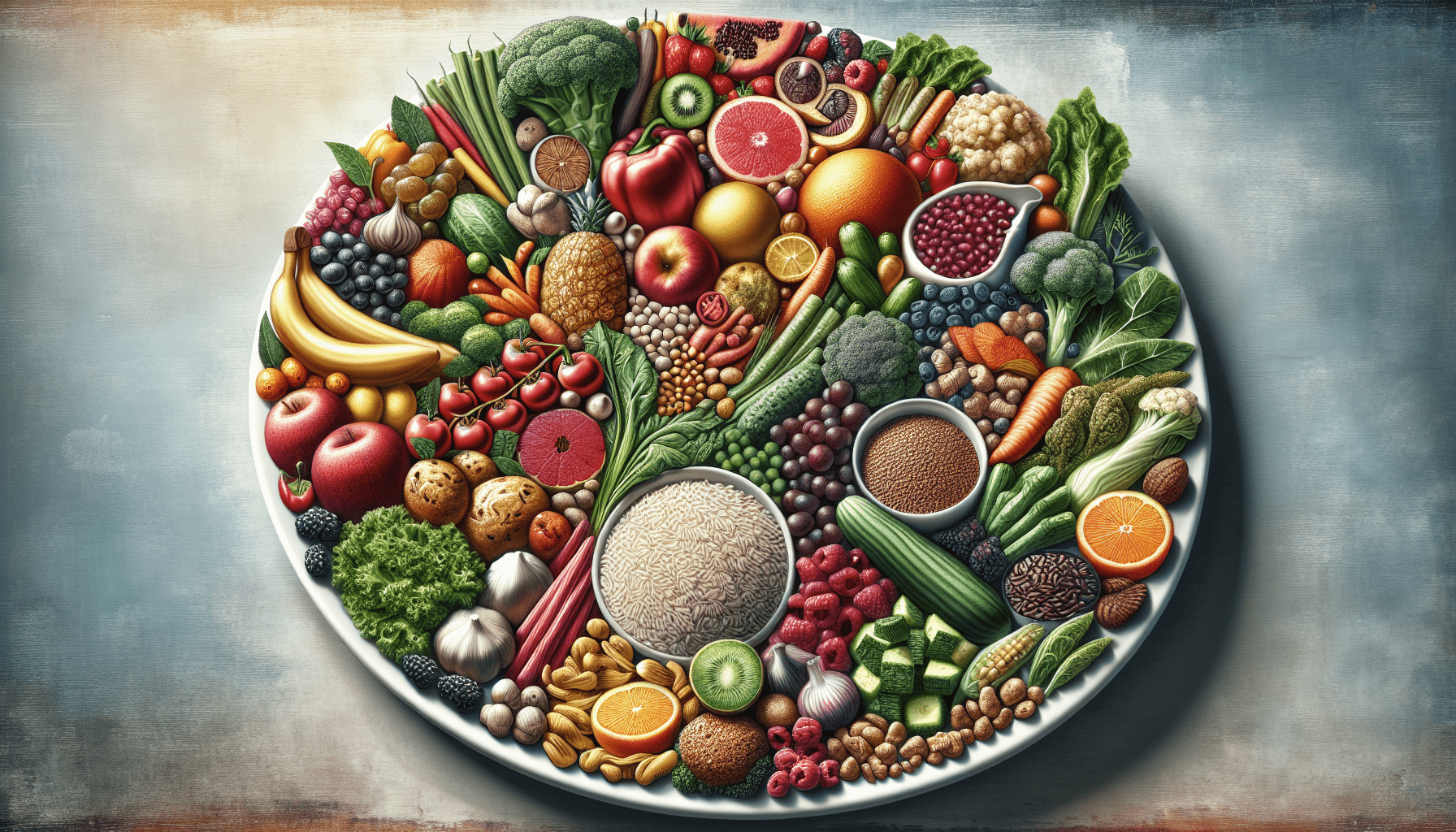
Are you struggling with ulcers and looking for the best diet to manage them? Look no further! In this article, we will explore the most effective dietary choices to alleviate ulcer symptoms and promote healing. Whether you have a peptic ulcer or a gastric ulcer, following a proper diet can play a crucial role in managing the condition and preventing flare-ups. By making informed food choices, you can take control of your health and experience relief from the discomfort associated with ulcers. Let’s dive in and discover the best diet for managing ulcers!
Foods to Include
Whole grains
Incorporating whole grains into your diet is an excellent choice when managing ulcers. Whole grains, such as brown rice, whole wheat bread, and oatmeal, provide essential nutrients and fiber that can help promote digestive health. As they are minimally processed, whole grains retain their natural nutrients like B vitamins, iron, and magnesium. These nutrients play a crucial role in supporting overall gastrointestinal wellness and contribute to the healing process of ulcers.
Lean proteins
Including lean proteins in your meals is essential when managing ulcers. Opt for sources like skinless poultry, fish, eggs, and legumes. They provide necessary amino acids that aid the body in repairing damaged tissues and promote the growth of new, healthy cells. Lean proteins are also easier to digest, ensuring that your stomach does not have to work excessively, which can aggravate your ulcer symptoms.
Fruits and vegetables
Fruits and vegetables should form a significant part of your ulcer management diet. Packed with vitamins and minerals, they offer numerous health benefits and aid in the healing process of ulcers. Citrus fruits, such as oranges and lemons, are high in vitamin C, which is essential for collagen production, a vital component in tissue repair. Dark leafy greens like spinach are rich in antioxidants, which can help reduce inflammation and promote ulcer healing.
Healthy fats
Incorporating healthy fats into your diet can have a positive impact on ulcer management. Opt for sources like avocados, nuts, seeds, and olive oil. These fats provide essential fatty acids, including omega-3 and omega-6, which have anti-inflammatory properties. Omega-3 fatty acids, in particular, have been shown to reduce the risk of recurrent ulcers. Including healthy fats in your meals can also help you feel more satisfied, reducing the likelihood of overeating, which can exacerbate ulcer symptoms.
Foods to Avoid
Spicy foods
When managing ulcers, it’s best to avoid spicy foods as they can irritate your stomach lining and exacerbate your symptoms. Spices like chili powder, hot peppers, and cayenne can trigger discomfort, pain, and inflammation.
Acidic foods and beverages
Acidic foods and beverages, such as citrus fruits, tomatoes, and carbonated drinks, can worsen ulcer symptoms by increasing stomach acid production. It’s advisable to limit or avoid these items to prevent acid reflux, heartburn, and further irritation to the stomach lining.
Alcohol
Alcohol should be avoided when managing ulcers as it can increase stomach acid secretion, potentially leading to increased pain and discomfort. Alcohol consumption can also interfere with the healing process of ulcers and may cause complications.
Caffeine
Caffeine, found in coffee, tea, energy drinks, and some sodas, can stimulate stomach acid production, potentially aggravating your ulcer symptoms. It is recommended to limit or avoid caffeine-containing beverages to promote ulcer healing.
Small and Frequent Meals
Importance of smaller meals
When managing ulcers, opting for smaller meals throughout the day rather than three large meals can significantly benefit your digestive system. Eating smaller portions helps reduce the amount of acid your stomach produces, minimizing the risk of irritation to the ulcer site. It also puts less pressure on your digestive system, making it easier for your body to process and absorb nutrients.
Benefits of frequent meals
Frequent meals also provide a steady supply of nutrients to your body, promoting optimal healing of ulcers. By spacing out your meals, you prevent prolonged periods of fasting, which can lead to increased stomach acid production and worsen ulcer symptoms. Additionally, regular, smaller meals can help alleviate symptoms such as bloating and indigestion, allowing you to better manage your ulcer condition.
Mediterranean Diet
Overview of the Mediterranean diet
The Mediterranean diet is renowned for its health benefits, and it can be particularly beneficial for managing ulcers. This eating pattern focuses on whole foods such as fruits, vegetables, whole grains, lean proteins, and healthy fats. It minimizes intake of processed foods, red meat, and unhealthy fats.
Benefits for ulcer management
The Mediterranean diet’s emphasis on fresh fruits and vegetables provides a wide range of vitamins, minerals, and antioxidants that promote ulcer healing. The inclusion of whole grains and lean proteins ensures an adequate intake of fiber and essential amino acids. The diet’s low intake of red meat and unhealthy fats reduces the risk of inflammation and contributes to a healthier digestive system.
High-Fiber Diet
Role of fiber in ulcer management
A high-fiber diet is beneficial for managing ulcers due to its positive impact on digestive health. Fiber adds bulk to your stool, promoting regular bowel movements and preventing constipation. This helps reduce the strain on your digestive system, allowing your ulcer to heal more effectively. Additionally, fiber-rich foods tend to be less processed and lower in added sugars, which can further irritate your ulcer site.
Fiber-rich food options
When aiming to increase your fiber intake for ulcer management, opt for foods like whole grains, fruits, vegetables, legumes, and nuts. Whole grain bread, brown rice, berries, broccoli, lentils, and almonds are excellent choices. As you gradually increase your fiber intake, make sure to drink plenty of fluids to prevent any potential digestive discomfort.
Probiotics and Fermented Foods
Introduction to probiotics
Probiotics are “friendly” bacteria that provide numerous health benefits, including supporting gut health and aiding in ulcer management. These live microorganisms can help restore the balance of good bacteria in your digestive system, which may be disrupted by antibiotics or other factors.
Benefits of probiotics for ulcers
Probiotics have been found to have several potential benefits for managing ulcers. They help strengthen the lining of the stomach and intestines, reducing the risk of further damage. Probiotics can also help control the growth of Helicobacter pylori, a bacterium often associated with the development of ulcers. Consuming probiotics, whether through supplements or fermented foods, can provide relief from ulcer symptoms and promote healing.
Fermented food options
Fermented foods are excellent sources of probiotics and can be easily incorporated into your ulcer management diet. Yogurt, kefir, sauerkraut, kimchi, and kombucha are all examples of fermented foods. They not only provide probiotics but also offer a range of other nutrients that contribute to overall gut health and ulcer management.
Antioxidant-Rich Foods
The role of antioxidants
Antioxidants play a crucial role in maintaining and promoting overall health. They help neutralize harmful free radicals in the body, which can contribute to inflammation and other health issues. When managing ulcers, consuming antioxidant-rich foods can help reduce inflammation, support the healing process, and protect the gastrointestinal lining from further damage.
Foods rich in antioxidants
To incorporate more antioxidants into your diet, focus on consuming a variety of colorful fruits and vegetables. Berries, such as blueberries, raspberries, and strawberries, are particularly high in antioxidants. Dark leafy greens like kale and spinach, as well as tomatoes, bell peppers, and sweet potatoes, also provide a significant amount of antioxidants. Adding herbs and spices like turmeric, ginger, and cinnamon to your meals can further boost your antioxidant intake.
Fluid Intake
Importance of staying hydrated
Proper hydration is crucial when managing ulcers. Staying hydrated helps maintain the body’s fluid balance and supports optimal digestion. It can also help alleviate symptoms such as bloating and constipation, providing relief from discomfort.
Recommended fluids for ulcer management
Water should be your primary fluid intake when managing ulcers. It is essential for overall health and provides hydration without adding additional irritants to the digestive system. Herbal teas, such as chamomile or peppermint, can also be soothing and aid digestion. It is best to avoid caffeinated beverages, carbonated drinks, alcohol, and citrus juices as they can exacerbate ulcer symptoms.
Specific Nutrients for Ulcer Healing
Vitamin C
Vitamin C is a vital nutrient for ulcer healing as it plays a crucial role in collagen production. Collagen is necessary for the repair and growth of tissues, including those in the gastrointestinal tract. Citrus fruits, strawberries, kiwi, bell peppers, and broccoli are excellent sources of vitamin C.
Zinc
Zinc is another important nutrient that aids in ulcer healing. It supports the immune system and helps with tissue repair and regeneration. Good sources of zinc include oysters, lean meats, poultry, legumes, nuts, and seeds.
Vitamin A
Vitamin A is essential for maintaining healthy mucous membranes, including those lining the digestive system. Consuming foods rich in vitamin A, such as sweet potatoes, carrots, spinach, and liver, can contribute to the healing process of ulcers.
Vitamin E
Vitamin E is known for its antioxidant properties and is involved in maintaining healthy cell membranes. Foods high in vitamin E include almonds, sunflower seeds, spinach, and avocado. Incorporating these vitamin-rich foods into your diet can support the healing of ulcers.
Adapting to Individual Needs
Consulting a healthcare professional
When managing ulcers, it is crucial to consult with a healthcare professional or a registered dietitian. They can provide personalized advice based on your specific needs, medical history, and any medications you may be taking. They can help develop a comprehensive diet plan that takes into account your dietary restrictions and preferences.
Tracking personal triggers
Everyone’s experience with ulcers can vary, and individuals may have specific triggers that worsen their symptoms. Keeping a food diary and tracking how different foods affect your ulcer symptoms can help you identify any particular triggers. By eliminating or reducing these trigger foods, you can better manage your ulcers and promote healing.
Personalizing the diet plan
Managing ulcers is not a one-size-fits-all approach. It’s essential to personalize your diet plan based on your individual needs and preferences. Work with your healthcare professional or dietitian to develop a plan that incorporates the recommended foods while considering any dietary restrictions or preferences you may have. By tailoring the diet to your unique circumstances, you can effectively manage your ulcers and support overall gastrointestinal health. Remember, consistency and patience are key when it comes to managing ulcers through diet.