
Looking to improve your overall health and well-being through a holistic approach? Look no further than incorporating the best foods for holistic nutrition into your diet. From nutrient-dense fruits and vegetables to whole grains and lean proteins, these foods will nourish your body from the inside out, promoting balance and vitality. Embracing a holistic approach to nutrition is not just about what you eat, but also about how your food choices impact your overall well-being. By focusing on whole, unprocessed foods and mindful eating habits, you can achieve a greater level of health and wellness. Start incorporating these best foods for holistic nutrition into your meals today and experience the transformative power of nourishing your body in a holistic way. Have you ever wondered what foods you should be eating for holistic nutrition? With so many fad diets and conflicting information out there, it can be overwhelming to know what to put on your plate. The good news is that when it comes to holistic nutrition, there are some key foods that can help support your overall health and well-being. In this article, we will explore the best foods for holistic nutrition and how they can benefit your body. So grab a cozy seat, a cup of herbal tea, and let’s dive in!
What is Holistic Nutrition and Why Does it Matter?
Before we jump into the best foods for holistic nutrition, let’s first understand what holistic nutrition actually means. Holistic nutrition is the practice of nourishing your body with whole, nutrient-dense foods that support overall health and well-being. It takes into account not just the physical aspect of nutrition, but also the mental, emotional, and spiritual components of health.
Holistic nutrition is all about looking at the big picture and treating the body as a whole, rather than focusing on individual symptoms or health concerns. By nourishing your body with foods that promote balance and vitality, you can experience improved energy levels, mental clarity, and overall well-being.
The Best Foods for Holistic Nutrition
When it comes to choosing foods for holistic nutrition, the key is to focus on whole, minimally processed foods that are rich in nutrients. These foods are not only delicious but also provide your body with the essential vitamins, minerals, antioxidants, and other compounds it needs to thrive. Here are some of the best foods to include in your holistic nutrition plan:
Fruits and Vegetables
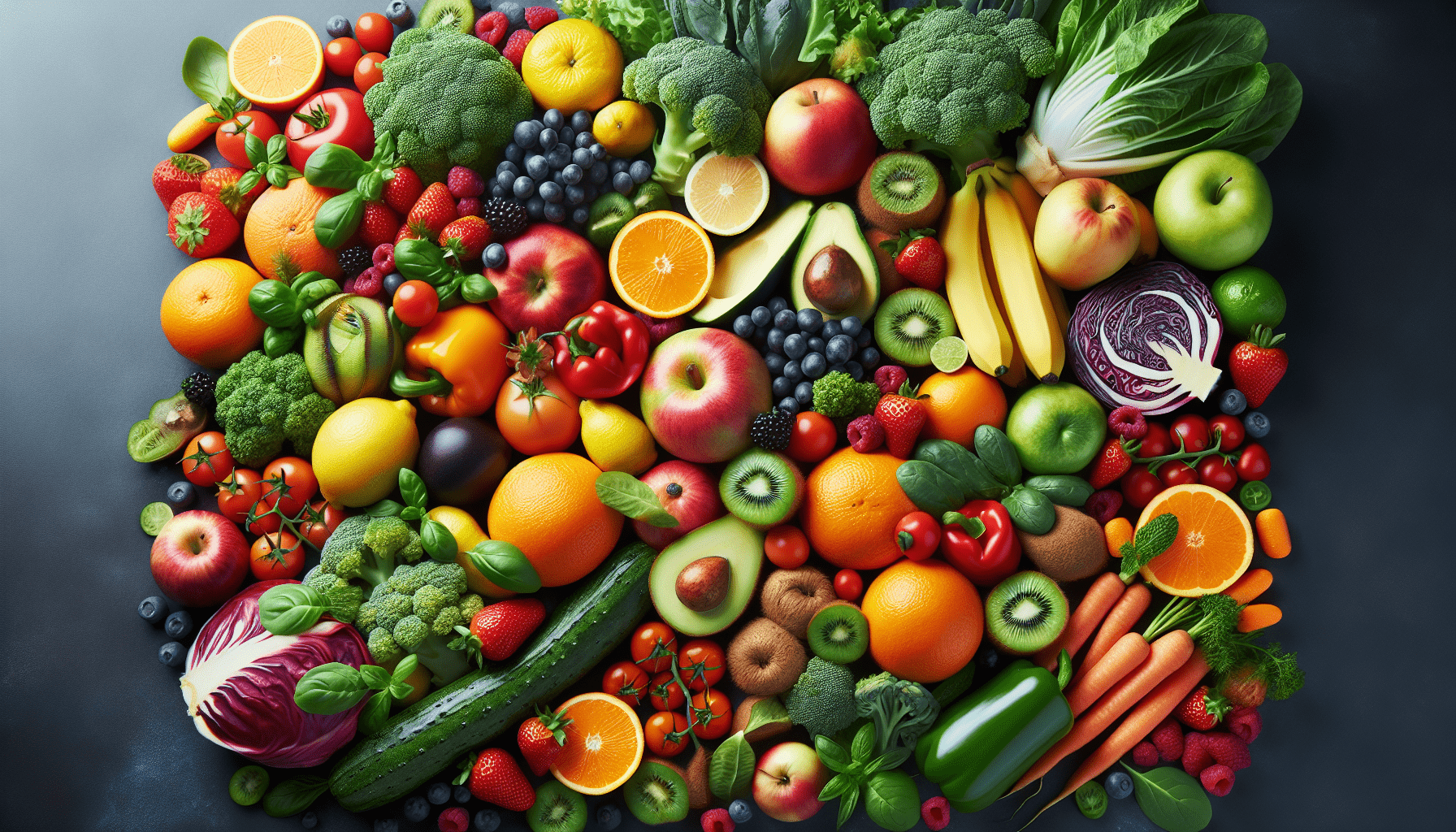
Fruits and vegetables are the cornerstone of any healthy diet, and they are especially important when it comes to holistic nutrition. These colorful plant foods are packed with vitamins, minerals, antioxidants, and fiber, all of which are essential for optimal health. Aim to fill half of your plate with fruits and vegetables at every meal to ensure you are getting a wide variety of nutrients.
Whole Grains
Whole grains are another important component of holistic nutrition. Unlike refined grains, whole grains are unprocessed and contain all parts of the grain kernel, including the germ, bran, and endosperm. This means they are rich in fiber, vitamins, minerals, and antioxidants. Some examples of whole grains include brown rice, quinoa, oatmeal, and whole wheat bread.
Lean Protein
Protein is an essential macronutrient that plays a crucial role in many bodily functions, including muscle repair, immune function, and hormone production. When choosing protein sources for holistic nutrition, opt for lean sources such as poultry, fish, beans, lentils, tofu, and nuts. These foods are not only rich in protein but also provide other important nutrients like iron, zinc, and omega-3 fatty acids.
Healthy Fats
Healthy fats are another key component of holistic nutrition. While it’s important to limit saturated and trans fats, unsaturated fats like those found in avocados, olive oil, nuts, and seeds are essential for brain health, hormone balance, and nutrient absorption. Including a variety of healthy fats in your diet can help reduce inflammation, support heart health, and improve overall well-being.
Probiotic-Rich Foods
Probiotics are beneficial bacteria that support gut health by promoting a healthy balance of microorganisms in the digestive system. Including probiotic-rich foods in your diet, such as yogurt, kefir, sauerkraut, and kimchi, can help improve digestion, boost immunity, and support overall health. These fermented foods are not only delicious but also provide a valuable source of live cultures that benefit your gut microbiome.
Herbs and Spices
Herbs and spices are not only flavorful additions to your meals but also provide a wide range of health benefits. Many herbs and spices are rich in antioxidants, anti-inflammatory compounds, and other bioactive substances that can help protect against chronic diseases and promote overall well-being. Consider incorporating herbs like turmeric, ginger, garlic, cinnamon, and parsley into your cooking to reap the benefits of their unique properties.
Hydrating Beverages
Staying hydrated is crucial for overall health, and choosing the right beverages can make a big difference in your holistic nutrition plan. Water is always the best choice for hydration, but herbal teas, green tea, and homemade fruit-infused waters are also great options. Avoid sugary sodas, energy drinks, and excessive caffeine, as these can dehydrate the body and lead to imbalances in blood sugar levels.
Meal Planning Tips for Holistic Nutrition
Now that you know the best foods for holistic nutrition, let’s talk about how to incorporate them into your daily meals. Meal planning is a great way to ensure you are getting a wide variety of nutrients and staying on track with your holistic nutrition goals. Here are some tips to help you plan balanced and nourishing meals:
Plan Ahead
Take some time at the beginning of the week to plan your meals and snacks. This will help you stay organized and make healthier choices throughout the week. Consider creating a menu, grocery list, and meal prep schedule to streamline the process.
Focus on Variety
Include a variety of fruits, vegetables, whole grains, proteins, healthy fats, and probiotic-rich foods in your meals. This will ensure you are getting a wide range of nutrients and flavors to keep things interesting.
Cook at Home
Cooking at home allows you to control the ingredients and portion sizes of your meals. Try to cook from scratch as much as possible and experiment with different cooking techniques and flavors to keep things exciting.
Listen to Your Body
Pay attention to your hunger and fullness cues and eat mindfully. Stop eating when you are full and try to tune into your body’s signals to determine when you are truly hungry versus just craving food out of boredom or stress.
Practice Balance
Remember that holistic nutrition is all about balance, not perfection. It’s okay to indulge in your favorite treats occasionally or enjoy a meal out with friends. The key is to focus on nourishing your body most of the time and listening to what it needs.
Putting It All Together
In conclusion, holistic nutrition is about nourishing your body with whole, nutrient-dense foods that support overall health and well-being. By focusing on fruits and vegetables, whole grains, lean proteins, healthy fats, probiotic-rich foods, herbs and spices, and hydrating beverages, you can create a balanced and nourishing diet that promotes vitality and energy.
So the next time you sit down to eat, remember to choose foods that not only taste good but also make you feel good from the inside out. Your body will thank you for it!