
Welcome to our article on “The Top 5 Ways to Boost Mental Wellness”! In this piece, we will explore simple and effective strategies that you can incorporate into your daily routine to promote a healthier mind and overall well-being. From practicing mindfulness and exercise to cultivating a positive mindset and nurturing social connections, these tips will help you navigate life’s challenges with resilience and positivity. Let’s dive in and discover how you can prioritize your mental wellness starting today! Have you been feeling stressed, anxious, or overwhelmed lately? It’s important to take care of your mental health, just like you would take care of your physical health. In this article, we’ll explore the top 5 ways to boost your mental wellness and help you feel more balanced, happy, and at peace in your everyday life.
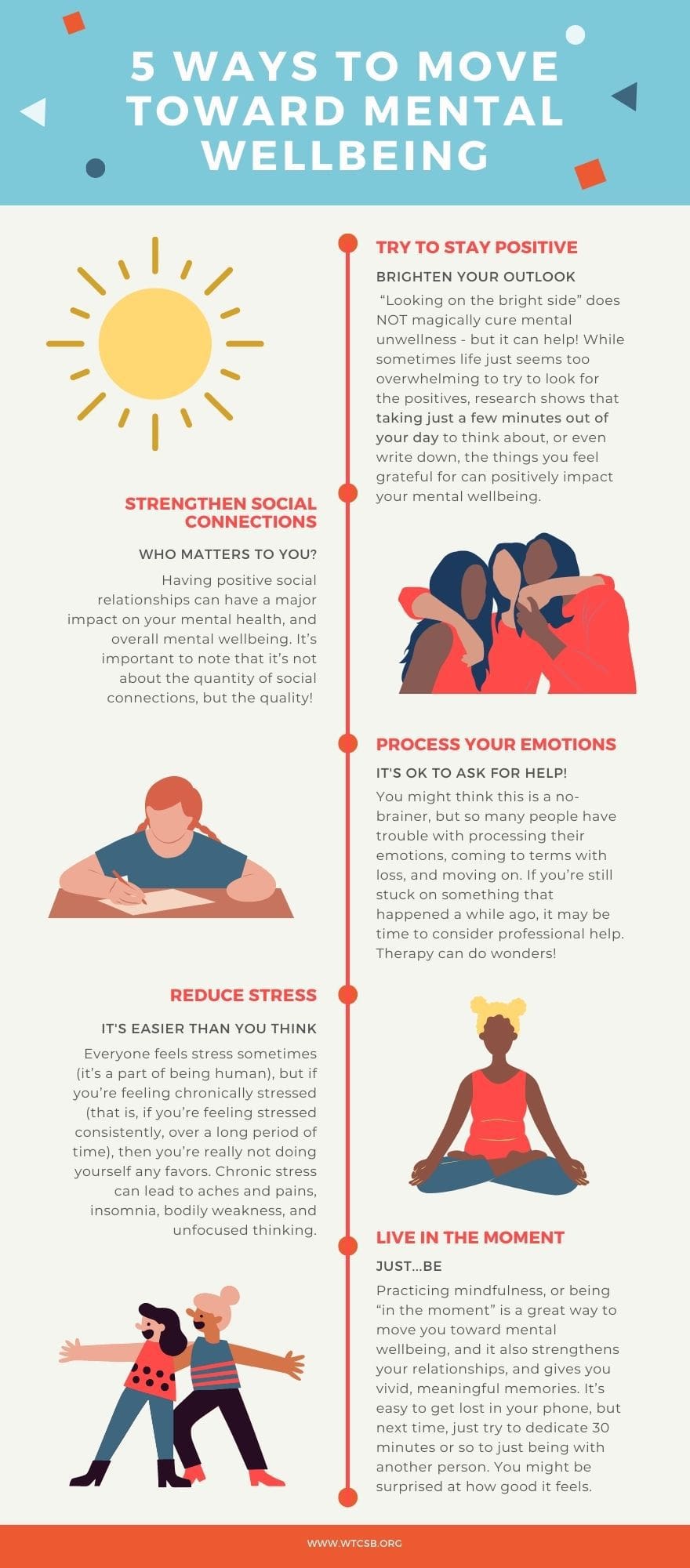
Prioritize Self-Care
Taking care of yourself is essential for maintaining good mental health. Whether it’s practicing relaxation techniques, setting boundaries, or engaging in activities you enjoy, self-care plays a vital role in boosting your overall well-being.
Schedule Time for Yourself
Make sure to carve out time in your busy schedule to focus on yourself. Whether it’s a few minutes each day for meditation or a weekly self-care day filled with activities that bring you joy, prioritizing time for yourself can help reduce stress and improve your mood.
Practice Relaxation Techniques
Incorporating relaxation techniques like deep breathing, progressive muscle relaxation, or mindfulness meditation can help calm your mind and alleviate feelings of anxiety or tension. These practices can be done anywhere and at any time, making them convenient tools for managing stress.
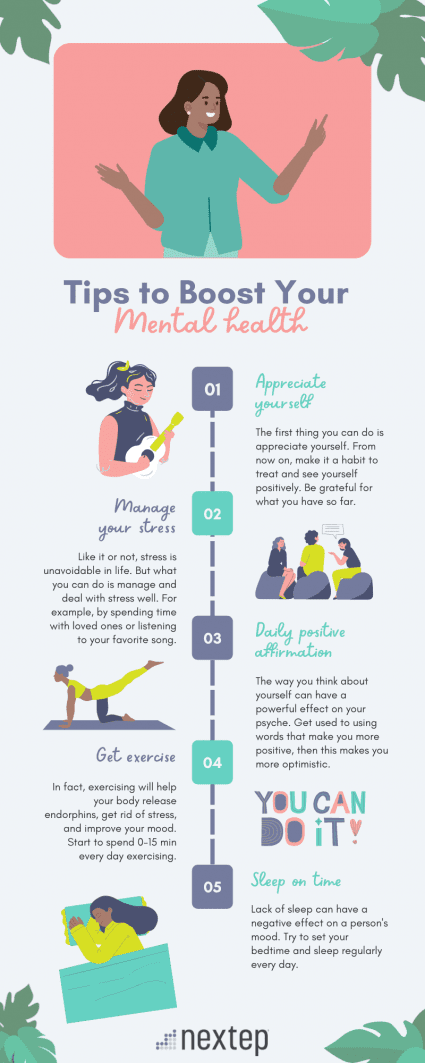
Stay Active and Exercise Regularly
Physical activity doesn’t just benefit your body – it also has a positive impact on your mental health. Regular exercise has been shown to reduce symptoms of depression and anxiety, improve mood, and increase feelings of well-being.
Find an Exercise Routine You Enjoy
Whether it’s running, yoga, dancing, or weightlifting, finding an exercise routine that you enjoy can make all the difference in staying consistent with physical activity. Choose activities that you look forward to and that make you feel good both mentally and physically.
Get Outside and Connect with Nature
Spending time outdoors has been linked to numerous mental health benefits, including reduced feelings of stress, improved mood, and increased feelings of relaxation. Take a walk in nature, have a picnic in the park, or simply sit outside and soak up the sun to reap the mental wellness benefits of nature.
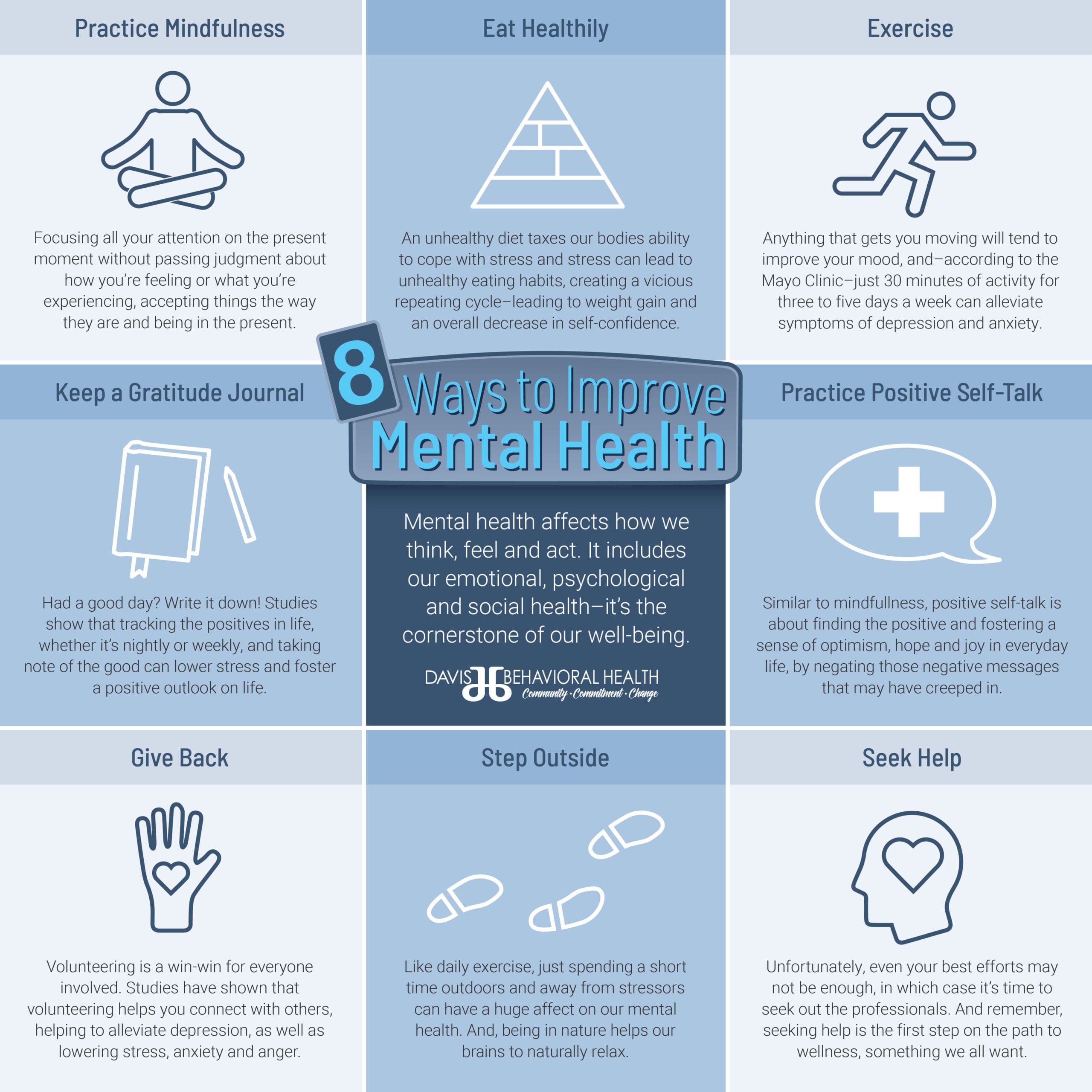
Cultivate Healthy Relationships
Having strong, supportive relationships is crucial for mental wellness. Whether it’s family, friends, or a significant other, connecting with others and building positive relationships can help improve your mood, reduce feelings of loneliness, and provide a support system during tough times.
Communicate Openly and Honestly
Effective communication is key to maintaining healthy relationships. Expressing your thoughts and feelings openly, listening actively, and resolving conflicts in a constructive manner can strengthen your connections with others and foster a sense of trust and understanding.
Set Boundaries
Setting boundaries in your relationships is essential for maintaining your mental health and well-being. Learn to say no when you need to, prioritize your needs, and communicate your limits to others to protect your emotional energy and prevent feelings of resentment or burnout.
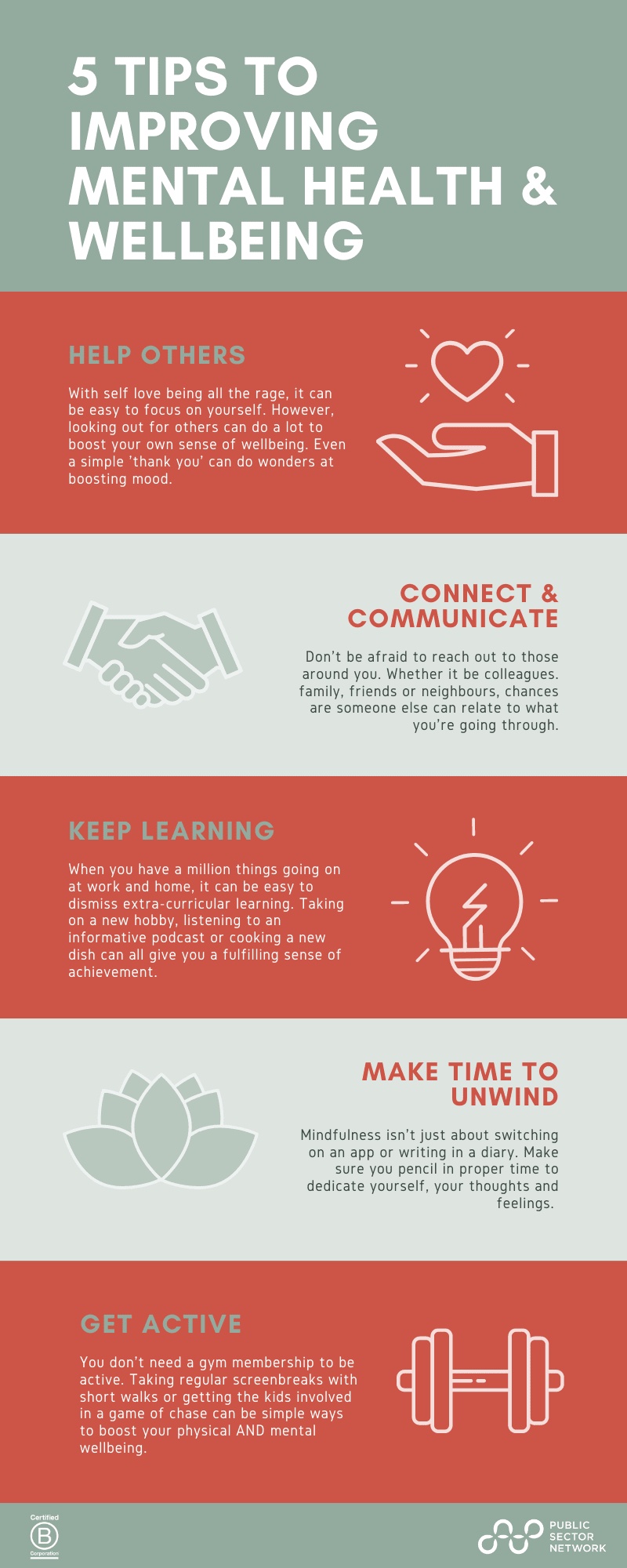
Practice Mindfulness and Stress Management
Mindfulness is the practice of being present in the moment, without judgment or attachment to thoughts or feelings. Cultivating mindfulness through practices like meditation, deep breathing, or mindfulness exercises can help you manage stress, improve focus, and enhance your overall well-being.
Start a Mindfulness Practice
Begin by setting aside a few minutes each day to practice mindfulness. You can start with simple breathing exercises, guided meditations, or body scans to help you become more aware of your thoughts and emotions and cultivate a sense of calm and presence.
Manage Stress Through Healthy Coping Strategies
Stress is a natural part of life, but how you cope with it can make a significant difference in your mental health. Engage in healthy coping strategies like exercise, hobbies, journaling, or talking to a friend to manage stress and prevent it from overwhelming you.
Get Sufficient Sleep
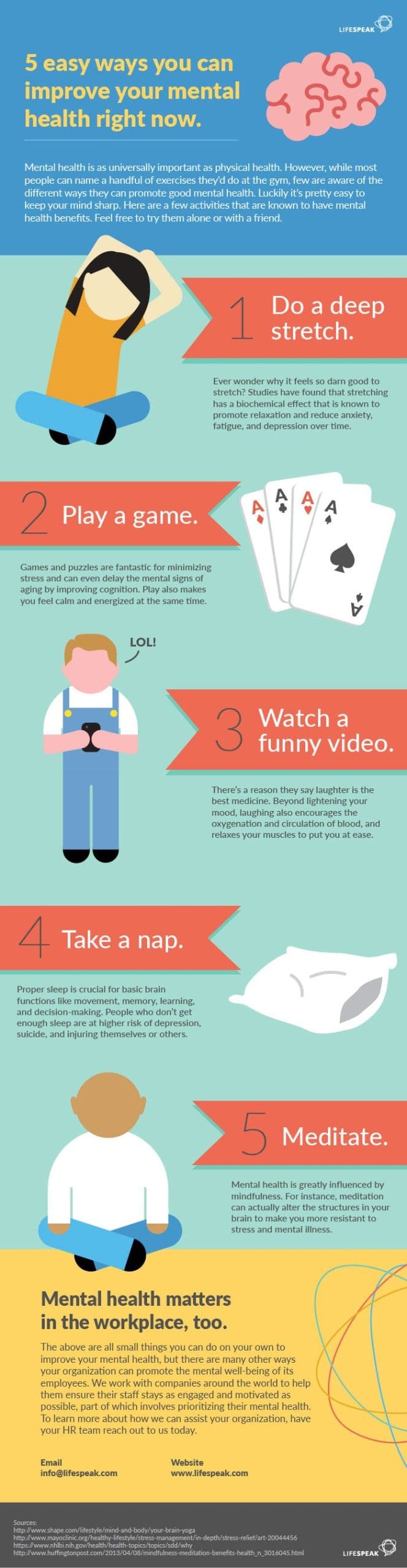
Sleep plays a critical role in mental health and well-being. Getting enough restful sleep can help improve mood, concentration, and overall cognitive function, while chronic sleep deprivation can lead to increased feelings of irritability, stress, and fatigue.
Establish a Bedtime Routine
Creating a bedtime routine can signal to your body that it’s time to wind down and prepare for sleep. Incorporate relaxing activities like reading, taking a warm bath, or practicing relaxation techniques to help you drift off to sleep more easily.
Prioritize Quality Sleep
Make sure to create an optimal sleep environment by keeping your bedroom dark, quiet, and cool. Avoid screens before bedtime, limit caffeine and alcohol intake, and aim for 7-9 hours of quality sleep each night to support your mental wellness.
Incorporating these top 5 ways to boost your mental wellness into your daily routine can help you feel more balanced, resilient, and at peace in your everyday life. Remember, taking care of your mental health is just as important as taking care of your physical health, so prioritize self-care, stay active, cultivate healthy relationships, practice mindfulness, and get sufficient sleep to support your overall well-being. Start implementing these strategies today and watch as your mental wellness improves over time.