Welcome to an informative article about the best foods for preventing cancer. By incorporating these healthy and delicious foods into your diet, you can take a proactive approach to reducing your risk of developing cancer. From colorful fruits and vegetables rich in antioxidants to lean proteins and whole grains, making small changes to your daily meals can have a big impact on your overall health. Let’s explore the top foods that can help keep cancer at bay and support your well-being.
“Best Foods For Preventing Cancer”
Hey there! Are you looking to incorporate foods into your diet that can potentially help reduce your risk of developing cancer? Look no further! In this article, we’ll explore some of the best foods you can add to your daily meals to help prevent cancer. From fruits and vegetables to whole grains and spices, there are many delicious and nutritious options for you to choose from. Let’s dive in!

Fruits
Fruits are not only delicious but also packed with vitamins, minerals, and antioxidants that can help protect your cells from damage. Some fruits have even been shown to have anti-cancer properties, making them excellent choices for a cancer-preventative diet. Here are some fruits to consider adding to your shopping list:
-
Berries: Berries such as blueberries, strawberries, raspberries, and blackberries are rich in antioxidants like anthocyanins, which can help fight cancer-causing free radicals in the body. Try adding a handful of berries to your morning oatmeal or yogurt for a tasty and healthy breakfast.
-
Citrus Fruits: Oranges, grapefruits, lemons, and limes are all packed with vitamin C, which is known for its immune-boosting properties. Vitamin C also acts as an antioxidant, helping to protect cells from damage that can lead to cancer. Enjoy a glass of freshly squeezed orange juice or add slices of lemon to your water for a refreshing and healthy beverage.
-
Apples: An apple a day may help keep cancer away! Apples are high in fiber and contain phytochemicals like quercetin, which has been shown to have anti-cancer effects. Snack on a crunchy apple with some almond butter for a satisfying and nutritious treat.
Vegetables
Vegetables are an essential part of a healthy diet and can play a crucial role in cancer prevention. Many vegetables are rich in antioxidants, fiber, and other nutrients that can help keep your cells healthy and protect them from mutations that can lead to cancer. Here are some vegetables to consider adding to your meals:
-
Leafy Greens: Spinach, kale, collard greens, and other leafy greens are rich in fiber, vitamins, and minerals that can help reduce inflammation and support healthy cell function. Try adding a handful of leafy greens to your salads, smoothies, or stir-fries for an extra nutritional boost.
-
Cruciferous Vegetables: Broccoli, cauliflower, Brussels sprouts, and cabbage are all part of the cruciferous vegetable family, known for their cancer-fighting properties. These vegetables contain compounds like sulforaphane, which has been shown to inhibit the growth of cancer cells. Roast some broccoli with garlic and olive oil for a delicious side dish or add shredded Brussels sprouts to your salads.
-
Bell Peppers: Bell peppers are not only colorful and flavorful but also rich in antioxidants like vitamin C and beta-carotene. These antioxidants can help protect cells from damage and reduce the risk of certain types of cancer. Enjoy bell peppers raw with hummus or roasted and stuffed with quinoa for a tasty and healthy meal.

Whole Grains
Whole grains are an important source of fiber, vitamins, minerals, and phytochemicals that can help lower the risk of cancer and other chronic diseases. Unlike refined grains, whole grains contain the entire grain kernel, including the bran, germ, and endosperm, making them a more nutritious choice. Here are some whole grains to consider incorporating into your diet:
-
Brown Rice: Brown rice is a whole grain that is rich in fiber, B vitamins, and minerals like magnesium and selenium. These nutrients can help support healthy cell function and reduce inflammation in the body. Swap out white rice for brown rice in your stir-fries, grain bowls, and side dishes for a healthier alternative.
-
Quinoa: Quinoa is a complete protein source and contains all nine essential amino acids that the body needs for optimal health. It is also rich in fiber, antioxidants, and minerals like iron and magnesium. Cook up a batch of quinoa and mix it into salads, soups, or stir-fries for a nutritious and filling meal.
-
Oats: Oats are a great source of soluble fiber, which can help lower cholesterol levels and regulate blood sugar levels. They also contain antioxidants like avenanthramides, which have been shown to have anti-inflammatory and anti-cancer effects. Start your day with a bowl of oatmeal topped with fresh fruit, nuts, and seeds for a healthy and satisfying breakfast.

Spices and Herbs
Spices and herbs are not only flavorful additions to your meals but also packed with potent antioxidants and anti-inflammatory compounds that can help protect your cells from damage and reduce the risk of cancer. From turmeric and ginger to garlic and cinnamon, there are many spices and herbs to include in your cooking. Here are some to consider:
-
Turmeric: Turmeric contains a compound called curcumin, which has powerful anti-inflammatory and antioxidant properties that can help protect cells from damage and reduce the growth of cancer cells. Add turmeric to your curries, soups, and smoothies for a vibrant color and a boost of health benefits.
-
Ginger: Ginger is known for its anti-inflammatory and immune-boosting properties, thanks to compounds like gingerol and shogaols. It can help reduce inflammation in the body and support healthy cell function. Use fresh or ground ginger in your stir-fries, teas, and baked goods for a spicy and aromatic flavor.
-
Garlic: Garlic contains sulfur compounds like allicin, which have been shown to have anti-cancer effects by inhibiting the growth of cancer cells and reducing inflammation. Incorporate fresh garlic into your sauces, dressings, and marinades for a savory and healthy twist.
Conclusion
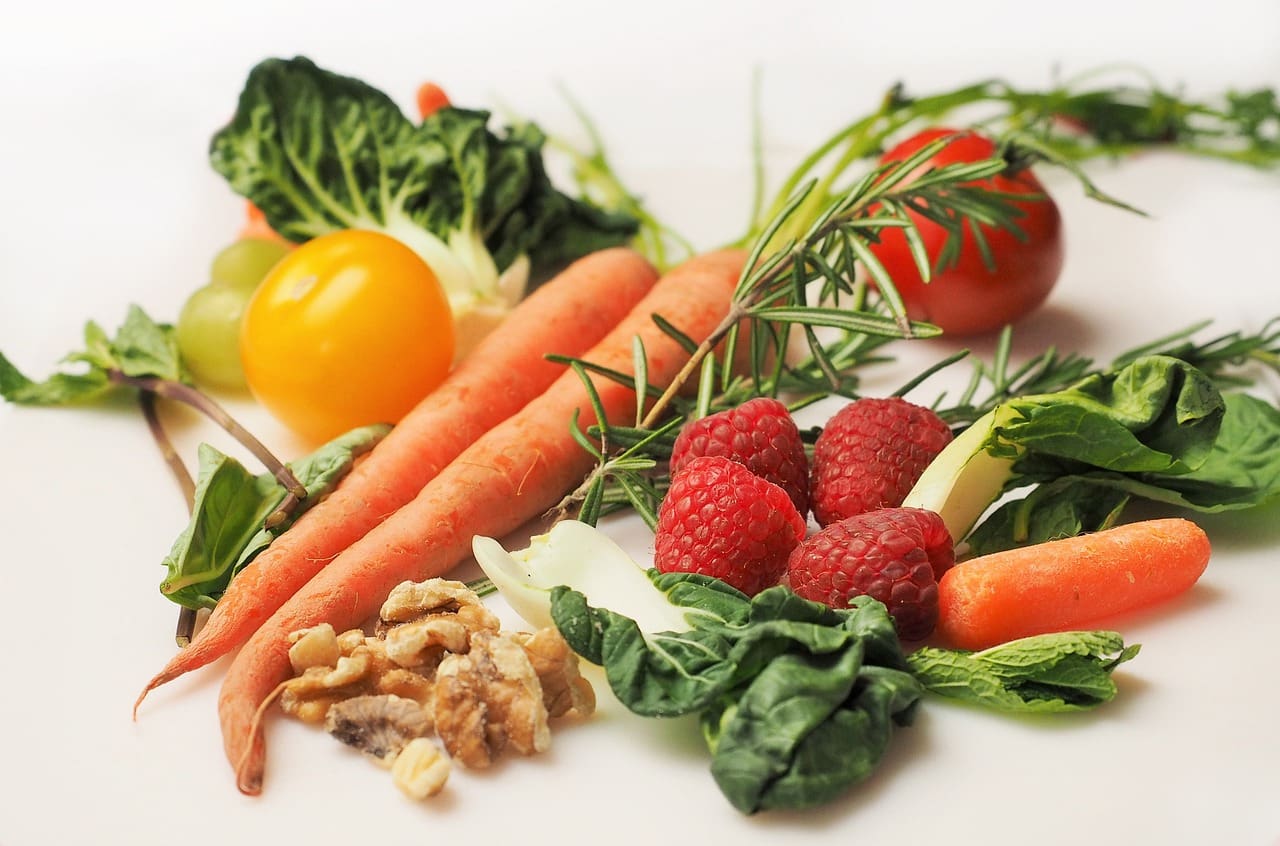
Incorporating a variety of fruits, vegetables, whole grains, and spices into your diet can help reduce your risk of developing cancer and other chronic diseases. By choosing nutrient-rich foods and avoiding processed and sugary foods, you can support healthy cell function and protect your cells from damage that can lead to cancer. Remember to consult with a healthcare provider or a registered dietitian before making any significant changes to your diet, especially if you have specific health concerns or medical conditions. Here’s to your health and well-being!