
Welcome to an article on Nutrition Tips for Managing Stress! In this fast-paced world, stress can easily take a toll on your physical and mental well-being. By incorporating healthy eating habits into your daily routine, you can effectively manage stress levels and boost overall resilience. From consuming foods rich in antioxidants to staying hydrated and avoiding excessive caffeine intake, these simple nutrition tips can go a long way in helping you navigate through life’s challenges with ease. So, let’s explore some key dietary strategies to tackle stress and promote a healthy lifestyle.
Nutrition Tips For Managing Stress
Are you feeling overwhelmed by stress and looking for ways to help manage it? One area that often gets overlooked when it comes to stress management is nutrition. Believe it or not, what you eat can have a big impact on how you feel both mentally and physically. In this article, we’ll explore some nutrition tips to help you better cope with stress in your life.
Understanding the Impact of Stress on Nutrition
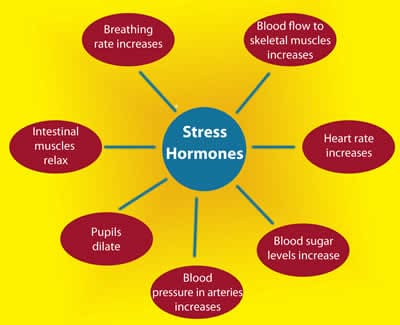
Before diving into specific nutrition tips, it’s important to understand how stress can impact your eating habits and overall nutrition. When you’re stressed, your body releases hormones like cortisol, which can increase your appetite and lead to cravings for sugary, fatty foods. This can then lead to overeating and poor food choices, which can further exacerbate your stress levels.
Eating a Balanced Diet
One of the best ways to manage stress through nutrition is by eating a balanced diet that includes a variety of nutrients. This means filling your plate with plenty of fruits, vegetables, whole grains, lean protein, and healthy fats. These foods provide your body with the essential vitamins, minerals, and antioxidants it needs to function properly and cope with stress.

Making Sure You Stay Hydrated
It’s easy to forget to drink enough water when you’re busy and stressed, but staying hydrated is crucial for both your physical and mental well-being. Dehydration can lead to fatigue, headaches, and difficulty concentrating, all of which can make stress feel even more overwhelming. Aim to drink at least eight glasses of water per day and more if you’re exercising or in a hot climate.
Incorporating Stress-Relieving Foods Into Your Diet
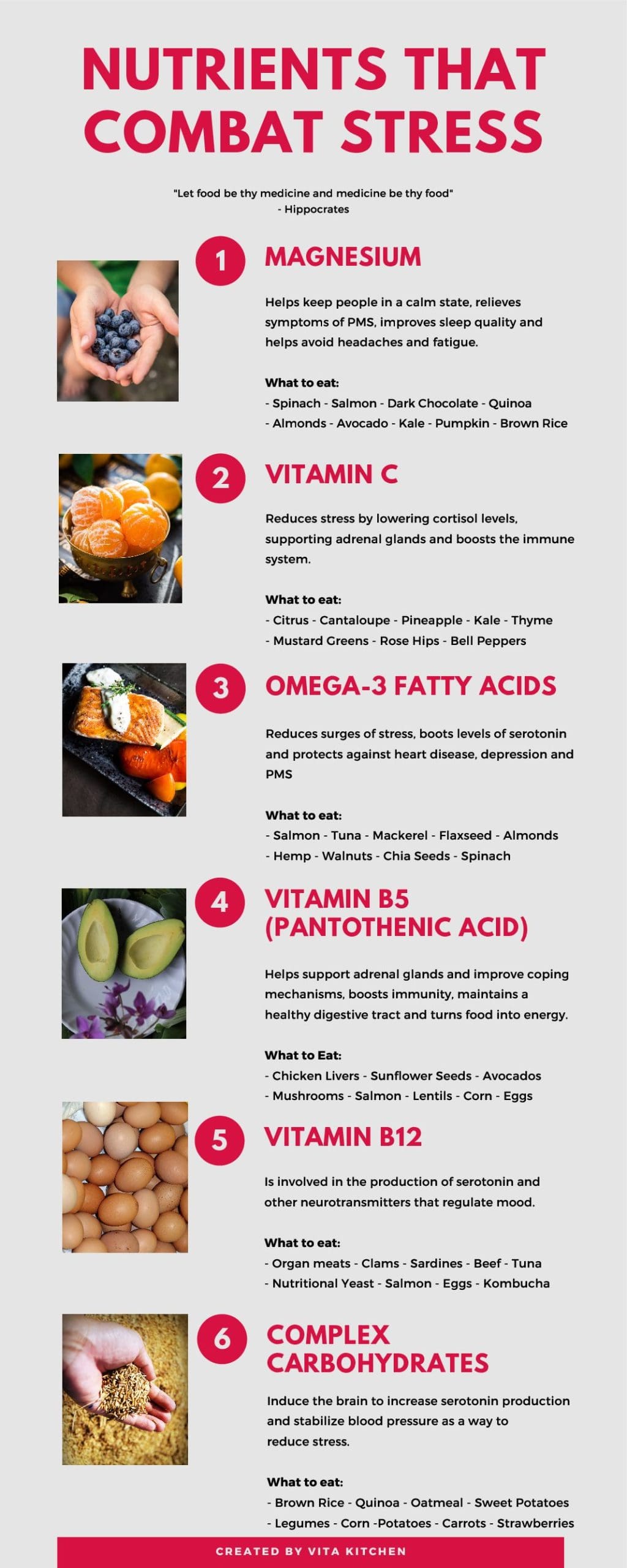
Believe it or not, there are certain foods that can actually help reduce stress and anxiety. These include:
- Avocados: Packed with healthy fats and vitamin E, avocados can help lower blood pressure and control cortisol levels.
- Berries: Rich in antioxidants, berries can help protect your cells from stress-related damage.
- Oats: Oats are a great source of complex carbohydrates that can boost serotonin levels and improve mood.
- Leafy Greens: Leafy greens like spinach and kale are rich in magnesium, a mineral that can help relax your muscles and calm your mind.
By incorporating these stress-relieving foods into your diet, you can give your body the nutrients it needs to better handle stress.
Avoiding Stress-Inducing Foods
Just as there are foods that can help reduce stress, there are also foods that can make it worse. These include:
- Caffeine: While a cup of coffee can give you a temporary energy boost, too much caffeine can increase anxiety and disrupt your sleep.
- Sugar: Sugary foods can cause a spike in blood sugar levels followed by a crash, leading to mood swings and irritability.
- Fried Foods: Greasy, fried foods can be harder for your body to digest, leading to feelings of sluggishness and discomfort.
By avoiding these stress-inducing foods, you can prevent unnecessary spikes and crashes in your energy levels and mood.
Meal Planning and Preparation
When you’re stressed, the last thing you want to do is spend hours in the kitchen preparing a meal. That’s where meal planning and preparation can be a huge help. By taking some time each week to plan out your meals and prep ingredients ahead of time, you can save yourself time and stress when it comes to cooking.
Eating Mindfully
Mindful eating involves paying attention to your body’s hunger cues and being present in the moment while you eat. This can help prevent overeating and emotional eating, both of which can be common responses to stress. Try to eat slowly, savoring each bite, and listen to your body’s signals of hunger and fullness.
Practicing Portion Control
Stress eating often leads to mindlessly consuming large portions of food, which can leave you feeling physically uncomfortable and guilty. By practicing portion control, you can still enjoy your favorite foods while keeping your portions in check. Try using smaller plates, measuring out servings, and being mindful of portion sizes when dining out.

Snacking Smartly
When stress hits, it’s easy to reach for the nearest bag of chips or cookies for a quick pick-me-up. However, these sugary and high-calorie snacks can actually make stress worse in the long run. Instead, opt for healthier snack options like:
- Nuts and Seeds: Packed with healthy fats and protein, nuts and seeds can help keep you full and satisfied.
- Greek Yogurt: High in protein and probiotics, Greek yogurt can help support a healthy gut and improve mood.
- Fresh Fruit: Fruits like apples, oranges, and bananas provide a natural source of sugar and fiber for sustained energy.
- Vegetable Sticks: Pair vegetable sticks with hummus or nut butter for a crunchy and satisfying snack.
By choosing healthier snack options, you can keep your energy levels stable and avoid the crash that comes with sugary snacks.
Supplementing Your Diet
In addition to eating a balanced diet, you may also benefit from supplementing with certain nutrients that can help support your body during times of stress. Some supplements to consider include:
- Magnesium: A mineral that plays a key role in muscle relaxation and stress management.
- Vitamin B Complex: B vitamins are essential for energy production and can help combat fatigue and mood swings.
- Omega-3 Fatty Acids: Found in fish oil, omega-3s can help reduce inflammation and support brain health.
Before adding any supplements to your routine, it’s important to consult with a healthcare professional to ensure they’re appropriate for your individual needs.
Listening to Your Body
Ultimately, the most important thing when it comes to managing stress through nutrition is listening to your body. Pay attention to how different foods make you feel and adjust your diet accordingly. If you find that certain foods worsen your stress, try eliminating them from your diet. Remember, everyone’s body is different, so what works for one person may not work for another.
Seek Support When Needed
If you’re feeling overwhelmed by stress and finding it difficult to manage on your own, don’t hesitate to seek support from a mental health professional. Therapy, counseling, and support groups can all be valuable resources for learning how to cope with stress in healthy ways. Remember, it’s okay to ask for help when you need it.
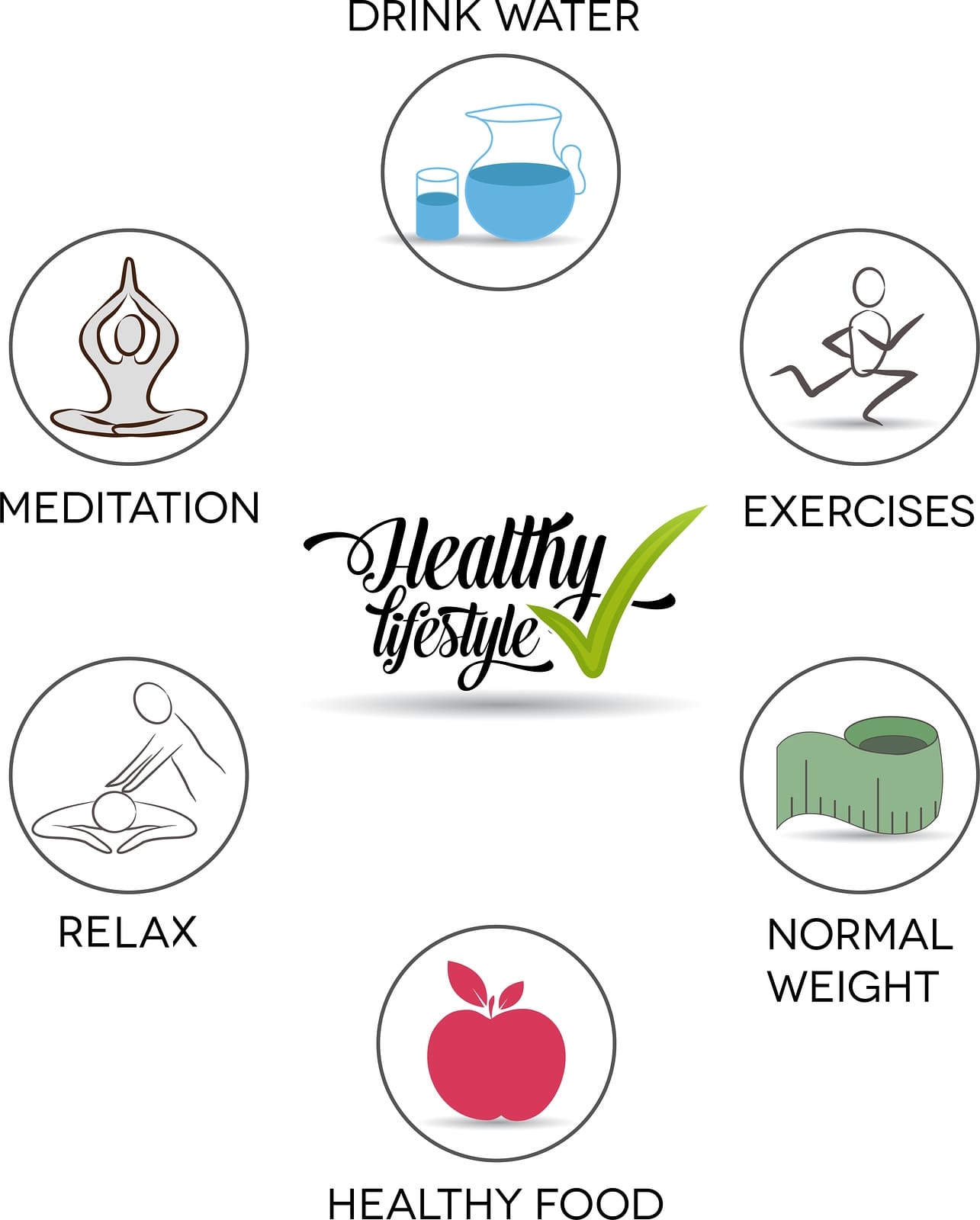
In conclusion, managing stress through nutrition is all about fueling your body with the nutrients it needs to cope with life’s challenges. By eating a balanced diet, staying hydrated, incorporating stress-relieving foods, and avoiding stress-inducing foods, you can better equip yourself to handle stress in a healthy way. Remember to listen to your body, practice mindful eating, and seek support when needed. You deserve to feel your best, both mentally and physically.