
Welcome to an article all about maintaining healthy skin as you age. In this article, you will discover some key tips and best practices to keep your skin looking and feeling its best as you get older. From proper hydration to regular sunscreen use, we will cover all the essentials for achieving radiant and healthy skin at any age. So sit back, relax, and let’s dive into some skincare wisdom to help you age gracefully. Are you wondering how to keep your skin looking healthy and vibrant as you age? Don’t worry, because you’re not alone! Many people struggle with finding the best practices for maintaining healthy skin as they get older. In this article, we will delve into some helpful tips and strategies to help you achieve radiant and youthful-looking skin, no matter what your age. Let’s dive in and discover the best practices for healthy skin as you get older!

Importance of Skincare Routine
Having a consistent skincare routine is essential for maintaining healthy skin as you age. Cleansing, toning, moisturizing, and protecting your skin from the sun are all crucial steps in taking care of your skin. By following a regular skincare routine, you can help prevent premature aging, reduce the appearance of fine lines and wrinkles, and keep your skin looking fresh and radiant.
Why You Need a Skincare Routine
Having a skincare routine is like brushing your teeth – it’s a daily habit that helps keep your skin healthy and glowing. Cleansing your skin removes dirt, oil, and impurities that can clog pores and cause breakouts. Toning helps to balance your skin’s pH levels and tighten pores, while moisturizing keeps your skin hydrated and supple. Finally, applying sunscreen protects your skin from harmful UV rays that can cause sun damage and premature aging.
Cleanse Your Skin Properly
One of the most important steps in any skincare routine is cleansing your skin properly. Cleansing helps remove dirt, oil, makeup, and other impurities that can build up on your skin throughout the day. It’s essential to choose a gentle cleanser that won’t strip your skin of its natural oils or leave it feeling dry and tight.
Tips for Cleansing Your Skin
- Wash your face with lukewarm water to avoid stripping your skin of its natural oils.
- Use a gentle cleanser that is suitable for your skin type (dry, oily, combination, sensitive, etc.).
- Avoid harsh scrubbing or rubbing, as this can irritate your skin and cause redness.
- Pat your skin dry with a clean towel instead of rubbing to prevent tugging and pulling on your skin.
Remember, cleansing your skin is the first step in your skincare routine and sets the foundation for the rest of your products to work effectively.

Hydrate Your Skin Inside and Out
Proper hydration is key to maintaining healthy skin as you age. Hydrating your skin from the inside out by drinking plenty of water and eating a balanced diet rich in fruits, vegetables, and healthy fats can help keep your skin looking plump and glowing. Additionally, using a moisturizer suitable for your skin type can help lock in moisture and prevent dehydration.
Tips for Hydrating Your Skin
- Drink at least eight glasses of water a day to help keep your skin hydrated from the inside out.
- Eat a diet rich in fruits and vegetables, which are high in antioxidants that can help protect your skin from damage.
- Use a moisturizer that is suited for your skin type (e.g., oily, dry, combination) to keep your skin hydrated.
- Consider using a hydrating serum or face mask for an extra boost of moisture when needed.
Maintaining proper hydration is essential for keeping your skin looking youthful and radiant as you age.
Protect Your Skin from the Sun
Sun protection is crucial for maintaining healthy skin as you get older. Exposure to harmful UV rays from the sun can cause sunburn, premature aging, sun spots, and even skin cancer. Using sunscreen with an SPF of 30 or higher daily can help protect your skin from sun damage and prevent signs of aging.
Tips for Sun Protection
- Apply sunscreen with an SPF of 30 or higher every day, even on cloudy days or during the winter months.
- Reapply sunscreen every two hours, especially if you are swimming or sweating.
- Wear protective clothing, such as hats, sunglasses, and long sleeves, when spending time outdoors.
- Seek shade during peak sun hours (10 a.m. to 4 p.m.) to reduce your exposure to harmful UV rays.
Protecting your skin from the sun is one of the best ways to prevent premature aging and maintain healthy, youthful-looking skin.
Incorporate Anti-Aging Products
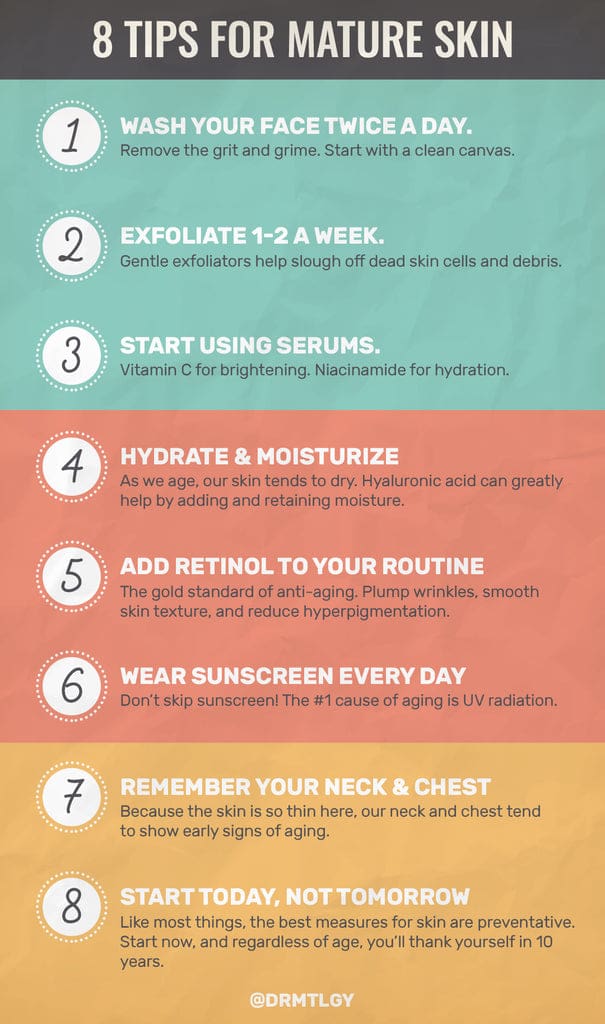
As you age, your skin’s needs change, and incorporating anti-aging products into your skincare routine can help address signs of aging such as fine lines, wrinkles, and age spots. Using products with ingredients like retinol, hyaluronic acid, vitamin C, and peptides can help improve skin texture, reduce the appearance of wrinkles, and promote collagen production.
Tips for Using Anti-Aging Products
- Start with a low concentration of retinol and gradually increase as your skin tolerates it to avoid irritation.
- Look for products with hyaluronic acid to help hydrate and plump your skin.
- Vitamin C serums can help brighten your skin, even out skin tone, and protect against environmental damage.
- Peptides can stimulate collagen production and improve skin elasticity and firmness.
Incorporating anti-aging products into your skincare routine can help address signs of aging and keep your skin looking youthful and radiant.
Get Plenty of Beauty Sleep
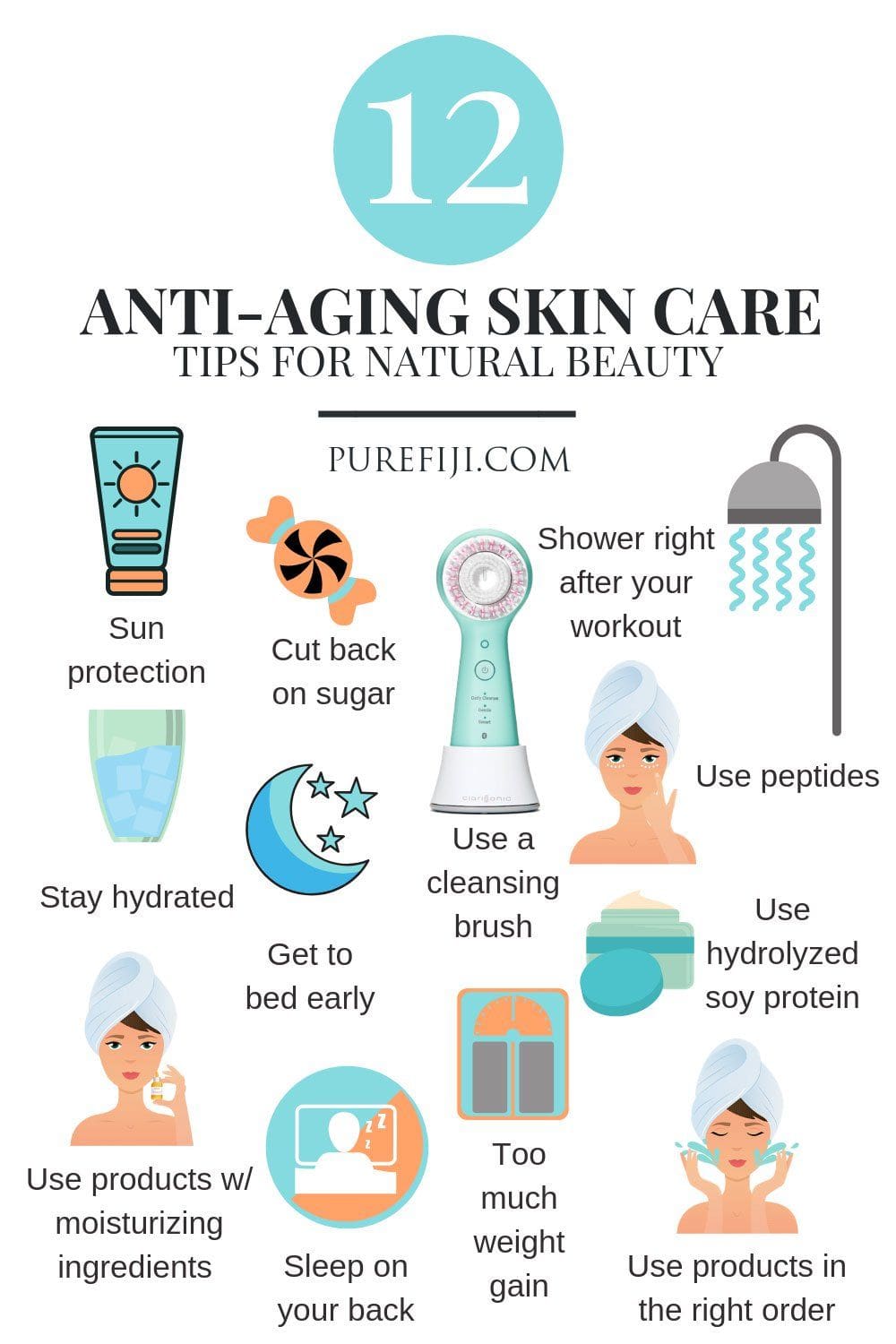
Getting enough sleep is essential for maintaining healthy skin as you age. During sleep, your body repairs and rejuvenates itself, which includes producing collagen and elastin, two proteins that help keep your skin firm and elastic. Lack of sleep can lead to dark circles, puffiness, and a dull complexion, so aim to get seven to nine hours of quality sleep each night.
Tips for Beauty Sleep
- Establish a bedtime routine to help you wind down and relax before going to sleep.
- Avoid caffeine and electronic devices before bedtime to promote better sleep quality.
- Sleep on a silk pillowcase to reduce friction and prevent wrinkles and creases on your skin.
- Use a humidifier in your bedroom to keep the air moist and prevent dry skin.
Getting plenty of beauty sleep is essential for maintaining healthy and youthful-looking skin as you age.
Practice Self-Care and Reduce Stress
Stress can have a significant impact on your skin health, leading to breakouts, inflammation, and premature aging. Practicing self-care, such as meditation, yoga, or deep breathing exercises, can help reduce stress levels and improve your overall skin health. Taking time for yourself and engaging in activities that bring you joy can also help boost your mood and promote healthy skin.
Tips for Stress Reduction
- Practice mindfulness meditation for a few minutes each day to help reduce stress and promote relaxation.
- Engage in physical activity, such as yoga or walking, to help relieve tension and improve circulation.
- Take regular breaks throughout the day to relax and recharge, especially if you are feeling overwhelmed.
- Prioritize self-care activities that bring you joy, such as reading, painting, or spending time with loved ones.
Reducing stress and practicing self-care are essential for maintaining healthy skin and overall well-being as you age.
Consult with a Dermatologist
If you are struggling with skin concerns that you cannot address on your own, it may be beneficial to consult with a dermatologist. A dermatologist can evaluate your skin, recommend appropriate treatments, and provide personalized advice on how to care for your skin as you age. They can also help you address specific skin conditions such as acne, rosacea, eczema, and psoriasis.
When to See a Dermatologist
- If you have persistent acne or breakouts that do not improve with over-the-counter products.
- If you notice changes in your skin, such as new moles, spots, or rashes.
- If you have a family history of skin cancer or other skin conditions.
- If you are unsure about your skin type or how to care for your skin properly.
Consulting with a dermatologist can help you address any skin concerns and develop a personalized skincare routine that suits your needs and concerns.
In conclusion, maintaining healthy skin as you get older requires a combination of proper skincare, hydration, sun protection, anti-aging products, beauty sleep, stress reduction, and regular visits to a dermatologist. By following these best practices and incorporating them into your daily routine, you can achieve healthy, radiant, and youthful-looking skin at any age. Remember, taking care of your skin is an investment in your overall health and well-being, so make it a priority to pamper yourself and enjoy the benefits of healthy skin for years to come!
