
Welcome to a comprehensive guide on the best practices for managing asthma symptoms. If you or a loved one is living with asthma, it’s important to have a solid understanding of how to keep symptoms under control and live a happy, healthy life. From avoiding triggers to utilizing proper medication techniques, this article will provide you with valuable tips and strategies to help you effectively manage your asthma symptoms. Let’s dive in and take control of your asthma together! Hey there! Do you or someone you know suffer from asthma? Managing asthma symptoms can be challenging, but with the right strategies in place, you can lead a healthy and active life. In this article, we will explore the best practices for managing asthma symptoms and provide you with practical tips to help you breathe easier. Let’s dive in!
Understanding Asthma
Asthma is a chronic respiratory condition that affects the airways in your lungs. People with asthma have inflamed airways that can become swollen and produce excess mucus, making it difficult to breathe. Common symptoms of asthma include wheezing, coughing, chest tightness, and shortness of breath. Understanding the nature of asthma is the first step in managing its symptoms effectively.
How Asthma Affects Your Body
When you have asthma, your airways are hypersensitive to certain triggers, such as allergens, exercise, pollution, or respiratory infections. When exposed to these triggers, your airways become inflamed, causing them to narrow and making it harder for air to flow in and out of your lungs. This results in the characteristic symptoms of asthma, such as wheezing and coughing.
Medications for Asthma
Medications play a crucial role in managing asthma symptoms and controlling inflammation in the airways. There are two main types of medications used to treat asthma: quick-relief medications (rescue inhalers) and long-term control medications. It’s important to work with your healthcare provider to develop a personalized asthma action plan that includes the right medications for your specific needs.
Quick-Relief Medications
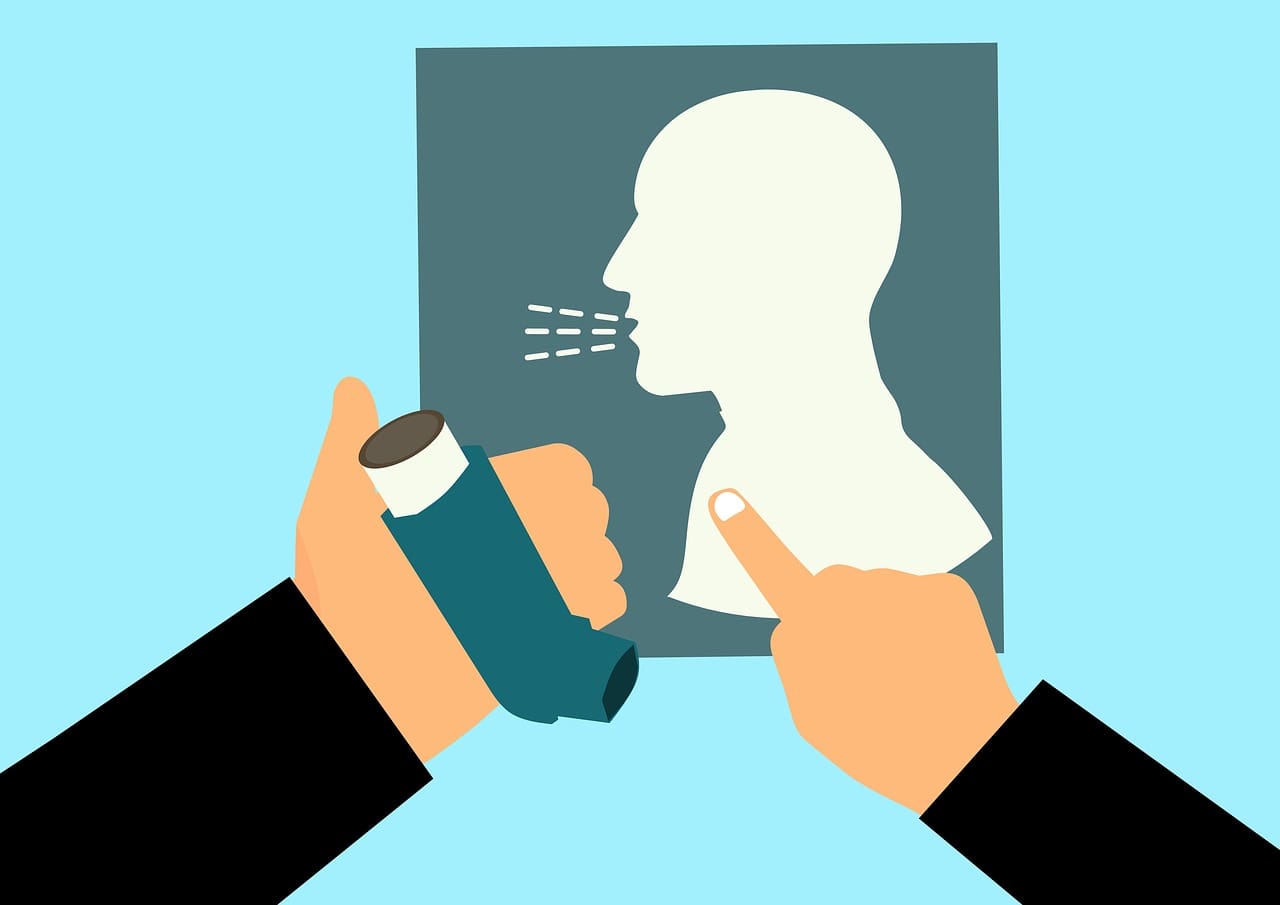
Quick-relief medications, also known as rescue inhalers, are used to provide immediate relief during asthma attacks or flare-ups. These medications work by relaxing the muscles in your airways, making it easier to breathe. Examples of quick-relief medications include albuterol (ProAir, Ventolin) and levalbuterol (Xopenex).
Long-Term Control Medications
Long-term control medications are taken on a daily basis to prevent asthma symptoms and reduce inflammation in the airways. These medications help manage asthma over the long term and may include inhaled corticosteroids, long-acting beta-agonists, leukotriene modifiers, and biologic therapies. It’s important to use long-term control medications as prescribed by your healthcare provider to keep your asthma symptoms under control.
Asthma Triggers
Identifying and avoiding asthma triggers is key to managing your asthma symptoms and preventing flare-ups. Asthma triggers can vary from person to person, so it’s essential to pay attention to what triggers your symptoms and take steps to minimize your exposure.
Common Asthma Triggers
- Allergens: Dust mites, pollen, pet dander, mold
- Irritants: Cigarette smoke, air pollution, strong odors
- Respiratory Infections: Cold and flu viruses
- Exercise: Physical exertion can trigger asthma symptoms in some people
- Weather Changes: Cold air, humidity, and changes in temperature
- Stress: Emotional stress or anxiety can worsen asthma symptoms
Avoiding Asthma Triggers
To reduce your exposure to asthma triggers, consider taking the following steps:
- Use dust-proof pillow covers and mattress encasements to reduce exposure to dust mites.
- Keep your home clean and well-ventilated to minimize exposure to allergens.
- Avoid smoking and exposure to secondhand smoke.
- Monitor air quality alerts and limit outdoor activities on high-pollution days.
- Wash your hands frequently and avoid close contact with sick individuals to prevent respiratory infections.
Creating an Asthma Action Plan
An asthma action plan is a personalized guide that outlines how to manage your asthma on a day-to-day basis and what steps to take in case of an asthma attack. Working with your healthcare provider to create an asthma action plan can empower you to take control of your asthma and respond effectively to changes in your symptoms.
Components of an Asthma Action Plan
- Daily Medications: A list of medications to take regularly to manage your asthma symptoms.
- Asthma Triggers: Identification of common triggers and strategies to avoid them.
- Peak Flow Monitoring: Instructions on how to use a peak flow meter to monitor your lung function.
- Asthma Zones: Green (under control), Yellow (caution), and Red (medical alert) zones based on your symptoms.
- Emergency Contacts: Phone numbers for your healthcare provider, local hospital, and emergency services.
Using Your Asthma Action Plan
Keep your asthma action plan in a visible and easily accessible place, such as on your refrigerator or in your wallet. Review your plan regularly, especially if there are changes in your symptoms or triggers. Be sure to share your asthma action plan with family members, caregivers, teachers, and colleagues, so they know how to help you in case of an emergency.

Managing Asthma with Peak Flow Monitoring
Peak flow monitoring is a simple and effective way to track your lung function and manage your asthma symptoms. A peak flow meter is a handheld device that measures how fast you can breathe out air from your lungs. By monitoring your peak flow readings regularly, you can identify changes in your lung function and adjust your asthma medications accordingly.
How to Use a Peak Flow Meter
- Stand up straight and take a deep breath in.
- Place the mouthpiece of the peak flow meter in your mouth and close your lips around it.
- Blow out as hard and fast as you can into the peak flow meter.
- Record the highest of three readings on the peak flow meter.
Interpreting Peak Flow Readings
- Green Zone: 80-100% of your personal best peak flow. Your asthma is under control.
- Yellow Zone: 50-80% of your personal best peak flow. Your asthma is getting worse.
- Red Zone: Below 50% of your personal best peak flow. You are having a severe asthma attack and need immediate medical attention.
Tips for Peak Flow Monitoring
- Take peak flow readings at the same time each day for consistency.
- Record your peak flow readings in a peak flow diary or app to track patterns over time.
- Follow the recommendations in your asthma action plan for adjusting your medications based on peak flow readings.
Exercise and Asthma
Regular physical activity is important for overall health and well-being, but for people with asthma, exercise can sometimes trigger symptoms. However, with proper planning and precautions, you can enjoy the benefits of exercise without exacerbating your asthma.
Benefits of Exercise for Asthma
- Improves lung function and breathing capacity
- Strengthens respiratory muscles
- Reduces stress and anxiety
- Helps maintain a healthy weight
Tips for Exercising with Asthma
- Warm up and cool down before and after exercising to prepare your lungs for physical activity.
- Choose low-impact activities like walking, swimming, or cycling that are less likely to trigger asthma symptoms.
- Use your rescue inhaler as directed before exercise to prevent symptoms.
- Monitor your breathing and stop exercising if you experience wheezing, coughing, or shortness of breath.

Emotional Well-Being and Asthma
Living with a chronic condition like asthma can take a toll on your emotional well-being. It’s important to recognize the impact that asthma has on your mental health and take steps to care for your emotional well-being.
Coping Strategies for Emotional Well-Being
- Practice relaxation techniques like deep breathing, meditation, or yoga to reduce stress and anxiety.
- Talk to a therapist or counselor about the emotional challenges of living with asthma.
- Join a support group for people with asthma to connect with others who understand your experiences.
- Engage in activities that bring you joy and help you relax, such as reading, listening to music, or spending time in nature.
Communicating Your Needs
Don’t hesitate to communicate your needs and concerns with your healthcare provider, family, friends, or colleagues. Seeking support from your healthcare team and loved ones can help you navigate the emotional challenges of living with asthma and empower you to make positive changes in your life.
Conclusion
Managing asthma symptoms requires a comprehensive approach that includes medication management, trigger avoidance, peak flow monitoring, exercise planning, and emotional well-being. By understanding your asthma, working with your healthcare provider, and following best practices for asthma management, you can live a fulfilling life while keeping your symptoms under control. Remember, you are not alone in this journey, and there are resources and support available to help you breathe easier. Stay proactive, stay informed, and take care of yourself. You’ve got this!