
Are you looking for ways to support a loved one who is dealing with a chronic illness? It can be tough to know how to best help them during this challenging time. From offering emotional support to assisting with daily tasks, there are many ways you can show your love and support for your friend or family member. By being understanding, patient, and willing to listen, you can make a positive difference in their life and let them know that they are not alone in their struggle.
Best Ways To Support A Loved One With Chronic Illness
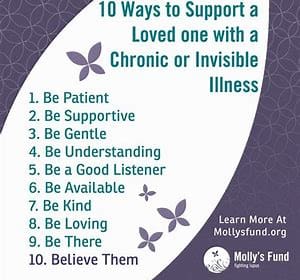
Chronic illness can take a toll on not just the individual dealing with it but also their loved ones. As a friend or family member, you have the power to provide immense support to your loved one as they navigate through their health challenges. Here are some best ways to support a loved one with chronic illness.
Understanding Their Condition
First and foremost, it’s essential to educate yourself about your loved one’s chronic illness. Understand what it is, how it affects them, what their symptoms are, and what treatments they are undergoing. By gaining knowledge about their condition, you can empathize with them better and offer more meaningful support.
Show Empathy and Listen
Simply being there for your loved one and listening to them can make a world of difference. Show empathy towards their struggles, offer a listening ear without judgment, and validate their feelings. Your presence and emotional support can help them feel less isolated and more understood.

Offer Practical Help
Practical assistance can greatly ease the burden on someone with a chronic illness. Offer to run errands, help with household chores, prepare meals, or drive them to medical appointments. By providing practical help, you’re allowing your loved one to conserve their energy and focus on their health.
Be Patient and Understanding
Dealing with a chronic illness can be frustrating and overwhelming, both for the person with the condition and their loved ones. Be patient with your loved one on days when they’re feeling unwell or fatigued. Understand that their condition may fluctuate, and they may not always be able to participate in activities or social events.

Respect Their Boundaries
It’s important to respect your loved one’s boundaries and limitations. Understand that they may need to cancel plans last minute or take breaks during social gatherings. By respecting their boundaries, you’re showing that you understand and support their needs.
Educate Others
One way to support your loved one is by educating others in your social circle about their chronic illness. Help dispel misconceptions and raise awareness about their condition. By doing so, you’re creating a supportive environment for your loved one and reducing stigma around their illness.

Encourage Self-Care
Encourage your loved one to prioritize self-care and take care of their physical and mental well-being. This can include getting enough rest, engaging in activities they enjoy, seeking therapy or counseling, and practicing stress-relief techniques. By supporting their self-care efforts, you’re helping them manage their condition more effectively.
Attend Appointments and Offer Emotional Support
Accompany your loved one to medical appointments whenever possible. Offer emotional support by holding their hand, asking questions, and taking notes during the appointment. Having a supportive presence during medical visits can help your loved one feel more at ease and less overwhelmed.

Stay Positive and Provide Encouragement
Maintain a positive outlook when interacting with your loved one. Offer words of encouragement, praise their strength and resilience, and celebrate their small victories. Your positivity can uplift their spirits and provide them with the motivation to keep pushing forward.
Offer to Research Treatment Options
If your loved one is open to it, offer to help them research alternative treatment options, clinical trials, or support groups related to their chronic illness. Providing them with valuable information can empower them to make informed decisions about their health.
Create a Supportive Environment
Create a supportive and understanding environment for your loved one to feel comfortable and safe in. Be mindful of their needs, offer a listening ear when they need to talk, and provide a shoulder to lean on during tough times. Your supportive presence can make a significant difference in their journey with chronic illness.
Stay Connected and Check-In Regularly
Stay connected with your loved one on a regular basis, even if it’s just a quick text or phone call to check in on them. Let them know that you’re there for them whenever they need someone to talk to or lean on for support. Your consistent presence can help them feel less alone in their struggles.
Take Care of Yourself
While supporting a loved one with a chronic illness is crucial, it’s also essential to take care of yourself. Make sure to prioritize your own physical and mental well-being, set boundaries when needed, and seek support from friends or a therapist if you’re feeling overwhelmed. Remember, you can’t pour from an empty cup, so taking care of yourself is equally important.
Conclusion
Supporting a loved one with a chronic illness requires patience, empathy, and understanding. By educating yourself about their condition, offering practical help, and providing emotional support, you can make a positive impact on their health journey. Remember to respect their boundaries, encourage self-care, and create a supportive environment for them to thrive in. Most importantly, stay connected, stay positive, and continue to be a pillar of strength for your loved one as they navigate through their chronic illness. Your support and care can make all the difference in their healing process.